
 By admin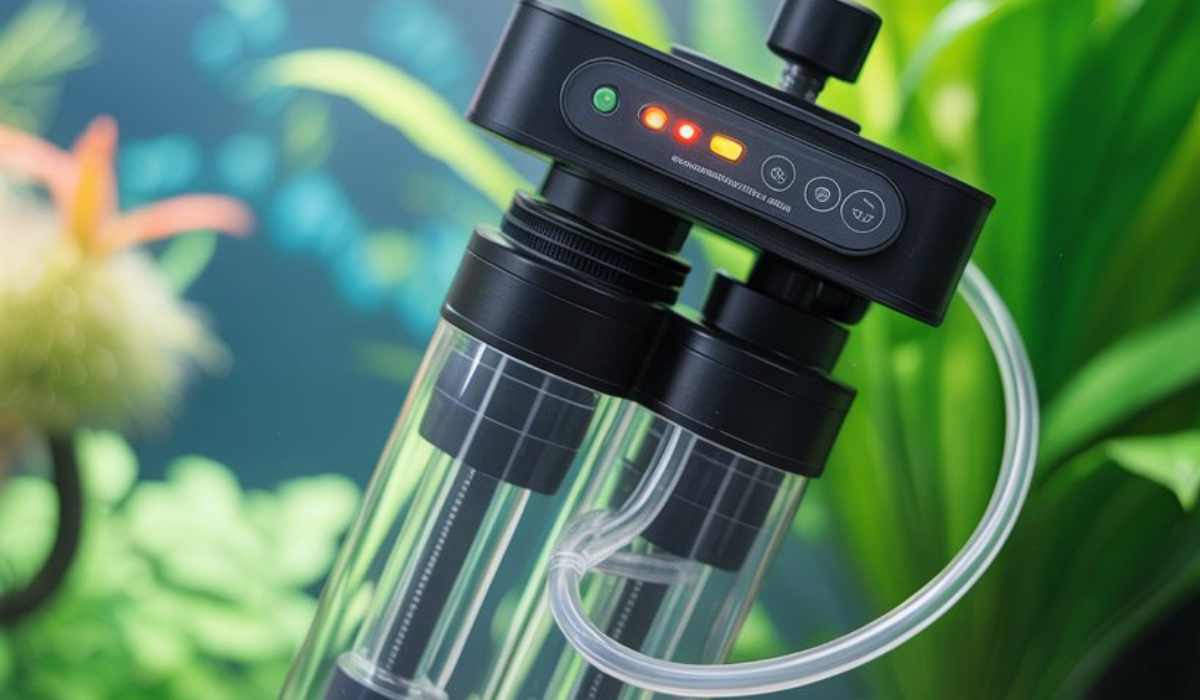
An external aquarium filter is one of the most powerful and efficient filtration systems available for aquariums. Whether you keep a freshwater community tank, a heavily stocked cichlid aquarium, or a large planted setup, an external aquarium filter plays a critical role in maintaining clean water and a healthy aquatic environment.
This in-depth guide explains everything you need to know about external aquarium filters, including how they work, types, benefits, disadvantages, maintenance, and how to choose the best one for your aquarium.
What Is an External Aquarium Filter?
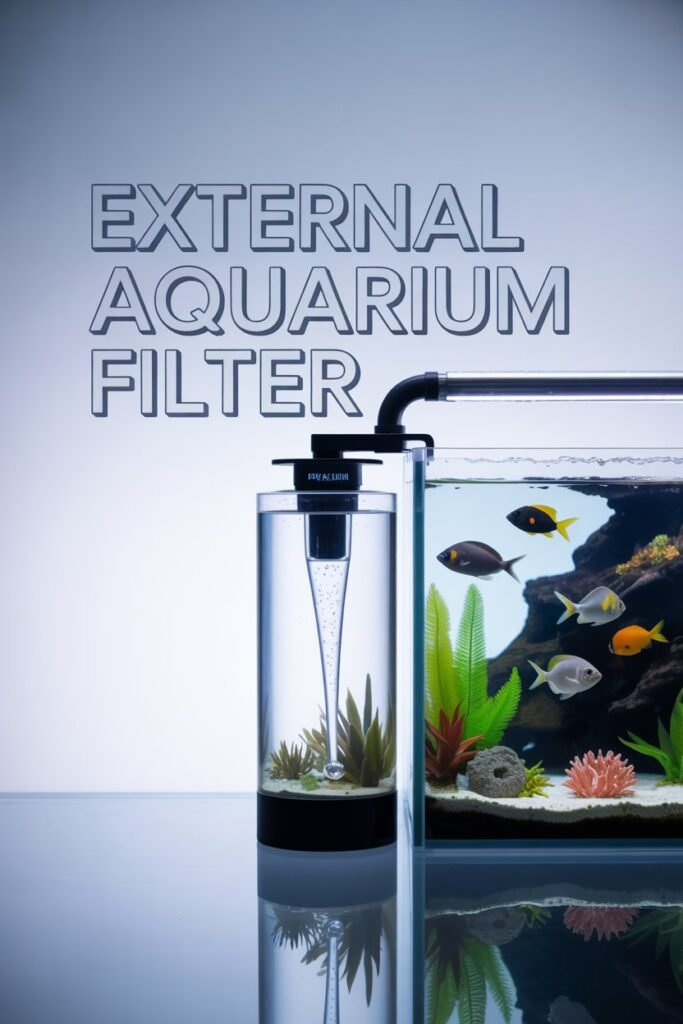
An external aquarium filter is a filtration unit that operates outside the fish tank, usually placed below or beside the aquarium. Water is drawn from the tank through intake pipes, filtered externally, and then returned to the aquarium.
Because these filters are not inside the tank, they provide:
- Higher filtration capacity
- More space for filter media
- Better water clarity
- Cleaner tank appearance
External aquarium filters are commonly used for medium to large aquariums and are favored by experienced aquarists.
How an External Aquarium Filter Works
An external aquarium filter works through a continuous cycle:
- Water flows from the aquarium into the filter via an intake tube
- The water passes through multiple layers of filter media
- Waste, toxins, and debris are removed
- Clean water is pumped back into the aquarium
This system ensures constant water movement and stable biological filtration.
Filtration Stages in an External Aquarium Filter
Mechanical Filtration
This stage removes solid waste such as:
- Fish waste
- Uneaten food
- Plant debris
Sponges, filter pads, and floss are commonly used.
Biological Filtration
This is the most important stage. Beneficial bacteria colonize the filter media and convert:
- Ammonia into nitrites
- Nitrites into nitrates
Ceramic rings, bio balls, and porous media are ideal for biological filtration.
Chemical Filtration
Optional chemical media helps remove:
- Odors
- Water discoloration
- Harmful chemicals
Activated carbon and specialty resins are often used.
Types of External Aquarium Filters
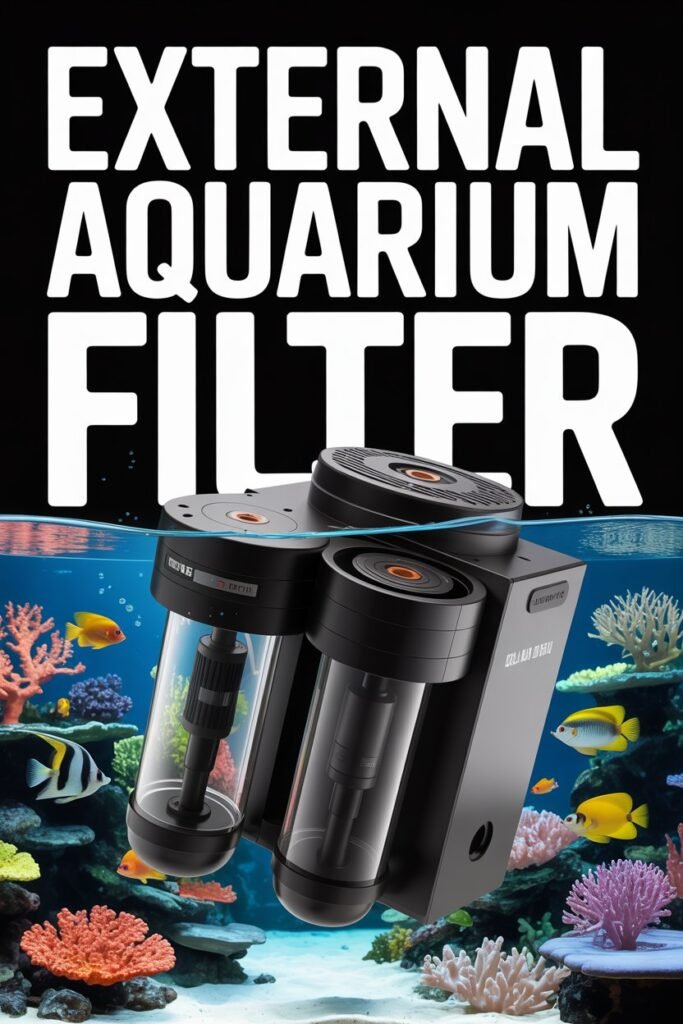
External aquarium filters come in several types, each designed for different aquarium needs.
Canister External Aquarium Filter
The canister filter is the most popular type of external aquarium filter.
Key Features:
- Large media capacity
- Strong water flow
- Multi-stage filtration
- Quiet operation
Best For:
- Medium to large aquariums
- Planted tanks
- Heavily stocked tanks
External Power Filter
External power filters use strong motors and external housings.
Key Features:
- High water turnover
- Easy media access
- Reliable performance
Best For:
- Community aquariums
- Fish-only tanks
External Sump Filter
A sump filter is an advanced external filtration system often used in large aquariums.
Key Features:
- Extremely high filtration capacity
- Customizable media layout
- Excellent oxygenation
Best For:
- Large freshwater aquariums
- Marine and reef tanks
External Wet/Dry Filter
Wet/dry filters expose media to air for enhanced biological filtration.
Key Features:
- Superior bacterial growth
- High oxygen exchange
Best For:
- High bioload aquariums
- Professional setups
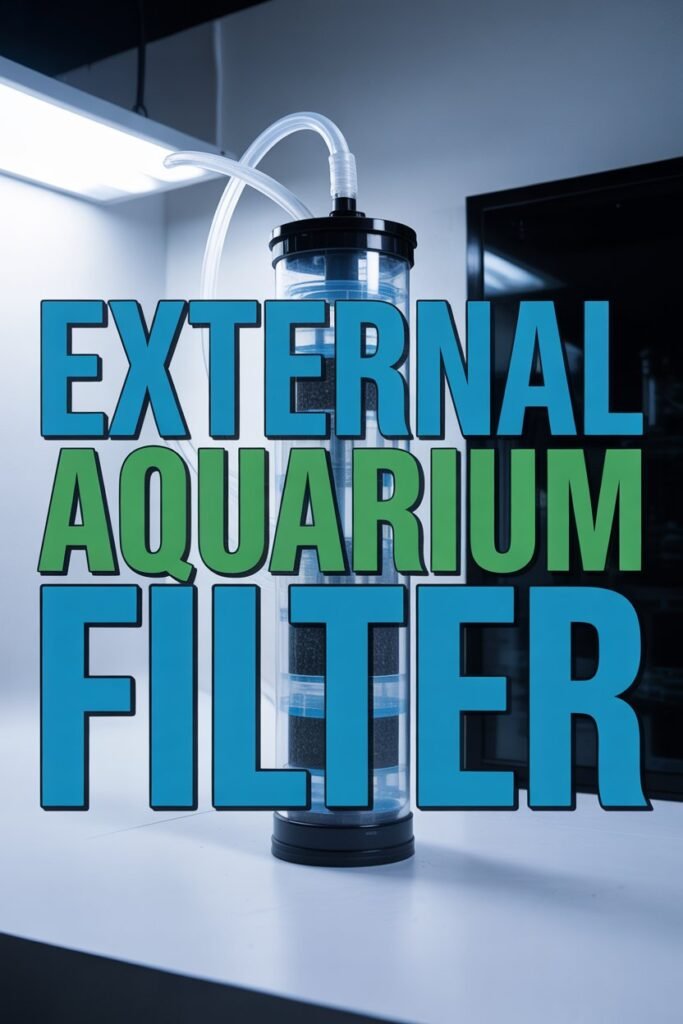
Benefits of Using an External Aquarium Filter
Powerful Filtration
External aquarium filters provide stronger filtration compared to internal filters.
Larger Media Capacity
More space for biological and mechanical media means better water quality.
Cleaner Tank Appearance
Since the filter is outside the aquarium, equipment is hidden.
Better for Large Tanks
Ideal for aquariums over 40 gallons.
Customizable Filtration
You can design your own media layers based on tank needs.
Disadvantages of External Aquarium Filters
While external aquarium filters are highly effective, they do have some drawbacks.
- Higher initial cost
- Requires space outside the aquarium
- More complex setup
- Risk of leaks if improperly installed
Understanding these limitations helps ensure proper use.
Choosing the Right External Aquarium Filter
Aquarium Size
Always choose a filter rated higher than your tank’s actual size for optimal performance.
Fish Load
Heavily stocked tanks require stronger filtration.
Tank Type
- Planted tanks need gentle flow
- Cichlid tanks require high filtration
- Marine tanks need advanced systems
Noise Level
Modern external aquarium filters are quiet, but quality matters.
Ideal Aquarium Sizes for External Aquarium Filters
External aquarium filters work best for:
- 40 gallon aquariums and above
- Large community tanks
- Monster fish tanks
- High bioload aquariums
Smaller tanks may not benefit from the full power of an external filter.
Installing an External Aquarium Filter
- Place the filter below the aquarium
- Attach intake and outlet hoses
- Fill the filter with water (priming)
- Plug in the filter
- Check for leaks
Proper installation ensures safe and efficient operation.
Maintenance and Cleaning Guide
How Often to Clean
- Every 4–8 weeks depending on bioload
How to Clean Safely
- Use old aquarium water
- Never wash biological media with tap water
- Clean one media layer at a time
Media Replacement
- Mechanical media: As needed
- Biological media: Rarely replaced
- Chemical media: Monthly if used
External Aquarium Filter for Different Tank Types
Freshwater Aquariums
Excellent for large freshwater community tanks.
Planted Aquariums
Provides strong filtration without disturbing plants when flow is adjusted.
Cichlid Tanks
Handles heavy waste production effectively.
Goldfish Aquariums
Manages high waste and maintains clear water.
Saltwater Aquariums
Often used with sumps and protein skimmers.
External Aquarium Filter vs Internal Filter
- External filters offer stronger filtration
- Internal filters are easier and cheaper
- External filters are better for large tanks
- Internal filters suit beginners and small tanks
Common Problems and Solutions
Reduced Water Flow
- Clean clogged hoses
- Rinse mechanical media
Leaking Filter
- Check hose connections
- Replace worn seals
Noisy Operation
- Remove trapped air
- Ensure filter sits level
Tips to Maximize External Aquarium Filter Performance
- Use high-quality biological media
- Avoid overstocking fish
- Perform regular water changes
- Clean hoses periodically
These practices ensure long-term efficiency.
Safety Tips for External Aquarium Filters
- Always unplug before maintenance
- Check hoses regularly
- Avoid placing filter above tank level
- Use drip loops in power cords
Safety should never be ignored.
Frequently Asked Questions (FAQs)
What is an external aquarium filter best used for?
It is best for medium to large aquariums with high filtration needs.
Can an external aquarium filter run continuously?
Yes, it should run 24/7 to maintain biological filtration.
How long does an external aquarium filter last?
With proper care, it can last 5–10 years or more.
Is an external aquarium filter better than an internal filter?
Yes, for larger tanks and heavier bioloads.
Do external aquarium filters need priming?
Most models require priming before first use.
Can I use an external aquarium filter for a planted tank?
Yes, adjustable flow models are ideal for planted aquariums.
How often should I clean my external aquarium filter?
Every 4 to 8 weeks, depending on tank conditions.
Are external aquarium filters noisy?
High-quality models are very quiet when properly installed.
Final Thoughts
An external aquarium filter is a powerful, reliable, and long-term filtration solution for aquarists who want excellent water quality and a clean tank appearance. While it requires a higher investment and proper maintenance, the benefits far outweigh the drawbacks for medium to large aquariums.
If you are serious about fish health, water clarity, and stable filtration, an external aquarium filter is one of the best choices you can make.