
 By admin
 Aquascape aquarium ideas focus on transforming aquariums into natural-looking underwater landscapes that resemble rivers, forests, and mountains. Aquascaping is a creative blend of design, biology, and patience. A well-planned aquascape is not just visually beautiful but also creates a balanced environment where plants and fish thrive together.
Whether you are a beginner setting up your first planted tank or an experienced hobbyist looking for new inspiration, aquascape aquarium ideas offer endless possibilities for creativity and expression.
What Is an Aquascape Aquarium
An aquascape aquarium is a planted aquarium designed using artistic principles such as balance, depth, and focal points. It uses natural materials like stones, driftwood, and live plants to create realistic underwater scenes.
Unlike decorative tanks, aquascapes follow intentional layouts where every element has a purpose. The result is a living artwork that changes and matures over time.
Why Aquascaping Is Popular
Aquascaping has gained popularity because it combines creativity with relaxation. Designing and maintaining an aquascape reduces stress and encourages mindfulness. Aquascaped aquariums also enhance interior décor and are often used as centerpiece displays in homes and offices.
Aquascaping allows hobbyists to recreate nature indoors while supporting healthy aquatic life.
Core Principles of Aquascape Aquarium Design
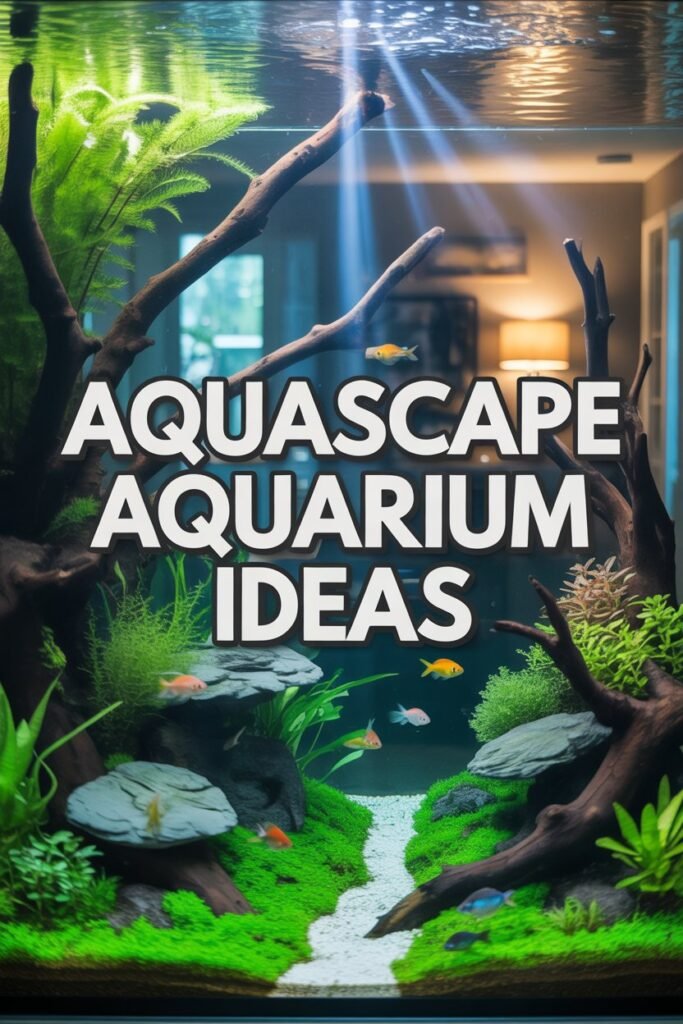
Successful aquascapes are built on a few key principles. Balance ensures the layout feels natural rather than symmetrical. Depth is created by placing smaller elements in the front and larger ones toward the back. Contrast highlights focal points using different textures and colors.
Simplicity is essential. Overcrowding plants and decorations can ruin the natural look.
Nature Style Aquascape Ideas
Nature-style aquascapes mimic real-world landscapes. They often resemble mountain valleys, forest floors, or riverbanks.
This style uses driftwood to create tree-like structures and stones to represent mountains. Plants are arranged to look wild yet controlled. Fish are usually small and peaceful, adding movement without overpowering the design.
Iwagumi Aquascape Aquarium Ideas
Iwagumi aquascapes are stone-focused designs inspired by Japanese aesthetics. They use an odd number of stones arranged in a specific pattern to create harmony.
Plants are minimal, often carpeting species, to keep attention on the stone structure. Fish selection is subtle to maintain simplicity and elegance.
Jungle Style Aquascape Ideas
Jungle-style aquascapes are lush and dense. Plants grow freely, creating a wild and natural appearance. This style emphasizes depth and texture rather than strict structure.
Jungle aquascapes are forgiving for beginners because plants are allowed to grow naturally with minimal trimming.
Minimalist Aquascape Aquarium Ideas
Minimalist aquascapes use fewer elements and focus on clean lines and open space. A single focal point such as driftwood or stone creates visual interest.
This style suits modern interiors and small aquariums. Minimalist aquascapes are easier to maintain and visually calming.
Aquascape Aquarium Ideas for Small Tanks
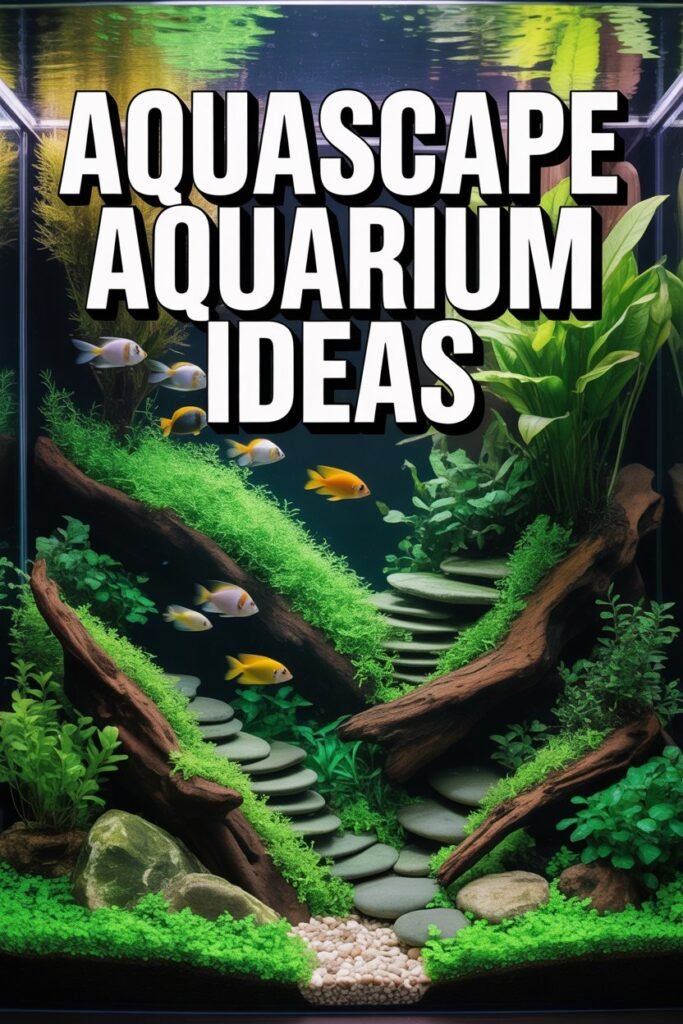
Small aquariums can still be beautifully aquascaped. Nano aquascapes focus on scale and simplicity.
Using fine substrates, small stones, and compact plants creates depth even in limited space. Minimalist and Iwagumi styles work especially well for small tanks.
Aquascape Aquarium Ideas for Large Tanks
Large aquariums allow complex and dramatic aquascapes. Multiple focal points, layered plant groups, and varied textures create immersive landscapes.
Large aquascapes often include open swimming areas and detailed backgrounds for a realistic look.
Plant Selection for Aquascape Aquariums
Plants are essential to aquascaping. Foreground plants create carpets, midground plants add volume, and background plants create height.
Choosing plants with different leaf shapes and shades of green adds contrast. Proper spacing ensures healthy growth and visual clarity.
Fish Selection for Aquascape Aquariums
Fish should complement the aquascape, not dominate it. Small schooling fish enhance movement and flow. Calm species are preferred to maintain harmony.
Avoid large or aggressive fish that may disturb plants or decorations.
Lighting and Equipment for Aquascaping
Lighting plays a major role in plant growth and aesthetics. Bright, adjustable LED lighting enhances colors and textures.
Filtration and water circulation should support plant health without creating strong currents. Balanced equipment keeps the aquascape stable long term.
Maintenance Tips for Aquascape Aquariums
Regular trimming maintains shape and balance. Partial water changes help keep water clear and nutrients balanced.
Patience is essential, as aquascapes evolve over time. Adjustments are part of the process.
Common Mistakes in Aquascaping
Overplanting reduces clarity and disrupts balance. Poor planning leads to uneven layouts. Inconsistent maintenance causes algae problems.
Learning from observation and experience improves results.
Aquascape Aquarium Ideas Comparison Table
| Aquascape Style | Difficulty Level | Visual Style | Maintenance |
|---|---|---|---|
| Nature Style | Medium | Natural and Calm | Medium |
| Iwagumi | Advanced | Clean and Minimal | Medium |
| Jungle Style | Beginner to Medium | Wild and Lush | Low to Medium |
| Minimalist | Beginner | Modern and Simple | Low |
| Large Landscape | Advanced | Dramatic | Medium to High |
Aquascaping as Home Décor
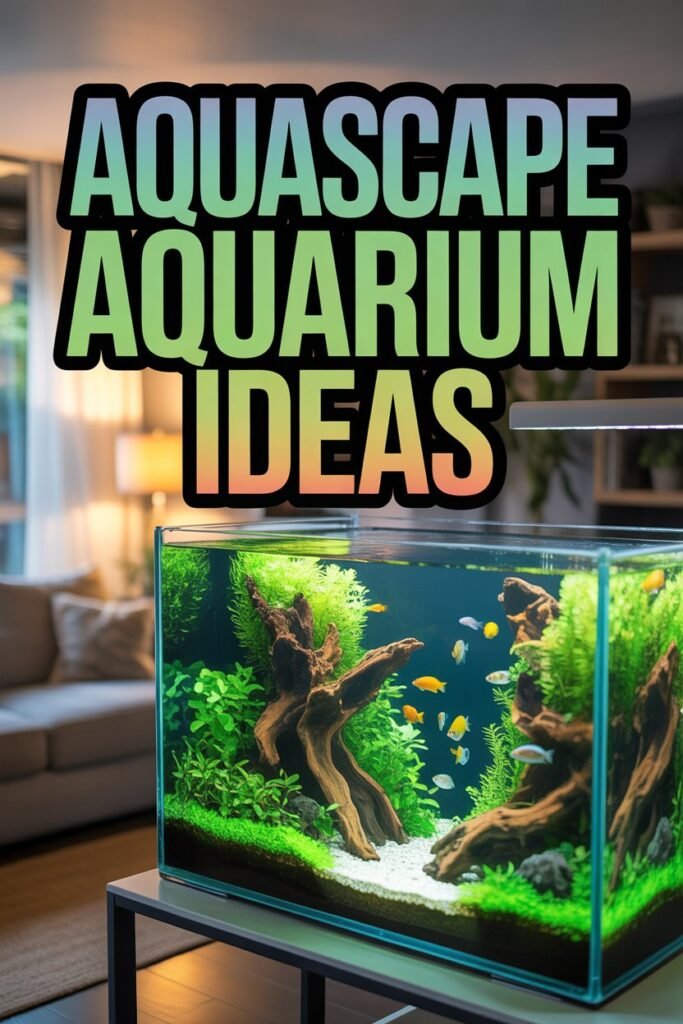
Aquascape aquariums blend beautifully with home interiors. Natural designs suit living rooms, while minimalist aquascapes fit offices and bedrooms.
Matching tank style with furniture and lighting improves overall aesthetics.
Long-Term Value of Aquascape Aquariums
Aquascaping is a long-term hobby that grows with experience. Watching an aquascape mature is rewarding and relaxing.
Each aquascape becomes unique, reflecting creativity and patience.
Frequently Asked Questions About Aquascape Aquarium Ideas
What is the best aquascape style for beginners?
Jungle-style and minimalist aquascapes are best for beginners due to flexibility and low maintenance.
Can aquascaping be done in small aquariums?
Yes, nano aquascapes are popular and highly aesthetic.
Do aquascape aquariums require special equipment?
Basic equipment is enough for low-tech aquascapes. Advanced setups may require stronger lighting and additional systems.
How long does an aquascape take to mature?
Most aquascapes take several weeks to months to fully develop.
Are aquascape aquariums expensive?
They can be budget-friendly or advanced, depending on plant and equipment choices.
Can fish damage an aquascape?
Yes, large or aggressive fish can disturb plants and layouts.
Is aquascaping suitable for home use?
Yes, aquascaped aquariums are ideal for homes and offices.