
 By admin
 Aquarium carbon is one of the most commonly used filtration media in fish tanks. It plays an important role in keeping aquarium water clear, odor-free, and visually appealing. When used correctly, aquarium carbon helps remove unwanted chemicals, discoloration, and impurities from water, creating a healthier environment for fish and plants.
This guide explains everything you need to know about aquarium carbon, including what it is, how it works, types, benefits, proper usage, maintenance, and common mistakes.
What Is Aquarium Carbon
Aquarium carbon, often called activated carbon, is a porous filtration material used in aquarium filters to remove dissolved impurities from water. It is usually made from natural materials such as coconut shells or coal that are processed to create millions of tiny pores.
These pores allow aquarium carbon to absorb contaminants as water passes through it.
How Aquarium Carbon Works
Aquarium carbon works through adsorption, a process where impurities stick to the surface of the carbon. As water flows through the carbon, chemicals, odors, medications, and discoloration are trapped inside the pores.
This process improves water clarity and removes substances that mechanical or biological filtration cannot handle.
Why Aquarium Carbon Is Used
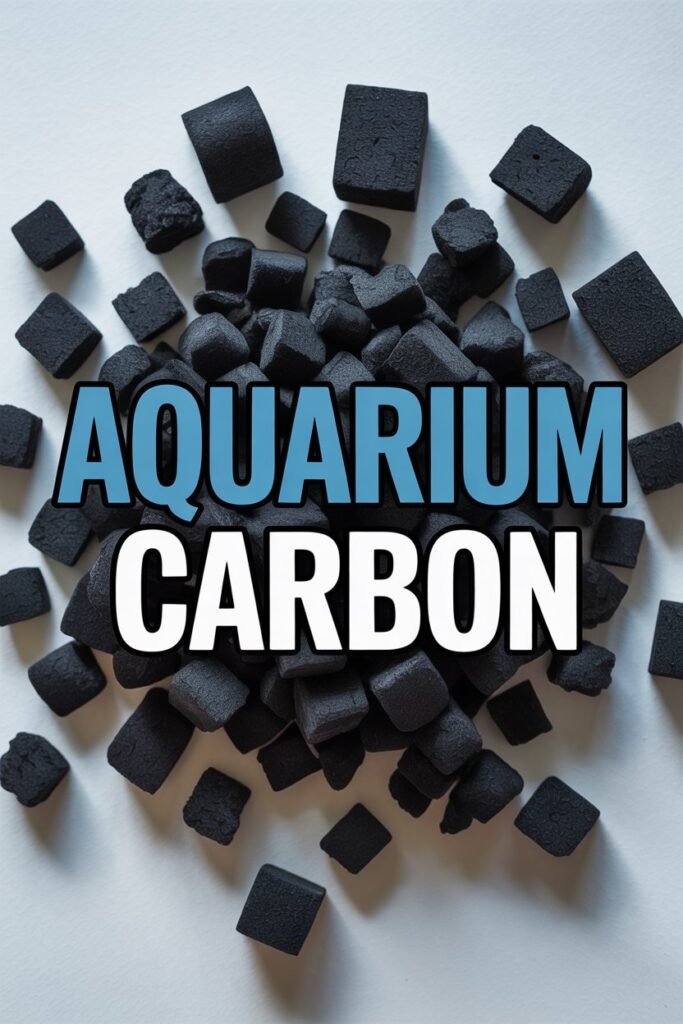
Aquarium carbon is used to remove toxins, unwanted chemicals, and dissolved organic compounds. It helps eliminate yellow or cloudy water and neutralizes unpleasant odors.
Many aquarists use aquarium carbon to polish water and maintain a clean appearance.
Benefits of Using Aquarium Carbon
One of the main benefits of aquarium carbon is improved water clarity. It also removes chemical residues and helps maintain a fresh-smelling aquarium.
Carbon is especially useful after medication treatments to remove leftover chemicals from the water.
Types of Aquarium Carbon
Different types of aquarium carbon are available, each with specific characteristics and uses.
Granular Activated Carbon
Granular activated carbon is the most common type. It consists of small, irregular granules that allow good water flow.
This type is widely used in freshwater and saltwater aquariums.
Pellet Activated Carbon
Pellet carbon has a uniform shape and size. It produces less dust and allows consistent water flow.
Pellet carbon is often preferred in canister filters and sump systems.
Powdered Carbon
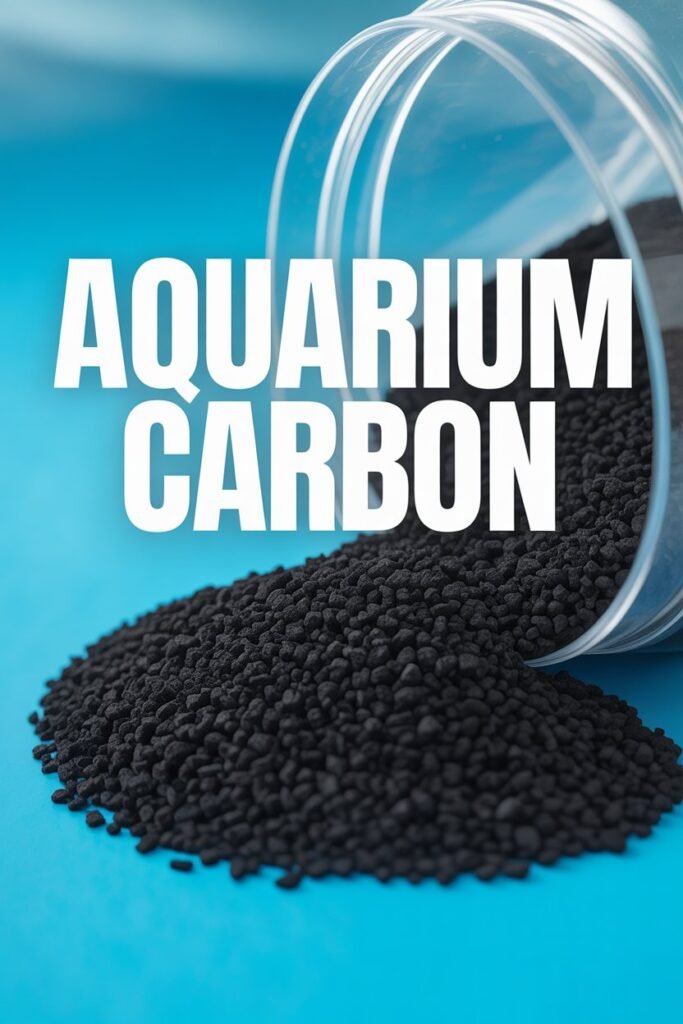
Powdered carbon has very fine particles and high absorption capacity. It is rarely used in aquariums because it can escape filters and cloud water.
This type is more common in industrial applications.
Aquarium Carbon in Freshwater Tanks
In freshwater aquariums, carbon helps remove tannins released by driftwood and organic waste.
It is commonly used in community tanks, hospital tanks, and quarantine setups.
Aquarium Carbon in Saltwater Tanks
In saltwater aquariums, carbon removes dissolved organics that can affect water clarity.
Reef keepers often use carbon cautiously to avoid stripping beneficial trace elements.
Where to Place Aquarium Carbon in the Filter
Aquarium carbon should be placed after mechanical filtration media and before biological media.
This placement ensures debris is removed first, allowing carbon to work efficiently.
How Much Aquarium Carbon to Use
The amount of aquarium carbon depends on tank size and filter capacity. Using too much carbon can remove beneficial substances.
Moderate use is recommended rather than continuous heavy use.
How Often to Replace Aquarium Carbon
Aquarium carbon becomes exhausted over time as its pores fill with impurities. It typically needs replacement every few weeks.
Used carbon loses effectiveness and should not be relied upon long-term.
Signs Aquarium Carbon Needs Replacement
If water becomes cloudy, yellow, or develops an odor, carbon may be exhausted.
Carbon that has been in use for too long no longer provides benefits.
Cleaning vs Replacing Aquarium Carbon
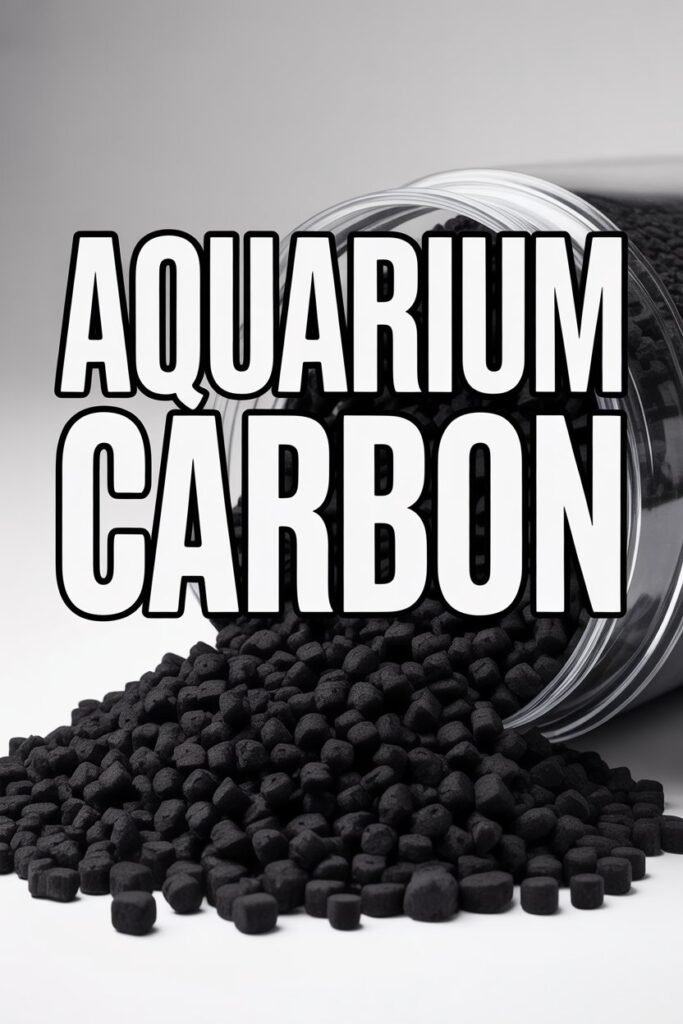
Aquarium carbon cannot be effectively cleaned or regenerated for aquarium use.
Replacement is the safest and most effective option.
Aquarium Carbon and Beneficial Bacteria
Carbon does not significantly support beneficial bacteria growth. It should not replace biological filtration media.
A balanced filter setup includes mechanical, biological, and optional chemical media like carbon.
Aquarium Carbon for Medication Removal
After treating fish with medication, aquarium carbon is used to remove remaining chemicals from the water.
This prevents prolonged exposure and helps restore normal water conditions.
Common Mistakes When Using Aquarium Carbon
Using carbon continuously without purpose is a common mistake. Carbon should be used strategically.
Failing to replace exhausted carbon reduces filtration efficiency.
Is Aquarium Carbon Necessary
Aquarium carbon is not mandatory for all tanks. Many healthy aquariums operate without it.
Carbon is most useful for specific situations such as water discoloration or medication removal.
Aquarium Carbon for Planted Tanks
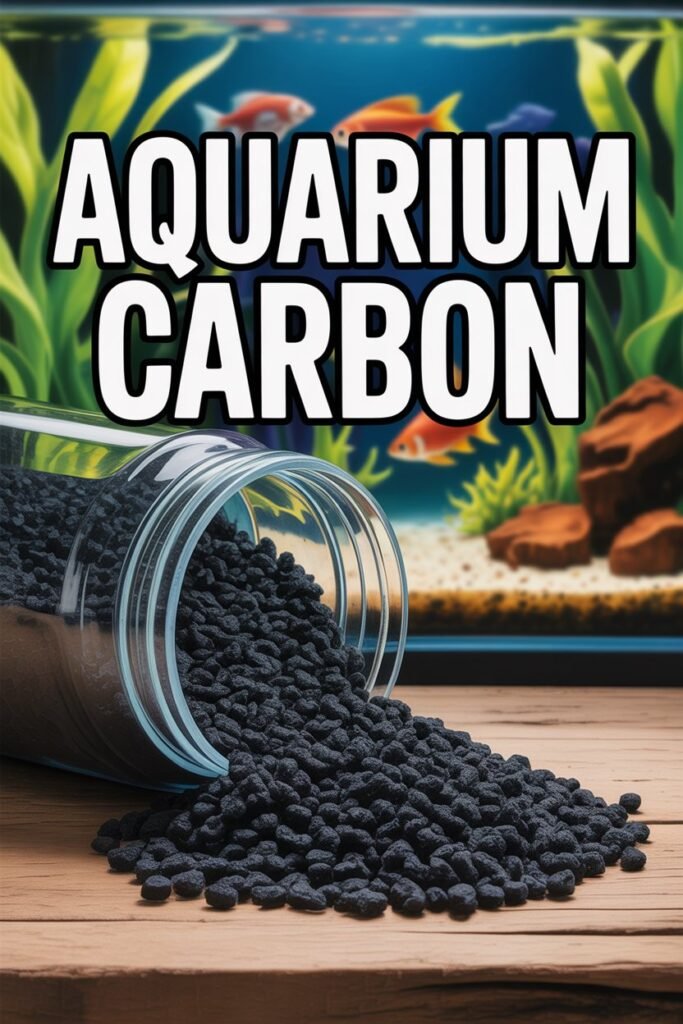
In planted aquariums, carbon can remove nutrients needed by plants if used excessively.
Many planted tank keepers use carbon only occasionally.
Aquarium Carbon Safety Tips
Always rinse aquarium carbon before use to remove dust.
Use only carbon designed for aquarium use to avoid contamination.
Aquarium Carbon Comparison Table
| Carbon Type | Best Use | Key Benefit |
|---|---|---|
| Granular carbon | General aquariums | Balanced absorption |
| Pellet carbon | Canister filters | Low dust |
| Powdered carbon | Limited use | High absorption |
| Coconut-based carbon | Sensitive tanks | Natural source |
Aquarium Carbon for Beginners
Beginners can benefit from aquarium carbon during initial setup or problem-solving situations.
Understanding when and why to use carbon prevents misuse.
Aquarium Carbon for Advanced Aquarists
Advanced aquarists use carbon selectively to manage water chemistry and clarity.
Strategic use provides control without disrupting tank balance.
Long-Term Impact of Aquarium Carbon Use
Proper use of aquarium carbon improves water appearance and removes unwanted chemicals.
Overuse can reduce beneficial compounds, so moderation is key.
Frequently Asked Questions About Aquarium Carbon
What does aquarium carbon remove?
It removes chemicals, odors, discoloration, and dissolved impurities.
How often should aquarium carbon be changed?
Usually every few weeks, depending on usage.
Can aquarium carbon harm fish?
No, when used correctly it is safe.
Is aquarium carbon required for all tanks?
No, it is optional but useful in specific situations.
Can aquarium carbon remove medications?
Yes, it is commonly used after treatments.
Should aquarium carbon be used all the time?
Continuous use is not always necessary.
Does aquarium carbon affect plants?
Excessive use may remove nutrients needed by plants.