
 By admin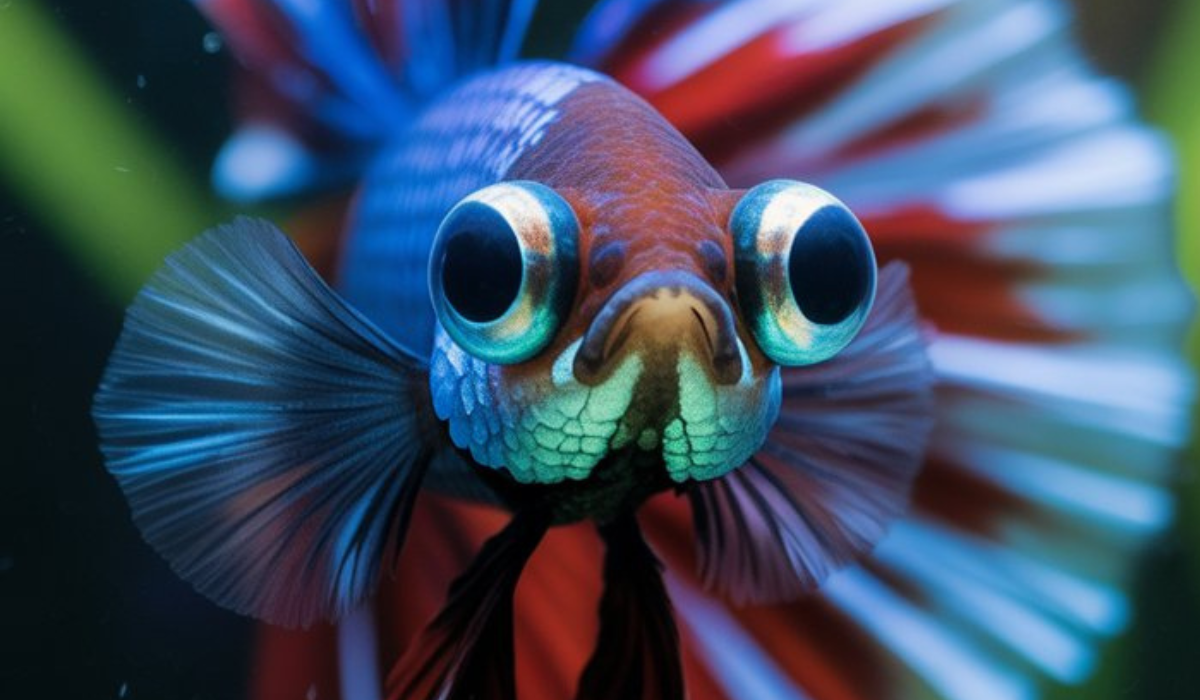
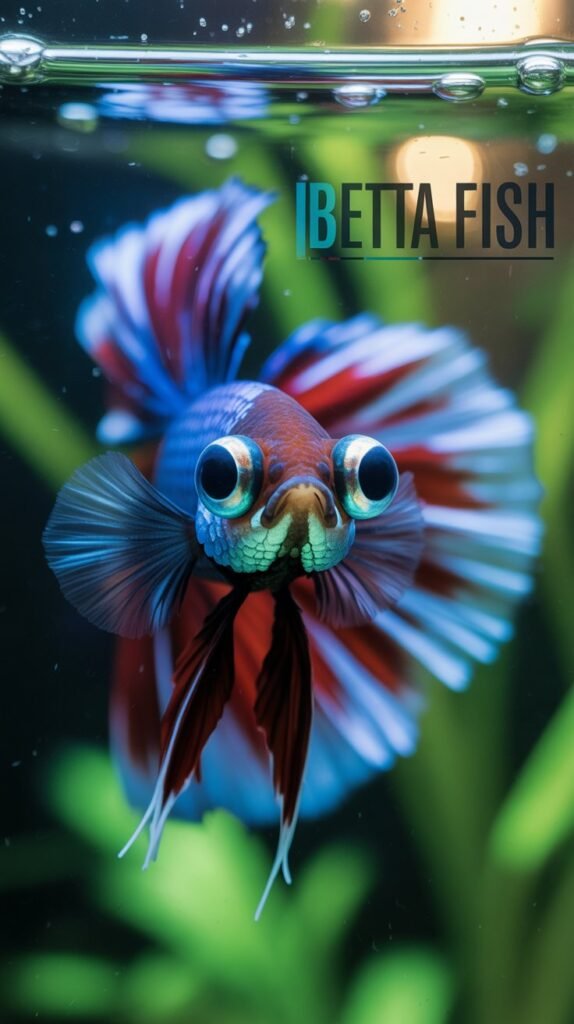
Betta fish, also known as Siamese fighting fish, are among the most popular aquarium fish in the world. Their vibrant colors, flowing fins, and expressive behavior make them a favorite choice for both beginner and experienced aquarists. Despite their popularity, betta fish are often misunderstood and improperly cared for. Understanding their natural needs is essential for keeping them healthy and thriving.
This comprehensive guide explains everything about betta fish, including their origin, behavior, care requirements, tank setup, feeding, health, and common mistakes.
What Is a Betta Fish
Betta fish are freshwater fish native to Southeast Asia, where they inhabit shallow waters such as rice paddies, slow-moving streams, and ponds. They are known for their ability to breathe atmospheric air using a specialized organ called the labyrinth organ.
This unique adaptation allows betta fish to survive in low-oxygen environments.
Why Betta Fish Are So Popular
Betta fish are popular because of their striking appearance, individual personalities, and relatively simple care needs compared to many other fish species. They are often kept as centerpiece fish and can recognize their owners.
Their active behavior and vibrant colors make them visually engaging.
Natural Habitat of Betta Fish
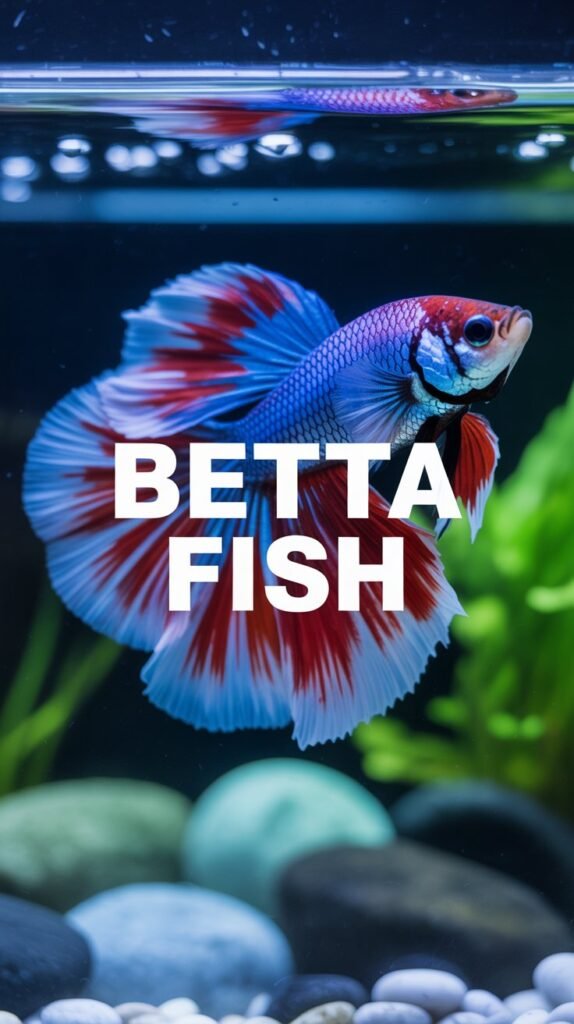
In the wild, betta fish live in warm, shallow waters with dense vegetation. These environments are calm, warm, and rich in hiding spaces.
Understanding their natural habitat helps recreate suitable conditions in captivity.
Betta Fish Behavior
Betta fish are intelligent and curious. They often interact with their surroundings and respond to movement outside the tank.
Male betta fish are territorial and can become aggressive toward other males or similar-looking fish.
Aggression in Betta Fish
Male bettas are known for their aggressive behavior toward each other. This is why they are typically housed alone.
Females are generally less aggressive and can sometimes be kept together in carefully managed groups.
Types of Betta Fish
There are many varieties of betta fish, each with unique fin shapes and color patterns.
Veiltail Betta Fish
Veiltail bettas have long, flowing fins that droop downward. They are one of the most common types available.
They are hardy and suitable for beginners.
Halfmoon Betta Fish
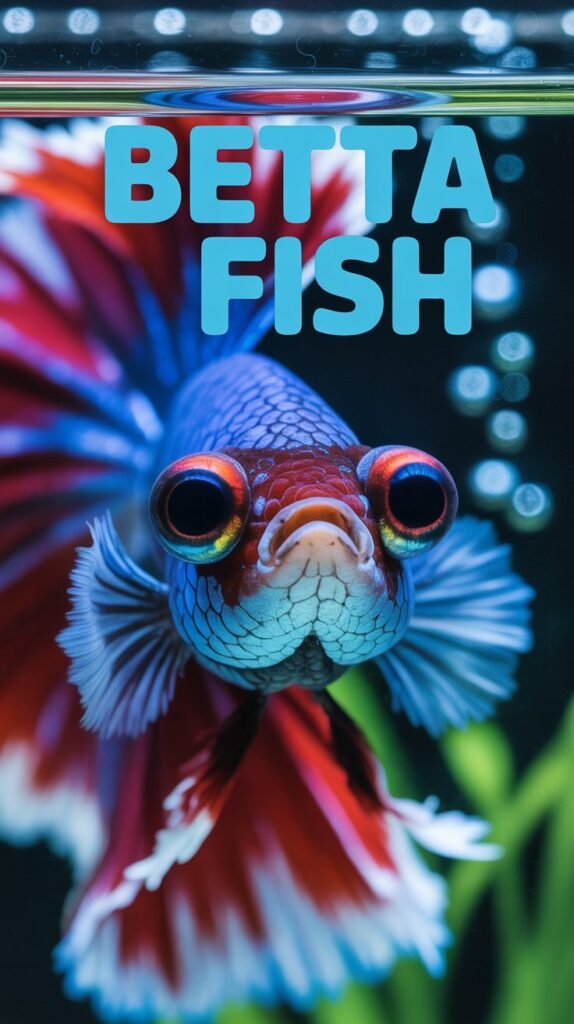
Halfmoon bettas have fins that spread into a perfect semicircle when flared.
They are highly prized for their appearance but require gentle care due to delicate fins.
Crowntail Betta Fish
Crowntail bettas have spiky fins with extended rays, giving them a crown-like appearance.
They are active and visually striking.
Plakat Betta Fish
Plakat bettas have shorter fins and resemble wild bettas more closely.
They are strong swimmers and often more active.
Double Tail Betta Fish
Double tail bettas have two distinct tail lobes and shorter bodies.
They are beautiful but may be more prone to health issues.
Betta Fish Colors and Patterns
Betta fish come in a wide range of colors including red, blue, green, white, black, and multicolor patterns.
Some bettas change color over time depending on health and environment.
Ideal Tank Size for Betta Fish
A proper tank is essential for betta fish health. While bettas can survive in small containers, they thrive in larger tanks.
A tank with adequate space allows natural behavior and reduces stress.
Betta Fish Tank Setup
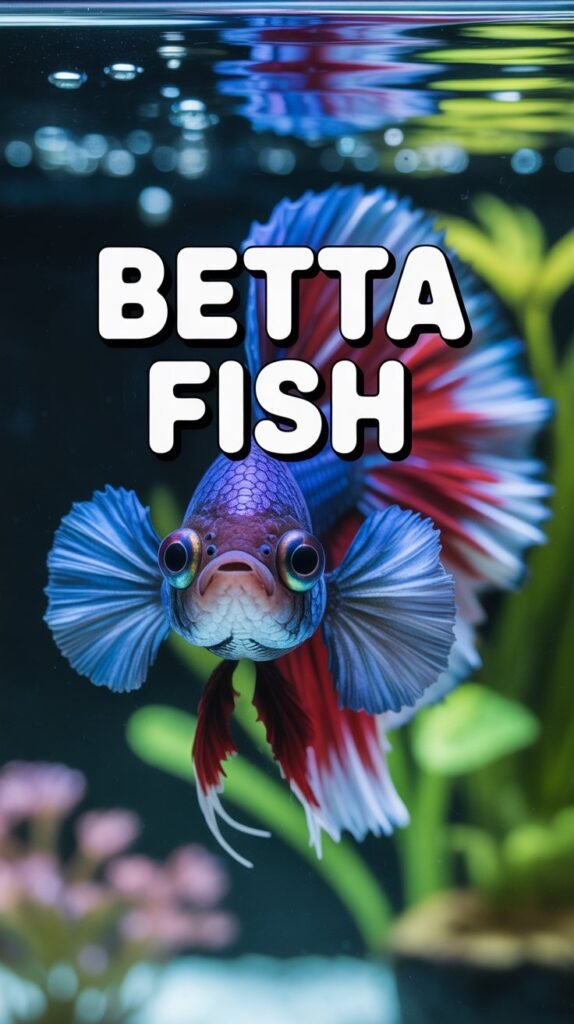
A betta tank should include gentle filtration, stable heating, and hiding spaces. Live or silk plants are preferred to protect delicate fins.
Sharp decorations should be avoided.
Water Conditions for Betta Fish
Betta fish prefer warm water with stable parameters. Sudden changes can cause stress and illness.
Regular maintenance helps maintain consistent water quality.
Betta Fish Feeding Guide
Betta fish are carnivorous and require a high-protein diet. They eat insects and larvae in the wild.
In captivity, they should be fed quality betta-specific foods in controlled portions.
Feeding Frequency for Betta Fish
Betta fish should be fed small amounts once or twice daily. Overfeeding can cause bloating and water quality issues.
Occasional fasting days help maintain digestion.
Betta Fish Compatibility
Betta fish can coexist with certain peaceful species if tank size and layout are appropriate.
Avoid fin-nipping or aggressive tank mates.
Betta Fish and Live Plants
Live plants improve water quality and provide enrichment. Bettas enjoy resting on broad leaves.
Plants also enhance the tank’s aesthetic.
Common Betta Fish Health Issues
Betta fish may suffer from fin rot, bloating, parasites, or fungal infections if water quality is poor.
Early detection improves recovery chances.
Signs of a Healthy Betta Fish
Healthy bettas are active, responsive, and display vibrant colors. Their fins should be intact and extended.
Loss of appetite or lethargy indicates potential problems.
Betta Fish Lifespan
With proper care, betta fish can live several years. Genetics, diet, and water quality influence lifespan.
Consistent care extends their life and vitality.
Betta Fish Stress Factors
Stress can be caused by small tanks, poor water quality, aggressive tank mates, or sudden changes.
Reducing stress improves immunity and behavior.
Betta Fish Care for Beginners
Beginners should focus on stable conditions, proper feeding, and routine maintenance.
Simple setups often lead to the best results.
Advanced Betta Fish Care
Experienced keepers may explore planted tanks, selective breeding, or behavior enrichment.
Knowledge allows for enhanced care and creativity.
Betta Fish Care Comparison Table
| Aspect | Basic Care | Ideal Care |
|---|---|---|
| Tank space | Minimal | Spacious |
| Water stability | Basic | Highly stable |
| Diet | Standard pellets | Varied protein-rich |
| Decoration | Limited | Enriched environment |
| Maintenance | Occasional | Consistent routine |
Long-Term Benefits of Proper Betta Fish Care
Well-cared-for betta fish display better color, stronger fins, and engaging behavior.
Proper care also reduces medical issues and maintenance challenges.
Frequently Asked Questions About Betta Fish
Can betta fish live alone?
Yes, male bettas should be kept alone to prevent aggression.
Do betta fish need a heater?
Yes, they prefer warm, stable water conditions.
How often should I clean a betta tank?
Partial water changes should be done regularly to maintain water quality.
Can betta fish live with other fish?
They can live with peaceful species if conditions are suitable.
Do betta fish recognize their owners?
Yes, many bettas respond to familiar people.
What do betta fish eat?
They eat high-protein foods such as insects and specialized pellets.
Are betta fish hard to care for?
No, with proper knowledge, they are relatively easy to care for.