
 By admin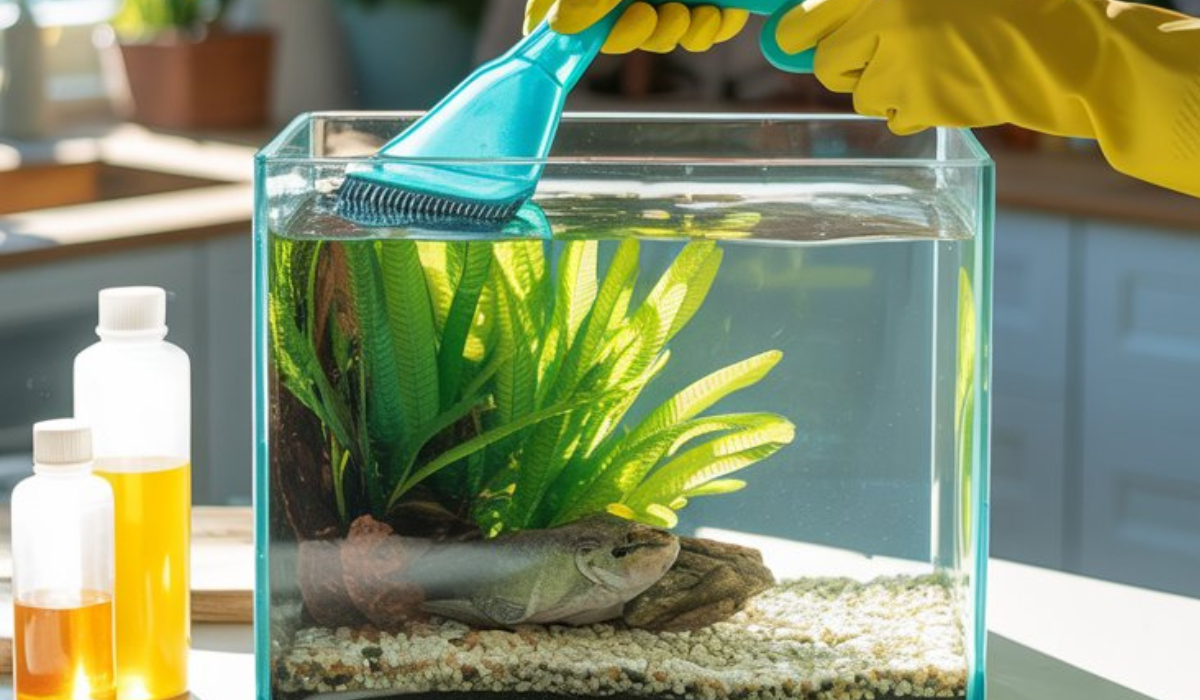
Knowing how to clean a fish tank properly is one of the most important skills every aquarium owner must learn. A clean fish tank is not just about appearance; it directly affects fish health, water quality, and the overall balance of the aquarium ecosystem. Improper cleaning can stress fish, destroy beneficial bacteria, and cause sudden water problems.
This guide explains how to clean a fish tank safely and effectively, covering beginner-friendly methods, routine maintenance, deep cleaning steps, and common mistakes to avoid.
Why Cleaning a Fish Tank Is Important
Fish produce waste, uneaten food breaks down, and algae naturally grows over time. Without regular cleaning, harmful toxins like ammonia and nitrate can build up in the water.
Proper tank cleaning keeps water parameters stable, prevents disease, and ensures fish remain active and healthy.
How Often Should You Clean a Fish Tank
Cleaning frequency depends on tank size, fish load, and filtration. Most aquariums require partial cleaning once a week or every two weeks.
Small tanks need more frequent attention, while larger tanks are more forgiving due to higher water volume.
What You Need Before Cleaning a Fish Tank
Preparation makes the process smooth and stress-free. Always use aquarium-safe tools.
Basic items include a bucket used only for aquarium water, a siphon or gravel vacuum, an algae scraper, and clean cloths. Avoid household cleaners or soap.
Step One: Turn Off Equipment
Before starting, turn off heaters, filters, and lights. This prevents damage to equipment and keeps fish safe during water level changes.
Allow heaters to cool for a few minutes before exposing them to air.
Step Two: Remove and Clean Decorations
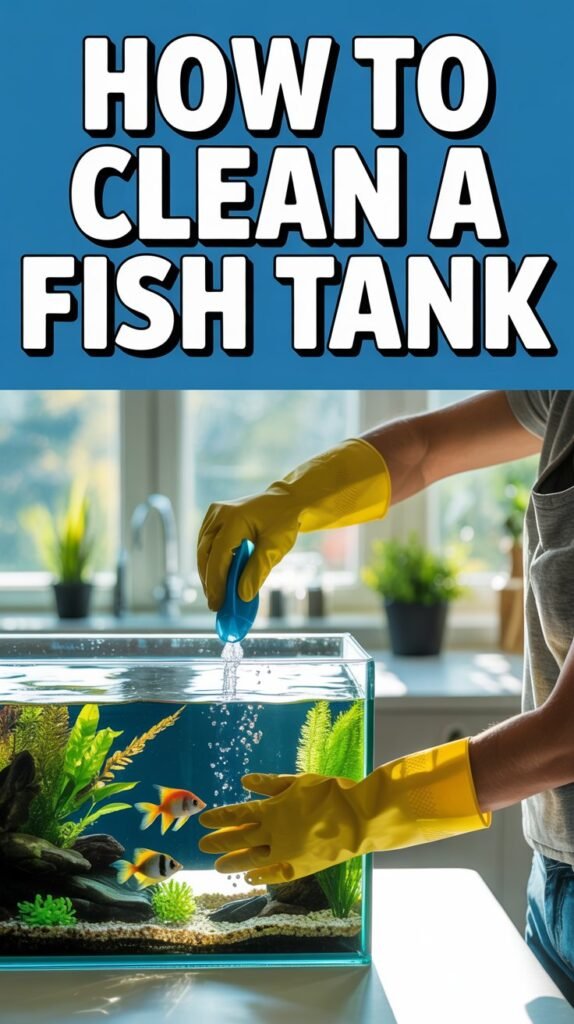
If decorations have visible algae, gently remove them and rinse with aquarium water or clean tap water if heavily soiled.
Never use soap or chemicals, as residue can be toxic to fish.
Step Three: Clean the Glass Walls
Use an algae scraper or soft sponge to clean the inside glass. This improves visibility and controls algae growth.
Avoid metal or rough tools that can scratch the glass or acrylic.
Step Four: Siphon the Gravel or Substrate
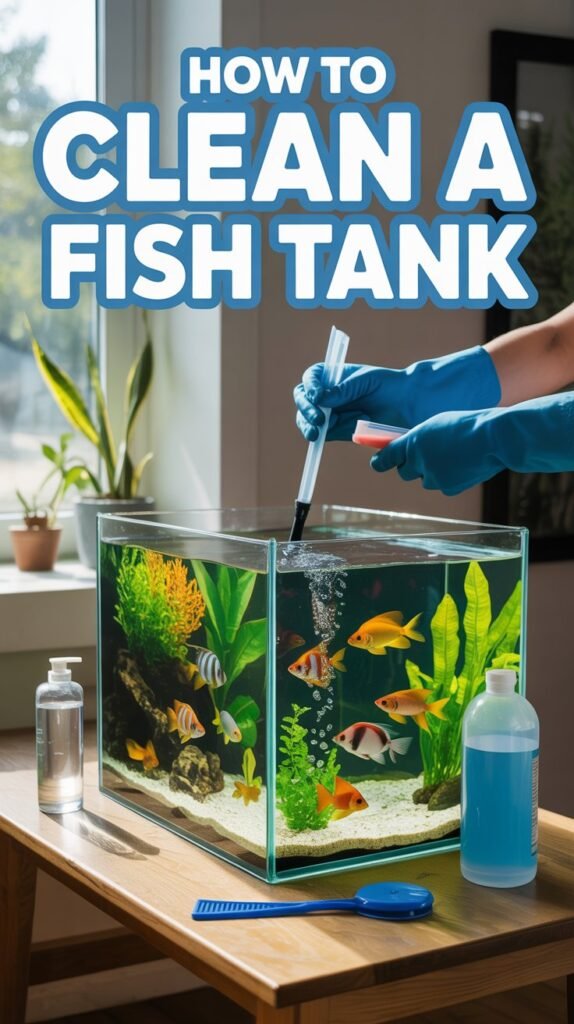
Gravel cleaning is one of the most important steps when learning how to clean a fish tank. Use a siphon to remove debris trapped in the substrate.
Move slowly to avoid disturbing fish and beneficial bacteria.
Step Five: Partial Water Change
Remove only part of the water, usually around one quarter of the tank volume. This removes toxins without shocking fish.
Never drain all the water unless performing an emergency or full reset.
Step Six: Refill with Conditioned Water
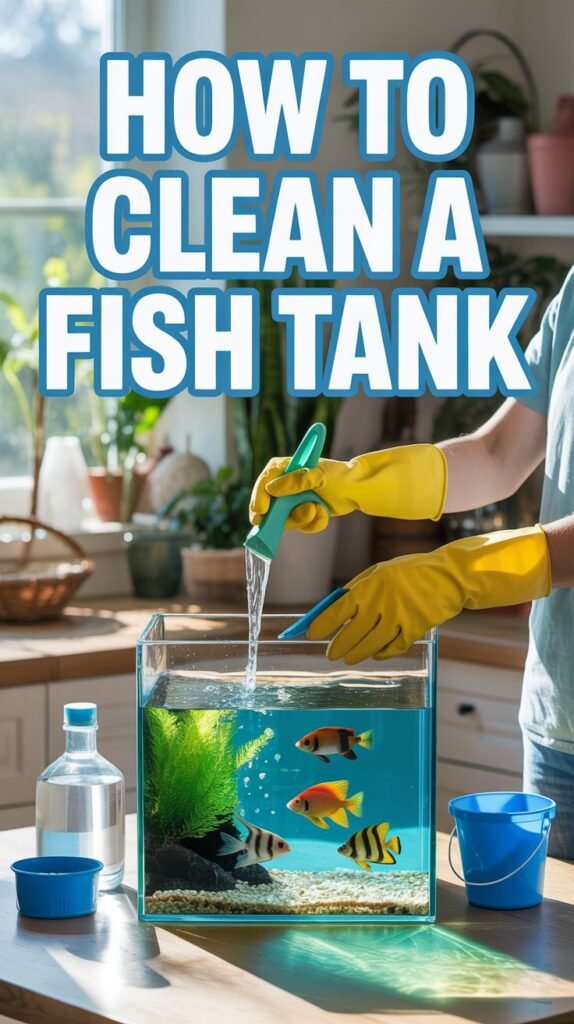
Replace removed water with fresh water that matches the tank’s temperature. Always use water conditioner to remove chlorine and harmful chemicals.
Pour water slowly to avoid disturbing substrate and fish.
Step Seven: Clean the Filter Carefully
Filters should not be over-cleaned. Rinse filter media gently in removed tank water, not tap water.
This preserves beneficial bacteria that help maintain water quality.
Step Eight: Restart Equipment
Once the tank is refilled, turn equipment back on. Ensure the heater is fully submerged before switching it on.
Check that filters are running smoothly.
Table: Fish Tank Cleaning Schedule
| Task | Frequency |
|---|---|
| Glass cleaning | Weekly |
| Gravel vacuuming | Weekly or biweekly |
| Partial water change | Weekly or biweekly |
| Filter media rinse | Monthly |
| Decoration cleaning | As needed |
How to Clean a Fish Tank Without Removing Fish
Fish should remain in the tank during routine cleaning. Removing fish causes unnecessary stress and increases the risk of injury.
Gentle movements and calm handling keep fish comfortable throughout the process.
How to Clean a Small Fish Tank
Small tanks require extra care because water quality changes quickly. Smaller water changes should be done more frequently.
Avoid overfeeding and overstocking to reduce cleaning frequency.
How to Clean a Large Fish Tank
Large aquariums benefit from stable water conditions. Cleaning takes longer but is less frequent.
Using longer siphons and larger buckets improves efficiency.
How to Control Algae Growth Naturally
Algae growth is normal but can be controlled. Avoid placing tanks in direct sunlight and limit lighting duration.
Live plants and algae-eating fish can help maintain balance.
Common Mistakes to Avoid When Cleaning a Fish Tank
One major mistake is cleaning everything at once, which removes beneficial bacteria. Another mistake is using untreated tap water.
Over-cleaning and scrubbing decorations excessively can disrupt the ecosystem.
How Cleaning Affects Fish Health
Regular cleaning reduces stress and disease. Fish become more active and display brighter colors in clean water.
Poor cleaning habits often lead to illness and shortened fish lifespan.
Cleaning a Fish Tank with Live Plants
Live plants require gentle handling. Avoid uprooting plants during gravel cleaning.
Trim dead leaves regularly to prevent decay.
Cleaning After Fish Illness
If fish have been sick, extra care is needed. Partial water changes and light decoration cleaning help remove pathogens.
Do not use harsh disinfectants unless the tank is completely empty.
Long-Term Maintenance Tips
Consistency is key. A regular cleaning schedule prevents major problems and reduces effort over time.
Observation helps detect issues early before they become serious.
Final Thoughts on How to Clean a Fish Tank
Learning how to clean a fish tank properly ensures a healthy environment for fish and a beautiful aquarium for owners. Cleaning does not need to be complicated or stressful when done correctly.
With patience, the right tools, and a consistent routine, fish tank cleaning becomes a simple and rewarding part of aquarium care.
Frequently Asked Questions
How often should I clean my fish tank?
Most tanks need partial cleaning weekly or biweekly depending on size and fish load.
Can I clean a fish tank with fish inside?
Yes, routine cleaning should always be done with fish inside the tank.
Should I remove all water when cleaning?
No, only partial water changes are recommended.
Is tap water safe for fish tanks?
Tap water must be treated with conditioner before use.
How do I clean algae from tank glass?
Use an algae scraper or soft sponge designed for aquariums.
Can over-cleaning harm my fish?
Yes, it can remove beneficial bacteria and disrupt water balance.
Do planted tanks need different cleaning?
Yes, they require gentler cleaning to protect plant roots.