
 By admin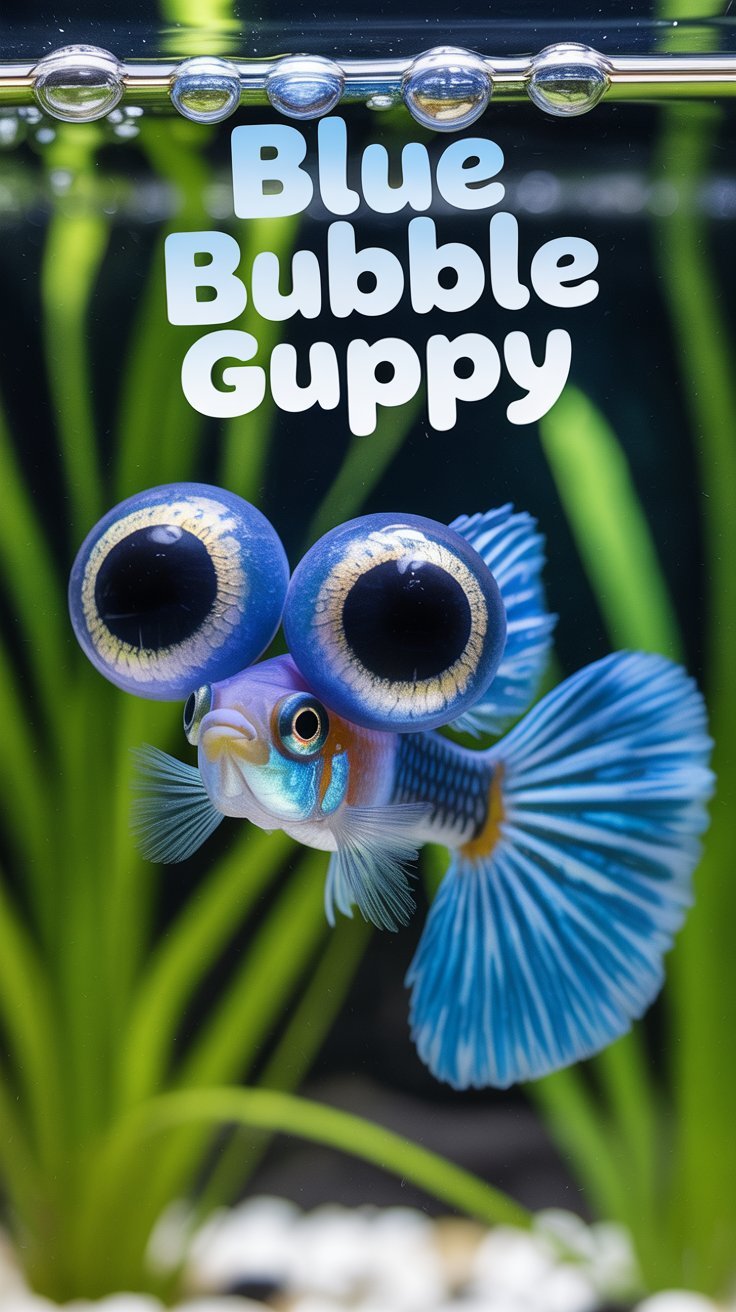
The Blue Bubble Guppy is one of the most eye-catching freshwater ornamental fish in the aquarium hobby. Known for its vibrant blue coloration and distinctive rounded “bubble-like” tail appearance, this guppy variety is highly admired by beginners and professional breeders alike. Whether you are planning your first aquarium or expanding your premium guppy collection, understanding the genetics, care requirements, and breeding techniques of Blue Bubble Guppy will help you maintain healthy and stunning fish.
This comprehensive guide covers everything you need to know about Blue Bubble Guppy types, tank setup, feeding, breeding, health care, compatibility, and common problems. It is written in a clear, professional, and practical style suitable for blog or website publishing.
What Is a Blue Bubble Guppy?
The Blue Bubble Guppy is a selectively bred variety of the species Poecilia reticulata. It is characterized by its rich blue body tones and a rounded, balloon-like tail that appears fuller and more circular compared to standard delta or fan tails. The term “bubble” generally refers to the round and puffy appearance of the caudal fin.
These guppies are bred through controlled line breeding to enhance specific traits such as intense blue pigmentation, symmetrical fins, and a balanced body shape. The result is a fish that looks elegant, vibrant, and highly ornamental.
Physical Characteristics of Blue Bubble Guppy
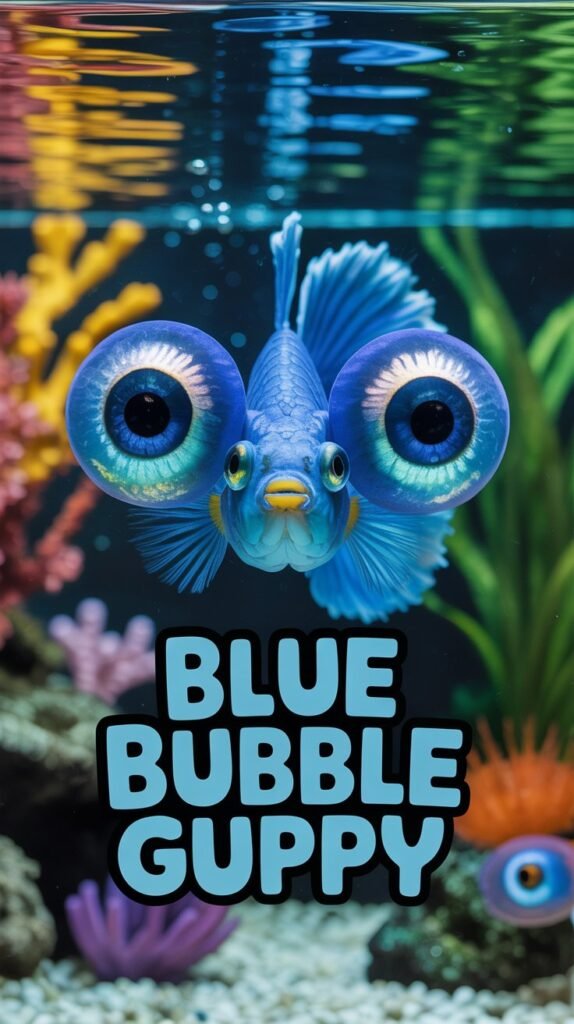
Blue Bubble Guppies are visually striking. Their appearance varies slightly depending on strain and breeder line, but common traits include:
Body Color
The body typically ranges from sky blue to deep metallic royal blue. Some strains show iridescent shimmer under aquarium lighting.
Tail Shape
The tail is rounded and bubble-like, often forming a near-circle when fully extended. It appears thicker and fuller than traditional guppy tails.
Dorsal Fin
The dorsal fin usually matches the tail in color and may also have a rounded edge.
Size
Males grow around 1.5 inches, while females are slightly larger, reaching up to 2.5 inches.
Sexual Dimorphism
Males are brighter and more colorful. Females are larger and comparatively less vibrant but still attractive.
Different Types of Blue Bubble Guppy
Blue Bubble Guppies are not limited to one exact look. Over time, breeders have developed several related variations.
1. Sky Blue Bubble Guppy
This type features a lighter, softer blue shade. Ideal for planted aquariums where the color contrasts beautifully with green plants.
2. Royal Blue Bubble Guppy
Deep metallic blue with intense shine. Often preferred by show breeders.
3. Mosaic Blue Bubble Guppy
Displays blue tones mixed with patterned spots or mosaic-style tail markings.
4. Metallic Blue Bubble Guppy
Has a reflective, almost chrome-like body appearance under strong lighting.
5. Blue Bubble Dumbo Ear Guppy
This variation combines the bubble tail with enlarged pectoral fins, sometimes called elephant ears.
Each type shares the core bubble tail trait but differs in intensity, patterns, or additional fin characteristics.
Natural Origin and Background
Although Blue Bubble Guppies are aquarium-bred, their ancestor species Poecilia reticulata originates from South America, particularly regions of Venezuela, Trinidad, and Guyana. Over decades, hobbyists and commercial breeders selectively enhanced colors and fin shapes, resulting in modern designer guppies like the Blue Bubble strain.
Ideal Tank Setup for Blue Bubble Guppy
Providing the correct environment ensures vibrant color and strong health.
Tank Size
Minimum 10 gallons for a small group. Larger tanks are always better for stability.
Water Parameters
Below is a simple reference table for optimal conditions:
| Parameter | Ideal Range |
|---|---|
| Temperature | 24°C – 28°C |
| pH Level | 6.8 – 7.8 |
| Hardness | Moderate (8 – 12 dGH) |
| Ammonia | 0 ppm |
| Nitrite | 0 ppm |
| Nitrate | Below 20 ppm |
Stable water is more important than chasing exact numbers.
Filtration
Use a gentle sponge filter or low-flow internal filter. Strong current can stress bubble-tailed guppies.
Lighting
Moderate LED lighting enhances blue coloration.
Substrate and Decoration
Fine gravel or sand substrate works well. Add live plants like Java moss, Anubias, and guppy grass to provide hiding spots.
Feeding Blue Bubble Guppy
Proper nutrition enhances color and fin development.
Staple Diet
High-quality guppy flakes or micro pellets.
Protein-Rich Foods
Brine shrimp, daphnia, and bloodworms (live or frozen).
Vegetable Matter
Spirulina-based foods improve color depth.
Feed small amounts twice daily. Avoid overfeeding as it causes water quality issues.
Tank Mates Compatibility
Blue Bubble Guppies are peaceful and community-friendly.
Good tank mates include:
• Other peaceful guppies
• Mollies
• Platies
• Neon tetras
• Corydoras
Avoid aggressive fish such as:
• Large cichlids
• Bettas with territorial behavior
• Fin nippers like tiger barbs
Because of their rounded tail, they are slightly more vulnerable to fin damage.
Breeding Blue Bubble Guppy
Breeding Blue Bubble Guppies is relatively easy.
Male to Female Ratio
Keep one male for every two or three females.
Gestation Period
Approximately 21 to 30 days.
Fry Care
Separate pregnant females into breeding tanks if you want higher fry survival rates. Use floating plants or breeding boxes to protect newborn fry.
Fry Feeding
Feed crushed flakes, baby brine shrimp, or specialized fry food 3 to 4 times daily.
Selective breeding is essential if you want to maintain the bubble tail shape and strong blue coloration.
Common Health Problems
Blue Bubble Guppies are generally hardy, but they can face common aquarium diseases.
Fin Rot
Often caused by poor water quality. Keep water clean and stable.
Ich
White spot disease appears as tiny white grains. Raise temperature slightly and treat promptly.
Swim Bladder Issues
Usually due to overfeeding. Fast fish for 24 hours and improve diet quality.
Regular water changes of 25 percent weekly prevent most issues.
Lifespan of Blue Bubble Guppy
With proper care, Blue Bubble Guppies live 2 to 3 years. Clean water, balanced diet, and stress-free environment extend lifespan significantly.
How to Select High-Quality Blue Bubble Guppy
When purchasing:
• Look for symmetrical tail shape
• Check for vibrant, even blue coloration
• Ensure active swimming behavior
• Avoid fish with clamped fins or dull color
Healthy fish should appear alert and responsive.
Why Blue Bubble Guppy Is Popular
There are several reasons why hobbyists prefer this strain.
Visual Appeal
The rounded bubble tail gives a unique and elegant appearance.
Beginner Friendly
They adapt well to standard community tanks.
Breeding Potential
High reproduction rate allows selective improvement.
Market Value
Premium strains can be profitable for breeders.
Maintaining Color Intensity
To keep the blue color vibrant:
• Use quality lighting
• Feed color-enhancing foods
• Maintain stable temperature
• Avoid overcrowding
Stress causes fading of color, so peaceful conditions are essential.
Differences Between Blue Bubble and Standard Blue Guppy
Standard blue guppies often have delta or fan-shaped tails. The Blue Bubble Guppy stands out because of its rounded, fuller tail. The bubble tail is thicker and appears inflated compared to regular tail structures.
Additionally, bubble strains may require slightly gentler filtration due to heavier fins.
Advanced Breeding Tips for Professionals
For breeders aiming for show-quality Blue Bubble Guppies:
Line breeding helps stabilize tail roundness.
Avoid crossbreeding with non-bubble strains unless creating new hybrids.
Cull weak fry early to maintain strain quality.
Keep detailed breeding records for genetic tracking.
Proper genetic management prevents tail deformities and color dilution.
Creating a Show-Style Aquarium
If you want to highlight Blue Bubble Guppies:
Use dark substrate for contrast.
Add minimal decorations to emphasize fish shape.
Maintain crystal-clear water.
Install background lighting for enhanced metallic shine.
Their blue color looks especially striking against black or deep green backgrounds.
Cost and Availability
Prices vary based on quality and breeder reputation. Standard Blue Bubble Guppies are moderately priced, while high-grade show strains can cost significantly more.
Buying from trusted breeders ensures pure genetics and healthier stock.
Blue Bubble Guppy for Beginners
Even beginners can successfully keep Blue Bubble Guppies if they:
Cycle the aquarium properly before adding fish.
Perform weekly water changes.
Avoid overcrowding.
Feed balanced diet.
Their hardy nature makes them suitable for first-time fish keepers.
Sustainability and Ethical Breeding
Responsible breeding is important.
Avoid extreme inbreeding that causes deformities.
Do not overcrowd tanks.
Provide humane living conditions.
Sell healthy fish only.
Ethical practices protect both the hobby and the fish population.
Conclusion
The Blue Bubble Guppy is a stunning and elegant freshwater fish that combines vibrant blue coloration with a unique rounded tail design. Suitable for beginners and advanced breeders alike, this guppy variety thrives in stable, clean aquariums with proper nutrition and peaceful tank mates. With selective breeding and attentive care, Blue Bubble Guppies can become the highlight of any aquarium.
Whether you are building a decorative planted tank or establishing a breeding line, understanding their needs ensures long-term success and vibrant beauty.
Frequently Asked Questions (FAQ)
What makes Blue Bubble Guppy different from other blue guppies?
The main difference is the rounded bubble-shaped tail. Standard blue guppies usually have fan or delta tails.
How long do Blue Bubble Guppies live?
They typically live 2 to 3 years with proper care and stable water conditions.
Are Blue Bubble Guppies suitable for beginners?
Yes, they are beginner-friendly as long as the tank is properly cycled and maintained.
What size tank is best for Blue Bubble Guppy?
A minimum 10-gallon tank is recommended for a small group.
Can Blue Bubble Guppies live with bettas?
It is not recommended because bettas may attack their large fins.
How often should I feed Blue Bubble Guppy?
Feed small portions twice daily. Avoid overfeeding to maintain water quality.
Do Blue Bubble Guppies need a heater?
Yes, maintaining water temperature between 24°C and 28°C requires a heater in most environments.
How can I improve their blue color?
Provide high-quality food, stable water, proper lighting, and avoid stress.
Are Blue Bubble Guppies profitable for breeding?
High-quality strains can be profitable if selectively bred and sold responsibly.
Do Blue Bubble Guppies require special care compared to other guppies?
They require similar care but benefit from gentle water flow due to their rounded, heavier tail structure.