
 By admin
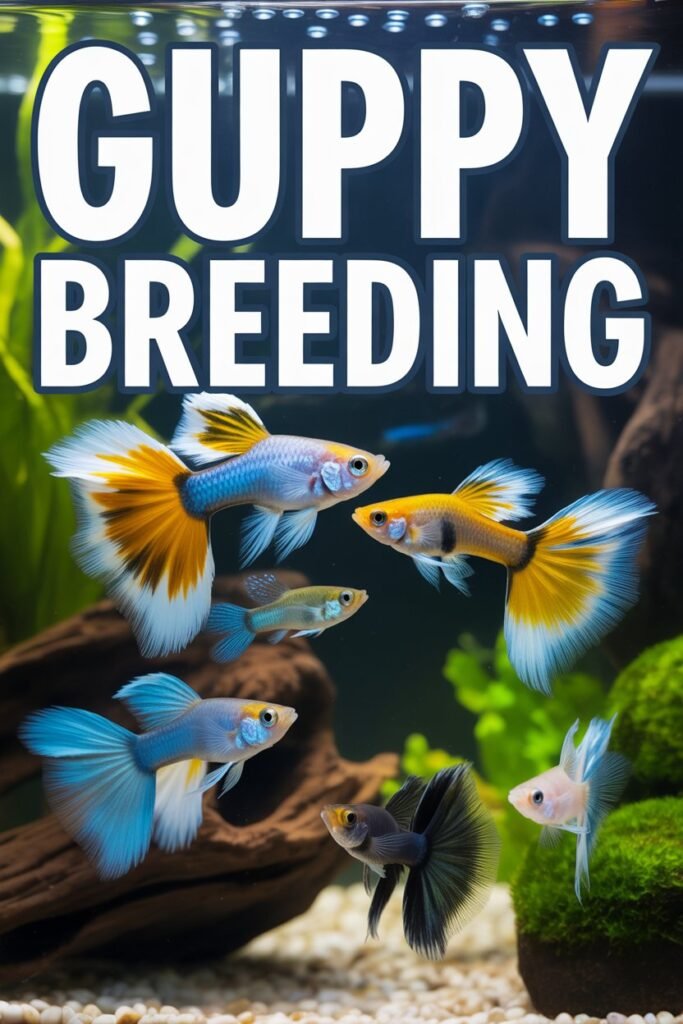
Guppy breeding is one of the easiest and most enjoyable experiences in the aquarium hobby. Guppies are livebearers, meaning they give birth to free-swimming fry instead of laying eggs. With proper care, even beginners can successfully breed guppies and raise healthy fry.
This guide explains everything you need to know about guppy breeding, from setup to fry care.
Why Guppy Breeding Is So Popular
Guppies are ideal for breeding because they are:
- Hardy and adaptable
- Fast breeders
- Colorful and attractive
- Low maintenance
- Suitable for beginners
Because of their rapid reproduction, guppy breeding is also popular for hobbyists who want to sell or selectively breed new color strains.
Male vs Female Guppy Identification
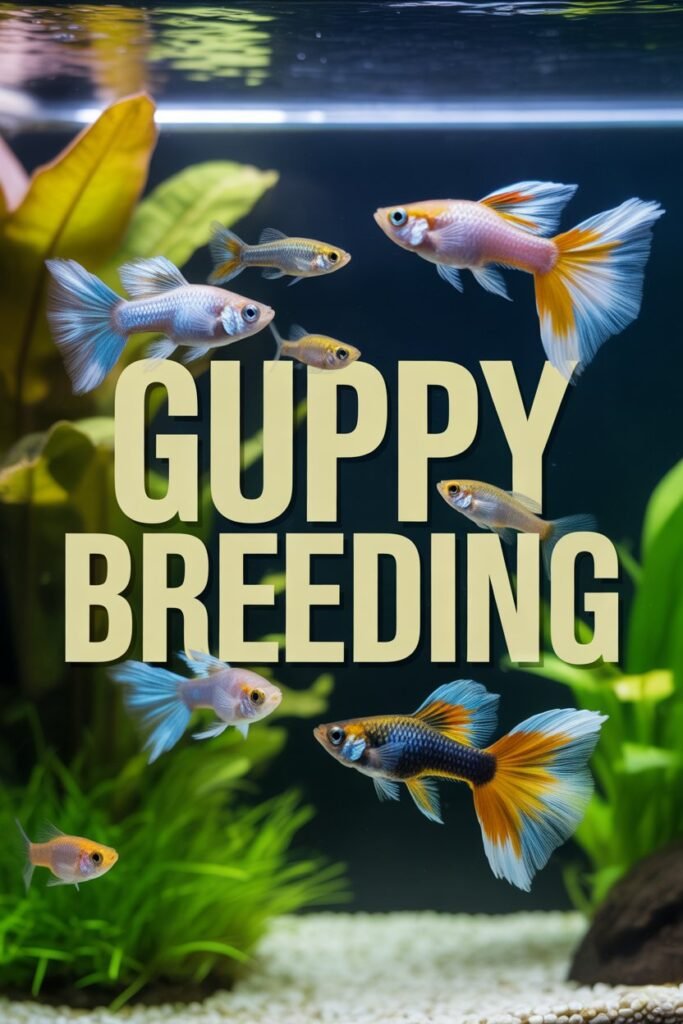
Correct identification is essential for successful guppy breeding.
Male Guppies
- Smaller body size
- Bright, colorful tails
- Gonopodium (pointed anal fin)
Female Guppies
- Larger and rounder body
- Duller colors
- Dark gravid spot near the belly
Ideal Tank Setup for Guppy Breeding
A proper breeding environment increases survival and fry count.
Tank Size
- Minimum 10–15 gallons
- Larger tanks are better for stability
Water Parameters
- Temperature: 24–28°C (75–82°F)
- pH: 6.8–7.8
- Gentle filtration
Plants and Hiding Areas
- Guppy grass
- Java moss
- Hornwort
- Floating plants
Plants protect fry from being eaten by adults.
Male to Female Ratio for Guppy Breeding
The ideal ratio is:
1 male : 2–3 females
This reduces stress on females and increases breeding success.
Guppy Mating and Pregnancy
After mating, female guppies store sperm and can give birth multiple times without re-mating.
Pregnancy Duration
- 21–30 days (depending on temperature)
Signs of a Pregnant Guppy
- Enlarged belly
- Dark gravid spot
- Squared-off abdomen near birth
- Reduced activity before delivery
Guppy Fry Birth and Care
Female guppies give birth to:
- 10–60 fry (sometimes more)
Protecting Fry
- Use dense plants
- Separate pregnant females
- Move fry to a grow-out tank
Fry Feeding
Feed small amounts 3–4 times daily:
- Crushed flakes
- Baby brine shrimp
- Micro worms
- Powdered fry food
Clean water is critical for fry growth.
Common Problems in Guppy Breeding
Fry Being Eaten
Solution: Add more plants or separate fry immediately.
Deformed Fry
Cause: Poor genetics or inbreeding
Solution: Introduce new bloodlines.
Low Fry Survival
Cause: Poor water quality or improper feeding
Solution: Frequent small water changes and proper diet.
Selective Guppy Breeding Tips
For advanced breeders:
- Select healthiest and brightest parents
- Avoid sibling breeding repeatedly
- Track bloodlines
- Separate strains to maintain color purity
Selective guppy breeding helps develop stronger colors, larger tails, and healthier fish.
Outdoor Guppy Breeding
Guppy breeding can also be done outdoors in tubs or ponds in warm climates.
Benefits:
- Faster growth
- Higher fry survival
- Stronger immunity
- Lower maintenance
Outdoor breeding requires protection from predators and temperature changes.
Final Thoughts on Guppy Breeding
Guppy breeding is easy, fun, and rewarding for all experience levels. With clean water, proper feeding, and basic care, guppies will breed naturally and consistently. Whether you breed guppies as a hobby or for profit, success comes from patience and good management.