
 By admin
A river aquarium is one of the most beautiful and realistic aquarium styles you can create. Inspired by the flowing rivers, streams, and freshwater habitats found around the world, a river aquarium recreates natural aquatic environments using rocks, sand, driftwood, live plants, and carefully selected fish species. This type of aquarium not only looks stunning but also provides fish with a habitat that closely resembles their natural surroundings.
Whether you want to mimic an Amazon tributary, an Asian stream, or a mountain river, a river aquarium offers endless possibilities for aquascaping and fishkeeping. With proper planning and maintenance, your river aquarium can become a thriving underwater ecosystem and a captivating centerpiece in your home.
What Is a River Aquarium?
A river aquarium is a freshwater tank designed to replicate the appearance and conditions of a natural river or stream. The layout often includes flowing hardscape elements, natural substrates, and fish species that inhabit river environments.
Common features include:
- Sand or gravel substrate
- Natural rocks
- Driftwood
- Live aquatic plants
- Open swimming areas
- Strong water circulation
The goal is to create a balanced ecosystem that reflects the beauty and functionality of real river habitats.
Why Choose a River Aquarium?
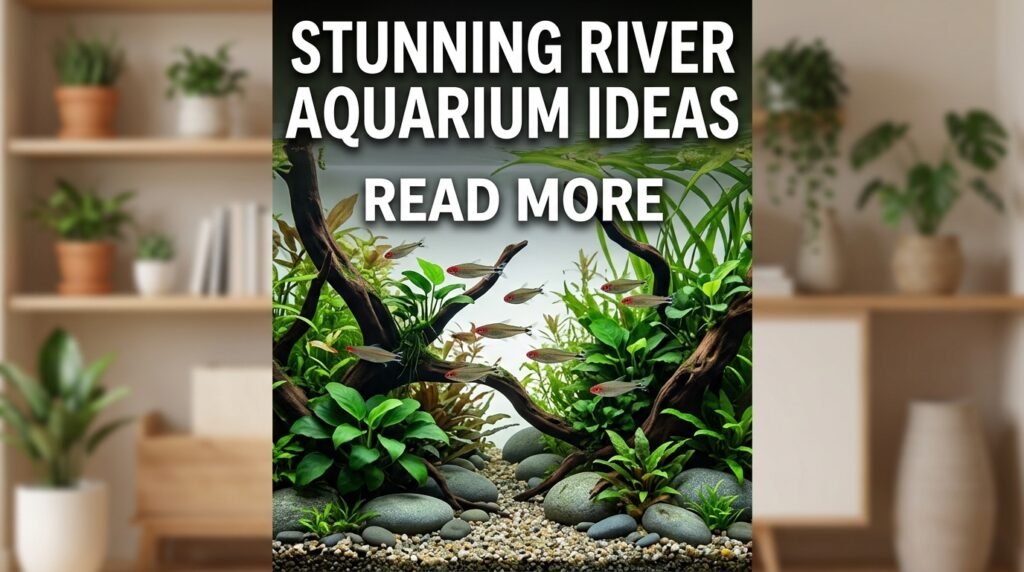
River aquariums have become increasingly popular among aquascaping enthusiasts.
Natural Appearance
The design closely resembles real freshwater environments.
Healthy Habitat for Fish
River fish often thrive when their natural conditions are replicated.
Endless Design Possibilities
Each river aquarium can be completely unique.
Educational Value
A river aquarium helps hobbyists learn about freshwater ecosystems.
Relaxing Atmosphere
The natural layout creates a calming and visually appealing display.
Types of River Aquariums
Tropical River Aquarium
Inspired by warm-water rivers.
Common inhabitants include:
- Tetras
- Angelfish
- Corydoras
- Rasboras
Mountain Stream Aquarium
Replicates cooler, fast-flowing streams.
Features:
- Smooth stones
- Strong current
- Minimal plants
Amazon River Biotope
One of the most popular river aquarium styles.
Includes:
- Driftwood
- Sand substrate
- Tannin-rich water
- South American fish species
Asian River Aquarium
Inspired by rivers found throughout Southeast Asia.
Popular fish include:
- Rasboras
- Gouramis
- Loaches
Planning a River Aquarium
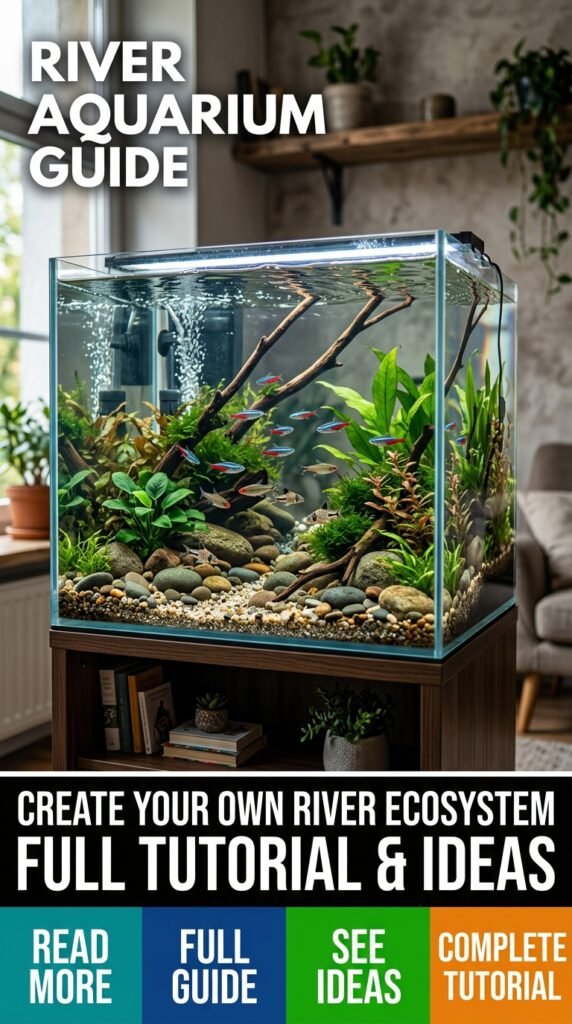
Before setting up the aquarium, decide on:
Tank Size
Larger aquariums provide greater flexibility and stability.
Recommended sizes:
- 20 gallons and above for beginners
- 40 gallons or larger for advanced aquascaping
Theme
Choose a specific river type or region for inspiration.
Fish Selection
Select species that naturally occur in similar environments.
Best Substrate for a River Aquarium
The substrate forms the foundation of the layout.
Sand
A popular choice because many rivers contain sandy bottoms.
Benefits include:
- Natural appearance
- Safe for bottom-dwelling fish
- Easy to shape
Fine Gravel
Suitable for stream-inspired setups.
Mixed Substrate
Combining sand and gravel creates a realistic riverbed.
River Aquarium Hardscape Ideas
Driftwood
Represents fallen branches and submerged tree roots.
Advantages:
- Natural appearance
- Shelter for fish
- Surface for beneficial bacteria
River Stones
Smooth stones are common in natural river environments.
Boulder Arrangements
Create dramatic riverbank and canyon effects.
Root Systems
Large driftwood structures mimic submerged forests.
Hardscape serves as the framework of the aquarium design.
Best Plants for a River Aquarium
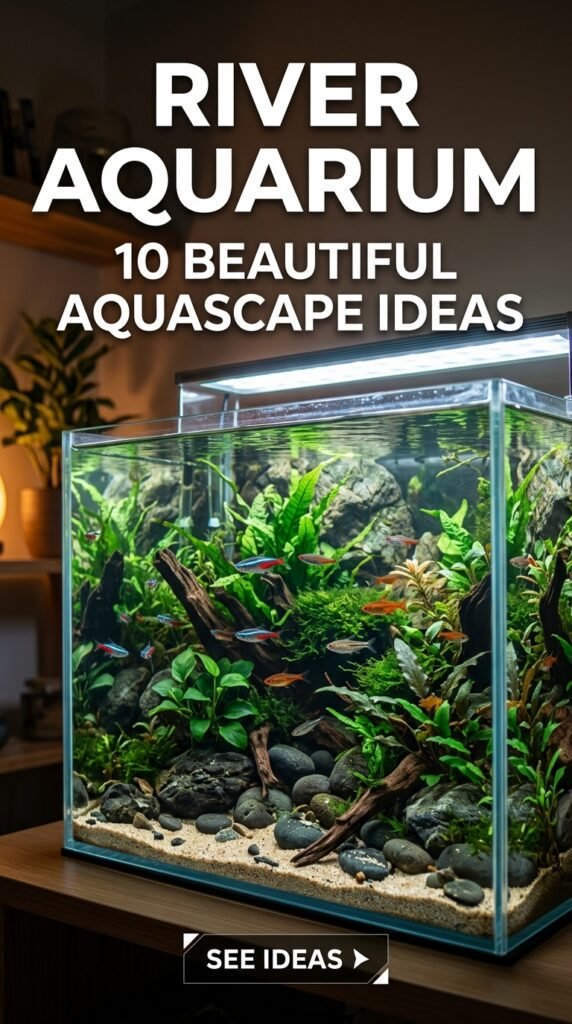
Not all rivers contain dense vegetation, but many support aquatic plants.
Java Fern
Ideal for attaching to rocks and driftwood.
Anubias
Low-maintenance and versatile.
Vallisneria
Creates flowing, river-like movement.
Cryptocoryne
Suitable for natural freshwater layouts.
Water Wisteria
Provides texture and background coverage.
Java Moss
Adds detail to rocks and wood.
River Aquarium Layout Ideas
Winding River Path
Use light-colored sand to create a flowing river channel.
Riverbank Design
Build elevated areas using rocks and plants.
Canyon River Layout
Arrange rocks to resemble river-carved cliffs.
Forest Stream Aquascape
Incorporate driftwood and dense vegetation.
Open Riverbed
Focus on stones, sand, and swimming space.
Water Flow in a River Aquarium
Proper circulation is essential.
Why Water Flow Matters
Benefits include:
- Improved oxygenation
- Waste removal
- Natural fish behavior
Equipment Options
- Powerheads
- Canister filters
- Wave makers
Adjust flow rates according to the needs of your fish species.
Best Fish for a River Aquarium
Neon Tetras
Ideal for tropical river setups.
Cardinal Tetras
Bright schooling fish.
Corydoras Catfish
Peaceful bottom dwellers.
Zebra Danios
Active fish that enjoy moving water.
Rainbowfish
Excellent for larger river aquariums.
Hillstream Loaches
Perfect for stream-style tanks with stronger currents.
Rasboras
Beautiful schooling fish for Asian river themes.
River Aquarium Fish Communities
South American River Community
Includes:
- Tetras
- Corydoras
- Angelfish
- Plecos
Asian River Community
Features:
- Rasboras
- Gouramis
- Loaches
Fast-Flowing Stream Community
Contains:
- Danios
- Hillstream Loaches
- White Cloud Mountain Minnows
Always research compatibility before combining species.
Lighting for a River Aquarium
LED Lighting
The most popular choice.
Advantages:
- Energy efficient
- Adjustable intensity
- Long lifespan
Natural-Looking Illumination
Moderate lighting often works best for river themes.
Planted River Aquariums
Require stronger lighting to support plant growth.
Creating Depth in a River Aquarium
Use Perspective Techniques
Place larger rocks in the foreground and smaller ones in the background.
Sloped Substrate
Raise the substrate toward the rear of the tank.
Layered Planting
Arrange plants by height.
Curved Layouts
Create visual flow that resembles a winding river.
These techniques make the aquarium appear larger and more realistic.
Maintenance of a River Aquarium
Weekly Water Changes
Replace 20% to 30% of the water.
Clean Filter Equipment
Maintain efficient water flow.
Trim Plants
Prevent excessive growth.
Remove Debris
Keep the riverbed clean.
Test Water Parameters
Monitor:
- pH
- Ammonia
- Nitrite
- Nitrate
Consistent maintenance ensures long-term success.
Common River Aquarium Mistakes
Overcrowding
Too many fish can disrupt the natural appearance.
Excessive Decorations
Keep the layout simple and realistic.
Poor Water Flow
River fish often require adequate circulation.
Incompatible Species
Choose fish with similar environmental requirements.
Ignoring Maintenance
Routine care is crucial for ecosystem stability.
Benefits of a River Aquarium
- Natural appearance
- Healthy fish environment
- Endless aquascaping opportunities
- Educational value
- Relaxing visual effect
- Enhanced fish behavior
These advantages make river aquariums a favorite among hobbyists.
Conclusion
A river aquarium captures the beauty and tranquility of natural freshwater waterways while providing fish with a comfortable and enriching habitat. By combining natural substrates, driftwood, rocks, live plants, and appropriate fish species, you can create a stunning aquatic display that reflects the charm of real rivers and streams.
Whether you choose a tropical Amazon-inspired setup, an Asian river ecosystem, or a fast-flowing mountain stream design, a river aquarium offers endless opportunities for creativity and enjoyment. With proper planning, maintenance, and attention to detail, your river aquarium can become a thriving underwater masterpiece.
Frequently Asked Questions
What is a river aquarium?
A river aquarium is a freshwater aquarium designed to replicate the appearance and conditions of natural rivers or streams.
Which fish are best for river aquariums?
Neon tetras, rasboras, corydoras, rainbowfish, danios, and hillstream loaches are popular choices.
Do river aquariums need strong water flow?
Many river fish benefit from moderate to strong water movement, depending on the species.
What substrate is best for a river aquarium?
Sand, fine gravel, or a combination of both creates a realistic riverbed appearance.
Can live plants be used in river aquariums?
Yes. Plants such as Java Fern, Anubias, Vallisneria, and Cryptocoryne work well.
How often should a river aquarium be maintained?
Weekly water changes and routine equipment maintenance are recommended for optimal health and appearance.