
 By admin
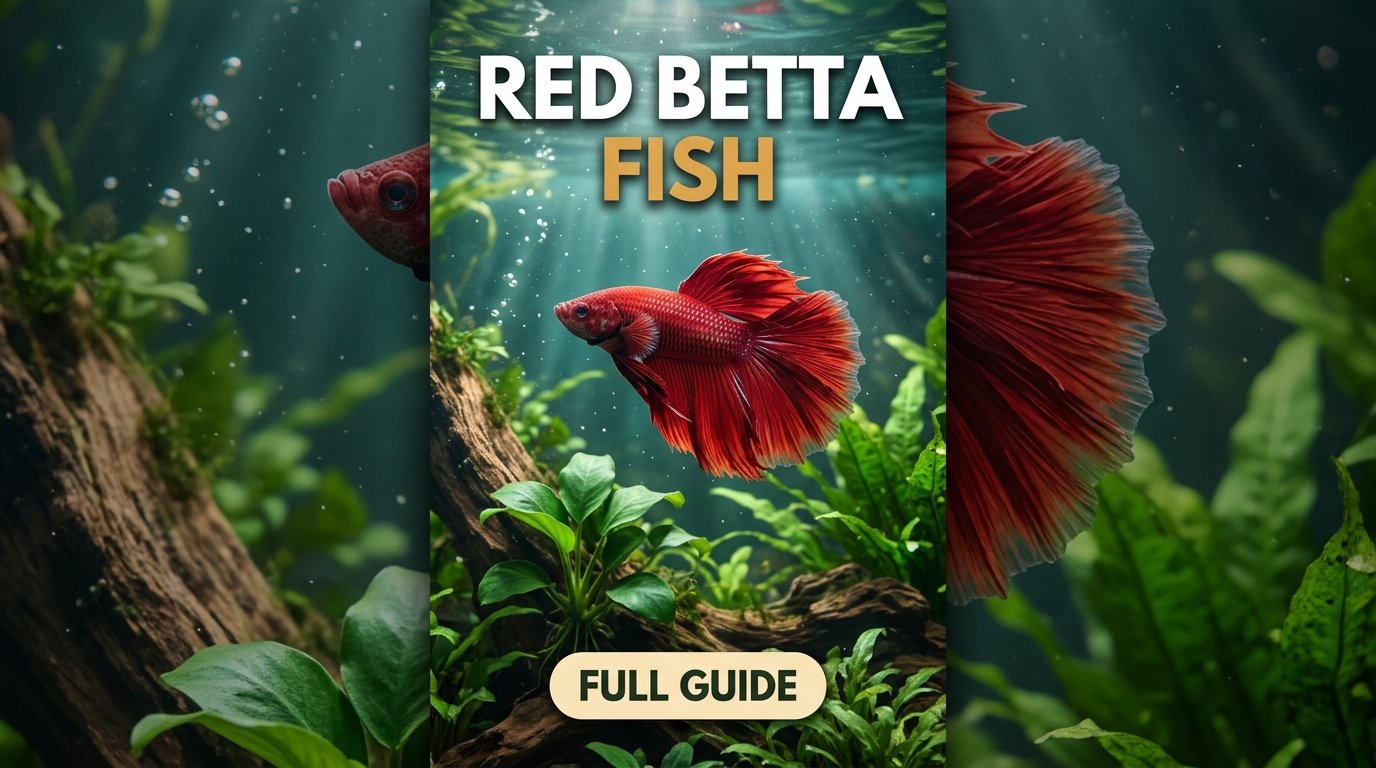
A red betta fish is one of the most eye-catching freshwater aquarium fish because of its vibrant red body, flowing fins, and graceful swimming movements. Red bettas are available in several shades, including bright cherry red, deep crimson, blood red, and red with contrasting blue, white, or black patterns. Their striking appearance makes them a popular choice for both beginner and experienced aquarium enthusiasts.
Although red betta fish are known for their beauty, they also need proper care, a suitable aquarium, clean water, and a balanced diet. A well-maintained tank helps preserve their color, supports healthy fin development, and gives them a comfortable environment. Whether you are planning to buy your first betta or improve an existing aquarium, understanding their needs is essential.
What Is a Red Betta Fish?
A red betta fish is a color variety of the Siamese fighting fish, scientifically known as Betta splendens. It is not a separate species. Instead, red is one of the many colors produced through selective breeding.
Red bettas are especially popular because their color can range from a bright, almost orange-red shade to a deep, rich crimson. Some have completely red bodies and fins, while others display different colors around their face, tail, or body.
Male red bettas generally have longer and more dramatic fins than females, although the appearance depends on the individual variety. Females usually have shorter fins and a slightly different body shape.
Bettas are labyrinth fish, meaning they can breathe air from the water’s surface using a special organ called the labyrinth organ. However, this does not mean they can live in dirty water or tiny containers. They still require a properly filtered and heated aquarium.
Different Types of Red Betta Fish
Red bettas come in several varieties. Their differences are mainly related to color patterns, fin shapes, and breeding characteristics.
1. Solid Red Betta Fish
A solid red betta has a predominantly red body, fins, and tail. The color may appear bright and vibrant under aquarium lighting. Some solid red varieties have a uniform shade, while others show slightly darker or lighter areas.
<PRIVATE_PERSON>Solid red bettas are a popular option for aquariums with dark backgrounds because their bright appearance stands out beautifully.</PRIVATE_PERSON>
2. Halfmoon Red Betta Fish
The halfmoon red betta is known for its impressive tail, which can spread to approximately 180 degrees when fully displayed. Its wide tail creates a semicircular shape that looks like a half moon.
This variety is especially attractive in planted aquariums with open swimming areas. However, its large fins can make swimming more demanding, so gentle water flow is important.
3. Crown Tail Red Betta Fish
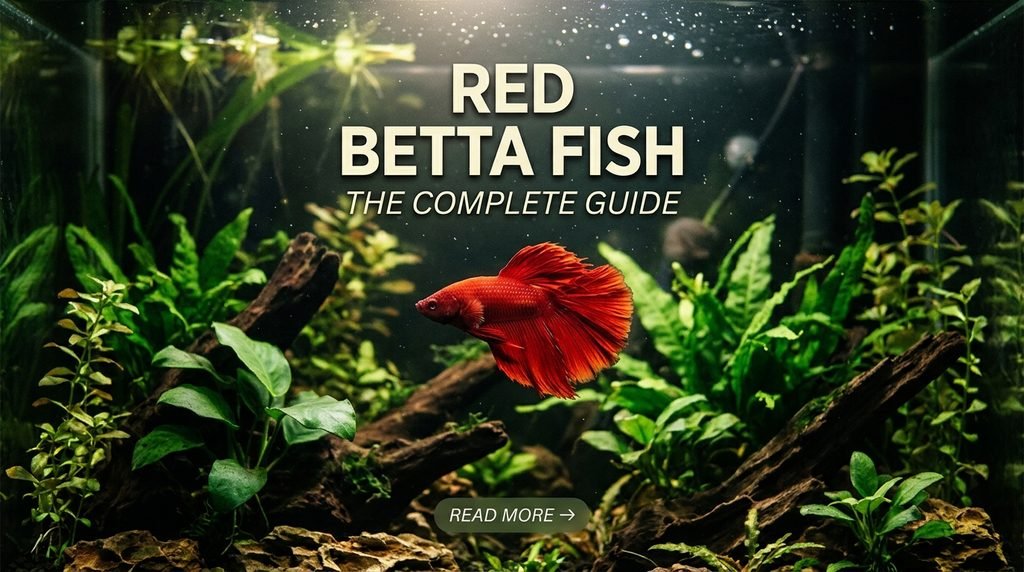
Crown tail bettas have distinctive fin rays that extend beyond the webbing, creating a spiky appearance. When the fish spreads its tail, it can resemble a small crown.
Red crown tail bettas are particularly striking because their pointed fins create a dramatic contrast against their colorful body.
4. Plakat Red Betta Fish
Plakat bettas have short fins and a more compact appearance. Unlike long-finned varieties, they are generally stronger swimmers and can move around the aquarium more easily.
A red plakat betta is a good choice for people who prefer an active fish with a bold appearance.
5. Veil Tail Red Betta Fish
The veil tail is one of the most familiar betta varieties. It has a long, flowing tail that curves downward and creates an elegant appearance while swimming.
Red veil tail bettas are widely available and can be attractive additions to suitable individual aquariums.
6. Red and Blue Betta Fish
Red and blue bettas have a combination of two strong colors. Some have a red body with blue fins, while others display blue and red patches across their entire body.
The contrast between these colors makes each fish visually unique.
7. Red Dragon Betta Fish
Red dragon bettas are bred for a distinctive appearance that may include a thick, pale or metallic-looking scale pattern combined with red coloration. Their exact appearance varies between individual fish and breeding lines.
Male vs. Female Red Betta Fish
Male and female red bettas can both have beautiful colors, but they often differ in body shape, fin length, and behavior.
| Feature | Male Red Betta | Female Red Betta |
|---|---|---|
| Fin length | Often long and flowing | Usually shorter |
| Body shape | Often more slender | Often slightly fuller |
| Color | Frequently vibrant | Can also be very vibrant |
| Behavior | May be territorial | Can also be territorial |
| Swimming | Depends on fin type | Often more agile |
| Availability | Widely available | Widely available |
Male bettas are often chosen for their dramatic fins, but female bettas can be equally colorful. The best choice depends on personal preference and the aquarium setup.
How to Set Up a Red Betta Fish Tank
A suitable aquarium is one of the most important parts of keeping a healthy red betta fish. Although bettas are sometimes sold in small cups, these containers are not appropriate permanent homes.
A larger, properly maintained aquarium provides more stable water conditions and enough space for swimming and exploring.
Recommended Tank Size
A tank of at least 5 gallons is a practical starting point for one betta fish. A 10-gallon aquarium provides even more room for plants, decorations, and stable water conditions.
| Tank Size | Suitability | Notes |
|---|---|---|
| 2 gallons | Not recommended | Water conditions can change quickly |
| 5 gallons | Good starting size | Suitable for one betta with proper maintenance |
| 10 gallons | Excellent | More swimming space and stability |
| 15 gallons | Very good | Allows a larger planted layout |
A larger tank does not automatically mean less maintenance, but it generally makes it easier to maintain stable water conditions.
Choose a Suitable Aquarium Shape
A rectangular aquarium is usually a good choice because it offers horizontal swimming space and a larger surface area for air exchange.
Avoid extremely tall, narrow tanks that provide limited swimming space. Bettas regularly visit the surface, so they should have easy access to it.
Install a Gentle Filter
A filter helps remove waste and supports beneficial bacteria that break down harmful substances. However, red betta fish do not need strong currents.
A sponge filter or adjustable low-flow filter is often a suitable choice. If the current pushes the fish around or makes swimming difficult, reduce the flow or change the filter arrangement.
Maintain a Heater
Bettas are tropical fish and generally do best in warm, stable water. A temperature range of approximately 76–82°F (24–28°C) is suitable for many domestic bettas.
A reliable aquarium heater and thermometer can help maintain consistent temperatures. Avoid placing the aquarium near cold windows, air conditioners, or direct heat sources.
Add a Secure Lid
Bettas can jump out of aquariums, especially when startled or exploring. A secure lid helps prevent accidental escapes.
Leave enough space between the water surface and lid for normal air breathing.
Best Aquarium Decorations for Red Betta Fish
Decorations can make a red betta aquarium look attractive while providing hiding places and resting areas. However, every decoration should be safe for delicate fins.
Natural Aquascaping
A natural aquascape can create a beautiful environment for a red betta. Smooth stones, aquarium-safe driftwood, and live plants can create a peaceful underwater landscape.
Dark substrate can make bright red coloration stand out, while green plants provide a natural contrast.
Live Aquarium Plants
Live plants are useful because they provide cover, resting places, and a more natural environment.
Some suitable options include:
- Anubias
- Java fern
- Java moss
- Amazon sword
- Cryptocoryne
- Water sprite
- Floating plants such as frogbit
Choose plants according to your aquarium lighting and maintenance routine. Leave open swimming areas so the fish does not have to navigate through dense vegetation.
Betta Hammocks and Resting Leaves
Betta hammocks and broad plant leaves can provide resting places near the water surface. Bettas sometimes rest on leaves when they become tired.
Make sure artificial accessories have smooth edges and do not contain sharp plastic parts.
Safe Aquarium Caves
Small caves can provide hiding places and make the aquarium more interesting. Select caves with wide openings and smooth surfaces.
Avoid decorations with narrow gaps where a betta could become trapped.
Best Water Conditions for a Red Betta Fish
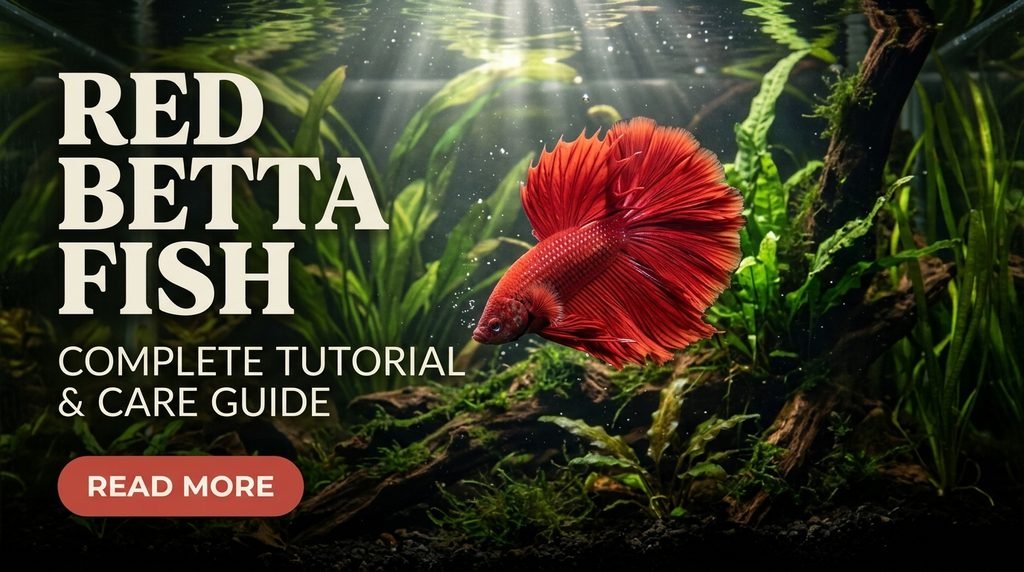
Clean and stable water is essential for maintaining a healthy red betta. Poor water quality can cause stress, fin damage, loss of appetite, and disease.
The following parameters are useful general targets:
| Water Parameter | Recommended Range |
|---|---|
| Temperature | 76–82°F (24–28°C) |
| pH | Approximately 6.5–7.5 |
| Ammonia | 0 ppm |
| Nitrite | 0 ppm |
| Nitrate | Preferably below 20 ppm |
| Water flow | Gentle |
Consistency is more important than constantly adjusting the water to reach one exact pH number. Avoid sudden changes in temperature or water chemistry.
Cycle the Aquarium Before Adding Fish
A new aquarium should go through the nitrogen cycle before a betta is introduced. During this process, beneficial bacteria establish themselves in the filter and convert toxic ammonia into nitrite and then nitrate.
Use an aquarium test kit to confirm that ammonia and nitrite are at zero. Adding a fish to an uncycled aquarium can expose it to dangerous waste levels.
Perform Regular Water Changes
Water changes help remove accumulated waste and keep nitrate levels under control.
For a properly filtered aquarium, a partial water change of around 20–30% weekly is a useful starting routine. The exact schedule should depend on tank size, stocking, feeding, and water test results.
Always use a suitable water conditioner when adding tap water. Match the replacement water temperature as closely as possible to the aquarium.
What Do Red Betta Fish Eat?
Red betta fish are carnivorous and need a diet rich in animal-based protein. High-quality betta pellets are a convenient daily food, but variety can improve their nutritional intake.
Suitable foods include:
- High-quality betta pellets
- Frozen bloodworms as an occasional treat
- Frozen or live brine shrimp
- Daphnia
- Mysis shrimp
- Suitable insect-based betta foods
Feed small portions that the fish can finish quickly. The correct amount depends on pellet size and the fish’s appetite. Avoid overfeeding because leftover food can pollute the aquarium.
A varied diet is helpful, but treats should not replace a complete staple food.
How to Keep a Red Betta Fish Bright and Healthy
A red betta’s appearance can be influenced by genetics, nutrition, stress, age, and water quality. Although some color changes occur naturally, good care helps the fish maintain its best condition.
Provide a Balanced Diet
Protein-rich food supports normal growth and overall health. Feeding a high-quality staple diet and occasional suitable treats can help maintain body condition.
Maintain Stable Water Conditions
Poor water quality is a common cause of stress. Test the aquarium regularly and keep ammonia and nitrite at zero.
Avoid Excessive Stress
Constant tapping on the glass, sudden lighting changes, aggressive tankmates, and strong currents can stress a betta.
Give the fish places to hide and a calm environment with a predictable day-and-night lighting schedule.
Use Suitable Aquarium Lighting
Moderate lighting makes red coloration easier to appreciate and supports live plant growth. Around 6–8 hours of aquarium lighting per day is a reasonable starting point for many planted betta tanks.
Avoid leaving the aquarium light on all night. Fish benefit from a regular dark period.
Can Red Betta Fish Live With Other Fish?
Male bettas are known for territorial behavior, especially toward other male bettas and fish with similar long fins or bright colors. Keeping two male bettas together is generally not recommended.
A single betta can sometimes live with carefully selected peaceful tankmates in a sufficiently large, established aquarium. However, compatibility is never guaranteed.
Potential tankmates may include certain small, peaceful species, such as:
- Corydoras catfish
- Small rasboras
- Some peaceful snails
- Suitable freshwater shrimp, although a betta may eat them
The aquarium should have enough space, hiding places, and suitable water conditions for every animal. Avoid fin-nipping fish and aggressive species.
A separate aquarium is the safest option if the betta repeatedly chases, attacks, or stresses its tankmates.
Common Health Problems in Red Betta Fish
Like other aquarium fish, red bettas can develop health problems when water quality, diet, or living conditions are poor.
Fin Rot
Fin rot can cause the edges of the fins to deteriorate. Damaged fins may look ragged, shortened, or discolored.
Maintain excellent water quality and investigate the cause of the damage. Severe cases may require appropriate treatment.
Ich
Ich is a parasitic disease that commonly appears as small white spots on the body and fins. Infected fish may rub against decorations or show reduced activity.
Ich requires prompt treatment with an appropriate aquarium medication. Follow the product instructions carefully and consider the needs of any tankmates.
Swim Bladder Problems
A betta with buoyancy problems may struggle to maintain its normal swimming position. Possible causes include digestive issues, injury, infection, or poor water conditions.
Check water parameters first and avoid excessive feeding. Persistent symptoms should be assessed by an aquatic veterinarian or experienced fish health professional.
Loss of Color
A red betta may become pale or develop uneven coloration because of stress, illness, aging, or natural color changes.
Check temperature, ammonia, nitrite, nitrate, and general behavior. A sudden color change accompanied by lethargy or appetite loss should not be ignored.
How Much Does a Red Betta Fish Cost?
The price of a red betta depends on its variety, fin type, color quality, breeding line, and location.
Common red veil tail and plakat bettas are often less expensive than unusual or selectively bred varieties. Halfmoon, dragon-scale, and show-quality fish may cost more.
When buying a red betta, do not choose based only on color or price. Look for a fish that swims normally, responds to its surroundings, and has no obvious injuries, white spots, or severe fin damage.
A healthy aquarium setup may cost more initially than the fish itself, but it is essential for long-term care.
How Long Do Red Betta Fish Live?
With suitable care, many domestic bettas live approximately 2–5 years, although individual lifespans vary.
Genetics, water quality, diet, stress, and disease prevention all influence their lifespan. A properly maintained aquarium gives a betta a much better chance of living a healthy life.
Older bettas may become less active, and their colors or fins may change over time. Regular observation helps you recognize unusual changes early.
Is a Red Betta Fish Good for Beginners?
Yes, a red betta can be a suitable fish for beginners who are willing to learn basic aquarium maintenance.
Bettas are relatively small, do not require a huge aquarium, and have interesting personalities. However, they are not maintenance-free pets.
Beginners should understand the nitrogen cycle, use a heater and gentle filter, test water regularly, and provide a suitable diet. Starting with a properly cycled 5- or 10-gallon aquarium is much better than keeping a betta in a small decorative bowl.
Frequently Asked Questions About Red Betta Fish
Are red betta fish rare?
No. Red is one of the common betta colors, although certain shades, patterns, and fin varieties may be less common. Deep crimson and unusual red combinations can be harder to find than standard red varieties.
Why is my red betta fish turning pale?
A red betta may become pale because of stress, poor water quality, illness, aging, or natural color changes. Check the aquarium temperature and water parameters, and observe whether the fish is eating and swimming normally.
Do red betta fish need a heater?
Yes, in most homes a heater is recommended because bettas are tropical fish. Maintaining a stable temperature around 76–82°F (24–28°C) helps support their normal activity and health.
Can two red betta fish live together?
Two male bettas should not be housed together because they may fight and seriously injure each other. Keeping males and females together permanently is also not recommended for ordinary community aquariums.
What size tank does a red betta need?
A 5-gallon aquarium is a practical minimum starting point for one betta. A 10-gallon tank provides additional swimming space and generally allows more stable water conditions.
Are red betta fish aggressive?
Bettas can be territorial, especially toward other bettas. Individual personalities differ, but careful tankmate selection is important.
Can red betta fish eat bloodworms?
Yes. Bloodworms can be offered as an occasional treat, preferably in suitable frozen or properly prepared forms. They should not replace a complete betta diet.
How can I make my red betta fish more colorful?
Provide high-quality food, stable warm water, low-stress surroundings, and a clean aquarium. Genetics also play an important role, so care cannot guarantee a particular shade or intensity of red.
Do red betta fish need live plants?
Live plants are not essential, but they can improve the aquarium environment by providing cover and resting places. Choose soft, aquarium-safe plants and leave enough open space for swimming.
Can a red betta fish live in a bowl?
A small bowl is not a suitable permanent home. It offers limited swimming space and makes it difficult to maintain stable temperature and water quality. A filtered and heated aquarium is a much better option.
Final Thoughts
A red betta fish is a beautiful freshwater fish that can bring vibrant color and personality to a home aquarium. From solid red and halfmoon varieties to crown tail and plakat types, there are many options for aquarium enthusiasts.
The key to keeping a healthy red betta is providing a properly sized aquarium, stable warm water, gentle filtration, suitable food, and regular maintenance. With a comfortable environment and consistent care, a red betta can remain an attractive and active aquarium companion for years.