
 By admin
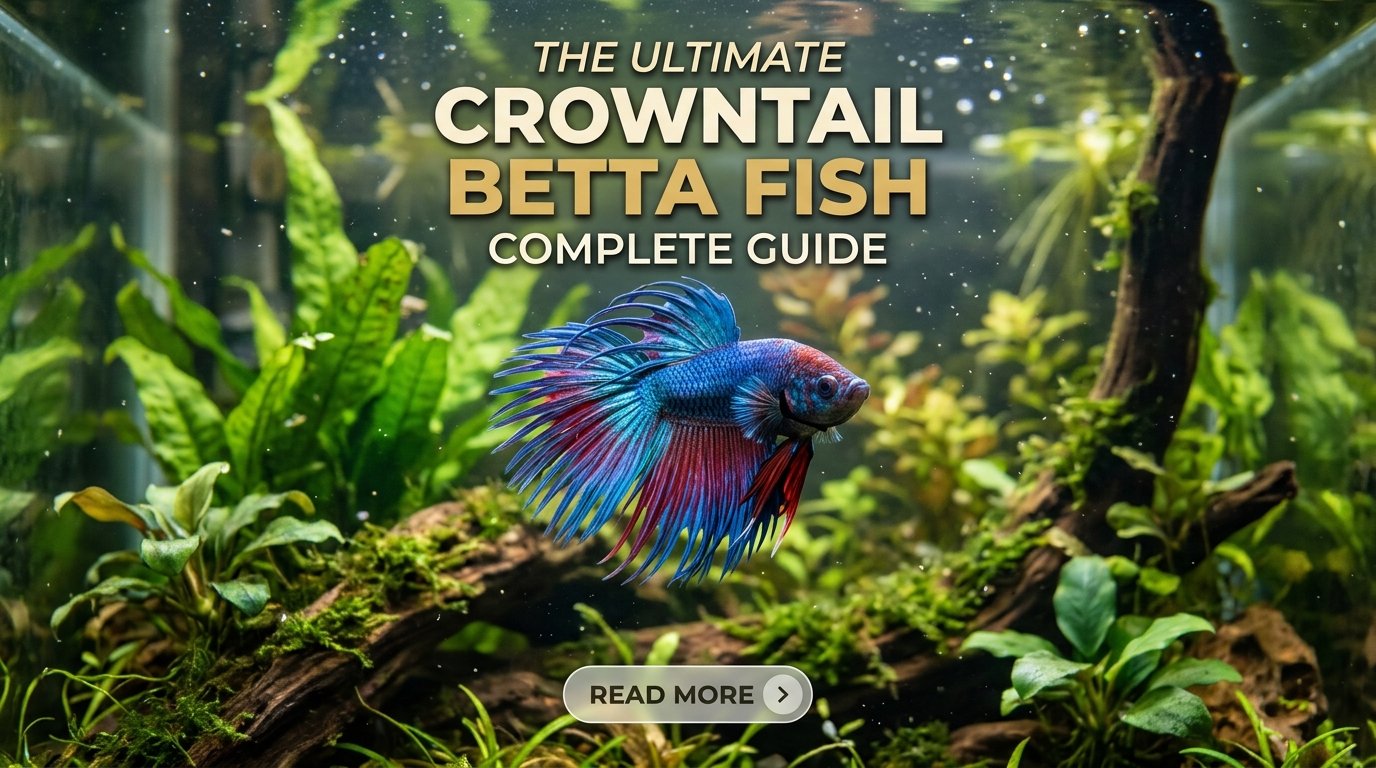
A crowntail betta fish is one of the most recognizable and attractive varieties of betta fish. It is famous for its spiky fins, extended fin rays, and crown-like tail that creates a dramatic appearance when the fish spreads its fins. Available in colors such as red, blue, white, black, and multicolor combinations, the crowntail betta is a popular choice among freshwater aquarium enthusiasts.
Although its unusual fins make it look delicate, a crowntail betta can be a healthy and active aquarium fish when given the right environment. It needs clean, warm water, a suitable aquarium, gentle filtration, and a balanced diet. Understanding its specific care requirements is important because its extended fin rays can be damaged by rough decorations and unsuitable tank conditions.
Whether you are buying your first betta or adding a new variety to your aquarium, this guide explains everything you need to know about crowntail betta fish, including their appearance, behavior, feeding, tank setup, health, and lifespan.
What Is a Crowntail Betta Fish?
A crowntail betta is a selectively bred variety of the Siamese fighting fish, scientifically known as Betta splendens. It is not a separate species. Its most distinctive feature is the reduced webbing between the fin rays, which makes the rays extend outward and creates a spiky appearance.
When a crowntail betta spreads its tail, the extended rays can resemble the points of a crown. This unusual fin structure makes it different from varieties such as halfmoon, veiltail, and plakat bettas.
Crowntail bettas are available in many colors and patterns. Some have a single solid color, while others display combinations of red, blue, white, black, or metallic shades.
Male crowntails generally have longer and more noticeable fins, while females usually have shorter fins and a less dramatic appearance. Both can be colorful and interesting aquarium fish.
What Makes Crowntail Betta Fish Special?
The main attraction of a crowntail betta is its distinctive fin structure. Unlike bettas with broad, rounded tails, crowntails have visible spaces between their extended fin rays.
Several features make this variety popular:
- Crown-like fins: The extended rays create a spiky tail.
- Color variety: Crowntails come in numerous colors and patterns.
- Unique swimming style: Their fins create a distinctive appearance as they move.
- Individual personality: Many are curious and responsive to their surroundings.
- Compact size: They can live comfortably in a properly maintained aquarium of suitable size.
Their appearance makes them especially attractive in aquariums with dark backgrounds, natural plants, and simple decorations.
Different Colors of Crowntail Betta Fish
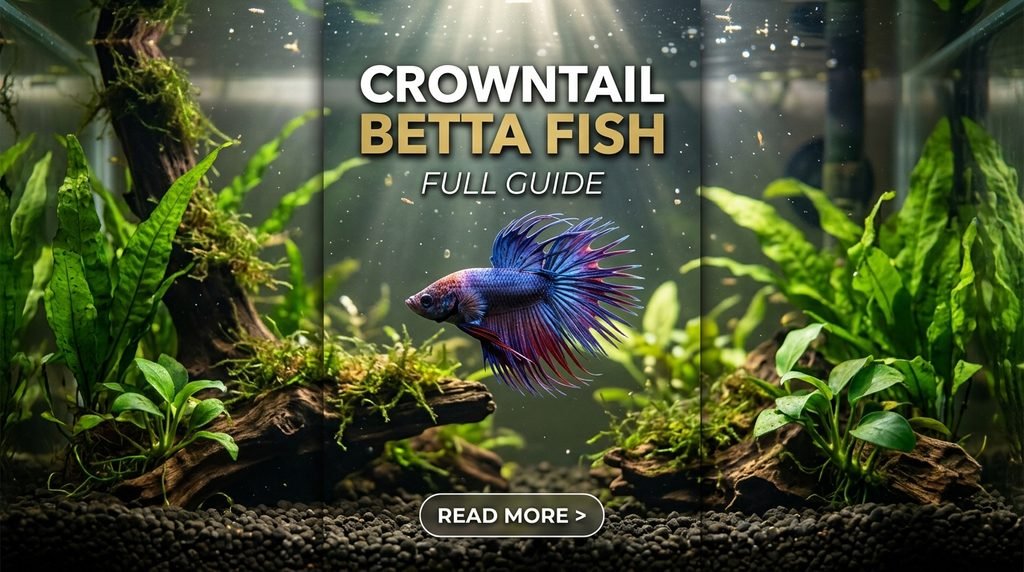
Crowntail bettas are available in many beautiful colors. Their fin shape remains the defining characteristic, while coloration varies according to genetics and selective breeding.
1. Red Crowntail Betta Fish
A red crowntail betta has a vibrant red body and spiky fins. Its color can range from bright cherry red to deep crimson. Some fish have a consistent red appearance, while others display darker shades around the fin rays.
Red crowntails look particularly striking against green aquarium plants and dark substrate.
2. Blue Crowntail Betta Fish
Blue crowntail bettas are popular because of their metallic-looking scales and dramatic fins. Depending on the individual fish, the blue color may appear turquoise, royal blue, or dark navy.
Under suitable aquarium lighting, their scales can reflect light and create a shimmering effect.
3. White Crowntail Betta Fish
White crowntail bettas have pale bodies and fins that can appear almost transparent under certain lighting conditions. Some develop a soft cream or pearl-like appearance.
Their light coloration looks beautiful in natural aquascapes with dark stones and green plants.
4. Black Crowntail Betta Fish
Black crowntail bettas have deep, dark coloration that makes their extended fin rays especially noticeable. Some have completely dark bodies, while others show subtle metallic or blue highlights.
A black crowntail can create a dramatic focal point in a simple aquarium design.
5. Yellow Crowntail Betta Fish
Yellow crowntail bettas display bright golden, lemon, or pale yellow coloration. Their unusual color makes them an attractive option for people who want something different from traditional red and blue varieties.
6. Multicolor Crowntail Betta Fish
Multicolor crowntails combine several shades across the body and fins. They may have red and blue patterns, white and red sections, or metallic highlights.
Because each fish has a different pattern, multicolor varieties can look especially distinctive.
Male vs. Female Crowntail Betta Fish
Male and female crowntail bettas share the same basic fin structure, but their appearance can differ.
| Feature | Male Crowntail | Female Crowntail |
|---|---|---|
| Fin length | Usually longer | Usually shorter |
| Tail appearance | Often more dramatic | Generally less extended |
| Body shape | Often slender | Often slightly fuller |
| Color | Frequently vibrant | Can also be vibrant |
| Behavior | May be territorial | May also show territorial behavior |
| Availability | Common in aquarium stores | Available but sometimes less common |
Male crowntails are often selected for their dramatic fins, but female crowntails can be equally attractive. Both require appropriate aquarium care.
Best Tank Size for a Crowntail Betta Fish
A suitable aquarium is essential for keeping a crowntail betta healthy. Small cups and decorative bowls are not appropriate permanent homes because they provide limited space and make it difficult to maintain stable water conditions.
A tank of at least 5 gallons is a practical starting point for one crowntail betta. A 10-gallon aquarium provides additional swimming space and makes it easier to create a natural environment.
| Aquarium Size | Suitability | Main Benefit |
|---|---|---|
| 2 gallons | Not recommended | Limited space and unstable water |
| 5 gallons | Good starting size | Suitable for one betta with proper care |
| 10 gallons | Excellent | More swimming space and stability |
| 15 gallons | Very good | Room for a larger planted layout |
A rectangular aquarium is generally a good option because it provides useful horizontal swimming space and easy access to the water surface.
How to Set Up a Crowntail Betta Aquarium
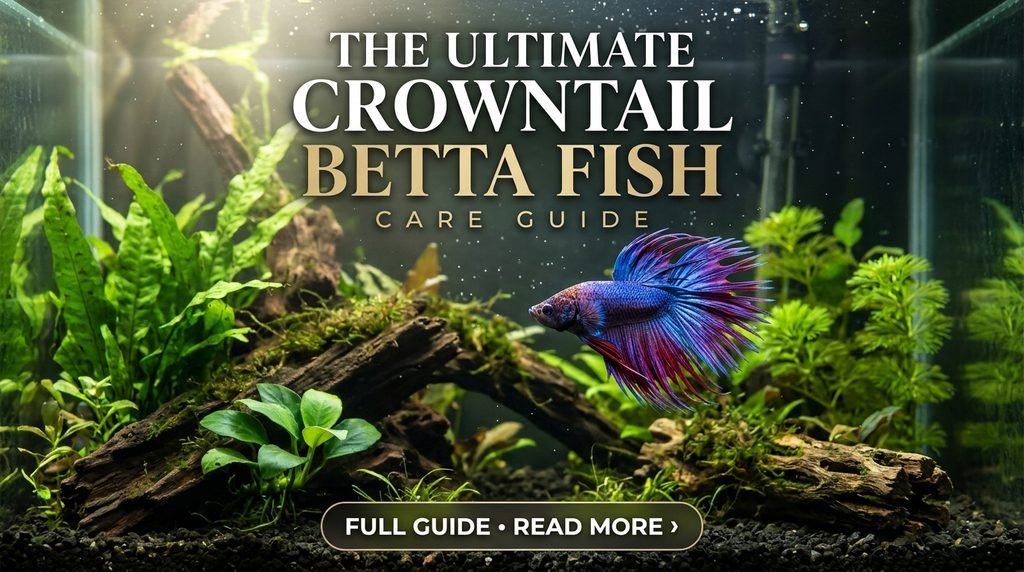
A well-designed aquarium should provide clean water, comfortable swimming areas, hiding places, and safe decorations. Crowntail bettas need particular attention because their extended fin rays can catch on sharp objects.
1. Choose a Suitable Aquarium
Start with a properly sized glass or acrylic aquarium. A rectangular tank with a secure lid is a practical choice.
Avoid narrow spaces, rough decorations, and artificial plants with sharp edges. Crowntail fins can become torn if they repeatedly brush against unsuitable objects.
2. Install a Gentle Filter
A filter helps remove waste and supports beneficial bacteria that break down harmful substances.
Crowntail bettas generally do best with gentle water movement. Strong currents can make swimming difficult, particularly for individuals with larger fins.
Sponge filters and adjustable low-flow filters are useful options. Check that the current does not push the fish around the aquarium.
3. Use an Aquarium Heater
Crowntail bettas are tropical fish and need warm, stable water.
A temperature range of approximately 76–82°F (24–28°C) is suitable for many domestic bettas. Use a reliable aquarium heater and thermometer to maintain consistent conditions.
Avoid sudden temperature changes because they can cause stress.
4. Add a Secure Lid
Bettas can jump, so a secure aquarium lid is important. Leave a small air space above the water surface because bettas regularly breathe air using their labyrinth organ.
5. Choose Safe Substrate
Fine gravel or smooth aquarium sand can work well. Choose a substrate that is easy to clean and does not contain sharp pieces.
Dark substrate can make bright crowntail colors stand out, while natural-colored sand creates a softer aquascaping appearance.
Best Decorations for Crowntail Betta Fish
Decorations should improve the aquarium without creating hazards for delicate fins.
Live Aquarium Plants
Live plants provide natural cover, resting places, and hiding areas. They also help create a more natural-looking aquarium.
Suitable choices include:
- Anubias
- Java fern
- Java moss
- Cryptocoryne
- Amazon sword
- Water sprite
- Floating plants such as frogbit
Broad leaves can provide resting areas near the water surface. Keep enough open space for the fish to swim comfortably.
Smooth Driftwood
Aquarium-safe driftwood can create an attractive natural aquascape. It provides visual structure and can support plant growth when used appropriately.
Before adding driftwood, make sure it is suitable for aquarium use and has no sharp edges or splinters.
Smooth Aquarium Stones
Rounded stones and smooth rocks can create natural-looking layouts. Avoid jagged stones that may damage the fish’s fins.
Betta Hammocks
Betta hammocks and broad artificial leaves can provide resting areas close to the surface. Make sure any artificial accessories are designed for aquarium use and have smooth edges.
Safe Hiding Places
Small caves and tunnels can make the aquarium more interesting. Choose decorations with wide openings and no narrow spaces where the fish could become trapped.
Water Parameters for Crowntail Betta Fish
Stable water conditions are essential for maintaining the health of a crowntail betta. Poor water quality can cause stress, damaged fins, loss of appetite, and illness.
| Water Parameter | Recommended Target |
|---|---|
| Temperature | 76–82°F (24–28°C) |
| pH | Approximately 6.5–7.5 |
| Ammonia | 0 ppm |
| Nitrite | 0 ppm |
| Nitrate | Preferably below 20 ppm |
| Water flow | Gentle |
Avoid making sudden changes to water chemistry. Consistency is generally more important than repeatedly adjusting the pH to reach one exact number.
Cycle the Aquarium Before Adding a Betta
A new aquarium needs to establish beneficial bacteria before it can safely support fish. This process is called the nitrogen cycle.
Beneficial bacteria help convert toxic ammonia into nitrite and then nitrate. Ammonia and nitrite should both measure zero before a fish is introduced.
Use a reliable aquarium test kit rather than relying only on the appearance or smell of the water.
Perform Regular Water Changes
Partial water changes help remove waste and control nitrate levels.
For many properly filtered aquariums, changing around 20–30% of the water weekly is a useful starting routine. Adjust the schedule according to test results, feeding, and the amount of waste produced.
Always condition tap water before adding it to the aquarium and match its temperature closely to the existing tank water.
What Do Crowntail Betta Fish Eat?
Crowntail bettas are carnivorous fish that need a protein-rich diet. High-quality betta pellets can provide a convenient daily food source.
A varied diet may include:
- High-quality betta pellets
- Frozen brine shrimp
- Daphnia
- Mysis shrimp
- Frozen bloodworms as an occasional treat
- Suitable live foods from safe sources
Feed small portions that the fish can finish quickly. The appropriate amount depends on the size and nutritional content of the food.
Avoid overfeeding because uneaten food can pollute the aquarium and contribute to poor water quality. Remove leftovers when necessary.
How to Keep Crowntail Betta Fins Healthy
The extended rays of a crowntail betta make its fins distinctive, but they can also be vulnerable to physical damage.
Good aquarium maintenance is the best way to protect their appearance and overall health.
Avoid Sharp Decorations
Do not use plastic plants with hard, pointed edges or decorations with rough surfaces. Soft live plants are often a safer option.
Maintain Excellent Water Quality
Dirty water can increase the risk of fin problems. Keep ammonia and nitrite at zero and perform regular partial water changes.
Choose Gentle Filtration
Strong currents can cause unnecessary stress and make swimming difficult. Use a filter with adjustable flow or a suitable sponge filter.
Watch for Fin Damage
Observe the fish regularly. Torn edges, missing sections, unusual discoloration, or progressive fin deterioration may indicate injury or illness.
If damage appears, check the aquarium for sharp objects and test the water before deciding on treatment.
Crowntail Betta Fish Behavior and Personality
Crowntail bettas are often curious and active. They may explore plants, investigate decorations, swim around the aquarium, and respond to movement outside the glass.
Some individuals recognize feeding routines and approach the front of the tank when they see their keeper.
However, individual personalities vary. Some are more active and confident, while others spend more time resting or hiding.
Male bettas can be territorial, especially around other male bettas. They may flare their gill covers and spread their fins when they encounter another fish they perceive as a rival.
Flaring is a natural behavior, but repeatedly exposing a fish to mirrors or aggressive tankmates can create unnecessary stress.
Can Crowntail Betta Fish Live With Other Fish?
Crowntail bettas can sometimes live with peaceful tankmates, but compatibility depends on the individual fish, aquarium size, and behavior of other species.
Potential tankmates for a carefully planned community aquarium may include:
- Certain peaceful Corydoras catfish
- Small, calm rasboras
- Suitable freshwater snails
- Some peaceful bottom-dwelling species
Avoid aggressive fish and species that nip fins. Fish with long, colorful fins may also trigger territorial behavior.
Shrimp can be at risk because some bettas may chase or eat them. A separate aquarium is the safest choice if the betta repeatedly attacks other inhabitants.
Do not keep two male bettas together. Permanent male-female housing is also not recommended for ordinary community aquariums.
Common Health Problems in Crowntail Betta Fish
Crowntail bettas can experience many of the same health problems as other betta varieties.
Fin Rot
Fin rot causes the fins to deteriorate and may produce ragged edges, darkened areas, or progressive fin loss.
Poor water quality is an important risk factor. Test the water, correct maintenance problems, and seek appropriate treatment if symptoms continue or worsen.
Physical Fin Tears
Crowntail fins can become torn when they catch on sharp decorations or rough equipment.
Remove the source of injury and maintain clean water. Mild physical damage may heal when the fish is kept in suitable conditions.
Ich
Ich is a parasitic disease that often appears as small white spots on the body and fins. The fish may rub against decorations or become less active.
Prompt treatment with an appropriate aquarium medication is important. Follow product directions and consider the safety of other aquarium inhabitants.
Swim Bladder Problems
A fish with buoyancy problems may float unusually, struggle to remain upright, or have difficulty reaching its preferred swimming areas.
Possible causes include digestive problems, injury, infection, and poor water conditions. Check the water parameters and avoid excessive feeding. Persistent symptoms should be assessed by an aquatic veterinarian or experienced fish health professional.
Loss of Appetite
A crowntail betta that stops eating may be experiencing stress, unsuitable temperatures, poor water quality, or illness.
Check the heater, filter, and water parameters. Observe the fish for additional symptoms such as clamped fins, unusual swimming, or swelling.
How Long Do Crowntail Betta Fish Live?
Crowntail bettas commonly live around 2–5 years with suitable care, although their lifespan varies.
Genetics, diet, water quality, stress, and disease prevention all affect their health and longevity.
A properly maintained aquarium, regular feeding routine, and stable temperature can help support a long and healthy life.
How Much Does a Crowntail Betta Fish Cost?
The price of a crowntail betta depends on its color, fin quality, size, breeding line, and location.
Common red and blue crowntails are often easier to find than unusual patterns or selectively bred varieties. High-quality specimens with distinctive colors and well-developed fins may cost more.
Before buying one, check for:
- Clear and responsive eyes
- Normal swimming behavior
- A healthy appetite
- No obvious white spots
- No severe fin damage
- No unusual swelling or visible wounds
Choose a healthy fish rather than purchasing only because it has an attractive color or a low price.
Is a Crowntail Betta Fish Good for Beginners?
Yes, a crowntail betta can be a suitable choice for beginners who understand basic aquarium care.
Its care requirements are similar to those of other domestic bettas. However, its extended fin rays mean that safe decorations and gentle water movement are especially important.
A beginner should prepare a cycled aquarium, install a suitable heater and filter, use water testing equipment, and provide a balanced diet.
A properly maintained 5- or 10-gallon aquarium is a much better home than a small bowl or temporary cup.
Frequently Asked Questions About Crowntail Betta Fish
What is special about a crowntail betta fish?
Its extended fin rays and reduced webbing create a spiky, crown-like appearance. This distinctive tail shape separates it from other betta varieties.
Are crowntail betta fish rare?
No. Crowntails are an established and widely recognized betta variety. However, certain colors, patterns, and breeding lines may be harder to find.
What size tank does a crowntail betta need?
A 5-gallon aquarium is a practical minimum starting point for one crowntail betta. A 10-gallon tank provides more swimming space and helps maintain stable water conditions.
Are crowntail bettas aggressive?
They can be territorial, particularly toward other male bettas. Individual personalities vary, but careful tankmate selection is important.
Do crowntail bettas need a heater?
Yes. They are tropical fish and generally need stable warm water around 76–82°F (24–28°C).
Why are my crowntail betta’s fins tearing?
Possible causes include sharp decorations, rough artificial plants, strong water flow, fin biting, or disease. Inspect the aquarium and test the water to identify the problem.
Can crowntail bettas live with female bettas?
Keeping a male and female together permanently is not recommended for a normal community aquarium. Breeding should only be attempted by people with appropriate knowledge, preparation, and separate housing.
What is the best food for crowntail betta fish?
A high-quality betta pellet is a suitable staple food. Frozen brine shrimp, daphnia, and other appropriate protein-rich foods can provide variety.
How often should I clean a crowntail betta tank?
Perform regular partial water changes, often around 20–30% weekly in a properly filtered aquarium. Test the water and adjust the routine according to its condition.
Can crowntail bettas live with shrimp?
Some may tolerate shrimp, but others will chase or eat them. Compatibility is unpredictable, so separate housing is safer when the betta shows aggression.
How long do crowntail betta fish live?
Many live approximately 2–5 years with good care. Genetics, stable water conditions, proper feeding, and disease prevention influence their lifespan.
Final Thoughts
The crowntail betta fish is a beautiful freshwater variety known for its spiky fins, crown-like tail, and wide range of colors. Its distinctive appearance makes it an excellent centerpiece for a carefully designed aquarium.
Although it does not require complicated care, it needs clean water, stable warmth, gentle filtration, nutritious food, and decorations that will not damage its fins. With a suitable aquarium and consistent maintenance, a crowntail betta can remain a healthy, active, and attractive companion for years.