
 By admin
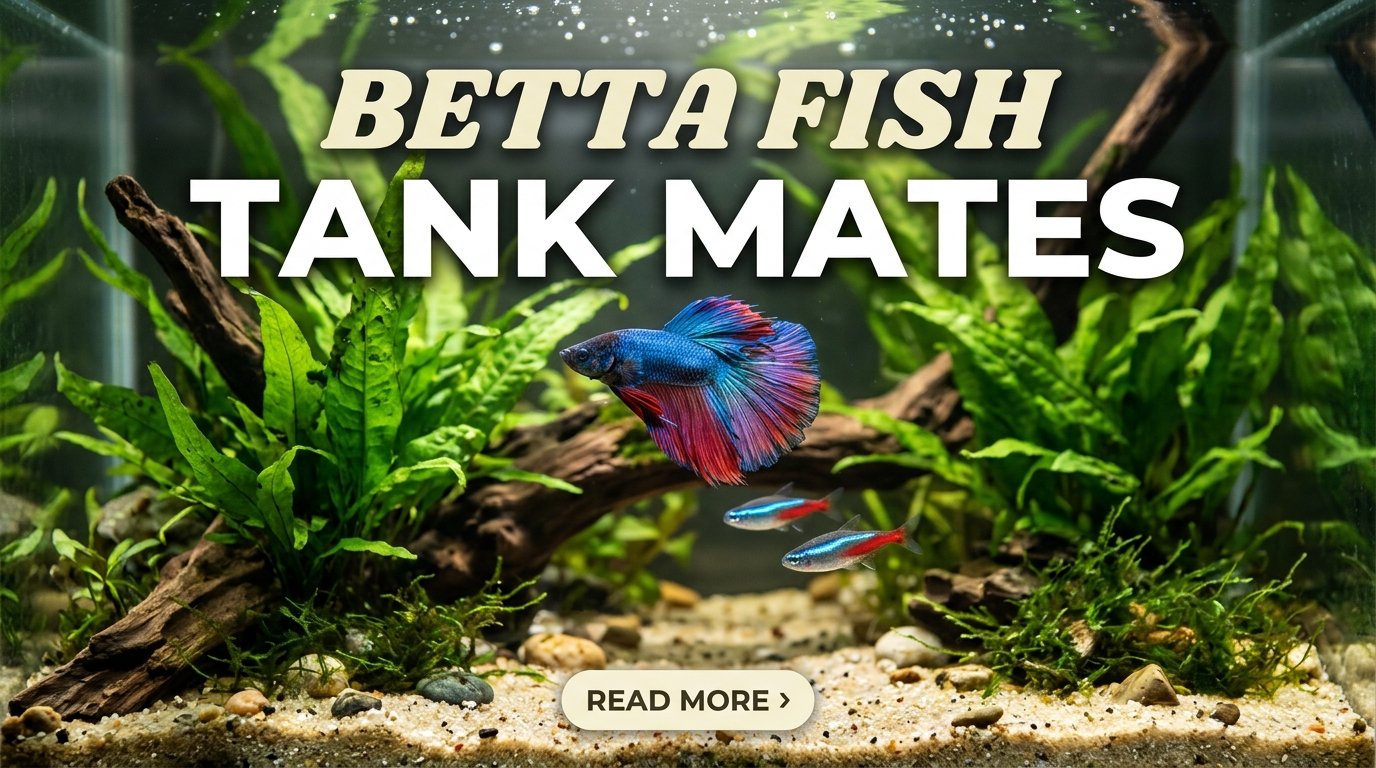
Choosing the right betta fish tank mates is important if you want to create a peaceful and attractive community aquarium. Betta fish are famous for their vibrant colors, flowing fins, and unique personalities, but they can also be territorial. Some bettas tolerate peaceful aquarium companions, while others prefer living alone. The success of a community tank depends on the betta’s temperament, aquarium size, water conditions, and the behavior of other species.
Many aquarium enthusiasts want to keep bettas with colorful fish, small shrimp, snails, or peaceful bottom-dwelling species. Fortunately, several freshwater animals can sometimes live with bettas when the aquarium is properly planned. However, no tankmate is guaranteed to be compatible with every betta.
In this guide, you will discover the best betta fish tank mates, species to avoid, recommended tank sizes, feeding tips, and practical ways to introduce new aquarium companions safely.
Can Betta Fish Live With Other Fish?
Yes, some betta fish can live with other peaceful freshwater species, but compatibility depends on the individual fish. Bettas are naturally territorial, especially males, and may become aggressive toward fish that resemble other bettas.
A betta may chase fish with bright colors, long fins, or similar body shapes. Some individuals are calm and curious, while others become defensive whenever another fish enters their territory.
Before choosing tankmates, consider these factors:
- Temperament: Select peaceful species that are unlikely to challenge or harass the betta.
- Swimming behavior: Avoid aggressive or persistent fin-nipping fish.
- Aquarium size: Provide enough room for every animal.
- Hiding places: Plants and decorations help reduce unwanted encounters.
- Water requirements: Choose species with compatible temperature and water-quality needs.
- Individual personality: Always observe the betta after introducing new tankmates.
If your betta repeatedly attacks other animals, keeping it alone is often the best solution.
Best Betta Fish Tank Mates
Several freshwater species may be suitable companions for a peaceful betta. The following options are popular among aquarium enthusiasts, although individual compatibility must always be monitored.
1. Corydoras Catfish
Corydoras catfish are among the most popular potential tankmates for bettas. They are peaceful bottom-dwelling fish that spend much of their time searching for food along the substrate.
Because they usually occupy a different area of the aquarium, they may attract less attention from a betta.
Corydoras are social fish and should generally be kept in groups of at least six of the same species. They need suitable floor space, smooth substrate, and clean water.
Why they may work:
- Peaceful temperament
- Bottom-dwelling behavior
- Interesting group swimming
- Generally compatible temperature requirements
A group of Corydoras needs an appropriately sized aquarium, so a small betta tank is not suitable for this combination.
2. Harlequin Rasboras
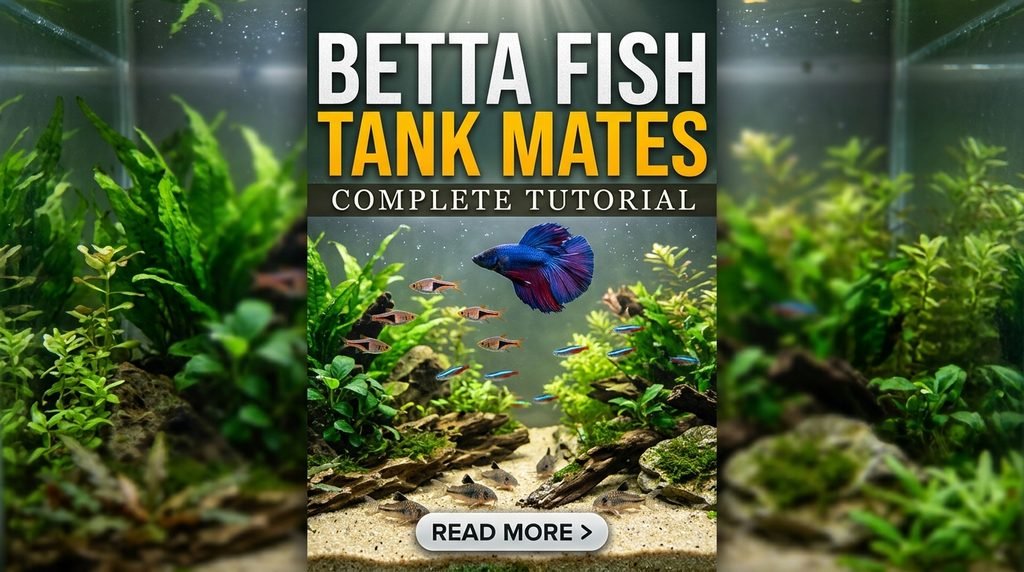
Harlequin rasboras are peaceful schooling fish with attractive orange and copper-colored bodies. They usually swim in groups around the middle areas of an aquarium.
Their calm behavior can make them suitable companions for some bettas.
Keep them in groups of at least six, preferably more when the aquarium is large enough. A planted aquarium with open swimming space can provide a comfortable environment.
3. Ember Tetras
Ember tetras are small freshwater fish known for their bright orange coloration. They are active schooling fish and can create an attractive display in planted aquariums.
They may coexist with a peaceful betta in a sufficiently large tank, but their small size and active behavior mean compatibility should be monitored.
Keep them in groups rather than individually. Avoid adding them to a crowded or undersized aquarium.
4. Chili Rasboras
Chili rasboras are tiny fish with bright reddish coloration. Their small size and peaceful nature make them appealing for carefully planned community aquariums.
They need a group, stable water conditions, and plenty of plants. However, because they are very small, a betta may chase or eat them.
They are best considered only when the betta has demonstrated a calm temperament and the aquarium offers enough space and cover.
5. Kuhli Loaches
Kuhli loaches are peaceful, eel-shaped freshwater fish that spend much of their time hiding among plants, caves, and substrate.
They are generally more active during the evening and nighttime, which means they often occupy a different area of the aquarium from a betta.
Kuhli loaches are social and should be kept in groups, commonly six or more. They require soft substrate, hiding places, and a suitable aquarium footprint.
6. Otocinclus Catfish
Otocinclus catfish are small algae-grazing fish that spend much of their time attached to plant leaves, aquarium glass, and other surfaces.
They are peaceful and generally do not compete with bettas for territory. However, they are sensitive to poor water conditions and need an established aquarium with sufficient natural food.
Keep them in an appropriate group and provide additional suitable food when necessary. They are not a good choice for a newly established or poorly maintained tank.
7. Bristlenose Pleco
A bristlenose pleco is a peaceful bottom-dwelling fish that can sometimes live with a betta in a larger aquarium.
It spends much of its time resting on surfaces and feeding on algae and prepared foods. Its different swimming area may reduce direct competition with a betta.
However, bristlenose plecos grow considerably larger than small community fish and produce a significant amount of waste. They need a larger aquarium, proper filtration, and hiding places.
8. Pygmy Corydoras
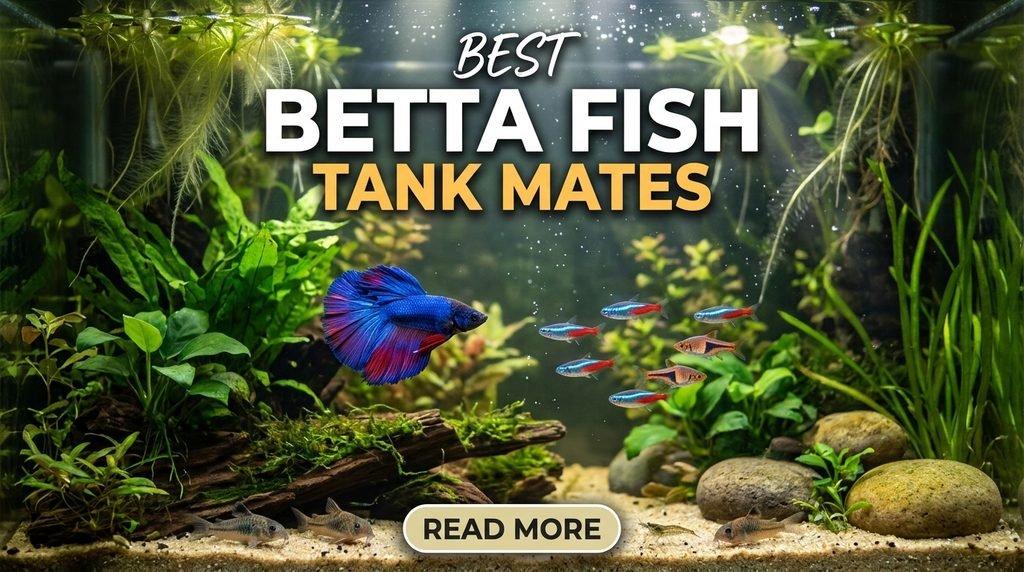
Pygmy Corydoras are smaller relatives of other Corydoras catfish. Unlike many larger species, they often swim in the middle and lower areas of the aquarium.
Their small size and peaceful behavior make them interesting candidates for a carefully planned betta community.
They should be kept in a group and need a suitable tank with plants, clean water, and open swimming areas.
9. Mystery Snails
Mystery snails are popular aquarium companions because they move slowly and generally do not disturb fish.
They are available in several attractive shell colors, including gold, blue, ivory, and dark shades.
A betta may investigate or occasionally nip a snail’s antennae, so monitor their behavior after introduction.
Mystery snails also produce waste and require suitable calcium and food sources to maintain healthy shells.
10. Nerite Snails
Nerite snails are another popular option for betta aquariums. They are known for their attractive shell patterns and ability to graze on algae.
They do not reproduce successfully in ordinary freshwater aquariums, making them a convenient option for people who want to avoid unexpected snail populations.
However, they still need enough food and suitable water conditions. A hungry nerite snail may struggle in a very clean aquarium with little natural algae.
11. Malaysian Trumpet Snails
Malaysian trumpet snails spend much of their time moving through the substrate. They can help consume leftover food and organic material.
They are generally peaceful and are unlikely to compete directly with a betta.
However, their population can increase rapidly when excess food is available. Good feeding control helps prevent excessive reproduction.
12. Ramshorn Snails
Ramshorn snails have attractive spiral shells and come in different colors. They are peaceful aquarium inhabitants and can consume algae and leftover food.
Some bettas may ignore them, while others may investigate or attack them. Monitor the fish’s behavior after introducing snails.
13. Amano Shrimp
Amano shrimp are popular freshwater aquarium shrimp known for eating algae and leftover food. They are generally larger than many other common dwarf shrimp.
Some bettas tolerate Amano shrimp, particularly in planted aquariums with plenty of hiding places. However, an aggressive betta may still attack them.
Provide dense plants, driftwood, and small hiding areas to help shrimp avoid unwanted attention.
14. Ghost Shrimp
Ghost shrimp are transparent freshwater shrimp that can be interesting additions to certain community aquariums.
Their clear bodies make them less visually prominent than brightly colored shrimp, but this does not guarantee compatibility with bettas.
Some bettas ignore ghost shrimp, while others chase or eat them. Purchase shrimp from a reliable source and observe interactions carefully.
15. African Dwarf Frogs
African dwarf frogs are aquatic amphibians rather than fish, but they are sometimes considered for peaceful community aquariums.
They require specific care, access to the water surface, suitable food, and a secure environment.
Their feeding needs can make them challenging tankmates. Bettas may compete with them for food, and a betta may also harass them.
They should only be considered by experienced keepers with a suitable aquarium and a clear plan for feeding and monitoring both animals.
Best Betta Fish Tank Mates at a Glance
| Tank Mate | Temperament | Important Requirement |
|---|---|---|
| Corydoras catfish | Peaceful | Group and adequate floor space |
| Harlequin rasboras | Peaceful | School of six or more |
| Ember tetras | Peaceful | Group and swimming space |
| Chili rasboras | Peaceful | Dense plants and careful monitoring |
| Kuhli loaches | Peaceful | Group and hiding places |
| Otocinclus | Peaceful | Mature aquarium and suitable food |
| Bristlenose pleco | Generally peaceful | Larger tank and strong filtration |
| Pygmy Corydoras | Peaceful | Group and planted environment |
| Mystery snails | Generally peaceful | Suitable calcium and food |
| Nerite snails | Peaceful | Adequate algae or supplemental food |
| Malaysian trumpet snails | Peaceful | Population control |
| Ramshorn snails | Peaceful | Monitor betta interactions |
| Amano shrimp | Generally peaceful | Hiding places |
| Ghost shrimp | Generally peaceful | Monitor for predation |
| African dwarf frogs | Generally peaceful | Specialized feeding and care |
These are potential companions, not guaranteed matches. A betta’s behavior and the needs of each species should determine the final stocking plan.
Best Tank Size for Betta Fish Tank Mates
Tank size is one of the most important factors when creating a community aquarium. A single betta can live in a properly maintained 5-gallon aquarium, but adding other fish usually requires a considerably larger setup.
| Tank Size | Recommended Use |
|---|---|
| 5 gallons | One betta; possibly a suitable snail |
| 10 gallons | One betta with carefully selected invertebrates |
| 15 gallons | Limited community possibilities, depending on species |
| 20 gallons | More suitable for a small community |
| 29 gallons | Greater flexibility for compatible schooling fish |
For example, a 20-gallon aquarium may provide suitable space for one peaceful betta and a carefully selected group of small schooling fish, provided the species have compatible requirements.
Do not select tankmates based only on the number of gallons. Consider adult size, group requirements, swimming space, filtration, and waste production.
Best Snails for Betta Fish Tanks
Snails are often easier to accommodate than additional fish because they do not compete for the same swimming space.
Mystery Snails
Mystery snails are attractive and active enough to make an aquarium more interesting. Their colorful shells can contrast beautifully with a betta’s body.
However, they need sufficient food and produce waste, so aquarium maintenance remains important.
Nerite Snails
Nerite snails are useful algae grazers and come in several attractive shell patterns. They are a popular option for aquariums where algae is available.
Ramshorn Snails
Ramshorn snails are small and colorful. They can consume leftover food, although their population may increase if the aquarium is overfed.
Are Snails Safe With Bettas?
Many bettas tolerate snails, but some may nip their antennae or repeatedly attack them. Start with one suitable snail and monitor the interaction.
Best Shrimp for Betta Fish Tanks
Shrimp can add movement and interest to a planted aquarium, but they are not always safe with bettas.
Amano Shrimp
Amano shrimp are relatively large compared with many dwarf shrimp. They are useful algae grazers and may be less vulnerable than tiny shrimp, although attacks are still possible.
Ghost Shrimp
Ghost shrimp have transparent bodies and are commonly kept in freshwater aquariums. They may coexist with some bettas, but individual fish can behave differently.
Cherry Shrimp
Cherry shrimp are colorful dwarf shrimp available in red, yellow, blue, and other color variations. Their small size makes them particularly vulnerable to predatory bettas.
A heavily planted aquarium with moss and hiding places can improve their chances, but it cannot guarantee safety.
Fish You Should Avoid Keeping With Betta Fish
Not every peaceful-looking fish is a suitable betta tankmate. Some species may damage fins, compete for food, or trigger territorial behavior.
1. Tiger Barbs
Tiger barbs are active schooling fish known for fin-nipping behavior. They can damage a betta’s flowing fins and create constant stress.
2. Angelfish
Angelfish can become territorial and may nip or intimidate bettas. Their adult size and behavior also make them unsuitable for many smaller community aquariums.
3. Goldfish
Goldfish have different temperature requirements from tropical bettas and produce a large amount of waste. They are not suitable tankmates.
4. Other Male Betta Fish
Two male bettas should not be housed together. Fighting can cause severe injuries or death.
5. Guppies
Fancy guppies can be risky companions because their colorful, flowing tails may trigger aggression in some bettas. Some guppies may also nip fins.
6. Oscar Fish
Oscars are large, powerful cichlids with very different space and care requirements. They are unsuitable companions for bettas.
7. Red-Tailed Sharks
Red-tailed sharks can become territorial and aggressive as they mature. They may chase or stress a betta.
8. Green Spotted Puffers
Green spotted puffers have specialized care requirements and can be aggressive fin-nippers. They are not appropriate betta tankmates.
How to Introduce New Tank Mates to a Betta Fish
Introducing new aquarium inhabitants should be done carefully. Even a normally peaceful betta may react aggressively to unfamiliar animals.
Step 1: Prepare the Aquarium
Make sure the aquarium is fully cycled and large enough for all planned inhabitants.
Install suitable filtration and provide hiding places with plants, caves, and other safe decorations.
Step 2: Quarantine New Fish
Whenever possible, quarantine new fish separately before introducing them to an established aquarium.
A separate quarantine setup helps you observe their health and reduces the risk of introducing parasites or diseases.
Step 3: Rearrange the Aquarium
Changing the position of some decorations can reduce established territorial boundaries.
Add plants and hiding places so that new inhabitants have areas where they can retreat.
Step 4: Introduce New Tankmates Carefully
Use appropriate acclimation procedures for the species being introduced. Avoid suddenly transferring animals into water with different temperatures or chemistry.
Some keepers introduce peaceful community fish before adding the betta, but this does not guarantee compatibility.
Step 5: Observe Their Behavior
Watch the aquarium closely after introducing new animals.
Warning signs include:
- Repeated chasing
- Continuous fin flaring
- Fin biting
- Hiding constantly
- Refusing food
- Visible injuries
- One animal being prevented from reaching food
Separate the animals if aggression continues or anyone is injured.
How to Create a Peaceful Betta Community Tank
A successful community aquarium needs careful planning. Simply adding several peaceful species to a tank does not automatically create a compatible environment.
Provide Plenty of Plants
Live plants create visual barriers and hiding places. They help reduce direct encounters between fish and can make the aquarium feel more natural.
Anubias, Java fern, Java moss, and suitable floating plants are useful choices.
Create Separate Swimming Areas
Choose species that use different parts of the aquarium when possible.
For example, some schooling fish prefer the middle water levels, while Corydoras spend much of their time near the bottom. This can reduce competition for space.
Avoid Overcrowding
Every animal needs enough room to swim, feed, and behave naturally.
Overcrowding can increase waste, stress, and competition. It also makes it harder to maintain stable water quality.
Maintain Good Water Quality
Test the aquarium regularly and keep ammonia and nitrite at zero.
Perform appropriate partial water changes and clean filter media carefully without destroying beneficial bacteria.
Feed Every Species Properly
Different species may need different foods. Bettas, bottom-dwelling catfish, shrimp, and snails do not all eat the same diet.
Make sure food reaches the animals that need it, and remove uneaten leftovers.
Can a Betta Fish Live With Other Betta Fish?
Keeping multiple bettas together requires particular caution.
Can Two Male Bettas Live Together?
No. Two male bettas should not be kept in the same aquarium because they may fight over territory.
Can a Male and Female Betta Live Together?
Permanent male-female housing is generally not recommended. A male may repeatedly chase and stress a female outside controlled breeding situations.
Can Female Betta Fish Live Together?
Some experienced keepers maintain groups of female bettas, often called sororities. However, this arrangement can involve aggression and requires a large, carefully structured aquarium, backup housing, and close monitoring.
It is not recommended as a beginner setup, and individual female bettas may still need to live separately.
Signs Your Betta Fish Does Not Like Its Tankmates
A betta may show several signs of stress or aggression when it cannot tolerate its companions.
Watch for the following behaviors:
- Constantly chasing other fish
- Repeatedly attacking shrimp or snails
- Flaring at tankmates for extended periods
- Hiding throughout the day
- Refusing food
- Damaged or torn fins
- Unusual swimming behavior
- Staying in one corner of the aquarium
If these signs continue, separate the animals and review the aquarium’s size, stocking, and environmental conditions.
Frequently Asked Questions About Betta Fish Tank Mates
What are the best tank mates for betta fish?
Peaceful species such as Corydoras catfish, harlequin rasboras, and certain snails may work with a calm betta in a suitable aquarium. Compatibility depends on the individual fish and tank conditions.
Can betta fish live with guppies?
Guppies are not always suitable because their colorful, flowing tails can trigger aggression. Some guppies may also nip fins. Other peaceful tankmates are generally safer choices.
Can betta fish live with neon tetras?
Some bettas tolerate neon tetras, but the combination is not guaranteed to work. Neon tetras need a group and enough swimming space, so a properly sized aquarium is essential.
Can betta fish live with shrimp?
Yes, some bettas tolerate Amano, ghost, or cherry shrimp. However, others may chase or eat them. Dense plants and hiding places help but do not guarantee safety.
Can betta fish live with snails?
Many bettas can live with mystery, nerite, or ramshorn snails. Some individuals may nip their antennae or attack them, so monitor their behavior.
Can betta fish live with Corydoras?
Corydoras are peaceful bottom-dwelling fish and can sometimes be compatible with bettas. They need a suitable group, sufficient floor space, and an aquarium large enough for all inhabitants.
How many tank mates can a betta fish have?
There is no fixed number. It depends on aquarium size, species, adult size, group requirements, filtration, and the betta’s temperament. Avoid adding animals simply to fill available space.
Can a betta fish live in a 5-gallon tank with other fish?
A 5-gallon tank is best used for one betta. It may accommodate a suitable snail, but it generally does not provide enough space for a community of additional fish.
Do betta fish need tank mates?
No. Bettas do not need other fish to remain healthy. A single betta can live a comfortable and active life in a properly maintained aquarium.
What fish should never be kept with bettas?
Avoid other male bettas, aggressive fish, large predators, and known fin-nippers such as tiger barbs. Goldfish are also unsuitable because their temperature and care requirements differ.
Why is my betta attacking its tankmates?
Your betta may be territorial, stressed, or reacting to unfamiliar animals. Inadequate space and a lack of hiding places can make the situation worse. Separate the animals if attacks continue.
Are female bettas better with tankmates?
Not necessarily. Female bettas can also be territorial and aggressive. Their compatibility depends on individual temperament and aquarium conditions.
Final Thoughts
Choosing the right betta fish tank mates requires more than selecting attractive species. You need to consider temperament, adult size, group requirements, swimming behavior, and water conditions.
Peaceful species such as Corydoras catfish, harlequin rasboras, selected small schooling fish, and suitable snails may work in carefully planned aquariums. However, every betta has an individual personality, and some are happiest living alone.
Start with a properly sized, cycled aquarium, provide plants and hiding places, and introduce new inhabitants carefully. Most importantly, observe the fish regularly and separate them if aggression or stress develops. A peaceful single-betta aquarium is always better than a crowded community tank where the fish cannot feel comfortable.