
 By admin
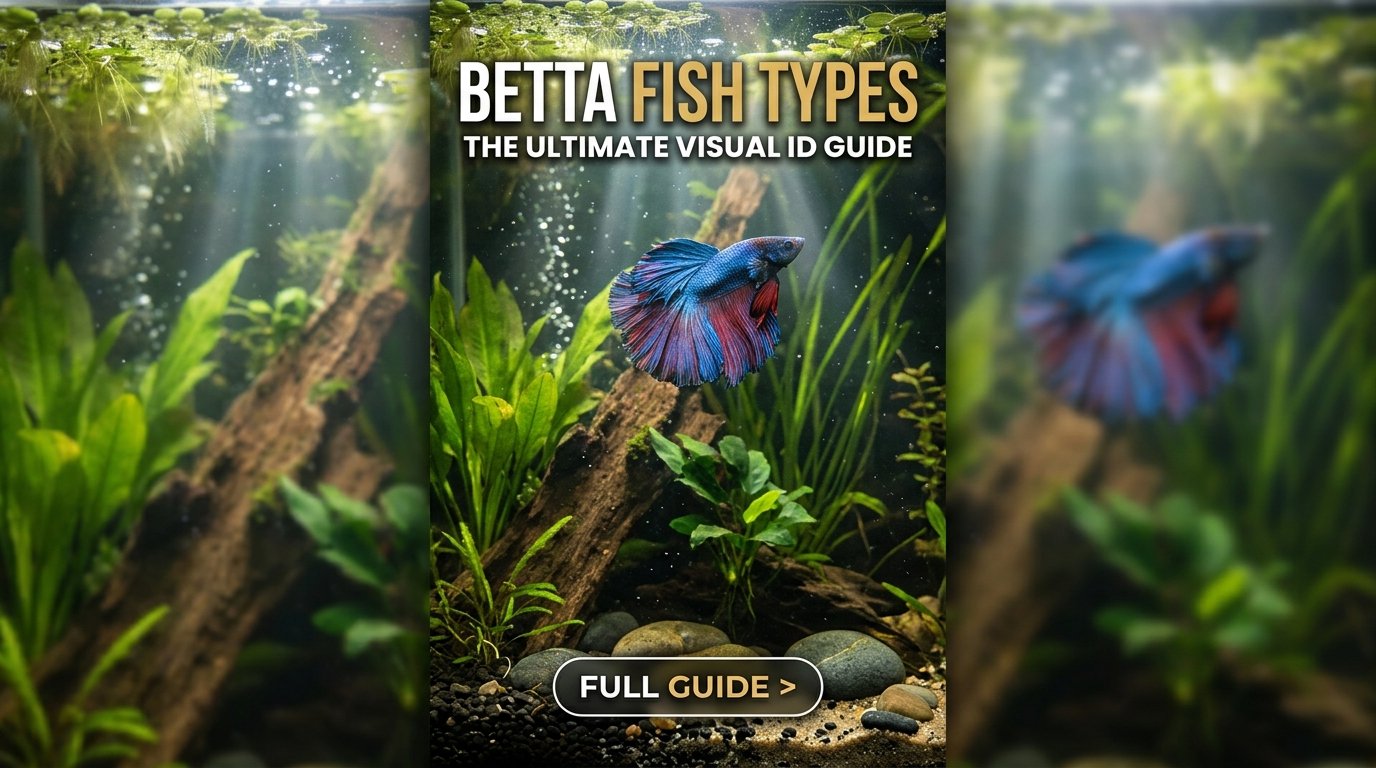
Betta fish types are incredibly diverse, making these freshwater fish some of the most popular choices for aquarium enthusiasts. Known for their vibrant colors, flowing fins, unique patterns, and fascinating personalities, bettas come in many different varieties. From elegant Halfmoon bettas and colorful Koi bettas to striking Crowntail and Plakat bettas, each type has its own appearance and characteristics.
Betta fish are commonly classified by their tail shapes, body colors, patterns, and fin structures. Some varieties have long, flowing fins, while others have short fins that create a compact and athletic appearance. Understanding these differences can help you choose the right betta for your aquarium and learn more about the beautiful varieties available.
1. Halfmoon Betta Fish
Halfmoon bettas are among the most recognizable and popular betta varieties. Their defining feature is a large tail fin that spreads into a semicircular shape, creating an impressive display when fully extended.
The tail can reach an angle of approximately 180 degrees, resembling a half moon. These fish are available in many colors, including red, blue, white, black, turquoise, and multicolored combinations.
Halfmoon bettas look especially beautiful in planted aquariums with gentle water movement. Because their large fins can make swimming more demanding, they benefit from calm water and plenty of resting places.
2. Crowntail Betta Fish
Crowntail bettas have distinctive fins with extended rays that create a spiky appearance. Their tails resemble a crown, which is where the variety gets its name.
The reduced webbing between the fin rays makes their tails look especially dramatic. Crowntail bettas are available in solid colors and multicolored patterns.
Popular colors include red, blue, black, white, and purple. Their unusual tail structure makes them a favorite among people who enjoy unique aquarium fish.
3. Plakat Betta Fish
Plakat bettas are known for their short fins and compact bodies. Unlike long-finned varieties, they have a more streamlined appearance and can swim more efficiently.
Traditional plakats resemble wild bettas more closely than many ornamental varieties. Modern ornamental plakats may display bright colors, elaborate patterns, and different tail shapes.
They are available in red, blue, yellow, black, koi, and marble patterns. Their active swimming behavior makes them attractive choices for aquariums with plenty of open space.
4. Veiltail Betta Fish
Veiltail bettas are among the most commonly available betta varieties. They have long, flowing tails that curve downward, creating an elegant veil-like appearance.
Their tails usually extend asymmetrically rather than forming the balanced semicircle seen in Halfmoon bettas.
Veiltail bettas come in numerous colors, including red, blue, turquoise, white, and yellow. They are popular with beginners because they are widely available and have a familiar appearance.
5. Double Tail Betta Fish
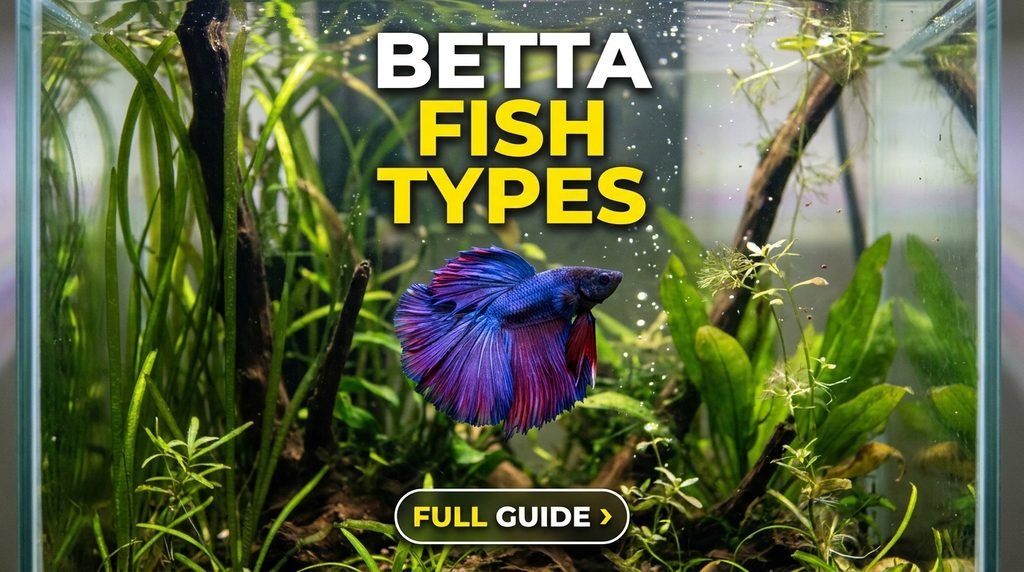
Double Tail bettas have two distinct tail lobes instead of one. Their tail structure creates a fuller and more unusual appearance compared with many other betta varieties.
They often have a broader dorsal fin and a distinctive body shape. Double Tail bettas are available in several colors and patterns.
Because their body and fin structure can be associated with health and swimming challenges, it is important to select a healthy specimen and provide suitable aquarium conditions.
6. Delta Tail Betta Fish
Delta Tail bettas have tails that spread outward in a triangular shape. Their tails become wider toward the outer edge, creating a design similar to the Greek letter delta.
Unlike Halfmoon bettas, their tails generally do not reach a full 180-degree spread.
They are available in solid and multicolored varieties. Delta Tail bettas are an attractive choice for aquarium keepers who like flowing fins without the extremely wide appearance of a Halfmoon.
7. Super Delta Betta Fish
Super Delta bettas have wider tail spreads than standard Delta varieties. Their tails can open to an angle approaching 180 degrees, although they generally do not achieve the full semicircle of a well-developed Halfmoon.
Their flowing fins and wide tail shape create an impressive appearance.
Super Delta bettas come in many color combinations, making them popular among ornamental betta collectors.
8. Rosetail Betta Fish
Rosetail bettas are a variation of the Halfmoon type. Their fins have extensive branching and overlapping rays, creating a layered appearance similar to flower petals.
The tail can look like a rose when fully spread. This unusual structure gives the fish a dramatic and elegant appearance.
However, excessive fin branching can make swimming difficult and may be associated with fin damage or other health problems. Choosing a healthy fish with good mobility is especially important.
9. Dumbo Ear Betta Fish
Dumbo Ear bettas are named after their unusually large pectoral fins. These fins extend from both sides of the body and resemble small elephant ears.
They can have different tail shapes, including Halfmoon, Plakat, and other varieties. Their large pectoral fins are often white or translucent, creating an interesting contrast with the body color.
Dumbo Ear bettas are available in blue, red, white, yellow, and multicolored patterns.
10. Spadetail Betta Fish
Spadetail bettas have a tail that narrows into a pointed shape, resembling a spade or the tip of a playing-card symbol.
This tail shape is less common than Veiltail or Halfmoon varieties. Its unusual appearance makes it interesting to betta enthusiasts who enjoy less familiar fin types.
Spadetail bettas can appear in different colors and patterns, although availability may vary between breeders.
11. Koi Betta Fish
Koi bettas are famous for their colorful patterns inspired by ornamental koi carp. Their bodies often feature combinations of white, orange, red, black, and other colors.
Each fish can have a different pattern, making individual Koi bettas look unique. Many also develop changing patterns as they grow because of the marble gene.
Koi bettas are available in different tail varieties, including Plakat and Halfmoon. Their bright colors make them especially attractive in natural planted aquariums.
12. Galaxy Koi Betta Fish
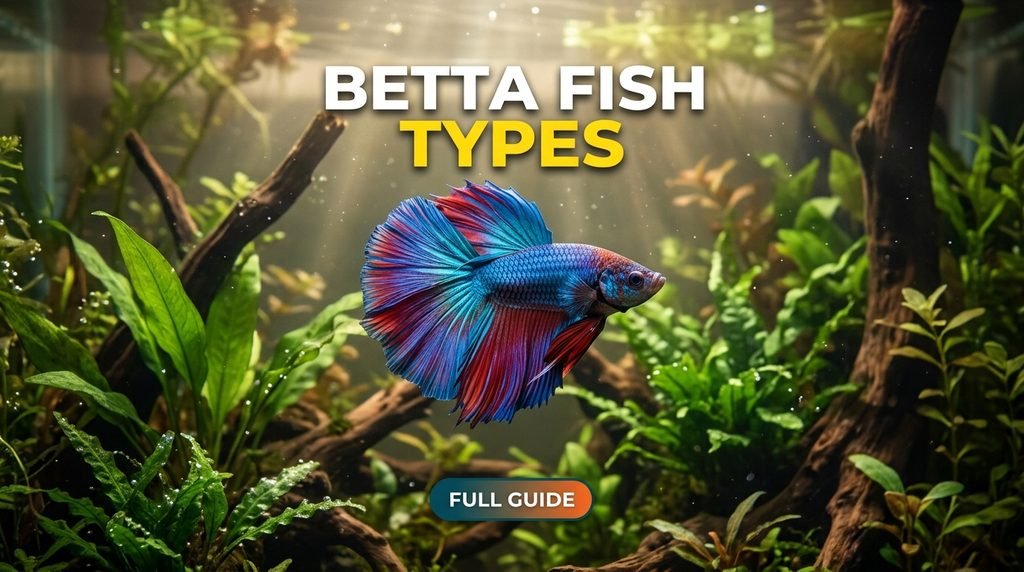
Galaxy Koi bettas are a colorful variation of Koi bettas. They often have a combination of red, orange, black, and white markings with metallic or iridescent blue speckles.
The small reflective spots can resemble stars scattered across the fish’s body.
Galaxy Koi bettas are particularly popular among collectors because their patterns can look different under various lighting conditions.
13. Candy Betta Fish
Candy bettas are known for their bright, contrasting colors. Their bodies may display combinations of red, blue, orange, yellow, white, and other shades.
Some have irregular patches that create a colorful, artistic appearance. Their patterns can vary considerably, making each fish visually distinctive.
Candy bettas are available in different fin types, so the name generally describes their color pattern rather than a specific tail shape.
14. Marble Betta Fish
Marble bettas have irregular patches of different colors across their bodies and fins. Their patterns may include blue, white, red, black, and other shades.
One interesting feature of marble bettas is that their colors can change over time. Some develop new patches or experience changes in their existing markings as they mature.
This makes them fascinating fish for people who enjoy watching their aquarium pets develop.
15. Dragon Scale Betta Fish
Dragon Scale bettas have thick, reflective scales that create an armor-like appearance. Their scales often have a metallic finish that contrasts with the darker body or fin colors.
Popular colors include blue, red, copper, black, and white.
Dragon Scale bettas are visually impressive, but some heavily scaled specimens can develop scale growth over the eyes. This condition can interfere with vision, so choosing fish with clear, healthy eyes is important.
16. Copper Betta Fish
Copper bettas have metallic scales that reflect light with bronze, gold, and copper tones. Their appearance can change depending on the lighting and viewing angle.
Some have darker bodies with bright copper highlights, while others display a more consistent metallic color.
They can have different tail shapes, including Plakat and Halfmoon. Copper bettas are popular among people who appreciate unusual metallic aquarium fish.
17. Alien Betta Fish
Alien bettas are a distinctive selectively bred ornamental variety with iridescent scales and a wild-type-inspired appearance.
Their bodies often display metallic blue, green, turquoise, and dark markings. Their fins may also feature striking patterns and contrasting colors.
Alien bettas are visually different from many traditional ornamental varieties, making them interesting choices for experienced betta enthusiasts.
18. Wild-Type Betta Fish
Wild-type bettas are generally less exaggerated in appearance than many ornamental varieties. They often have slimmer bodies, shorter fins, and natural colors.
Depending on the species, they may display brown, green, blue, red, and iridescent markings.
It is important to understand that wild bettas include multiple species, not just the domesticated Betta splendens commonly sold in aquarium stores. Different wild species have different care requirements.
19. Rosetail Plakat Betta Fish
Rosetail Plakat bettas combine the shorter fin structure of Plakat varieties with heavily branched fin rays.
They generally have a more compact appearance than long-finned Rosetail bettas. Their fins can display impressive patterns and colors.
As with other heavily branched varieties, excessive fin development may affect swimming. Look for a fish that moves comfortably and has healthy, undamaged fins.
20. Butterfly Betta Fish
Butterfly bettas are identified by their distinctive two-tone fin patterns. Their fins often have one color near the body and a contrasting color around the outer edges.
For example, a blue butterfly betta may have blue fins with white or clear borders.
The color separation can create a beautiful symmetrical appearance. Butterfly describes the pattern rather than a specific fin shape, so these fish can have different tail varieties.
21. Mustard Gas Betta Fish
Mustard Gas bettas are known for their contrasting body and fin colors. They commonly have blue or green bodies with yellow or orange fins.
The combination creates a bright appearance that resembles the colors of mustard and darker metallic shades.
Mustard Gas bettas are popular because their contrasting colors make them stand out in planted and minimalist aquariums.
22. Nemo Betta Fish
Nemo bettas are colorful ornamental fish with orange, red, yellow, black, and white markings. Their patterns are inspired by the bright appearance of clownfish.
Many Nemo bettas have irregular patches and changing colors. Their patterns can be different from one individual to another.
They are often available in Plakat and other ornamental fin varieties.
23. Samurai Betta Fish
Samurai bettas have a dramatic appearance created by contrasting dark body colors and metallic scale patterns.
Their scales often form a mask-like or armored appearance, particularly around the head and upper body. Black, white, silver, and metallic blue are common visual features.
The term Samurai generally refers to a particular ornamental pattern rather than a separate biological species.
24. Hellboy Betta Fish
Hellboy bettas are recognized for their dramatic red, black, and sometimes metallic markings. Their bodies may have dark patches combined with intense red coloration.
Many have short fins, although appearances can vary depending on breeding lines.
Their bold colors make them attractive to collectors who prefer darker and more dramatic betta patterns.
25. Fancy Betta Fish
Fancy bettas are ornamental varieties with colorful combinations and distinctive patterns. They may display red, blue, yellow, orange, white, black, and metallic shades.
The term is often used broadly for decorative bettas that do not fit neatly into one specific color description.
Fancy bettas can have different fin structures, including Halfmoon, Plakat, and other varieties.
Different Betta Fish Types by Tail Shape
One of the easiest ways to understand betta varieties is to compare their tail structures. Tail shape is an important characteristic used by breeders and aquarium enthusiasts.
| Betta type | Main feature |
|---|---|
| Halfmoon | Tail spreads close to 180 degrees |
| Crowntail | Extended rays create a spiky appearance |
| Plakat | Short fins and compact appearance |
| Veiltail | Long, downward-flowing tail |
| Double Tail | Two distinct tail lobes |
| Delta Tail | Triangular tail spread |
| Super Delta | Wide tail approaching a Halfmoon spread |
| Rosetail | Heavily branched, overlapping fin rays |
| Spadetail | Pointed, spade-shaped tail |
| Dumbo Ear | Large pectoral fins |
Remember that some betta names describe tail structures, while others describe colors, scale patterns, or breeding varieties. A single fish can belong to several descriptive categories at the same time.
Betta Fish Types by Color
Betta fish are available in an incredible range of colors. Some have one solid shade, while others display several colors across their bodies and fins.
| Color type | Common appearance |
|---|---|
| Red Betta | Bright or deep red body and fins |
| Blue Betta | Royal blue, steel blue, or turquoise |
| White Betta | White or pale translucent appearance |
| Black Betta | Dark body and fins |
| Yellow Betta | Bright yellow or golden shades |
| Orange Betta | Orange body and colorful fins |
| Purple Betta | Violet or purple iridescent tones |
| Green Betta | Metallic green or turquoise highlights |
| Pink Betta | Pale pink or rosy coloration |
| Copper Betta | Metallic bronze and copper scales |
Color names are often used for marketing and describing individual fish. Actual shades can vary depending on genetics, lighting, age, and overall health.
Which Betta Fish Type Is Best for Beginners?
Many betta varieties can be suitable for beginners when they are healthy and kept in an appropriately maintained aquarium. However, some characteristics can make certain fish easier to care for.
Short-finned Plakat bettas generally swim more easily than many long-finned varieties. Veiltails are widely available, while healthy Halfmoon and Crowntail bettas can also make attractive pets.
| Betta type | Beginner suitability | Main consideration |
|---|---|---|
| Plakat | Good | Active swimmer |
| Veiltail | Good | Widely available |
| Crowntail | Good with proper care | Monitor fin condition |
| Halfmoon | Good with proper care | Needs gentle water flow |
| Rosetail | More demanding | Heavy fins may affect swimming |
| Dragon Scale | Depends on specimen | Monitor eye health |
The individual fish’s health and swimming ability are more important than its variety name.
How to Choose a Healthy Betta Fish
Before purchasing a betta, examine its body, fins, eyes, and swimming behavior. A healthy fish should be alert and responsive to its surroundings.
Look for these signs:
- Clear and bright eyes.
- Smooth body without visible injuries.
- Fins without severe tears or signs of deterioration.
- Active swimming and normal movement.
- No obvious white spots, unusual growths, or swelling.
- Normal breathing without constant gasping.
Avoid fish kept in visibly dirty water or showing severe signs of illness. Ask the seller about the fish’s age, feeding routine, and previous living conditions when possible.
Best Aquarium Setup for Different Betta Fish Types
Although betta varieties look different, most domesticated Betta splendens have similar basic care requirements.
A suitable aquarium should provide enough space for swimming, clean water, a stable temperature, and places to rest.
Tank size: A 5-gallon aquarium is a good starting point for one betta, while a 10-gallon tank provides additional space for plants and decorations.
Water temperature: Maintain approximately 76–82°F (24–28°C) using a suitable adjustable heater.
Filtration: Use gentle filtration that does not create strong currents.
Plants: Anubias, Java fern, Java moss, and suitable floating plants provide natural cover.
Lighting: Provide a consistent day-and-night cycle, generally around six to eight hours of aquarium lighting depending on plant requirements.
Water quality: Cycle the aquarium before adding the fish. Keep ammonia and nitrite at zero and monitor nitrate through regular testing and maintenance.
A secure lid is also important because bettas can jump.
What Do Different Betta Fish Types Eat?
Most domesticated bettas are carnivorous and need a protein-rich diet. A high-quality betta pellet can provide a suitable nutritional foundation.
You can also offer appropriately prepared frozen or live foods, such as:
- Bloodworms as an occasional treat.
- Brine shrimp.
- Daphnia.
- Mosquito larvae from safe, controlled sources.
Feed small portions that your fish can consume without leaving excessive food behind. Overfeeding can contribute to poor water quality and digestive problems.
Frequently Asked Questions
How many types of betta fish are there?
There are many ornamental betta varieties, including Halfmoon, Crowntail, Plakat, Veiltail, Koi, Dragon Scale, Dumbo Ear, and Double Tail. The exact number depends on how breeders classify fin shapes, colors, and patterns.
What is the most beautiful type of betta fish?
Beauty is subjective, but Halfmoon, Koi, Galaxy Koi, Crowntail, and Dragon Scale bettas are especially popular because of their distinctive colors and fin patterns.
Which betta fish has the biggest tail?
Halfmoon bettas are known for their wide tails, which can spread to approximately 180 degrees when fully extended. Rosetail bettas also have large, heavily branched fins.
What is the rarest type of betta fish?
Rarity depends on breeding lines, availability, and location. Certain unusual Alien, wild-type, metallic, and specialized patterned bettas can be difficult to find.
Are Plakat bettas better than Halfmoon bettas?
Neither is automatically better. Plakats generally have shorter fins and can swim more easily, while Halfmoons have larger, flowing tails. The best choice depends on your preferences and the individual fish’s health.
Can different types of betta fish live together?
Different betta varieties should not be kept together simply because they have different names. Male bettas are territorial and may fight. Keeping one betta per aquarium is the safest approach for most home aquarists.
Do betta fish change color as they grow?
Yes. Some bettas, particularly those with marble genetics, can change colors and develop new patterns as they mature. Color may also appear different under different lighting conditions.
What is the difference between Koi and Galaxy Koi bettas?
Koi bettas have colorful patches inspired by koi carp, often featuring red, orange, black, and white. Galaxy Koi bettas typically have additional iridescent or metallic speckles that resemble stars.
Are Crowntail bettas difficult to care for?
Crowntail bettas do not necessarily require different basic care from other domesticated bettas. They need clean, warm water, gentle filtration, suitable food, and regular monitoring of their fins.
Which betta fish is best for a small aquarium?
A healthy Plakat or Veiltail can be a good choice for a properly equipped aquarium of at least 5 gallons. Tank quality, swimming space, and stable water conditions matter more than the particular tail variety.
Final Thoughts
Betta fish types offer an amazing variety of colors, fin shapes, and patterns. From the elegant Halfmoon and dramatic Crowntail to the colorful Koi and compact Plakat, every variety has its own appeal.
When choosing a betta, consider more than its appearance. Look for a healthy, active fish and provide a suitable aquarium with stable warm water, gentle filtration, safe decorations, and regular maintenance. With proper care, these beautiful freshwater fish can become fascinating and rewarding aquarium pets.