
 By weeebooo70@gmail.com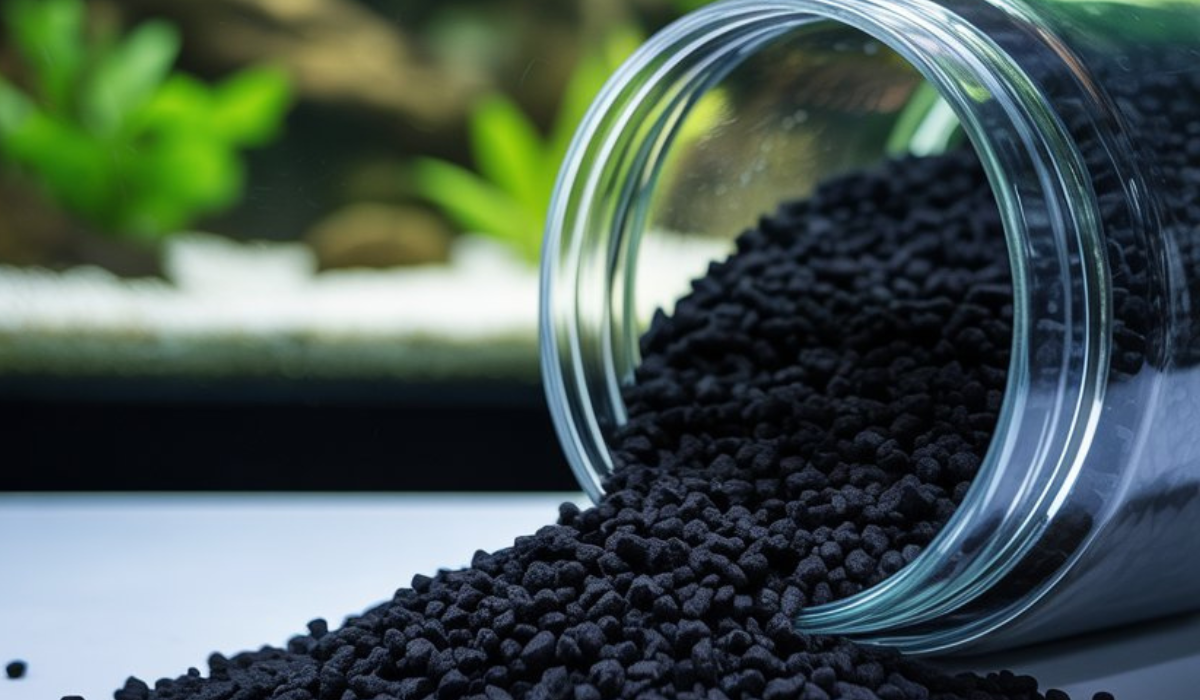
Aquarium carbon, commonly known as activated carbon, is one of the most widely used filtration media in both freshwater and saltwater aquariums. It plays an important role in keeping water clear, removing unwanted odors, and helping maintain a healthy aquatic environment. Many beginners hear about aquarium carbon when setting up their first filter, but understanding how it works and when to use it correctly can make a significant difference in tank maintenance and fish health.
Activated carbon is not a replacement for regular cleaning or biological filtration. Instead, it works as a chemical filtration method that absorbs dissolved impurities from the water. When used properly, aquarium carbon can enhance water clarity and improve the overall appearance of a tank while supporting a balanced ecosystem.
What Is Aquarium Carbon
Aquarium carbon is a specially processed form of carbon that has been treated to create millions of tiny pores on its surface. These pores allow it to trap and absorb chemicals, toxins, and organic compounds from aquarium water. Because of this high surface area, a small amount of activated carbon can filter a large volume of water effectively.
Most aquarium carbon is made from coconut shells, wood, or coal. It is usually sold in granules, pellets, or pre-filled filter cartridges designed to fit inside hang-on-back filters, canister filters, or internal filtration systems.
How Aquarium Carbon Works
Activated carbon works through a process called adsorption. Instead of filtering out physical debris like sponge filters or mechanical pads, carbon attracts dissolved substances and holds them on its surface. This helps remove discoloration, medication residue, and certain pollutants that normal filters cannot eliminate.
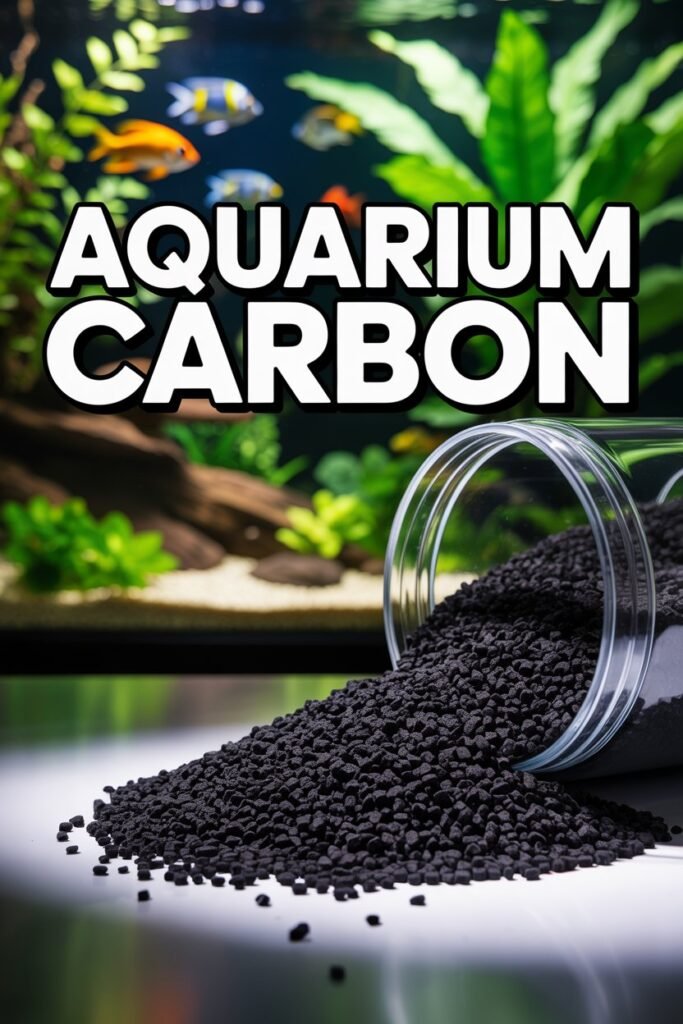
When water flows through carbon media, impurities attach to the porous surface. Over time, the carbon becomes saturated and loses its effectiveness, which is why it needs to be replaced regularly.
Benefits of Using Aquarium Carbon
One of the main advantages of aquarium carbon is its ability to create crystal-clear water. It removes tannins that may cause yellow or brown discoloration, making the aquarium look brighter and more appealing.
Another benefit is odor removal. If a tank develops an unpleasant smell due to organic waste, carbon can help neutralize it quickly. Many aquarists also use activated carbon after medicating fish to remove leftover chemicals from the water.
Carbon can also help polish the water, improving light penetration and enhancing the appearance of fish and plants.
When to Use Aquarium Carbon
Aquarium carbon is especially useful in certain situations. After adding medication, carbon helps remove chemical residues once treatment is complete. It is also helpful when setting up a new aquarium that has cloudy or tinted water.
Some aquarists use carbon continuously, while others prefer to use it only when needed. The decision depends on the goals of the aquarium and the type of fish or plants being kept.
Types of Aquarium Carbon
There are several types of activated carbon available for aquariums, each with slightly different characteristics.
| Type of Carbon | Main Feature | Best Use |
|---|---|---|
| Granular Activated Carbon | Small loose particles | General filtration |
| Pelletized Carbon | Larger uniform pieces | High-flow filters |
| Carbon Pads | Combined with filter floss | Quick installation |
| Premium Activated Carbon | High purity and low dust | Sensitive aquariums |
Choosing the right type depends on filter design and personal preference.
Aquarium Carbon in Freshwater Tanks
In freshwater aquariums, carbon is commonly used to maintain clear water and remove dissolved organic compounds. It is especially useful in tanks with driftwood that releases tannins or in community aquariums where water clarity is important for aesthetics.
However, some planted aquarium hobbyists avoid continuous carbon use because it may remove certain nutrients that plants need. In these setups, carbon is often used temporarily rather than permanently.
Aquarium Carbon in Saltwater Tanks
Saltwater aquariums frequently use activated carbon to maintain water purity. Reef tanks, in particular, benefit from carbon because it helps remove toxins released by corals and other marine organisms.
Marine aquarists often choose high-quality carbon with low phosphate content to avoid unwanted algae growth. Proper rinsing before use is essential to prevent fine particles from clouding the tank.
How to Add Aquarium Carbon to a Filter
Adding carbon to an aquarium filter is simple. Most filters have a designated chamber where chemical media can be placed. Carbon can be added in a mesh bag or pre-made cartridge.
Before placing it in the filter, rinse the carbon with clean water to remove dust. Position it in an area where water flow is strong so it can work efficiently.
How Often Should Aquarium Carbon Be Replaced
Activated carbon does not last forever. Once its pores are filled, it stops absorbing impurities. In most aquariums, carbon should be replaced every two to four weeks depending on tank size and bioload.
Some signs that carbon needs replacing include cloudy water, returning odors, or discoloration. Regular replacement ensures consistent filtration performance.
Common Mistakes When Using Aquarium Carbon
One common mistake is using too much carbon, which can remove beneficial compounds unnecessarily. Another issue is forgetting to replace it, leaving inactive carbon inside the filter.
Some beginners rely only on carbon for filtration, but it should always be used alongside mechanical and biological filtration for best results.
Do All Aquariums Need Carbon
Not every aquarium requires continuous carbon use. Many experienced aquarists run tanks successfully without it by focusing on strong biological filtration and regular water changes.
Carbon is best viewed as a helpful tool rather than a mandatory component. It is particularly useful for polishing water, removing medications, or addressing specific water quality issues.
Aquarium Carbon vs Other Chemical Media
Activated carbon is often compared with other chemical filtration media such as zeolite or resin-based products. While zeolite removes ammonia and resins target specific contaminants, carbon offers broad-spectrum removal of dissolved organic compounds.
Each type of media has its own purpose, and many aquarists combine them depending on the needs of their aquarium.
Aquarium Carbon and Fish Health
When used properly, aquarium carbon supports fish health by removing harmful substances and improving water clarity. Clear water allows better light penetration, which enhances fish coloration and natural behavior.
However, during medication treatments, carbon should be removed from the filter because it may absorb the medicine before it can work effectively.
Tips for Getting the Best Results
Use high-quality activated carbon from trusted aquarium brands. Always rinse it before adding to the filter to avoid dust buildup. Monitor water conditions regularly and replace carbon as part of your maintenance routine.
Balancing carbon use with proper feeding habits, water changes, and filtration ensures a stable and healthy aquarium environment.
Frequently Asked Questions
What does aquarium carbon do?
Aquarium carbon removes dissolved impurities, odors, and discoloration through chemical filtration.
Is aquarium carbon necessary for all fish tanks?
No, it is optional. Many aquariums function well without it, but it can improve water clarity and remove specific contaminants.
How long does aquarium carbon last?
Most activated carbon remains effective for about two to four weeks before needing replacement.
Can aquarium carbon remove medication?
Yes, activated carbon absorbs medications, so it should be removed during treatment and added back afterward if needed.
Does carbon affect beneficial bacteria?
No, beneficial bacteria mainly live on biological media and surfaces, not inside activated carbon.
Can I reuse aquarium carbon?
Generally, no. Once saturated, carbon cannot be fully reactivated at home and should be replaced.