
 By weeebooo70@gmail.com
Aquarium carpet plants are among the most popular choices for aquascaping enthusiasts. These low-growing plants create a lush, green carpet effect on the substrate, mimicking the look of a natural underwater meadow. Whether you are a beginner or an experienced aquarist, aquarium carpet plants can transform your tank into a vibrant and dynamic aquatic ecosystem.
In this comprehensive guide, we will explore what aquarium carpet plants are, their benefits, popular types, how to plant and care for them, and the best tips to keep them thriving in your aquarium.
What Are Aquarium Carpet Plants?
Aquarium carpet plants are low-growing aquatic plants that spread horizontally across the substrate, forming a dense, grassy layer at the bottom of the aquarium. Instead of growing tall, they spread outward, making them ideal for creating a natural-looking foreground in aquascapes.
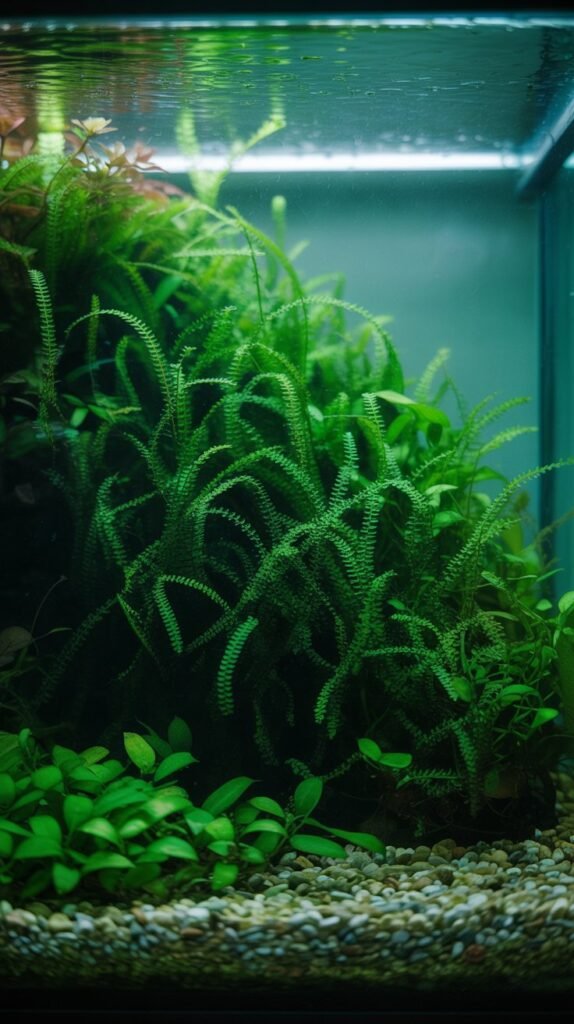
These plants are a staple in aquascaping styles such as Iwagumi, Dutch, and Nature aquariums. They not only enhance visual appeal but also contribute to a balanced ecosystem by improving water quality and providing shelter for small fish and shrimp.
Benefits of Aquarium Carpet Plants
Carpet plants are more than just beautiful—they play a functional role in your aquarium. Some of the major benefits include:
1. Aesthetic Appeal
- Creates a lush green carpet effect.
- Enhances the natural look of your aquascape.
- Complements rocks, driftwood, and other hardscape elements.
2. Improved Water Quality
- Absorbs nitrates and toxins from the water.
- Helps reduce algae growth by competing for nutrients.
- Oxygenates the water, improving the environment for fish.
3. Fish and Shrimp Habitat
- Provides hiding spots for fry and shrimp.
- Serves as a grazing area for algae-eating fish.
- Offers security for bottom-dwelling species.
4. Encourages Natural Behavior
- Small fish and invertebrates thrive in carpeted environments.
- Mimics natural riverbeds and lakes for a stress-free habitat.
Popular Types of Aquarium Carpet Plants
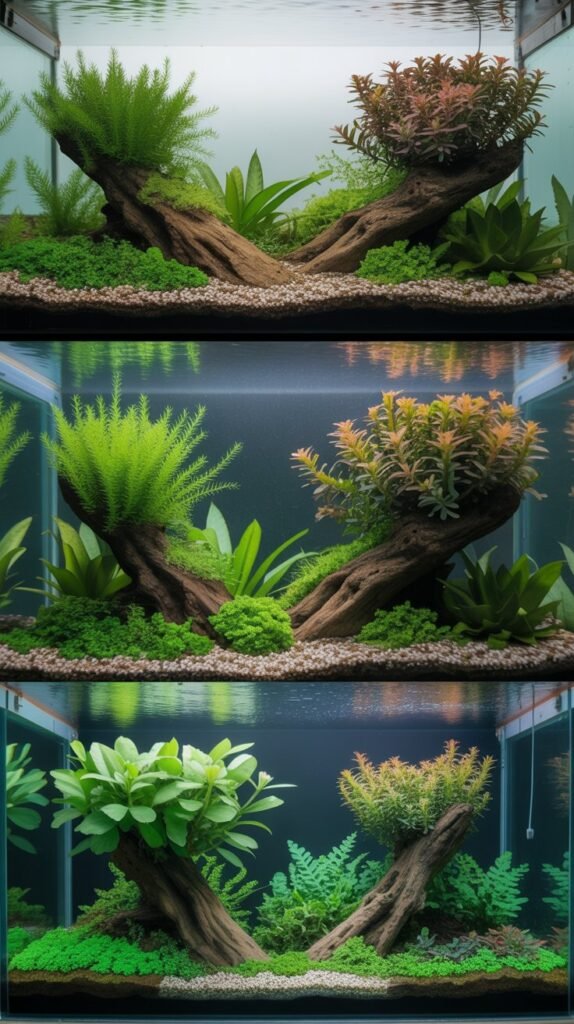
There are many types of carpet plants suitable for different setups. Some require CO₂ injection and strong lighting, while others are easier for beginners. Below are the most popular choices:
1. Dwarf Hairgrass (Eleocharis parvula)
- Grass-like plant with fine, green blades.
- Grows quickly under high light and CO₂.
- Easy to trim for a neat appearance.
2. Monte Carlo (Micranthemum tweediei)
- Popular beginner-friendly carpet plant.
- Forms dense mats with round leaves.
- Thrives in moderate light and CO₂.
3. Dwarf Baby Tears (Hemianthus callitrichoides)
- One of the smallest-leaved carpet plants.
- Creates a stunning dense foreground carpet.
- Requires high light and CO₂ for best growth.
4. Java Moss (Taxiphyllum barbieri)
- Extremely hardy and adaptable.
- Can be used as a carpeting plant with proper trimming.
- Great for beginners, does not require CO₂.
5. Glossostigma elatinoides (Glosso)
- Popular in professional aquascapes.
- Fast-growing with small green leaves.
- Demands high light and CO₂ supplementation.
6. Marsilea Hirsuta
- Easy carpet plant for beginners.
- Can grow in low to medium light.
- Resembles a small clover field in appearance.
7. Hydrocotyle Tripartita
- Unique carpeting plant with clover-shaped leaves.
- Fast-spreading under good light and CO₂.
- Provides a wild, natural look.
Requirements for Growing Aquarium Carpet Plants
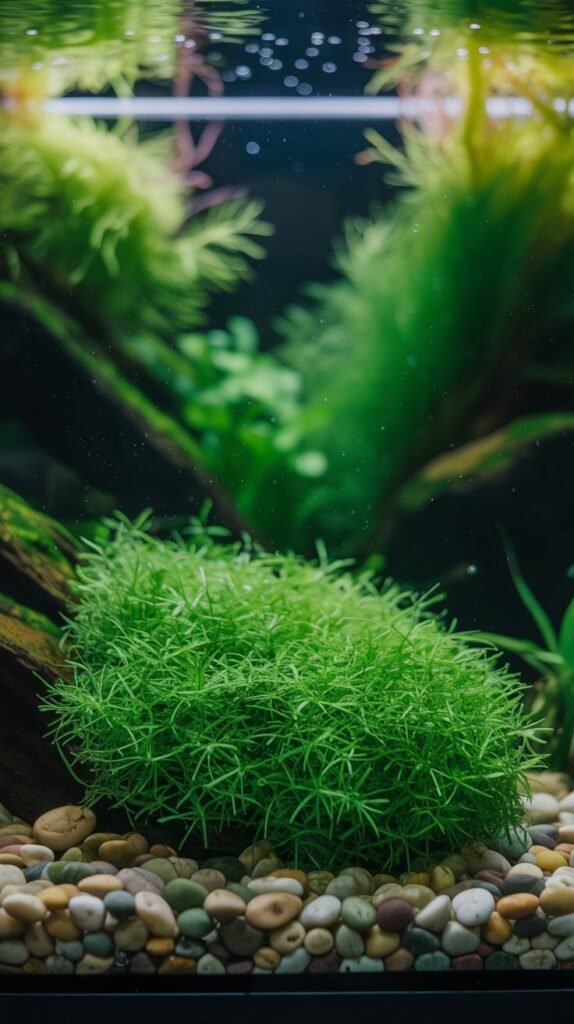
Carpet plants need specific conditions to thrive. While some can adapt to low-tech setups, most require light, nutrients, and CO₂ to spread effectively.
1. Lighting
- High light is essential for most carpet plants.
- Use full-spectrum LED aquarium lights for best results.
- Light duration: 8–10 hours daily.
2. CO₂ Injection
- Strongly recommended for fast growth and vibrant color.
- Essential for demanding plants like HC Cuba and Glosso.
- Beginner-friendly plants like Java Moss can grow without CO₂.
3. Nutrients and Substrate
- Rich nutrient substrate (aquarium soil or plant substrate).
- Supplement with liquid fertilizers and root tabs.
- Maintain proper balance to prevent algae.
4. Water Parameters
- pH: 6.0 – 7.5
- Temperature: 22 – 28°C (72 – 82°F)
- Soft to moderately hard water preferred.
How to Plant Aquarium Carpet Plants
Planting carpet plants requires patience and proper technique.
Step 1: Prepare the Substrate
- Use fine-grain aquarium soil or sand.
- Add root tabs for nutrient-demanding plants.
Step 2: Divide the Plants
- Separate tissue culture pots into small clumps.
- Plant in small patches to encourage spreading.
Step 3: Plant with Tweezers
- Use aquarium planting tweezers for precision.
- Bury roots gently into the substrate at a 45° angle.
Step 4: Provide Proper Conditions
- Maintain strong light and CO₂.
- Dose fertilizers regularly.
- Be patient, as carpeting can take weeks to months.
Maintenance of Aquarium Carpet Plants
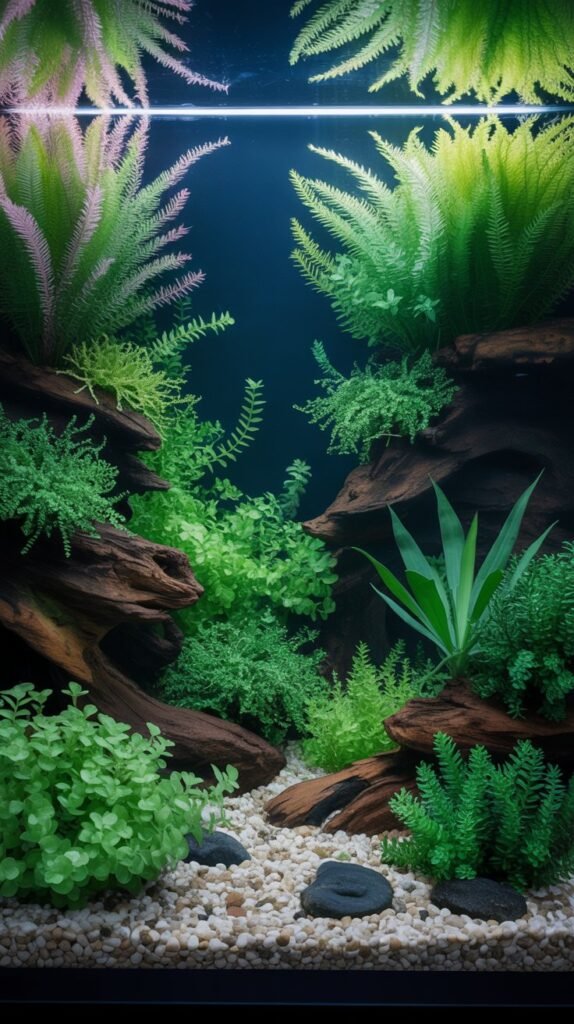
Keeping your carpet plants healthy requires ongoing care:
1. Regular Trimming
- Prevents overgrowth and maintains a neat appearance.
- Encourages horizontal spreading.
2. Nutrient Management
- Add fertilizers weekly (macro and micro nutrients).
- Monitor nitrate and phosphate levels.
3. Algae Control
- Avoid excessive lighting.
- Introduce algae-eating species like Amano shrimp.
4. Water Changes
- Perform 25–30% weekly water changes.
- Helps remove excess nutrients and keeps plants healthy.
Common Problems with Aquarium Carpet Plants
1. Yellowing or Melting Leaves
- Caused by nutrient deficiency or poor lighting.
- Remedy: Supplement fertilizers and increase light intensity.
2. Algae Overgrowth
- Due to excess light or poor water quality.
- Remedy: Adjust lighting and improve water circulation.
3. Slow Growth
- Often linked to lack of CO₂ or insufficient light.
- Remedy: Add CO₂ injection or upgrade lighting.
4. Uprooting
- Happens with strong currents or poor planting technique.
- Remedy: Plant deeper and in smaller clumps.
Best Carpet Plants for Beginners
If you are new to aquascaping, start with hardy, low-maintenance carpet plants:
- Java Moss
- Marsilea Hirsuta
- Monte Carlo
- Dwarf Hairgrass (with moderate light)
These species are easier to manage and don’t always require CO₂ injection.
Aquascaping Styles with Carpet Plants
Carpet plants play a vital role in different aquascaping styles:
- Iwagumi Style – Minimalist rock-based aquascape with lush carpets.
- Nature Aquarium – Mimics natural landscapes using carpet plants.
- Dutch Aquarium – Dense plant arrangement with foreground carpet species.
Conclusion
Aquarium carpet plants are the foundation of a beautiful aquascape. They not only enhance the appearance of your aquarium but also provide biological benefits for your fish and shrimp. With the right lighting, CO₂, and nutrients, you can grow a lush underwater carpet that will make your aquarium a breathtaking centerpiece.
Whether you choose beginner-friendly plants like Monte Carlo and Java Moss, or advanced species like Dwarf Baby Tears, the reward is a vibrant, natural-looking aquascape that brings your aquarium to life.
FAQs About Aquarium Carpet Plants
Q1: Do carpet plants need CO₂?
Most carpet plants grow best with CO₂, but some hardy species like Java Moss and Marsilea can survive without it.
Q2: How long does it take for carpet plants to grow?
Depending on the species, it may take 4–12 weeks for carpet plants to cover the substrate.
Q3: What is the easiest carpet plant for beginners?
Monte Carlo, Java Moss, and Marsilea Hirsuta are great beginner-friendly options.
Q4: Can carpet plants grow in sand?
Yes, but they require root tabs or liquid fertilizers since sand lacks nutrients.
Q5: How often should I trim carpet plants?
Trim every 2–4 weeks to encourage spreading and maintain a neat carpet.
Q6: Will fish uproot carpet plants?
Some digging species like cichlids may uproot them. Choose peaceful community fish for planted tanks.
Q7: Can carpet plants survive without fertilizer?
They may survive, but they won’t thrive. Fertilizers provide essential nutrients for healthy growth.