
 By weeebooo70@gmail.com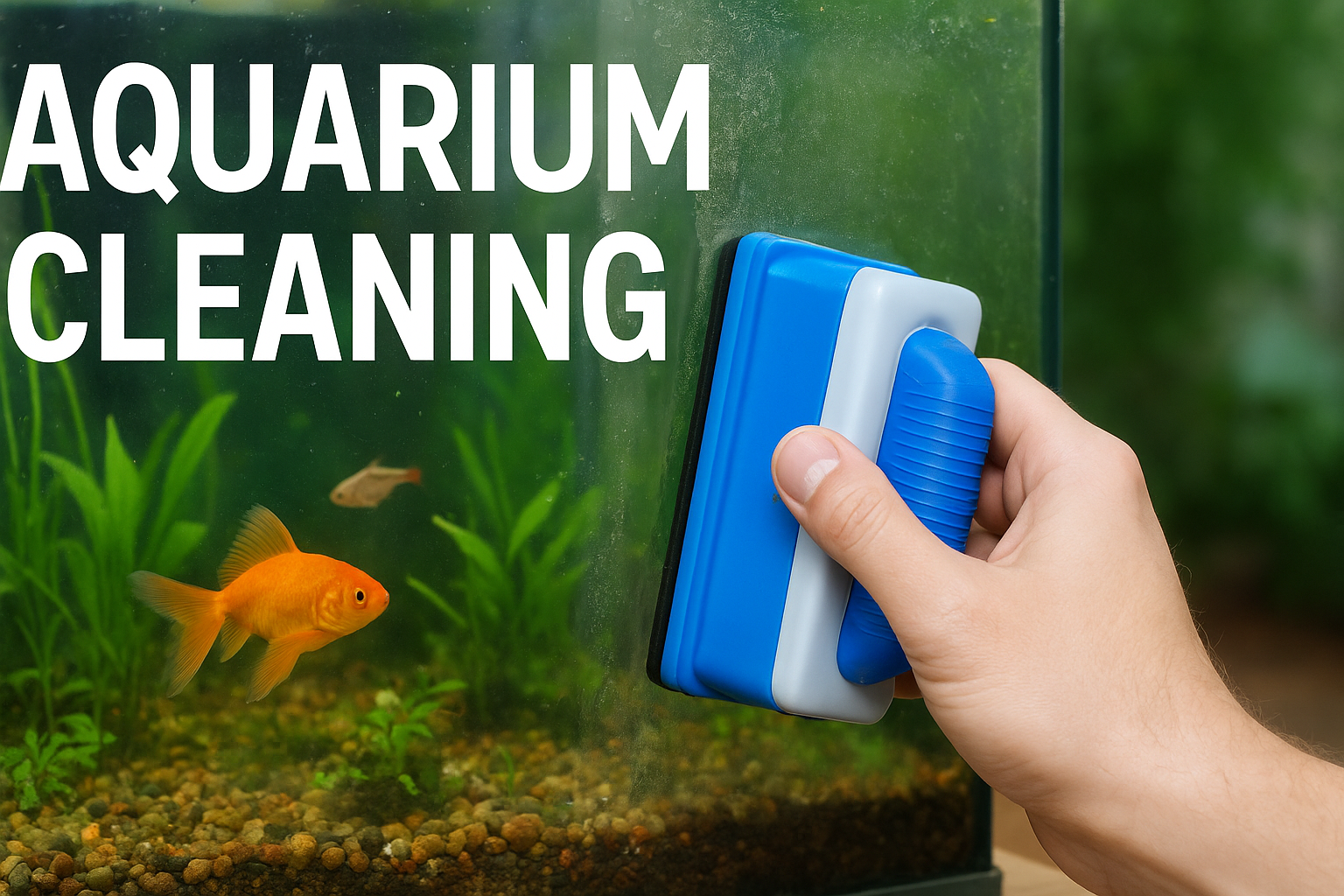
Maintaining a clean and beautiful aquarium is one of the most important responsibilities of every aquarist. No matter how carefully you manage your tank, algae and mineral deposits will eventually build up on the glass, making your aquarium look cloudy and unattractive. This is why aquarium glass cleaning is essential—not just for aesthetics, but also for the health and well-being of your fish.
In this comprehensive guide, we will cover everything about aquarium glass cleaning, including why it matters, the tools and methods you can use, step-by-step cleaning instructions, preventive measures, and expert tips. Whether you are a beginner or an experienced fish keeper, this article will help you achieve crystal-clear glass for a stunning aquarium display.
Why Aquarium Glass Cleaning is Important
- Better Visibility – Algae and water stains can make it difficult to see your fish clearly. Cleaning ensures a beautiful, unobstructed view.
- Healthy Environment – Excess algae can contribute to poor water quality and stress for fish. Regular cleaning helps maintain balance.
- Prevents Damage – Hard water stains and calcium deposits can etch into glass if left untreated, making it permanently cloudy.
- Improves Lighting – Clean glass allows maximum light penetration, which is crucial for plants and enhances the overall tank appearance.
- Aesthetic Appeal – A spotless aquarium becomes the centerpiece of any room and reflects your commitment to good fishkeeping.
Common Causes of Dirty Aquarium Glass
Before you learn how to clean your tank glass effectively, it’s important to understand why it gets dirty in the first place:
- Algae Growth: Green, brown, or black algae form naturally in aquariums due to light exposure and nutrients in the water.
- Hard Water Deposits: Calcium and magnesium from tap water leave behind white stains (lime scale).
- Biofilm Build-up: Bacteria and organic waste sometimes create a slimy layer on glass.
- Poor Tank Maintenance: Overfeeding and infrequent water changes increase algae growth.
- Excess Lighting: Long exposure to aquarium lights encourages algae blooms.
Types of Aquarium Glass Cleaning
Aquarium glass cleaning can be done in two ways:
- Internal Glass Cleaning (inside the tank)
- Removes algae, biofilm, and waste sticking to the inner walls.
- Requires tools safe for aquatic life.
- External Glass Cleaning (outside the tank)
- Deals with water splashes, fingerprints, and mineral stains.
- Requires non-toxic cleaners to avoid harming fish.
Best Tools for Aquarium Glass Cleaning
Choosing the right tools makes the process easier and safer. Here are the most commonly used items:
1. Magnetic Glass Cleaners
- Two-piece tool with a scrubber inside the tank and a magnet outside.
- Allows you to clean without getting your hands wet.
- Great for daily maintenance.
2. Algae Scrapers and Pads
- Made with non-scratch material to clean algae effectively.
- Long-handled versions help reach deep tanks.
- Blades (plastic or stainless steel) can remove tough algae.
3. Razor Blades (for glass tanks only)
- Used carefully to scrape stubborn green spot algae and mineral stains.
- Not safe for acrylic tanks as they cause scratches.
4. Aquarium Sponges
- Soft sponges specifically designed for aquariums.
- Avoid kitchen sponges with chemicals or detergents.
5. Vinegar Solution
- Useful for cleaning external glass and hard water stains.
- Always rinse thoroughly before contact with aquarium water.
6. Algae Eater Fish and Invertebrates
- Natural helpers like Siamese algae eaters, otocinclus catfish, nerite snails, and Amano shrimp graze on algae inside the tank.
- They reduce the cleaning workload.
Step-by-Step Guide: How to Clean Aquarium Glass
Here’s a practical guide to cleaning your aquarium glass safely and effectively:
Step 1: Gather Supplies
- Algae scraper or sponge
- Magnetic glass cleaner
- Razor blade (for stubborn algae)
- Vinegar solution (for outside glass)
- Clean cloth or microfiber towel
Step 2: Clean the Inside Glass
- Use a magnetic cleaner or scraper to remove algae.
- For stubborn spots, gently use a razor blade (glass tanks only).
- Move slowly to avoid scratching the glass.
Step 3: Clean the Outside Glass
- Spray a vinegar solution on a soft cloth (not directly on the glass).
- Wipe fingerprints, smudges, and water stains.
- Avoid household cleaners with ammonia or chemicals, as fumes may harm fish.
Step 4: Rinse Tools Thoroughly
- Wash all sponges, scrapers, and magnets with warm water.
- Avoid using soap or detergents, as they are toxic to fish.
Step 5: Regular Maintenance
- Incorporate glass cleaning into your weekly water change routine.
- Daily quick wipes with a magnetic cleaner prevent algae build-up.
Preventing Algae Build-up on Glass
Prevention is always easier than constant cleaning. Here are tips to reduce algae growth:
- Control Lighting – Limit aquarium light to 8–10 hours daily.
- Avoid Overfeeding – Uneaten food fuels algae growth. Feed only what fish can eat in 2–3 minutes.
- Maintain Water Quality – Regular water changes and proper filtration reduce excess nutrients.
- Introduce Algae Eaters – Fish like otocinclus or snails help naturally clean glass.
- Balance Live Plants – Plants compete with algae for nutrients, reducing growth.
- Monitor Sunlight Exposure – Keep your aquarium away from direct sunlight to avoid rapid algae blooms.
Cleaning Glass in Different Aquarium Types
Freshwater Aquariums
- Usually require cleaning for green algae and water stains.
- Algae eaters like mollies, plecos, and snails are highly effective.
Saltwater Aquariums
- Often develop coralline algae (purple and pink), which is harder to remove.
- Stronger scrapers or specialized magnets are needed.
- Always use reef-safe tools and cleaners.
Acrylic Aquariums
- Scratch more easily than glass tanks.
- Use only acrylic-safe scrapers and soft sponges.
- Avoid razor blades or hard scrubbers.
Mistakes to Avoid in Aquarium Glass Cleaning
- Using Household Cleaners – Chemicals like ammonia and bleach are toxic to fish.
- Scrubbing Too Hard – Can scratch the glass or acrylic.
- Not Rinsing Tools – Residue from soap or cleaning products can harm aquatic life.
- Over-relying on Algae Eaters – While helpful, they cannot clean everything.
- Ignoring Hard Water Deposits – If left too long, they become nearly impossible to remove.
Expert Tips for Crystal Clear Aquarium Glass
- Use a daily magnetic cleaner for quick maintenance.
- Clean the outside glass with a vinegar-water mix for a streak-free shine.
- Place a background sheet or aquarium wallpaper on the back glass to hide algae stains and improve tank aesthetics.
- Keep a separate set of cleaning tools only for your aquarium to prevent contamination.
- Schedule weekly mini-cleanings instead of waiting until algae becomes overwhelming.
FAQs About Aquarium Glass Cleaning
1. How often should I clean aquarium glass?
For best results, clean the glass weekly during water changes. Use a magnetic cleaner daily to prevent algae build-up.
2. Can I use Windex or glass cleaner on my aquarium?
No. Household cleaners contain harmful chemicals. Use a vinegar solution or aquarium-safe cleaners only.
3. What is the safest way to clean algae off acrylic aquariums?
Use acrylic-safe scrapers or sponges. Avoid razor blades or rough pads to prevent scratches.
4. Do algae eater fish keep aquarium glass completely clean?
No, they help control algae but cannot remove everything. Manual cleaning is still necessary.
5. How do I remove hard water stains from aquarium glass?
Use a vinegar solution and a soft sponge. For stubborn deposits, gently use a razor blade on glass tanks.
6. Can I clean the aquarium glass while fish are inside?
Yes, internal cleaning tools like scrapers and magnets are safe. Just avoid introducing chemicals into the water.
7. Why does algae keep growing back on my glass?
Excess nutrients, long lighting hours, and poor water maintenance encourage algae growth. Adjust feeding, lighting, and perform regular water changes.
8. Is it safe to use bleach for aquarium glass cleaning?
Never use bleach inside the aquarium. For outside glass cleaning, vinegar is a safer alternative.
9. How can I prevent streaks when cleaning the outside glass?
Use a microfiber cloth with a vinegar solution for a streak-free finish.
10. What is the best all-around tool for aquarium glass cleaning?
A magnetic glass cleaner is the most convenient for daily maintenance, while a scraper is best for stubborn algae.
Final Thoughts
Aquarium glass cleaning is an essential part of fishkeeping that ensures a clear view, healthy environment, and stunning display. With the right tools, proper techniques, and regular maintenance, you can keep your aquarium looking as beautiful as the day you set it up.
Remember: prevention is just as important as cleaning. By controlling lighting, feeding properly, and introducing natural algae eaters, you can reduce the need for frequent scrubbing.