
 By weeebooo70@gmail.com
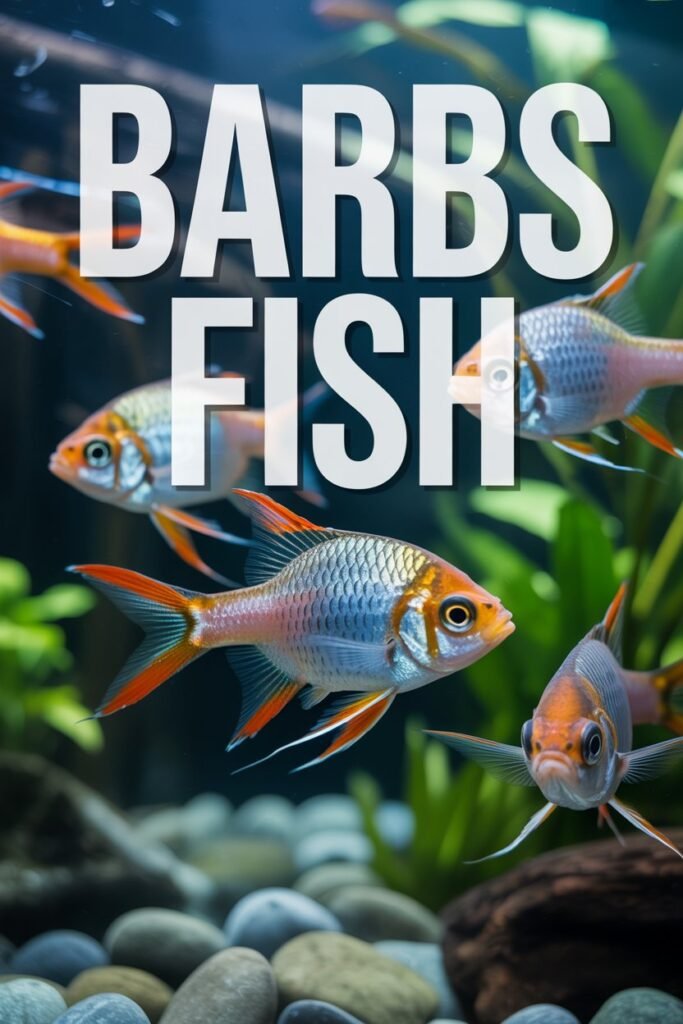
Barbs fish are energetic, colorful, and hardy freshwater fish that are extremely popular in community aquariums. Known for their active swimming and schooling behavior, barbs add constant movement and personality to tanks.
Most barbs belong to the family Cyprinidae, which also includes rasboras, danios, and goldfish. They are widely distributed across Asia and Africa and come in many sizes and colors.
In this complete guide, you’ll learn everything about Barbs fish — popular types, tank requirements, diet, compatibility, breeding, and expert care tips.
What Are Barbs Fish?
Barbs are small to medium-sized freshwater fish known for:
- Active schooling behavior
- Bright metallic colors
- Hardy nature
- Semi-aggressive tendencies (in some species)
They are ideal for aquarists who enjoy lively tanks with constant movement.
Natural Habitat
Barbs are commonly found in:
- Southeast Asia
- India
- Sri Lanka
- Parts of Africa
They live in:
- Rivers and streams
- Ponds
- Flooded fields
- Slow-moving freshwater bodies
Habitat Conditions:
- Moderate water flow
- Warm tropical temperatures
- Dense aquatic plants
- Sandy or rocky substrate
Popular Types of Barbs Fish

There are many barb species, but here are the most popular aquarium varieties:
1. Tiger Barb
Puntigrus tetrazona
- Orange body with black vertical stripes
- Very active and playful
- Can be fin-nippers
- Best kept in groups of 6+
2. Cherry Barb
Pethia titteya
- Bright red males
- Peaceful and shy
- Great for community tanks
- Excellent beginner choice
3. Gold Barb
Barbodes semifasciolatus
- Golden-yellow body
- Hardy and adaptable
- Calm compared to Tiger Barbs
4. Rosy Barb
Pethia conchonius
- Pinkish-red body
- Grows slightly larger
- Tolerates cooler water
5. Odessa Barb
Pethia padamya
- Metallic body with bright red stripe
- Stunning in planted tanks
- Active schooling fish
Tank Requirements

Barbs are generally hardy but need proper space.
Minimum Tank Size:
- 20 gallons (small species)
- 30–40 gallons (larger species like Rosy Barb)
Schooling Requirement:
Keep at least 6–8 barbs together. Larger schools reduce aggression.
Water Parameters:
- Temperature: 22–26°C (72–79°F)
- pH: 6.0–7.5
- Moderate hardness
- Good filtration
Tank Setup:
- Live plants
- Open swimming space
- Moderate water flow
- Secure lid (some species jump)
Diet
Barbs are omnivores.
In the Wild:
- Insects
- Small crustaceans
- Plant matter
In Aquarium:
Feed:
- High-quality flakes
- Pellets
- Frozen bloodworms
- Brine shrimp
- Blanched vegetables
Feed 1–2 times daily in small amounts.
Behavior and Temperament
Barbs are energetic and social.
Behavior Traits:
- Schooling fish
- Active swimmers
- Curious
- Some species nip fins
Tiger Barbs especially may nip long-finned fish if kept in small groups.
Tank Mates
Choose tank mates carefully based on species.
Good Tank Mates:
- Danios
- Corydoras
- Loaches
- Rasboras
- Other active community fish
Avoid:
- Bettas
- Angelfish
- Guppies
- Slow long-finned fish
Proper group size reduces aggression significantly.
Breeding Barbs
Barbs are egg scatterers.
Breeding Process:
- Separate breeding tank recommended
- Fine-leaved plants or spawning mop
- Female scatters eggs
- Parents may eat eggs
Eggs hatch within 24–48 hours.
Breeding is moderately easy for most species.
Common Problems
1. Fin Nipping
Caused by small group size.
2. Aggression
More common in Tiger Barbs.
3. Stress from Overcrowding
Provide enough swimming space.
Are Barbs Good for Beginners?
Yes — many species are excellent for beginners, especially:
- Cherry Barbs
- Gold Barbs
- Rosy Barbs
However, Tiger Barbs require proper group management to prevent aggression.
Expert Tips for Success
- Keep barbs in proper schools
- Avoid mixing with delicate fish
- Provide open swimming space
- Maintain clean, stable water
- Feed varied diet
Active tanks suit them best
Why Barbs Fish Are Popular
Barbs are loved because they are:
- Colorful
- Hardy
- Active and entertaining
- Suitable for community aquariums
Their constant movement adds energy to freshwater setups.
Final Thoughts
Barbs fish are lively, attractive, and relatively easy to care for, making them a favorite among freshwater hobbyists. While some species can be slightly aggressive, proper schooling and tank planning create a harmonious environment.
Whether you choose peaceful Cherry Barbs or bold Tiger Barbs, these fish bring energy and color to any aquarium.