
 By weeebooo70@gmail.com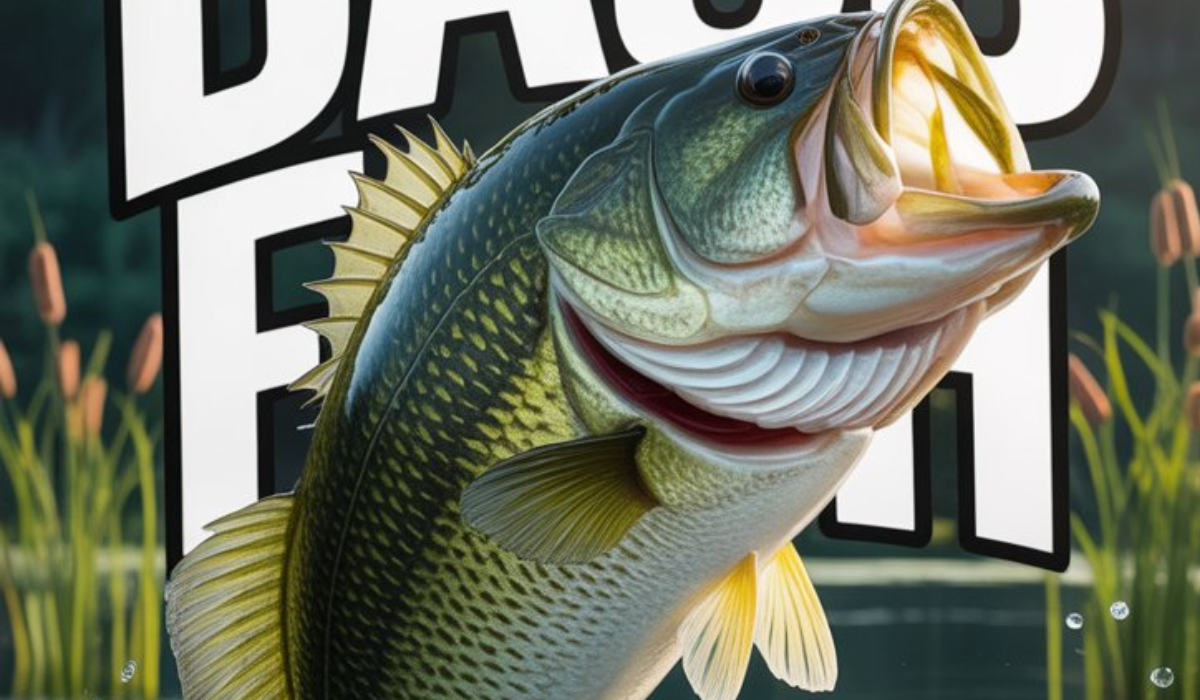
Bass fish are among the most popular and widely recognized freshwater fish in the world. Known for their strength, aggressive feeding behavior, and adaptability, bass fish are valued both as sport fish and as fascinating aquatic species. Whether you are interested in bass for fishing knowledge, biological understanding, or aquarium curiosity, learning about bass fish provides insight into one of the most successful freshwater predators.
This detailed guide covers everything about bass fish, including types, natural habitat, behavior, diet, reproduction, and care considerations.
What Is a Bass Fish
Bass fish generally refer to several species of freshwater fish belonging primarily to the sunfish family. These fish are characterized by their robust bodies, large mouths, and predatory nature.
Bass fish are native to freshwater systems and are commonly found in lakes, rivers, ponds, and reservoirs.
Why Bass Fish Are So Popular
Bass fish are popular because of their aggressive strikes, fast growth, and adaptability to various environments. They are highly valued in recreational fishing and are often used as indicator species for freshwater ecosystem health.
Their intelligence and behavior also make them interesting to study.
Types of Bass Fish
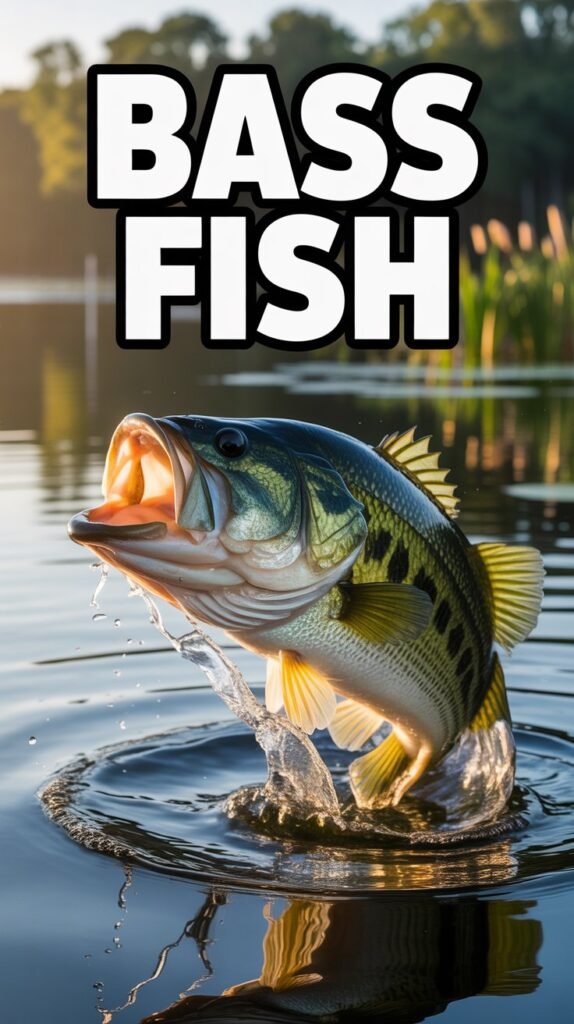
There are multiple species commonly referred to as bass fish, each with unique traits and habitat preferences.
Largemouth Bass
Largemouth bass are the most well-known bass species. They have a wide mouth that extends past the eye and prefer warm, calm waters.
This species is highly aggressive and known for powerful strikes.
Smallmouth Bass
Smallmouth bass have a smaller mouth and bronze coloration. They prefer cooler, clearer waters with rocky bottoms.
Smallmouth bass are known for their strength and endurance.
Spotted Bass
Spotted bass share traits with both largemouth and smallmouth bass. They are commonly found in rivers and reservoirs.
This species adapts well to different water conditions.
Striped Bass
Striped bass are larger and more powerful. They are often found in both freshwater and saltwater environments.
They are migratory and known for schooling behavior.
White Bass
White bass are smaller and lighter in color. They prefer open water and are often found in schools.
They are active feeders and grow quickly.
Natural Habitat of Bass Fish
Bass fish thrive in freshwater environments with adequate cover and food sources. They prefer areas with vegetation, submerged structures, and stable water temperatures.
Bass adapt well to both natural and man-made water bodies.
Water Conditions Preferred by Bass Fish
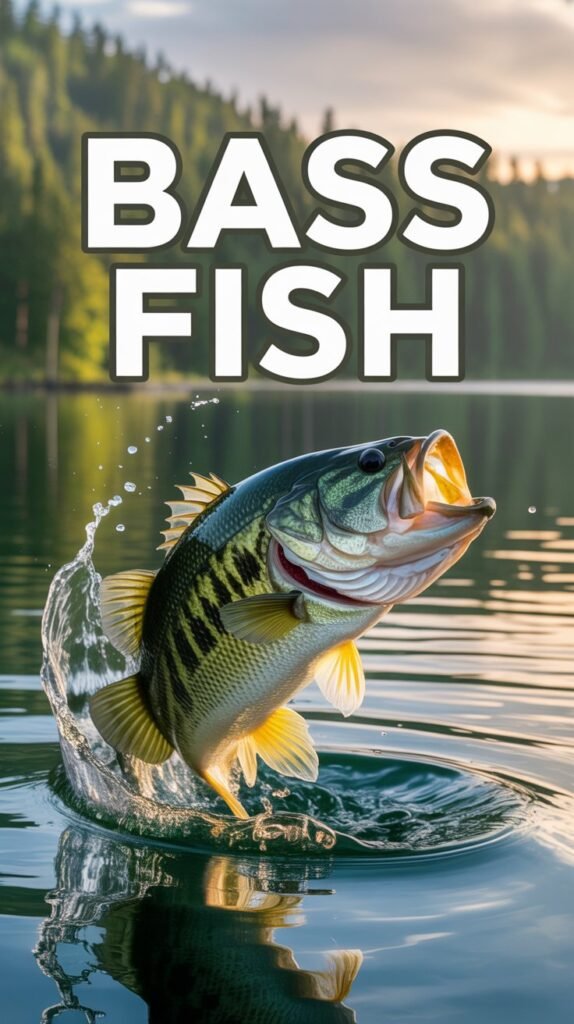
Bass fish prefer moderately warm water with good oxygen levels. Water clarity varies by species, with some preferring clear water and others tolerating murkier conditions.
Stable water parameters support healthy growth.
Bass Fish Behavior
Bass fish are territorial predators. They often ambush prey rather than chase it over long distances.
Their behavior changes based on season, water temperature, and breeding cycles.
Feeding Habits of Bass Fish
Bass fish are carnivorous. They feed on smaller fish, insects, crustaceans, and amphibians.
Their diet shifts as they grow, starting with plankton and insects before moving to larger prey.
Bass Fish Growth and Lifespan
Bass fish grow rapidly under ideal conditions. Growth rate depends on food availability, water quality, and temperature.
With proper conditions, bass can live for many years.
Bass Fish Reproduction
Bass fish reproduce through spawning. Males typically create nests and guard eggs until they hatch.
Spawning usually occurs in warmer months when water temperatures rise.
Role of Bass Fish in Ecosystems
Bass fish help control populations of smaller fish and insects. They play a key role in maintaining ecological balance.
Healthy bass populations indicate a well-functioning freshwater ecosystem.
Bass Fish and Water Quality
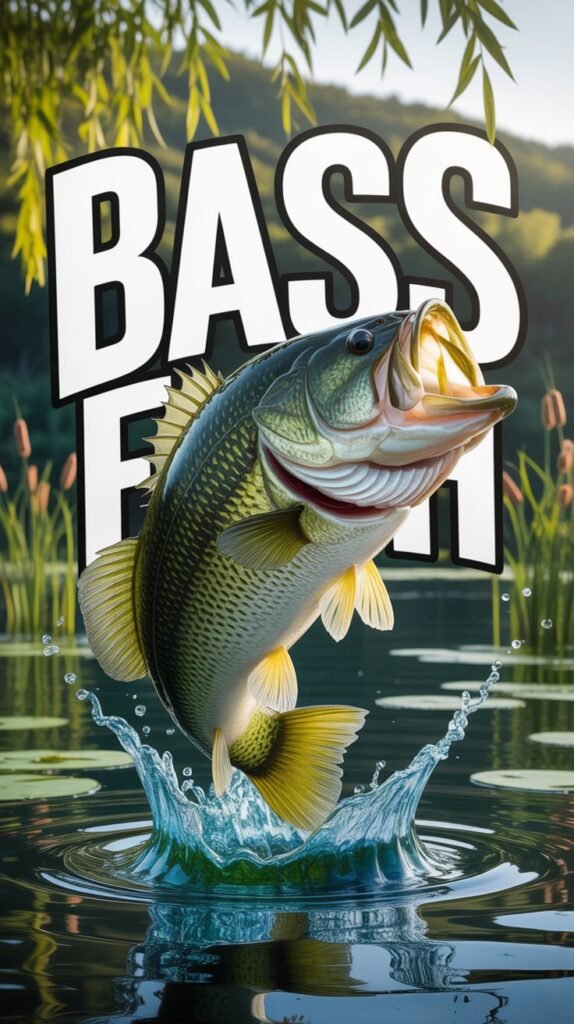
Bass fish are moderately tolerant of water quality changes but thrive best in clean, oxygen-rich water.
Poor water quality can reduce growth and reproduction.
Can Bass Fish Be Kept in Aquariums
Bass fish are not ideal for home aquariums due to their size, aggression, and space requirements.
They are better suited for ponds or large, controlled environments.
Bass Fish in Ponds
Bass fish are commonly stocked in ponds to control prey species. Proper management is required to prevent overpopulation.
Balanced stocking supports healthy growth.
Bass Fish Diet in Captivity
In managed environments, bass fish are fed live prey or high-protein formulated diets.
Consistent feeding supports growth and health.
Common Health Issues in Bass Fish
Bass fish can suffer from parasites, bacterial infections, and stress-related issues if water quality is poor.
Regular monitoring reduces health risks.
Bass Fish Adaptability
Bass fish are highly adaptable and can survive in a wide range of conditions.
This adaptability contributes to their widespread distribution.
Differences Between Bass Fish Species
Each bass species differs in size, habitat preference, and behavior.
Understanding these differences helps in proper management and identification.
Bass Fish Identification Tips
Identification is based on mouth size, body shape, coloration, and markings.
Correct identification is important for ecological management.
Bass Fish Size Comparison Table
| Bass Species | Average Size | Habitat Preference |
|---|---|---|
| Largemouth bass | Large | Warm, calm water |
| Smallmouth bass | Medium | Cool, rocky water |
| Spotted bass | Medium | Rivers, reservoirs |
| Striped bass | Very large | Mixed environments |
| White bass | Small to medium | Open freshwater |
Bass Fish for Beginners
Beginners interested in bass should focus on learning behavior, habitat needs, and ecosystem roles rather than aquarium keeping.
Bass are best appreciated in natural or managed outdoor environments.
Bass Fish for Advanced Enthusiasts
Advanced enthusiasts may study bass behavior, population management, and breeding patterns.
Knowledge helps support sustainable environments.
Conservation and Bass Fish
Sustainable practices protect bass populations and ecosystems. Responsible management ensures long-term survival.
Balanced ecosystems benefit both fish and humans.
Long-Term Importance of Bass Fish
Bass fish contribute to recreation, ecology, and education. Their presence supports biodiversity and water system health.
They remain one of the most important freshwater fish species worldwide.
Frequently Asked Questions About Bass Fish
What type of fish is a bass?
Bass are freshwater predatory fish belonging mainly to the sunfish family.
Are bass fish aggressive?
Yes, bass fish are known for territorial and aggressive feeding behavior.
Can bass fish live in aquariums?
They are not suitable for standard home aquariums due to size and aggression.
What do bass fish eat?
They eat smaller fish, insects, crustaceans, and amphibians.
How long do bass fish live?
With proper conditions, bass fish can live for many years.
Where are bass fish commonly found?
They are found in lakes, rivers, ponds, and reservoirs.
Are bass fish important to ecosystems?
Yes, they help maintain population balance and ecosystem health.