
 By weeebooo70@gmail.com
Brackish water fish are fascinating species that thrive in water with salinity levels between freshwater and full marine conditions. These fish are commonly found in estuaries, mangroves, river mouths, and coastal lagoons where rivers meet the ocean.
Brackish aquariums are unique and often misunderstood, but they offer the opportunity to keep some of the most interesting and interactive fish in the hobby.
In this complete guide, you’ll learn everything about brackish water fish — what brackish water is, popular species, tank setup, salinity management, diet, compatibility, and expert care tips.
What Is Brackish Water?
Brackish water is a mix of freshwater and saltwater.
Salinity Range:
- Specific Gravity (SG): 1.005–1.015
- Lower than marine tanks
- Higher than freshwater
It naturally occurs in:
- Estuaries
- Mangrove swamps
- Coastal river mouths
- Tidal lagoons
Many fish species have evolved to tolerate fluctuating salinity levels.
Why Keep a Brackish Aquarium?
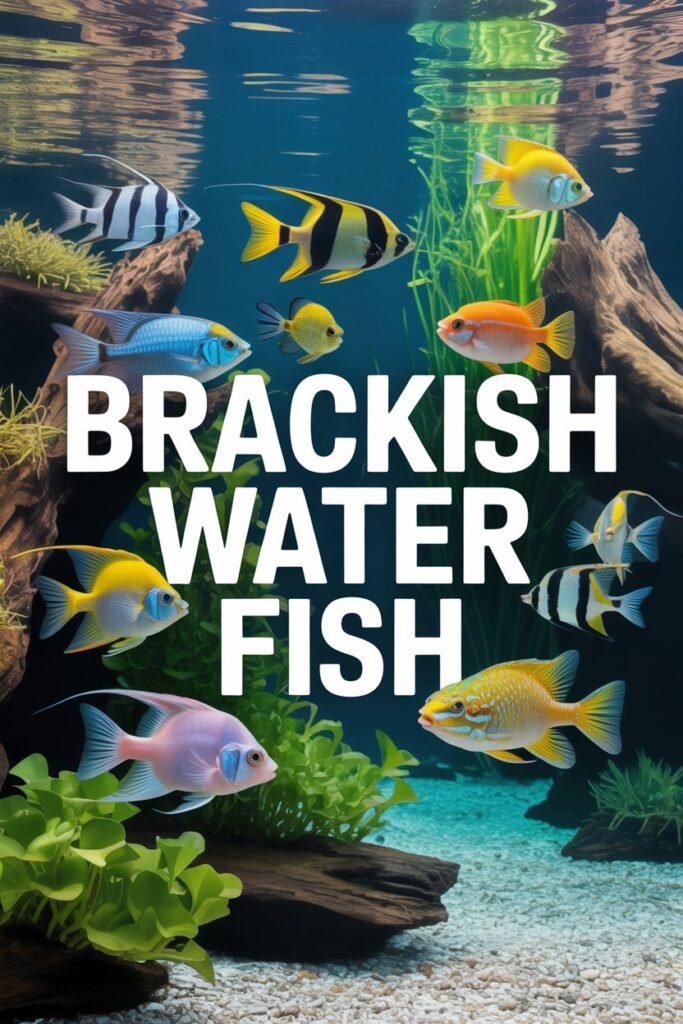
Brackish aquariums offer:
- Unique species not found in typical freshwater tanks
- Fascinating behaviors
- Natural mangrove-style setups
- Transitional ecosystems
However, they require proper salt management and species selection.
Popular Brackish Water Fish
Here are some of the most popular species kept in brackish aquariums:
1. Figure 8 Puffer
Tetraodon biocellatus
- Small and highly intelligent
- Yellow and black markings
- Requires moderate brackish water
- Can be aggressive
2. Green Spotted Puffer
Dichotomyctere nigroviridis
- Bright green body with black spots
- Juveniles tolerate lower salinity
- Adults require higher brackish to marine conditions
- Strong personality
3. Archerfish
Toxotes jaculatrix
- Famous for shooting water at insects
- Active surface swimmer
- Needs large tank
- Schooling species
4. Mono Fish
Monodactylus argenteus
- Silver, disk-shaped body
- Schooling fish
- Grows large
- Needs high salinity brackish water
5. Scat Fish
Scatophagus argus
- Spotted body
- Herbivorous tendencies
- Large and active
- Eventually need high salinity
6. Bumblebee Goby
Brachygobius doriae
- Small and colorful
- Black and yellow stripes
- Requires brackish water
- Peaceful but territorial
Brackish Water Tank Setup
Tank Size:
- 20 gallons minimum (small species)
- 55+ gallons for larger fish like Monos or Scats
Substrate:
- Sand or fine gravel
Decor:
- Driftwood
- Rocks
- Mangrove roots
- Hardy plants (Java fern, Anubias in low salinity)
Filtration:
- Strong filtration
- Moderate water flow
- Regular water changes
Managing Salinity
Proper salinity is essential.
How to Add Salt:
- Use marine aquarium salt (not table salt)
- Dissolve salt in separate container before adding
- Use hydrometer or refractometer to measure SG
Never guess salinity levels — always measure.
Diet of Brackish Fish
Most brackish species are omnivores or carnivores.
Feed:
- Frozen shrimp
- Bloodworms
- Crustaceans
- Marine pellets
- Algae (for Scats)
Puffers require hard foods to prevent tooth overgrowth.
Behavior and Compatibility
Brackish fish vary in temperament.
Peaceful:
- Mono Fish (when kept in groups)
- Scats (if properly housed)
Semi-Aggressive:
- Archerfish
- Bumblebee Gobies
Aggressive:
- Puffers (especially toward tank mates)
Always research compatibility before mixing species.
Common Problems
1. Incorrect Salinity
Many fish die from improper salt levels.
2. Mixing Freshwater & Brackish Species
Freshwater fish cannot tolerate brackish conditions long term.
3. Underestimating Adult Size
Monos and Scats grow large and need big tanks.
Are Brackish Fish Good for Beginners?
They can be — if you:
- Understand salinity control
- Research species requirements
- Maintain stable parameters
Small brackish setups (like Bumblebee Gobies) can be beginner-friendly with proper care.
Expert Tips for Success
- Always cycle tank before adding fish
- Increase salinity gradually if required
- Research adult size carefully
- Avoid overcrowding
- Monitor water parameters regularly
Planning is essential in brackish aquariums.
Why Brackish Fish Are So Interesting
Brackish species are unique because they:
- Live in transitional ecosystems
- Display unusual behaviors
- Often change salinity needs as they mature
- Offer something different from standard freshwater tanks
They provide a bridge between freshwater and marine fishkeeping.
Final Thoughts
Brackish water fish are fascinating and rewarding for aquarists willing to manage salinity properly. From intelligent puffers to schooling Monos and insect-shooting Archerfish, these species offer personality and excitement.
With the right setup, stable salinity, and careful species selection, a brackish aquarium can become a stunning and unique display in your home.