
 By weeebooo70@gmail.com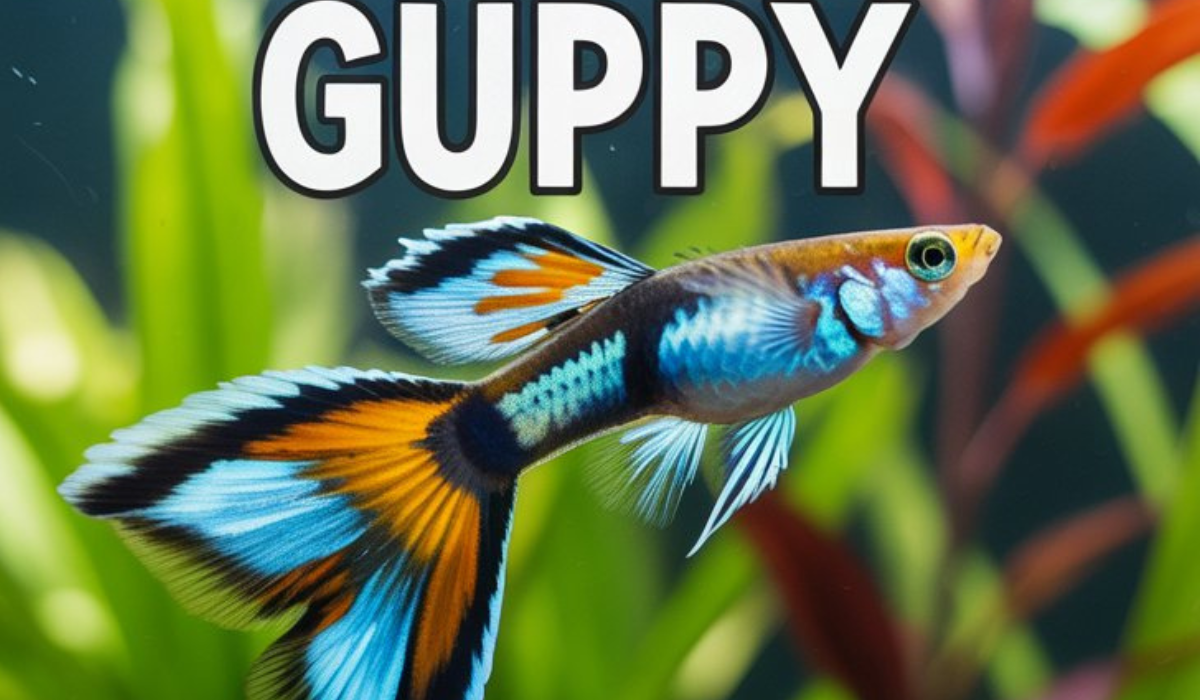
The Endler Guppy is one of the most vibrant and fascinating nano fish in the aquarium hobby. Known for its electric colors, small size, and energetic personality, this fish is ideal for planted tanks and nano aquariums. Many hobbyists love Endlers because they are hardy, easy to breed, and constantly active, making them visually engaging in any setup.
This detailed guide explains everything you need to know about Endler Guppy care, types, breeding, tank setup, feeding, lifespan, and common mistakes. Whether you are a beginner or an advanced aquarist, this guide will help you keep healthy and colorful Endlers.
What Is an Endler Guppy?
The Endler Guppy, scientifically known as Poecilia wingei, is a small livebearing fish closely related to the common guppy Poecilia reticulata. While they look similar, Endlers are a separate species with distinct color patterns and body characteristics.
They were rediscovered in the 1970s by Dr. John Endler in Venezuela, which is how they got their common name. In the wild, they are found in small freshwater lagoons and ponds.
Key Characteristics of Endler Guppy
Endlers are smaller and more compact than standard guppies. Here are their main traits:
Size
Males grow around 1 inch, while females reach about 1.5 inches.
Color
Males display neon orange, green, black, yellow, and metallic blue patterns. Females are usually silver or light gray.
Tail
Unlike fancy guppies, Endlers typically have smaller, rounded or short tails.
Body Shape
Slim and torpedo-shaped, built for active swimming.
Behavior
Extremely active, social, and peaceful.
Types of Endler Guppy
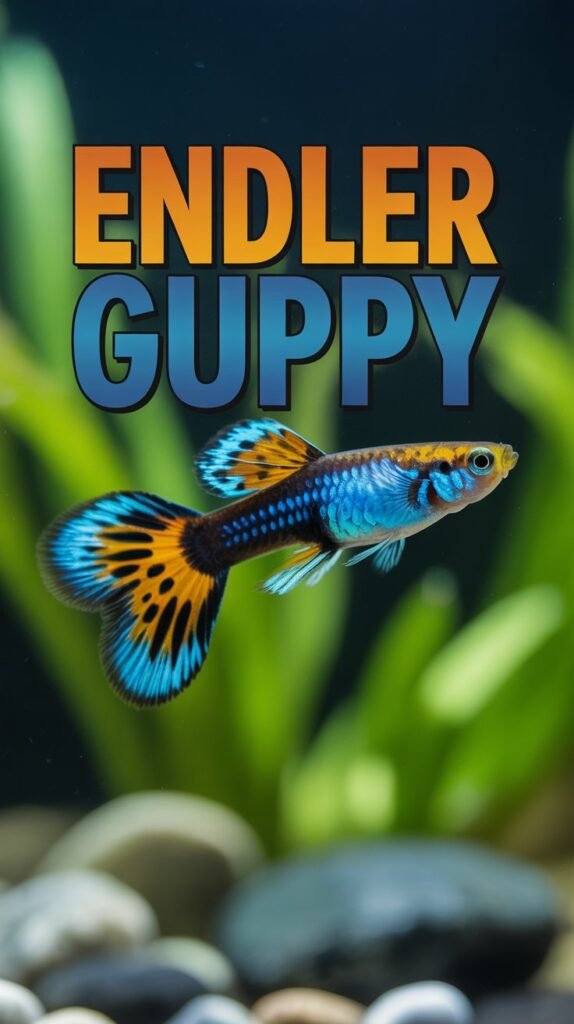
Over time, hobbyists have developed multiple strains and classifications.
1. Wild Type Endler
Closest to natural coloration found in Venezuela. Smaller tail and intense random color patches.
2. Black Bar Endler
Features distinct black vertical markings on the body.
3. Tiger Endler
Has striped orange and black pattern resembling tiger stripes.
4. Peacock Endler
Displays bright metallic green and blue patches.
5. Red Chest Endler
Characterized by a bright red or orange chest area.
6. Hybrid Endler
Cross between Endlers and standard guppies. These may have larger tails and mixed features.
Pure strains are preferred by breeders who want to maintain genetic integrity.
Ideal Tank Setup for Endler Guppy
Endlers are hardy, but proper setup ensures optimal health and color.
Tank Size
Minimum 5 gallons for a small group. A 10-gallon tank is ideal for stable water conditions.
Water Parameters
| Parameter | Ideal Range |
|---|---|
| Temperature | 22°C – 28°C |
| pH | 6.8 – 8.0 |
| Hardness | Moderate to hard |
| Ammonia | 0 ppm |
| Nitrite | 0 ppm |
| Nitrate | Below 20 ppm |
Consistency is more important than exact numbers.
Filtration
Use a sponge filter or low-flow filter. Endlers enjoy gentle movement but not strong current.
Plants and Decoration
Heavily planted tanks work best. Use floating plants, moss, and fine-leaf plants to provide hiding spaces for fry.
Feeding Endler Guppy
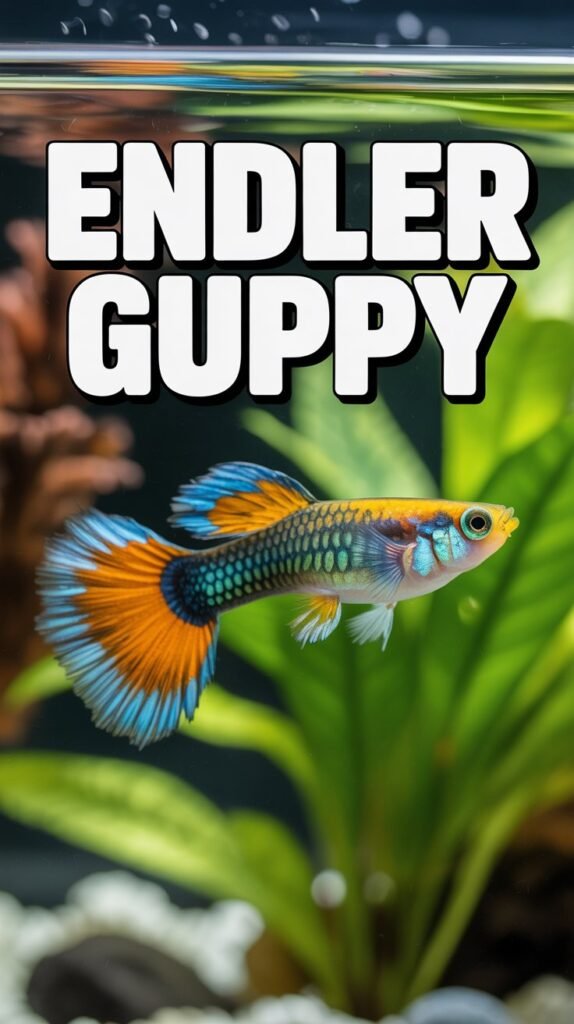
Endlers are omnivores and accept a wide variety of foods.
Staple Diet
High-quality micro flakes or nano pellets.
Live or Frozen Foods
Baby brine shrimp, daphnia, microworms.
Vegetable-Based Foods
Spirulina flakes improve coloration.
Feed small amounts twice daily. Overfeeding can lead to poor water quality.
Tank Mates Compatibility
Endlers are peaceful and do well in community tanks.
Suitable tank mates include:
• Small tetras
• Corydoras
• Rasboras
• Shrimp
• Snails
Avoid large or aggressive fish that may eat them due to their small size.
Breeding Endler Guppy
Breeding Endlers is very easy.
Male to Female Ratio
Keep one male with two or three females.
Gestation Period
About 23 to 30 days.
Fry Size
Very small but independent immediately after birth.
Unlike egg-laying fish, Endlers give birth to live fry. In planted tanks, some fry will survive naturally without separation.
If you want higher survival rates, use breeding boxes or separate grow-out tanks.
Lifespan of Endler Guppy
Endlers typically live 2 to 3 years with proper care. Stable water, balanced diet, and low stress significantly increase lifespan.
Differences Between Endler and Fancy Guppy
Size
Endlers are smaller.
Tail
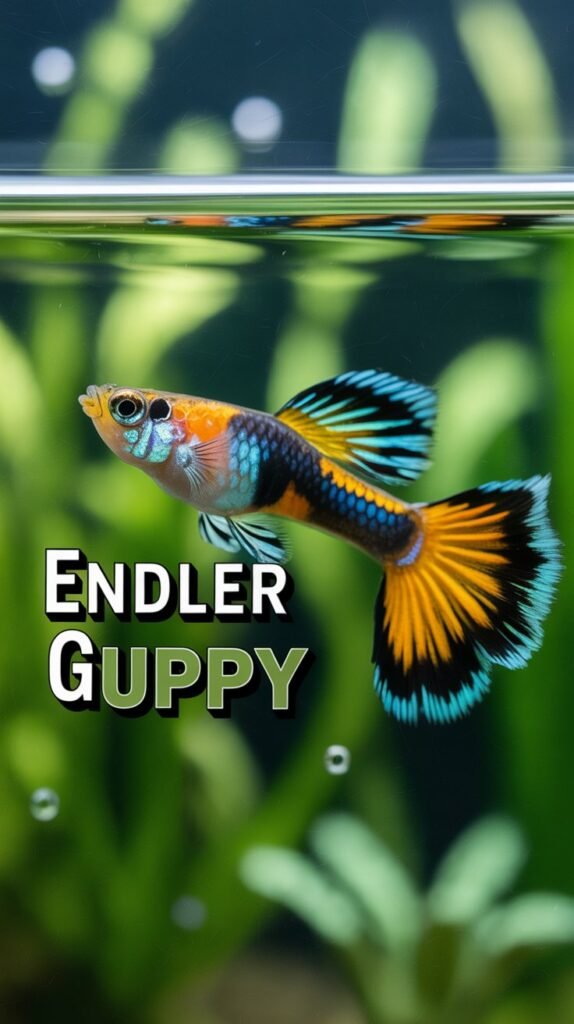
Fancy guppies have larger decorative tails, while Endlers have smaller tails.
Color Pattern
Endlers show more random neon patches rather than solid body colors.
Hardiness
Endlers are often considered slightly more hardy.
Genetics
They are a distinct species, though hybrids exist.
Maintaining Pure Endler Strains
If you want pure Endlers:
Do not mix with regular guppies.
Buy from reputable breeders.
Separate strains to avoid accidental crossbreeding.
Hybridization can permanently alter pure bloodlines.
Common Health Issues
Endlers are hardy but can suffer from:
Ich
White spots on body due to stress.
Fin Rot
Usually caused by poor water quality.
Internal Parasites
Symptoms include weight loss despite eating.
Regular water changes and quarantine procedures prevent most problems.
Why Endler Guppy Is So Popular
Brilliant Colors
Their neon shades stand out in planted tanks.
Small Size
Perfect for nano aquariums.
Easy Breeding
Great for beginner breeders.
Active Behavior
Constant movement makes tanks lively.
Low Maintenance
Adaptable and forgiving fish.
Creating the Perfect Planted Tank for Endlers
To enhance their natural beauty:
Use dark substrate for contrast.
Add dense plants for security.
Provide open swimming space.
Maintain clean water with weekly water changes.
Endlers look most impressive in natural-style aquascapes.
Cost and Availability
Endlers are generally affordable. Rare strains or pure lines may cost more. Hybrid Endlers are usually cheaper than certified pure strains.
Are Endler Guppies Good for Beginners?
Yes, they are excellent for beginners because:
They tolerate small mistakes.
They breed easily.
They adapt to various water conditions.
They require minimal specialized care.
However, beginners should still cycle the tank properly before adding fish.
Conclusion
The Endler Guppy is a vibrant, energetic, and beginner-friendly freshwater fish that adds life and color to any aquarium. With proper care, stable water parameters, and a balanced diet, these small livebearers thrive and reproduce readily. Whether you are keeping a nano tank or building a breeding colony, Endlers offer beauty, simplicity, and enjoyment for aquarists at every level.
Frequently Asked Questions
Are Endler Guppies the same as regular guppies?
No, they are a separate species called Poecilia wingei, though they are closely related and can hybridize.
How many Endlers should be kept together?
Keep at least 4 to 6 together. Maintain more females than males.
Can Endlers live in a 5-gallon tank?
Yes, a small group can live in a 5-gallon tank, but 10 gallons is better for stability.
Do Endler Guppies need a heater?
In most climates, yes. Maintain temperature between 22°C and 28°C.
How fast do Endlers reproduce?
They reproduce quickly, giving birth roughly every month.
Can Endlers live with shrimp?
Yes, they are generally shrimp-safe, though they may eat very tiny baby shrimp.
How long do Endler Guppies live?
Typically 2 to 3 years with proper care.
Do Endlers require special food?
No, but high-quality nano pellets and occasional live food improve health and color.