
 By weeebooo70@gmail.com
A fish tank is more than just a glass box filled with water. It is a carefully balanced ecosystem that provides a safe and healthy environment for aquatic life. Whether you are setting up your first aquarium or upgrading to a larger system, understanding how a fish tank works is essential for long-term success.
In this complete guide, you will learn everything about fish tanks, including types, sizes, setup steps, maintenance, filtration, decoration ideas, and common beginner mistakes.
What Is a Fish Tank?
A fish tank, also called an aquarium, is a transparent container designed to house fish and other aquatic organisms. It replicates natural underwater environments while allowing owners to observe and enjoy aquatic life.
Modern fish tanks come in various shapes, materials, and designs to suit homes, offices, and commercial spaces.
Types of Fish Tanks
Freshwater Fish Tank
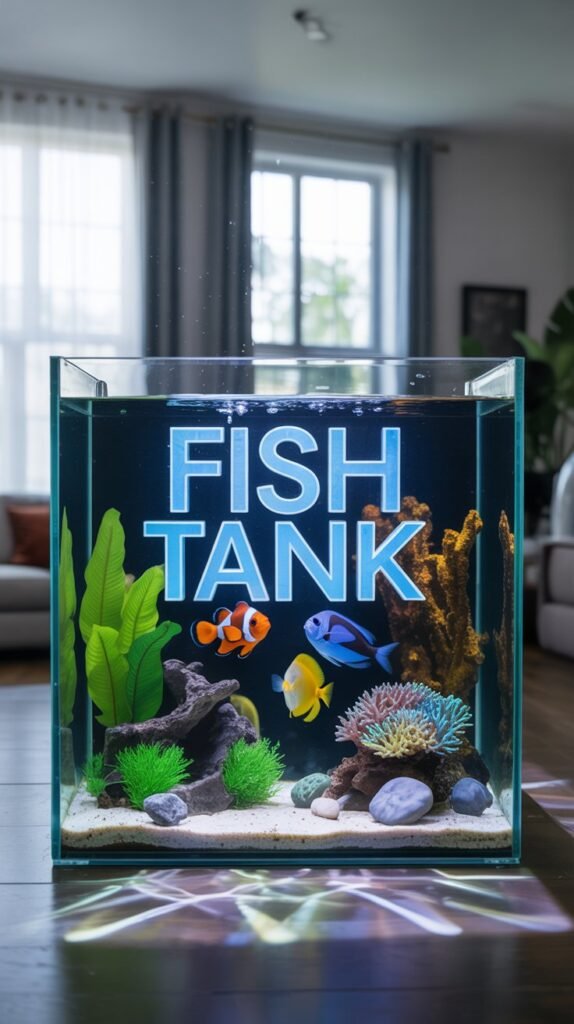
Freshwater tanks are the most common and beginner-friendly option. They require less equipment and are easier to maintain.
Popular freshwater fish include:
- Guppies
- Tetras
- Bettas
- Goldfish
- Cichlids
Freshwater setups are affordable and ideal for first-time hobbyists.
Saltwater Fish Tank
Saltwater aquariums house marine species like clownfish and tangs. These tanks require salt mix, protein skimmers, and careful monitoring of salinity.
They are more complex but offer stunning colors and coral reef possibilities.
Planted Aquarium
A planted tank focuses on live aquatic plants along with fish. These setups require proper lighting and nutrient management but create beautiful natural landscapes.
Reef Tank
A reef tank contains corals, marine invertebrates, and fish. This is one of the most advanced aquarium types and demands high maintenance and stable water chemistry.
Choosing the Right Fish Tank Size
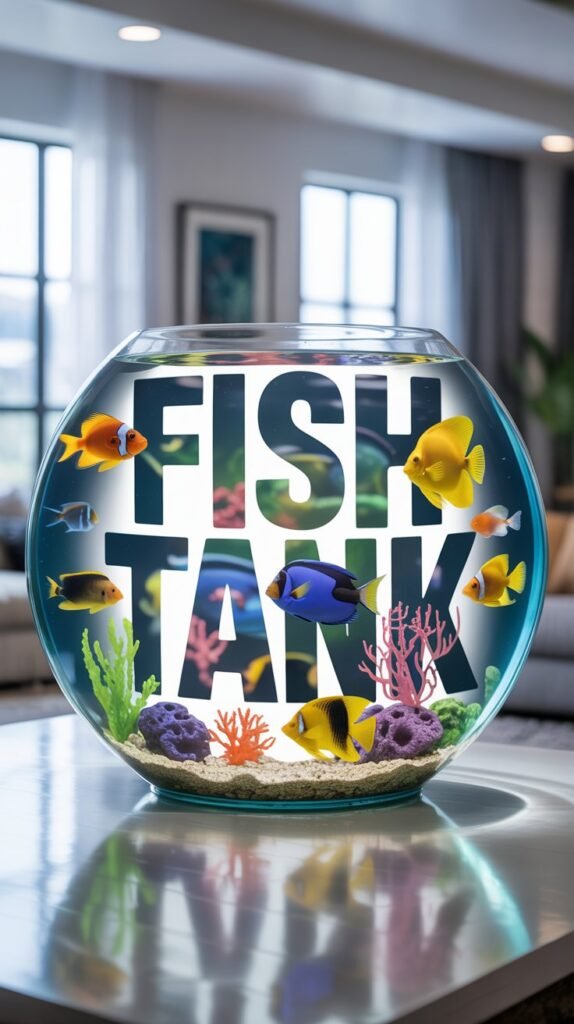
Tank size plays a major role in water stability.
- 5–10 gallons: Small starter tanks
- 20 gallons: Good beginner community tank
- 30–55 gallons: Ideal for larger communities
- 75+ gallons: Advanced setups or large fish
Larger tanks are actually easier to maintain because water parameters remain more stable.
Fish Tank Materials
Most aquariums are made from:
Glass – Scratch-resistant and clear
Acrylic – Lightweight and stronger but scratches easily
Both materials are safe when properly maintained.
Essential Fish Tank Equipment
To keep fish healthy, every tank needs basic equipment.
Filter removes waste and supports beneficial bacteria.
Heater maintains stable temperature for tropical fish.
Thermometer monitors water temperature.
Lighting enhances visibility and supports plant growth.
Air pump (optional) improves oxygen levels.
Skipping proper equipment can lead to unstable water conditions.
Step-by-Step Fish Tank Setup
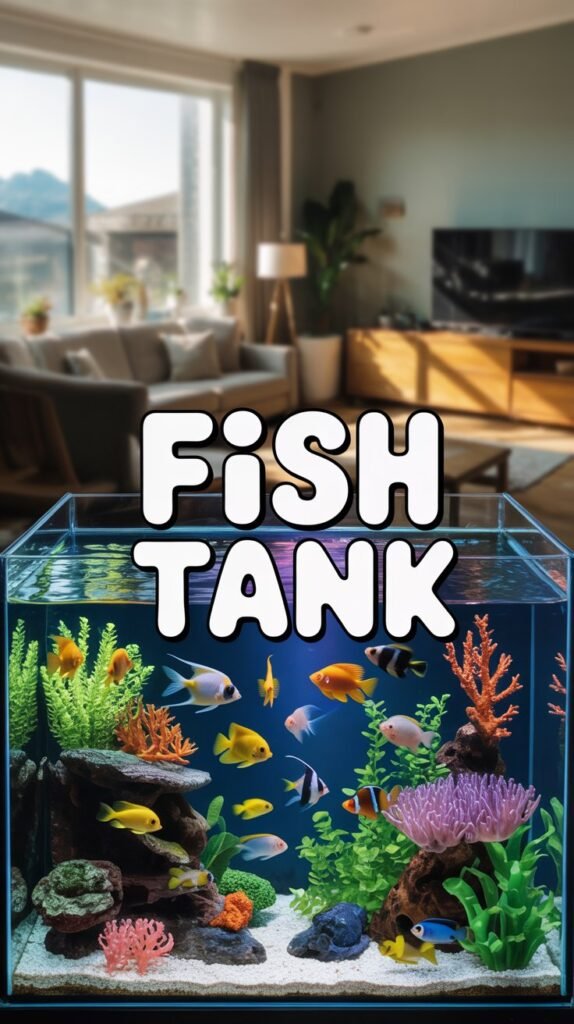
Setting up a fish tank properly prevents future problems.
First, place the tank on a sturdy, level stand away from direct sunlight.
Add substrate such as gravel or sand. Rinse it before adding to remove dust.
Install equipment including filter and heater.
Fill the tank with water and add water conditioner to remove chlorine.
Decorate with plants, rocks, and driftwood.
Start the filter and allow the tank to cycle before adding fish. Cycling establishes beneficial bacteria that break down ammonia and nitrites.
The Nitrogen Cycle Explained
The nitrogen cycle is the biological process that keeps fish alive.
Fish produce ammonia through waste. Beneficial bacteria convert ammonia into nitrite, and then into nitrate. Nitrate is less harmful and can be removed through water changes.
A properly cycled tank prevents toxic ammonia spikes.
Fish Tank Decoration Ideas
Designing a fish tank can be creative and relaxing.
Nature-inspired setup with rocks and driftwood
Minimalist design with sand and a few plants
Jungle aquascape with dense greenery
Blackwater setup with tannin-rich water
Modern aquascape with clean lines
Always ensure decorations are aquarium-safe and free from sharp edges.
How Often to Clean a Fish Tank
Regular maintenance keeps water clear and fish healthy.
Perform 20 to 30 percent water changes weekly or biweekly depending on stocking levels.
Clean glass algae with a scraper.
Rinse filter media in old tank water monthly.
Avoid replacing 100 percent of the water unless absolutely necessary.
Common Fish Tank Mistakes
Overfeeding fish
Overstocking the tank
Skipping the cycling process
Using untreated tap water
Cleaning filter media under tap water
Buying fish without research
Avoiding these mistakes significantly increases your success rate.
Fish Tank Placement Tips
Place your aquarium:
Away from direct sunlight
On a strong, level stand
Near a power outlet
In a stable temperature room
Proper placement prevents algae growth and equipment issues.
Fish Tank Costs
Costs vary depending on size and type.
Small freshwater tank setup may cost relatively low.
Larger or saltwater systems can be expensive due to equipment and maintenance requirements.
Ongoing costs include food, electricity, water conditioner, and replacement equipment.
Benefits of Owning a Fish Tank
Reduces stress and anxiety
Improves home décor
Educational for children
Promotes relaxation
Enhances indoor air humidity slightly
Watching fish swim can be calming and therapeutic.
Freshwater vs Saltwater Fish Tank
Freshwater tanks are easier, cheaper, and beginner-friendly.
Saltwater tanks offer vibrant colors and reef options but require more advanced care.
Choose based on experience level and budget.
Frequently Asked Questions
How long should a fish tank run before adding fish?
Allow the tank to cycle for several weeks until ammonia and nitrite levels reach zero.
How many fish can I keep in my tank?
Stocking depends on tank size and filtration capacity. Research each species individually.
Do fish tanks need heaters?
Tropical fish require heaters. Coldwater fish like goldfish may not.
Why is my fish tank water cloudy?
Cloudiness may result from bacterial bloom, overfeeding, or disturbed substrate.
Can I use tap water in a fish tank?
Yes, but always treat it with water conditioner.
Final Thoughts
A fish tank is a living ecosystem that requires planning, patience, and regular care. Choosing the right size, installing proper equipment, and maintaining a consistent cleaning schedule are the keys to success. Whether you prefer a simple freshwater community tank or an advanced reef aquarium, proper knowledge ensures healthy fish and crystal-clear water.