
 By weeebooo70@gmail.com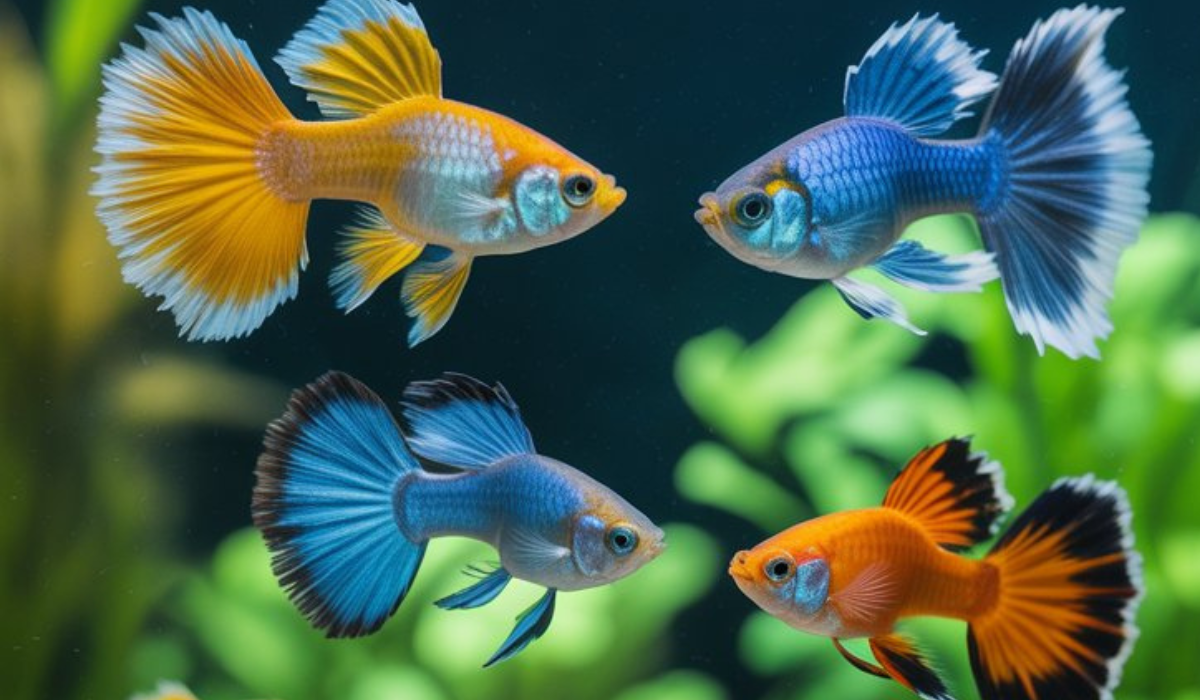


4
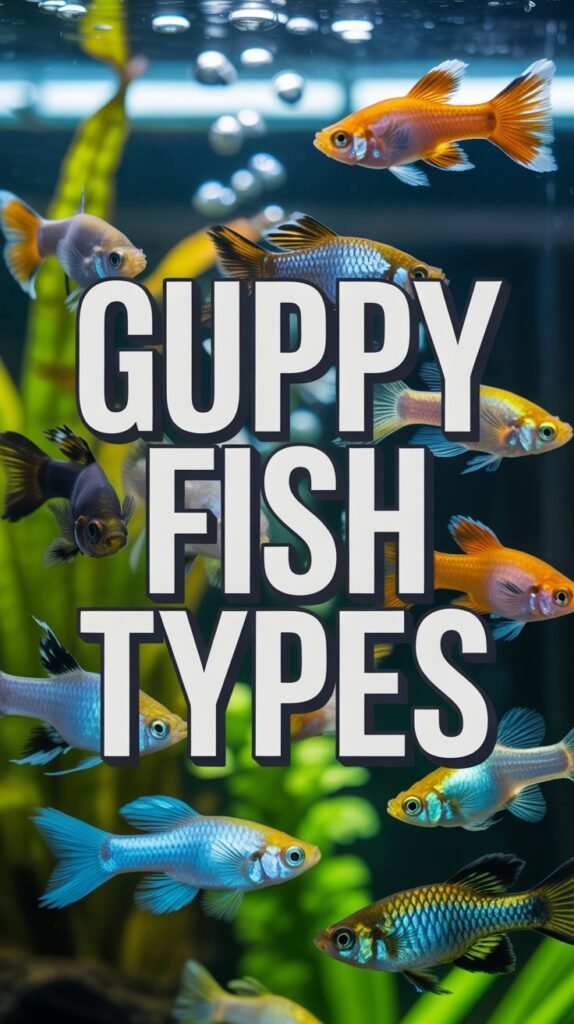
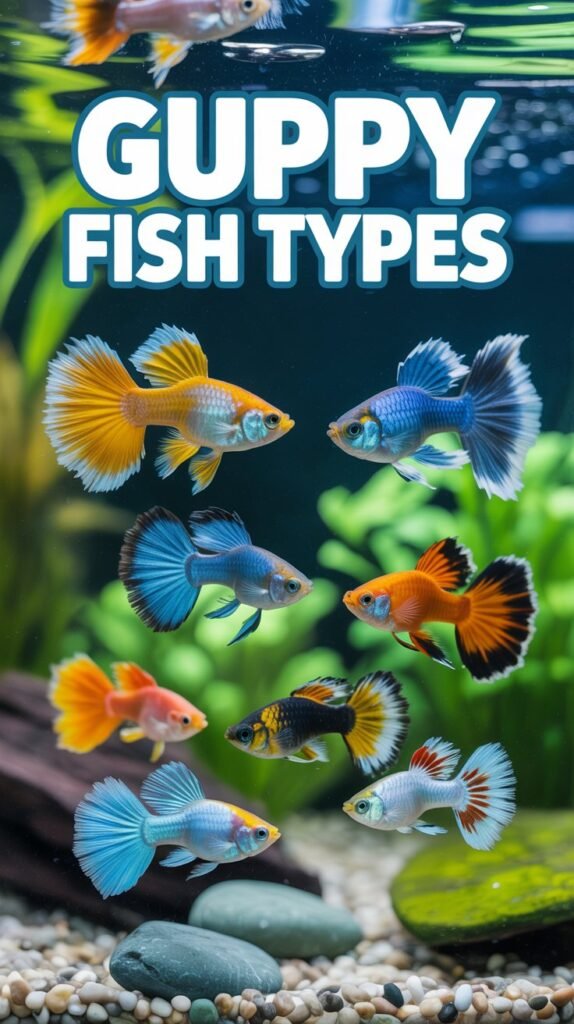
Guppy fish types are among the most diverse and colorful freshwater fish varieties in the aquarium hobby. Whether you are a beginner setting up your first tank or an experienced breeder looking for rare strains, guppies offer endless combinations of colors, tail shapes, and patterns.
Scientifically known as Poecilia reticulata, guppies are small, peaceful, and extremely adaptable. They are famous for their vibrant tails, fast breeding, and ability to thrive in a variety of aquarium conditions.
In this complete guide, you’ll discover:
- All major guppy fish types
- Tail shape classifications
- Color-based guppy varieties
- Pattern-based guppies
- Eye and body variations
- Rare and specialty guppies
- Breeding insights
- Frequently asked questions
Let’s dive into the fascinating world of guppy fish types.
What Makes Guppy Fish So Popular?
Before exploring the different types, it’s important to understand why guppies are one of the most popular aquarium fish worldwide.
1. Incredible Color Diversity
Guppies come in almost every color imaginable—red, blue, yellow, green, purple, black, white, and metallic combinations.
2. Unique Tail Designs
From large fan tails to sword-shaped fins, guppies are known for their dramatic tail shapes.
3. Easy to Care For
They are hardy and adaptable, making them ideal for beginners.
4. Livebearers
Guppies give birth to live fry instead of laying eggs, which makes breeding exciting and accessible.
Guppy Fish Types by Tail Shape
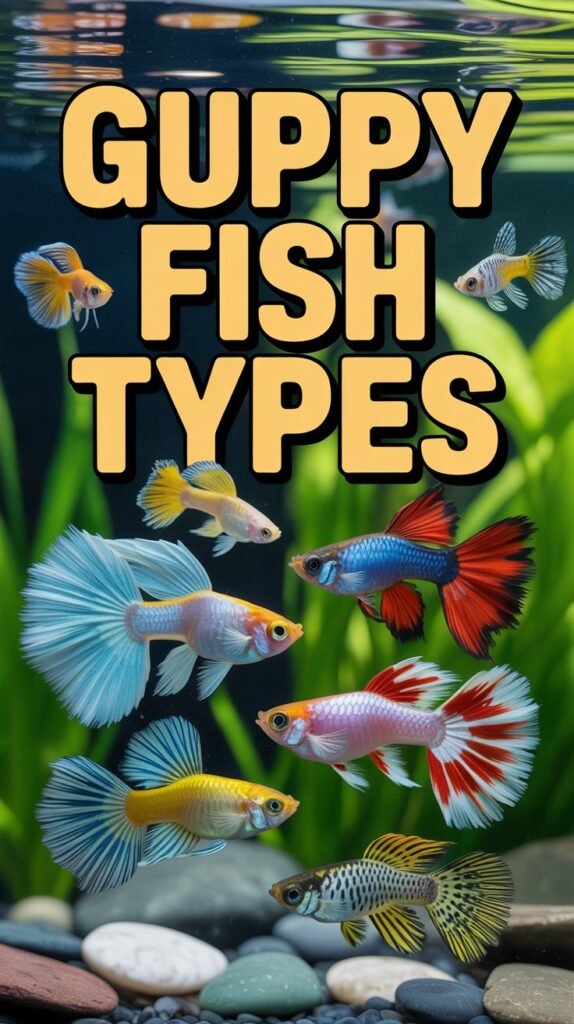
One of the primary ways guppy fish types are classified is by their tail (caudal fin) shape.
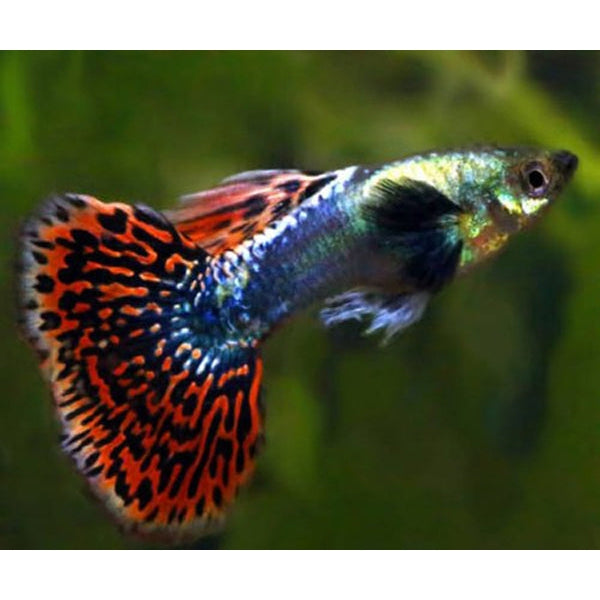
1. Delta Tail Guppy

4
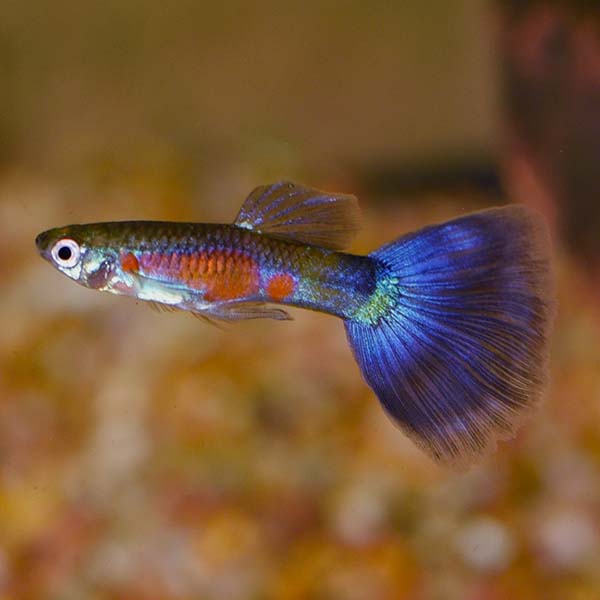
The Delta Tail Guppy has a large triangular tail resembling the Greek letter delta (Δ). This is one of the most common fancy guppy types.
Characteristics:
- Wide triangular tail
- Bright colors
- Popular in competitions
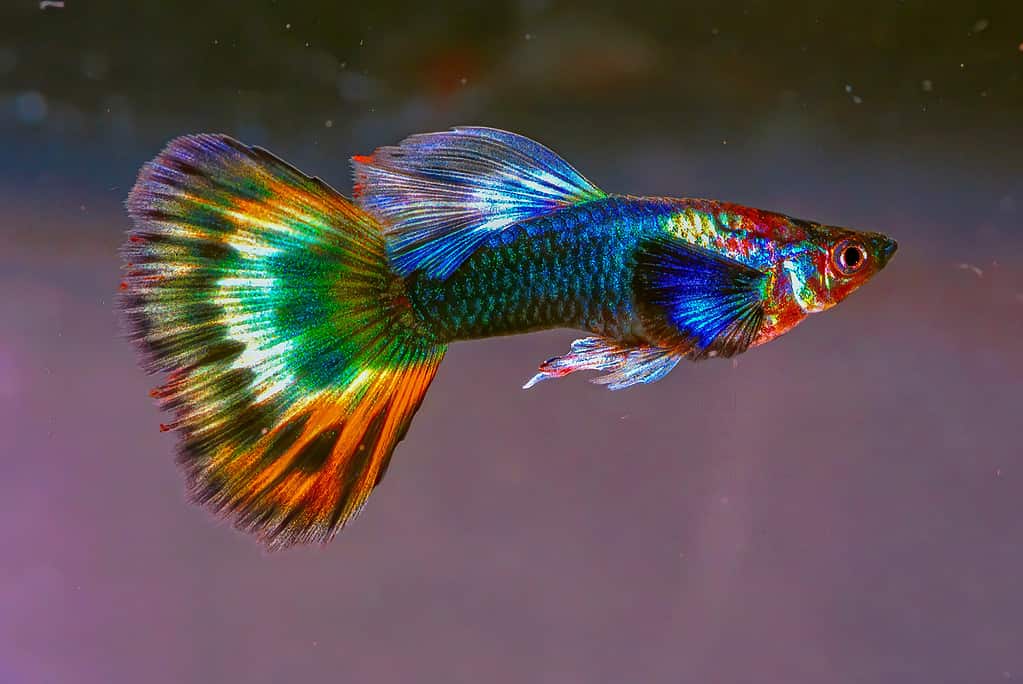
2. Fan Tail Guppy

4
Fan Tail guppies have a rounded, wide tail that spreads like a hand fan.
Best for: Community aquariums and beginner tanks.
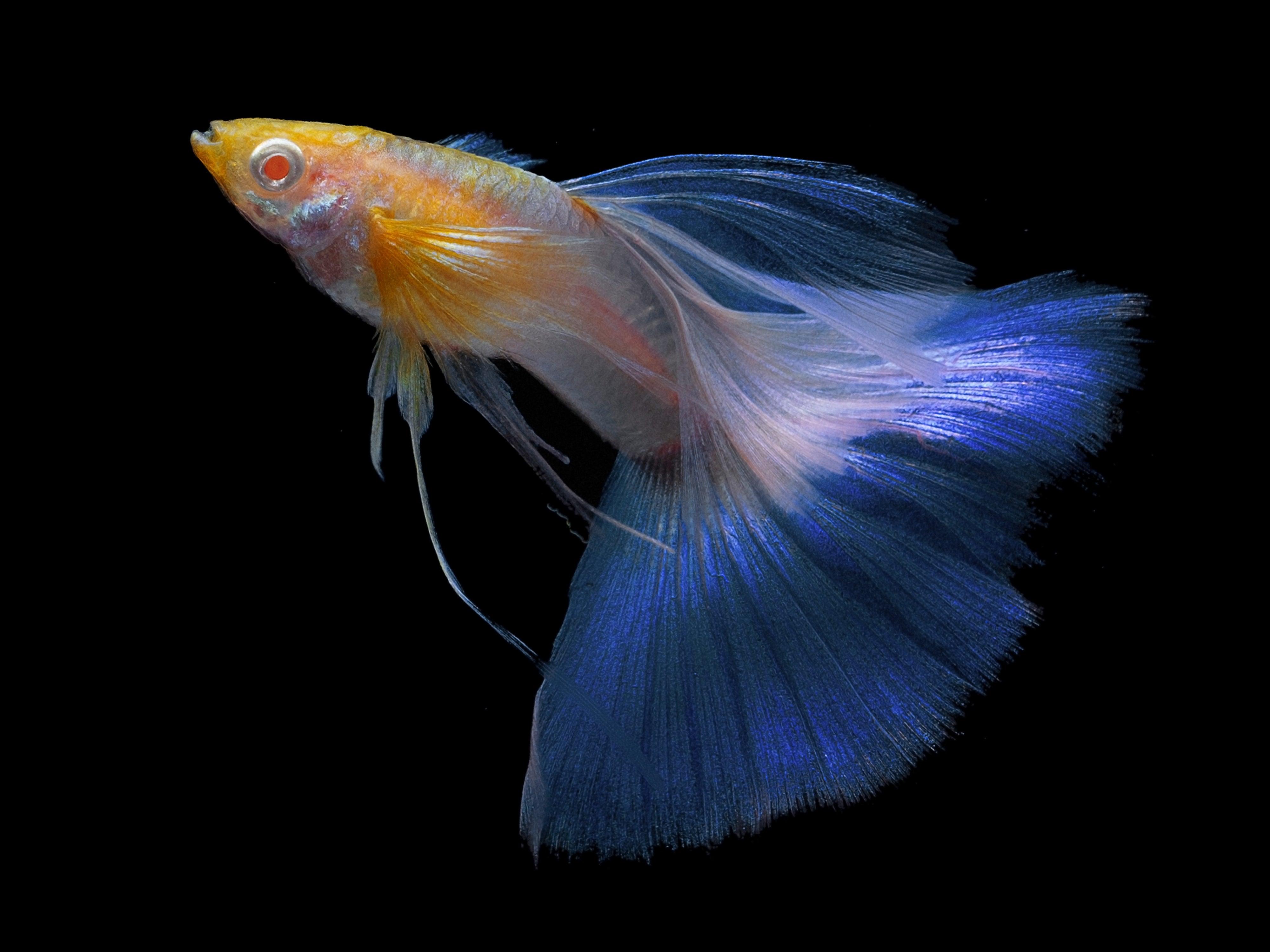
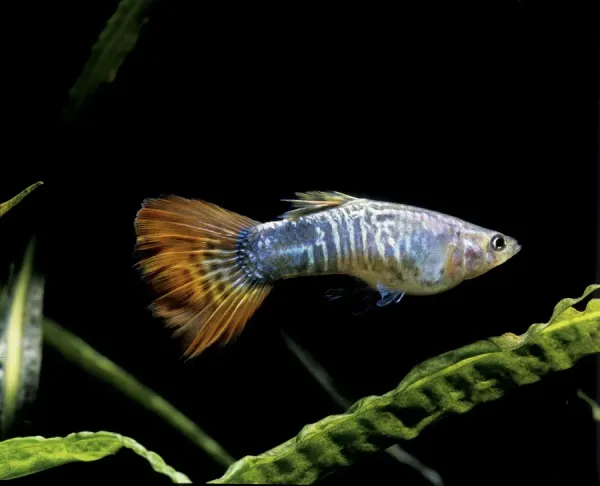
3. Veil Tail Guppy

4
Veil Tail guppies feature long, flowing fins that create an elegant look in planted aquariums.
Note: They require gentle water flow to avoid fin damage.
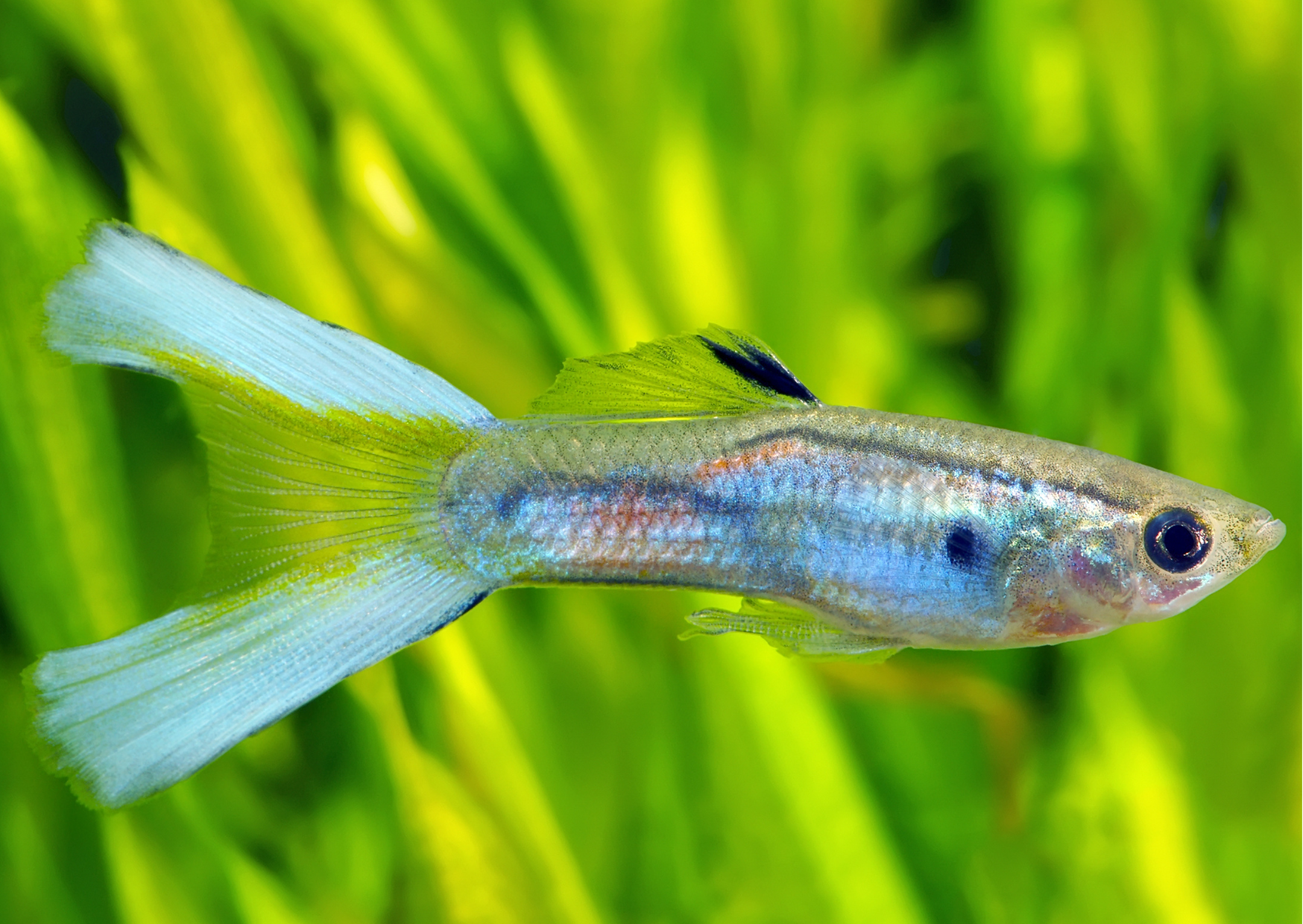
4. Lyretail Guppy

4
Lyretail guppies have elongated upper and lower tail rays forming a “lyre” shape.
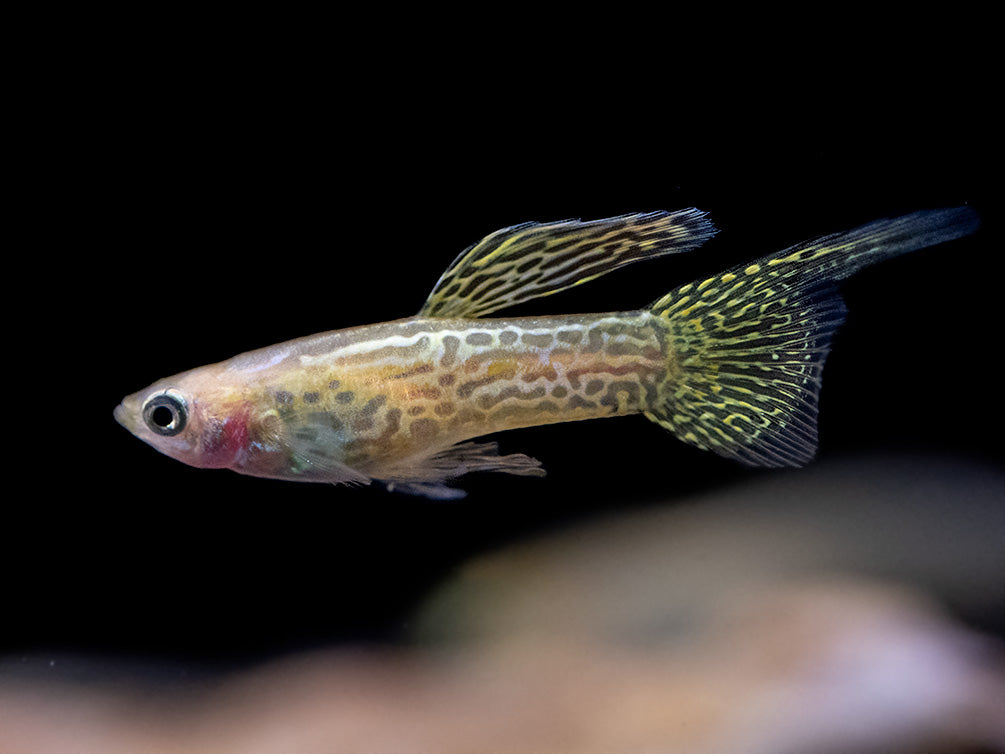
5. Swordtail Guppy Types

4
Swordtail guppies have extensions resembling swords.
Types include:
- Top Sword
- Bottom Sword
- Double Sword
These guppy fish types are highly sought after by collectors.
6. Round Tail Guppy
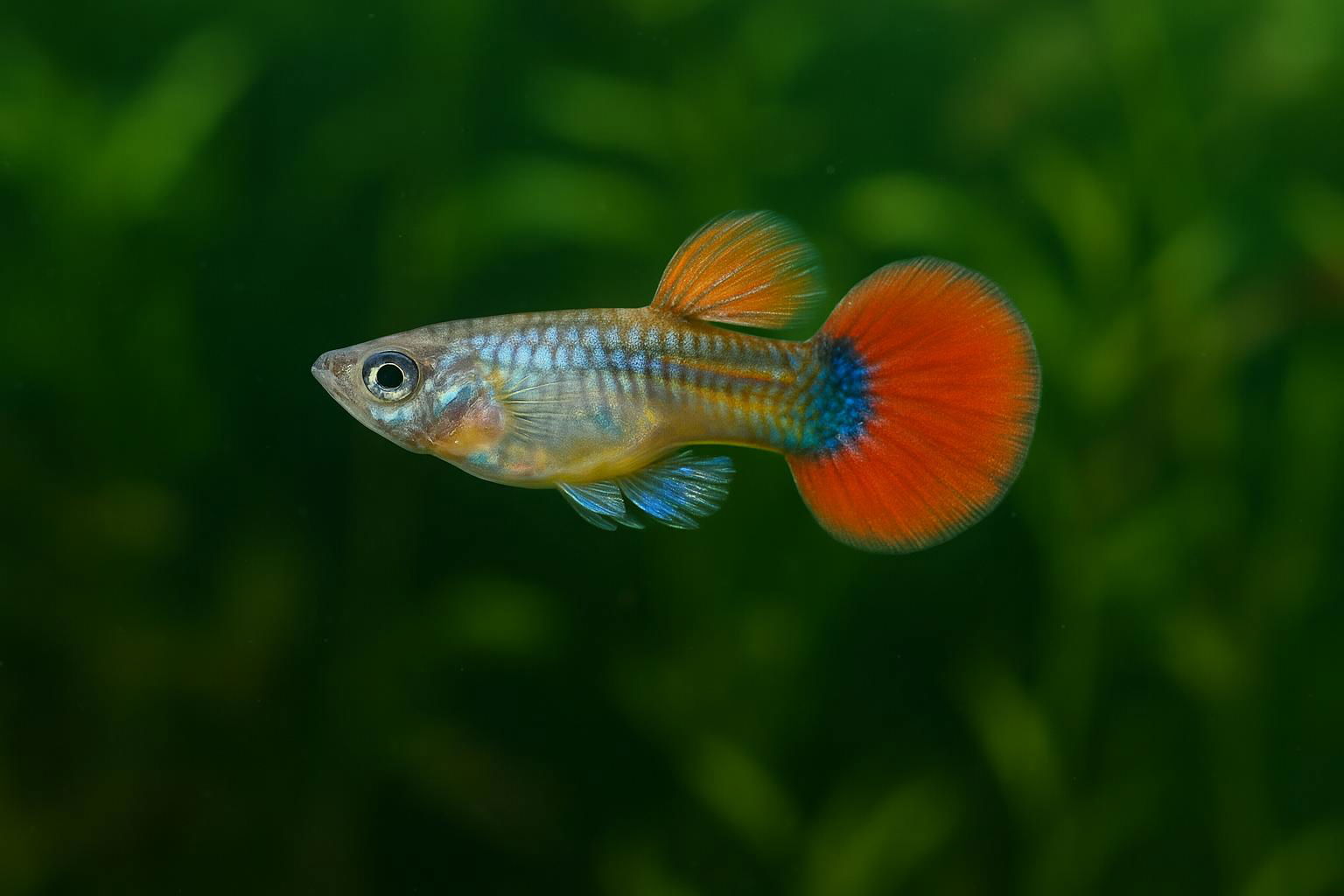
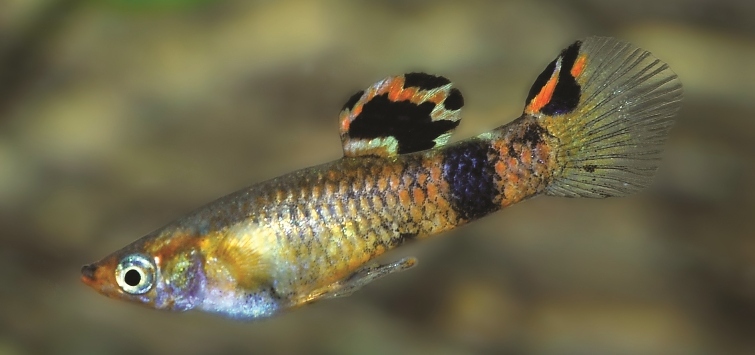

Round Tail guppies resemble wild guppies and are often smaller with less exaggerated fins.
Guppy Fish Types by Color
Color is one of the biggest reasons hobbyists collect guppies.
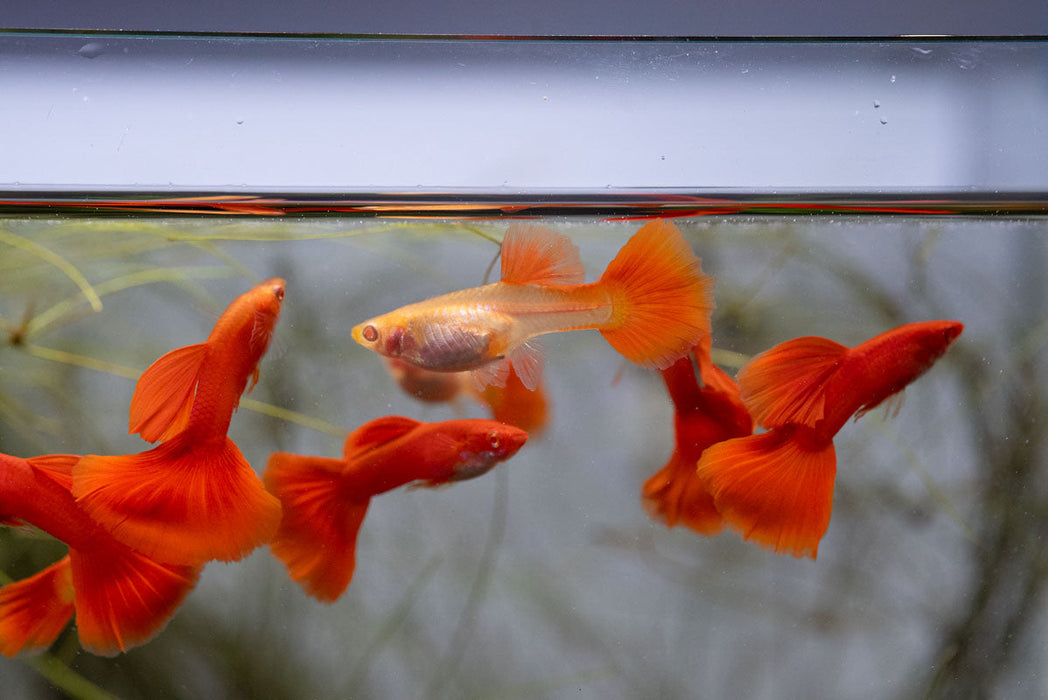
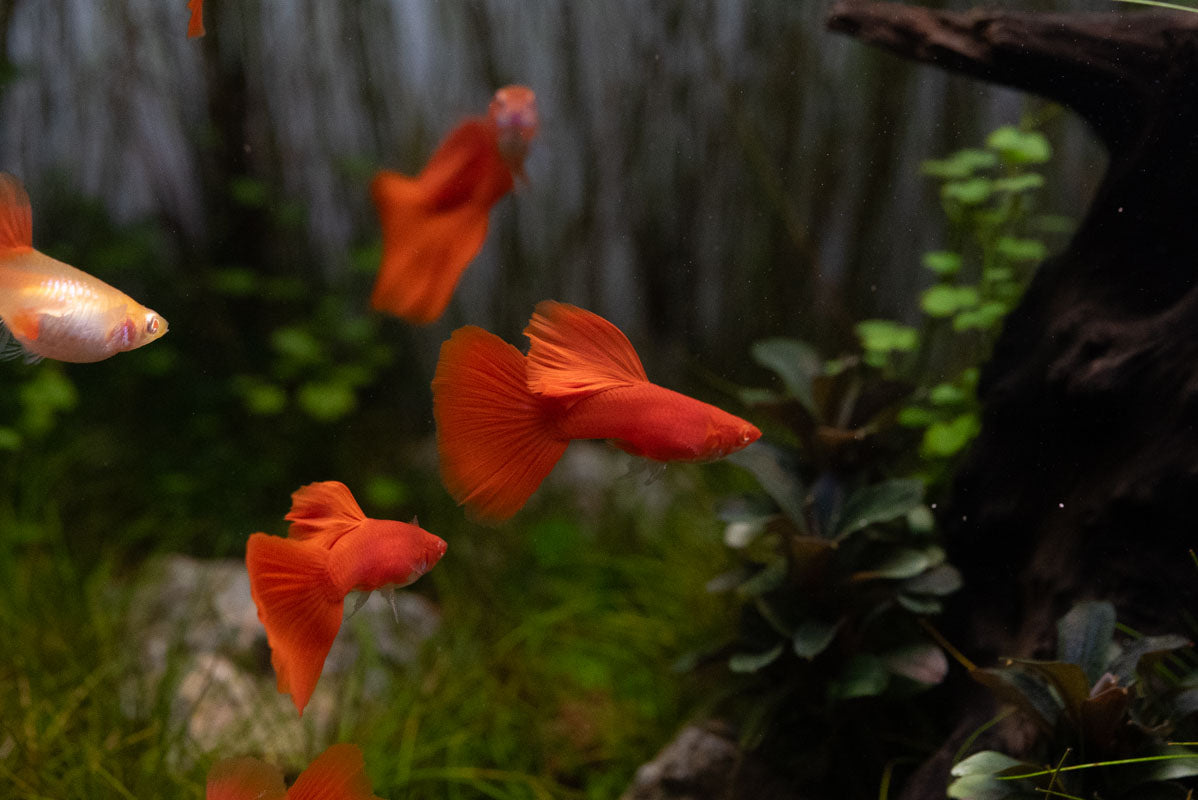
1. Red Guppy Types

4
Popular red varieties:
- Full Red Guppy
- Red Mosaic
- Red Lace
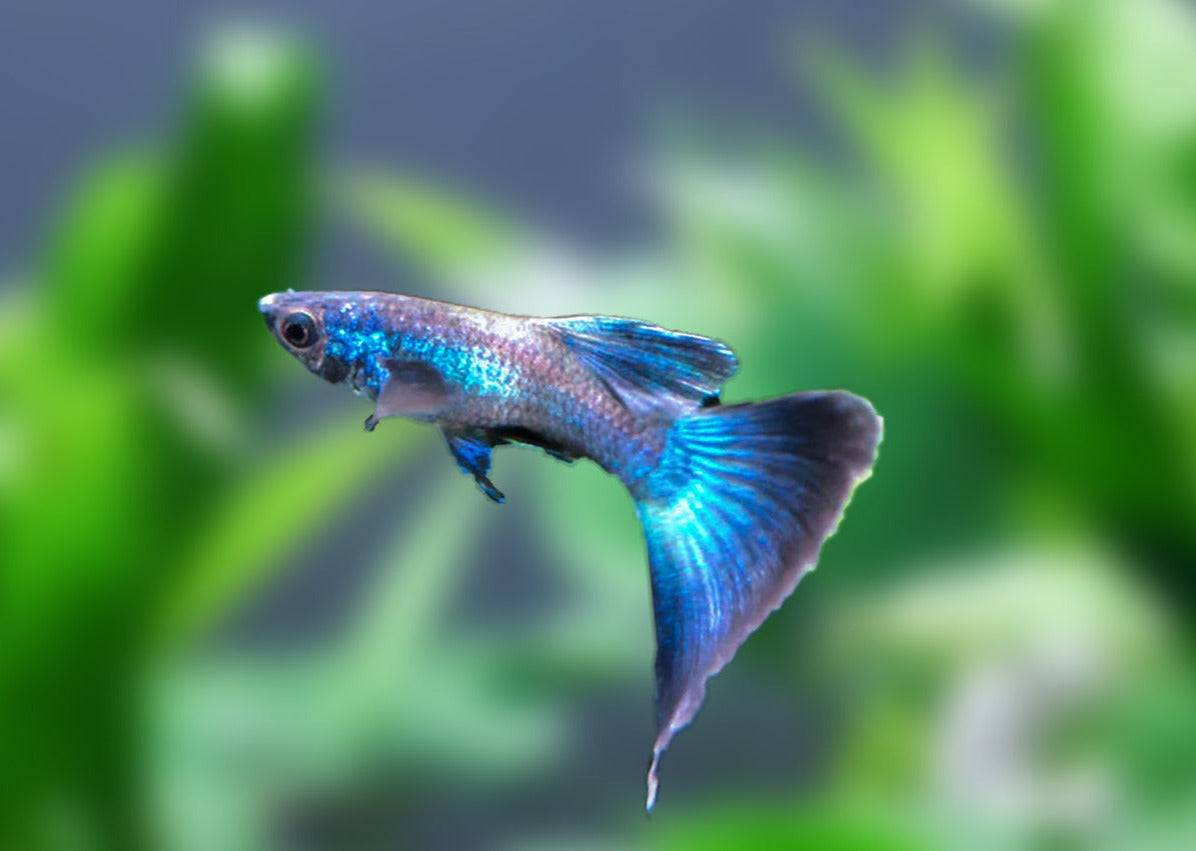
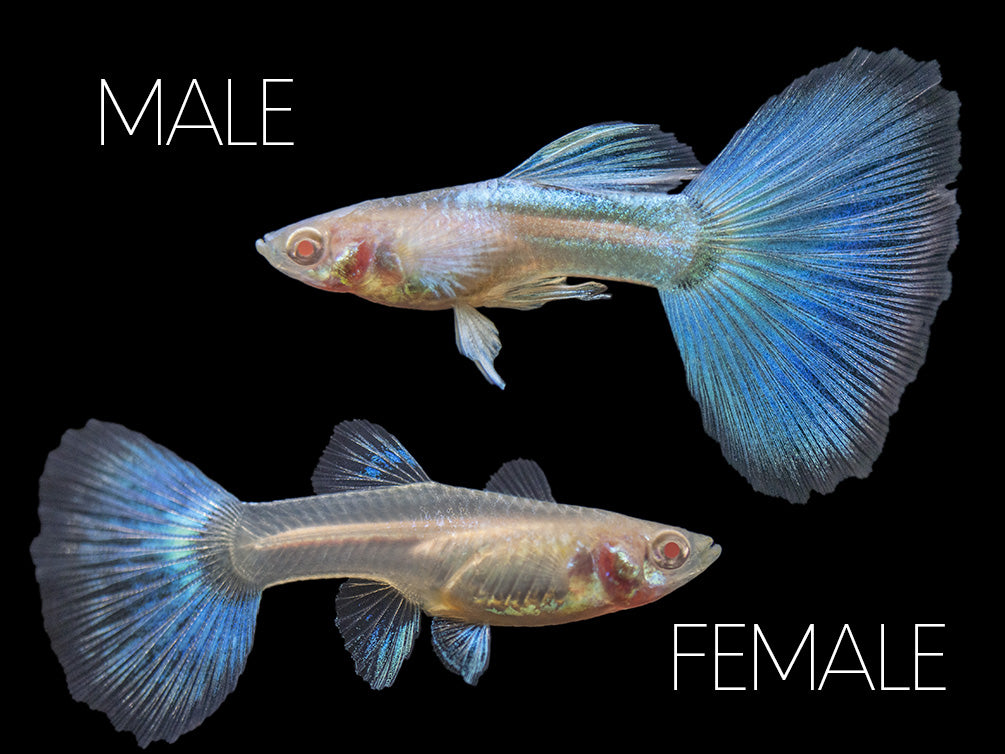
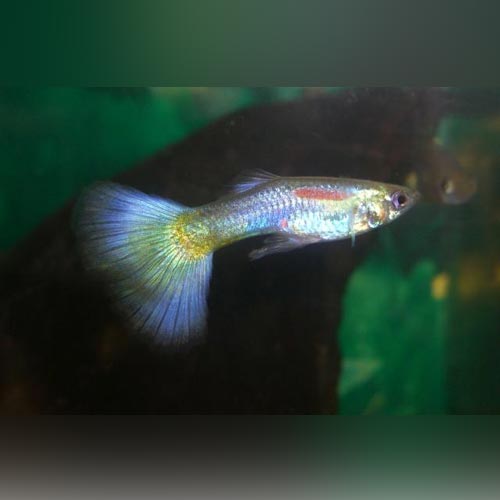
2. Blue Guppy Types
4
Famous blue varieties:
- Moscow Blue
- Sky Blue
- Blue Delta
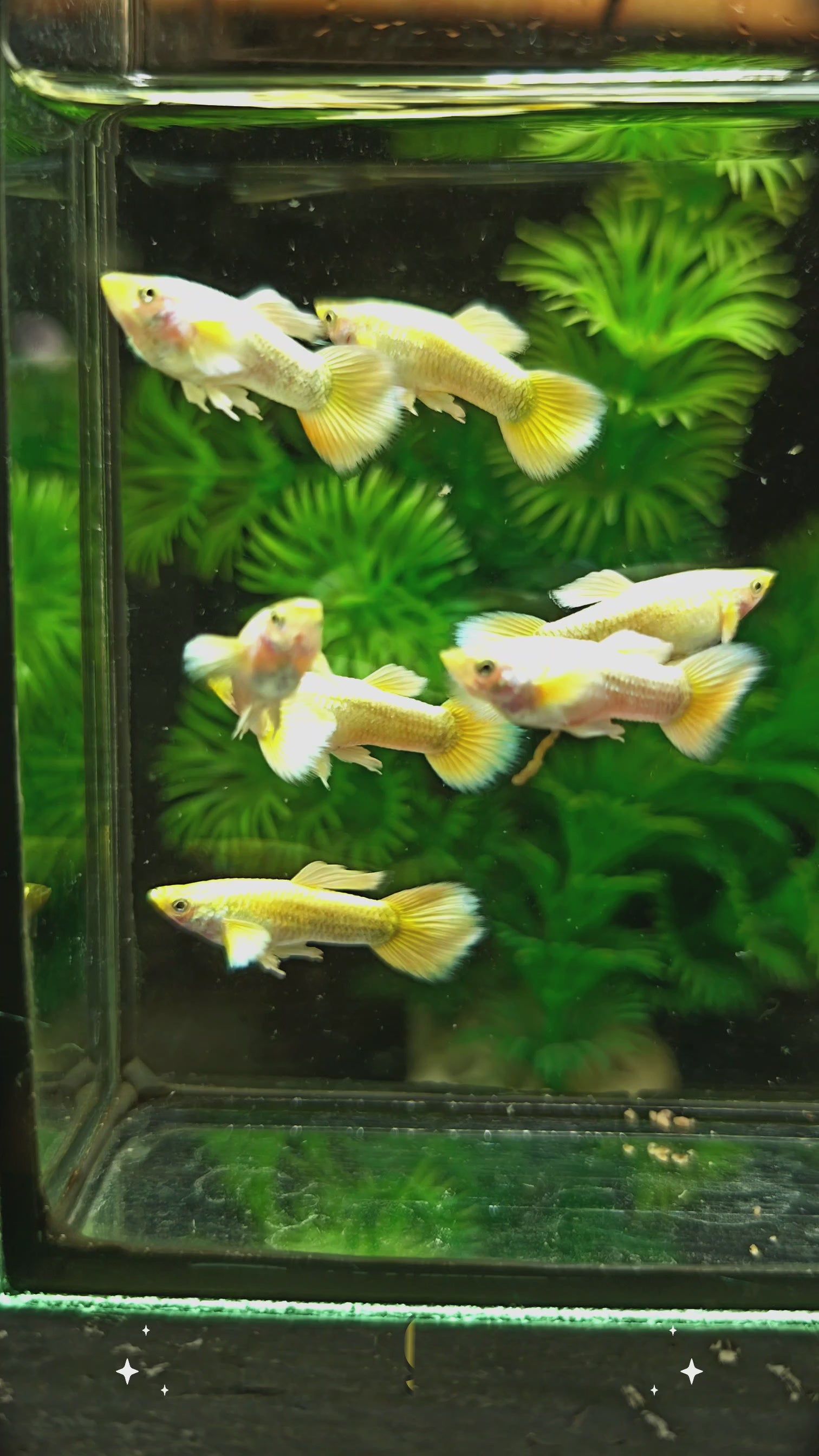
3. Yellow and Gold Guppies


4
Yellow guppies are bright and cheerful, often called:
- Full Gold
- Yellow Lace
- Golden Mosaic
4. Green Guppies


4
Green guppies often have metallic or dragon-scale patterns.
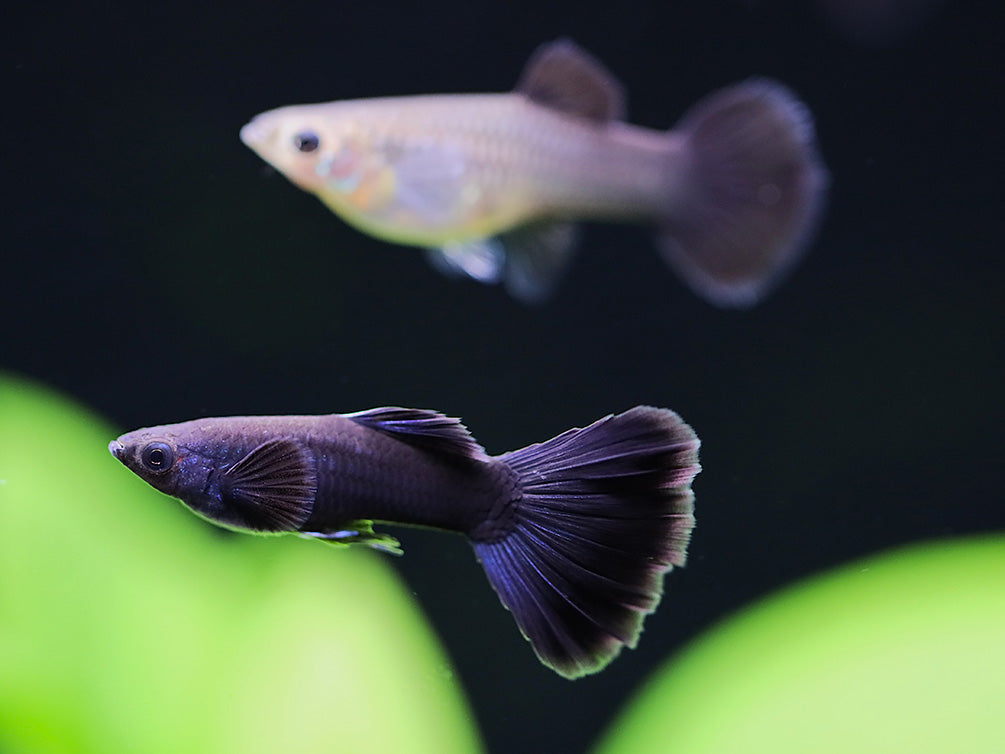
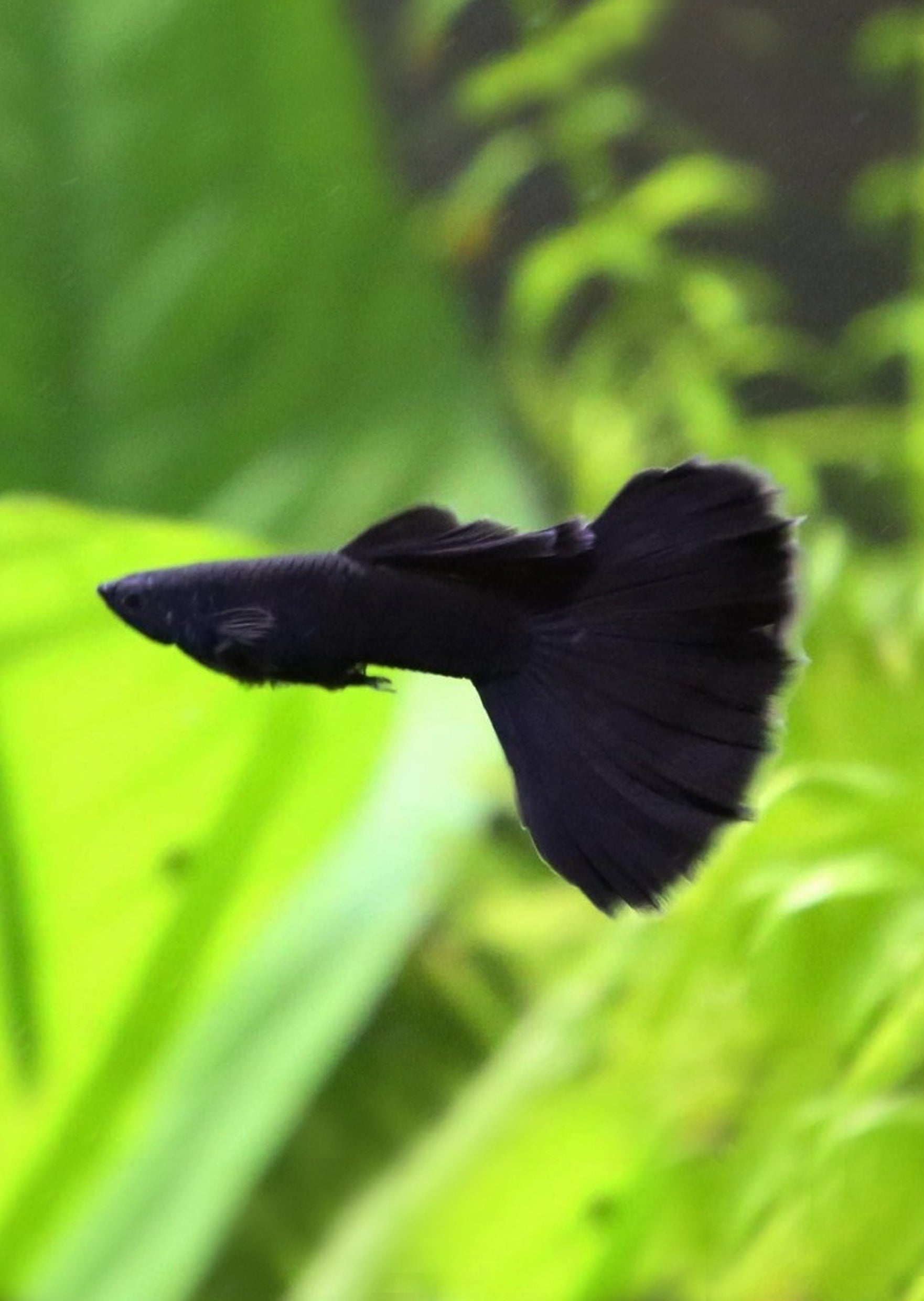
5. Black Guppies

4
Black Moscow guppies are elegant and dramatic.
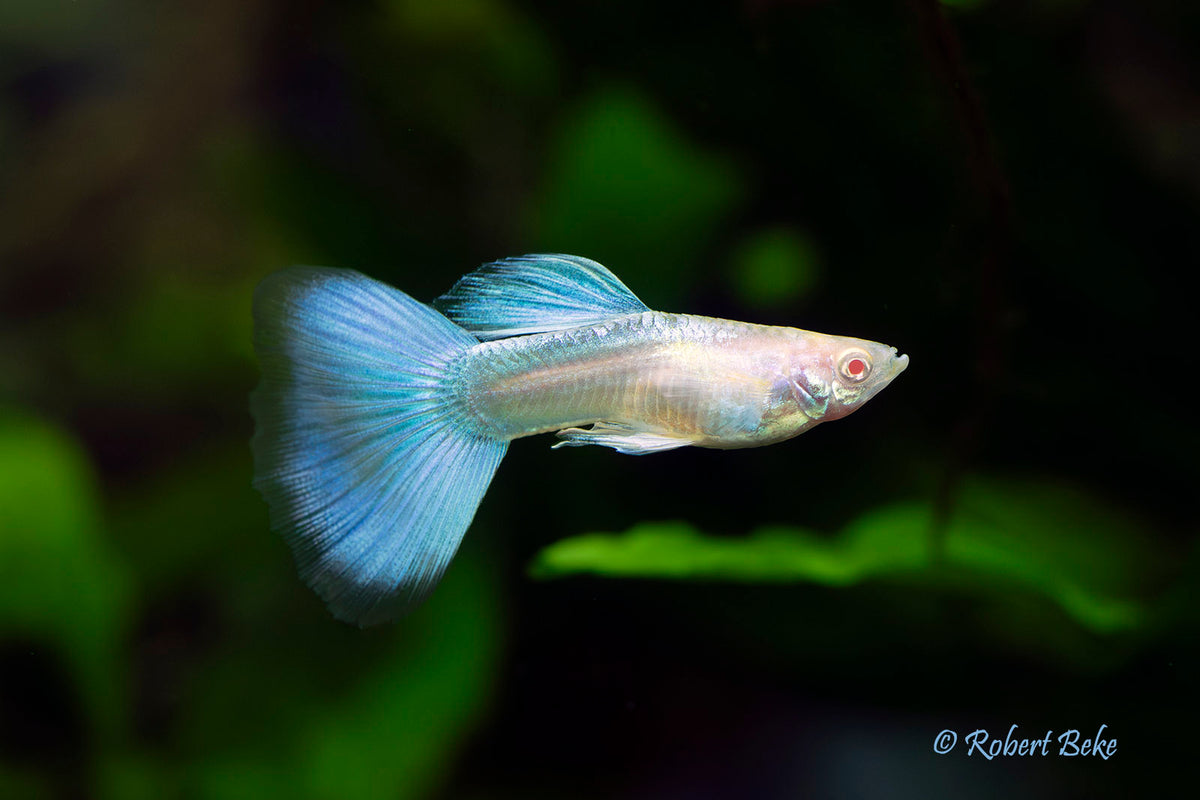
6. Albino Guppies

4
Albino guppies have:
- Red or pink eyes
- Softer color tones
- Sensitive light tolerance
Guppy Fish Types by Pattern
Pattern classification is another major way guppies are categorized.
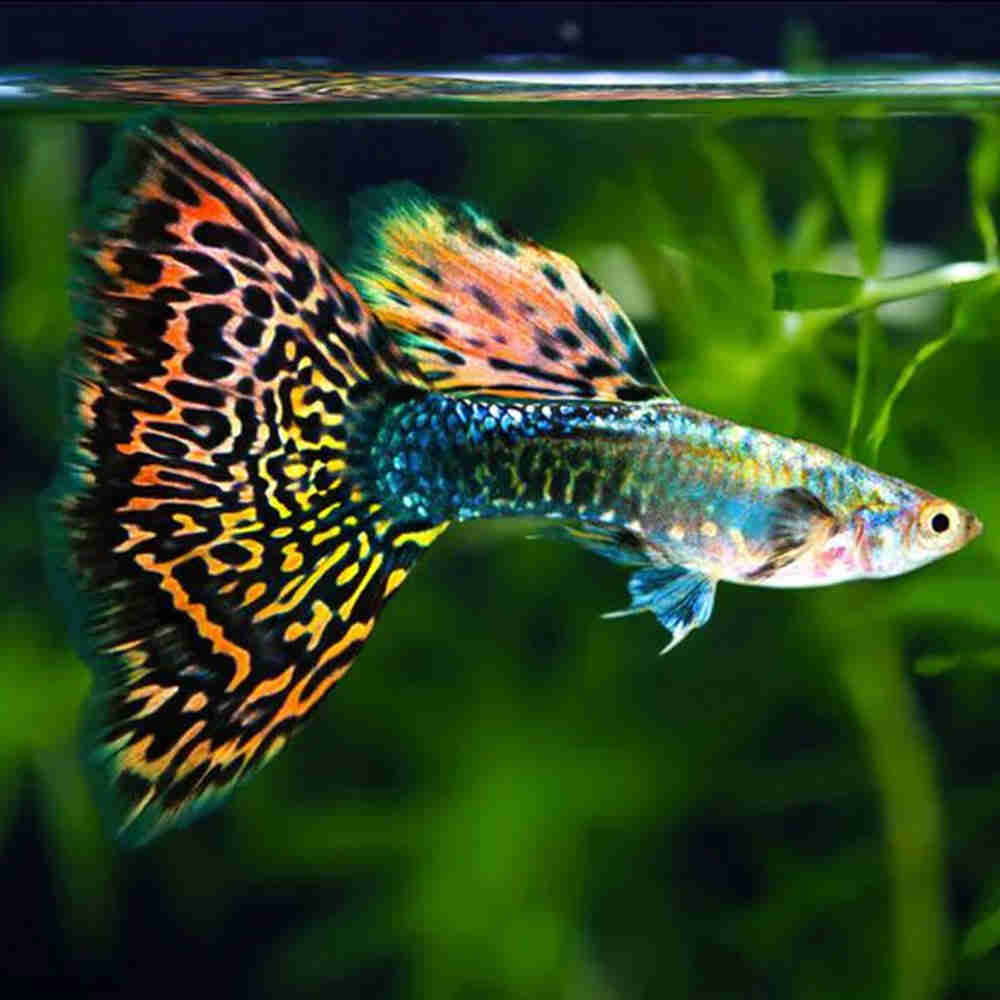
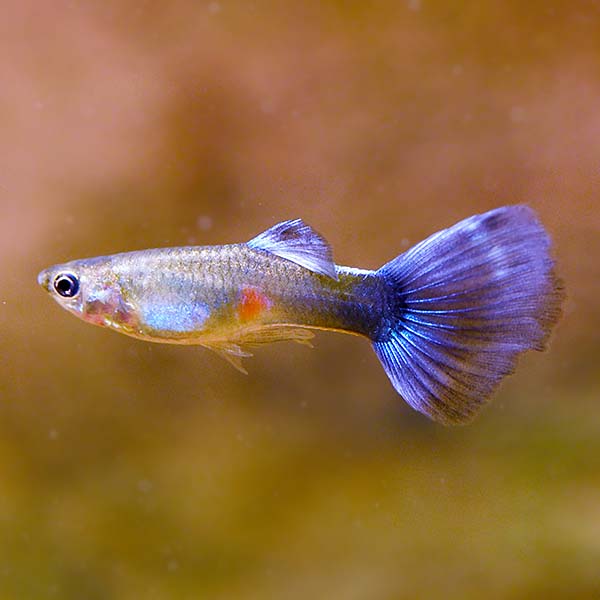
1. Mosaic Guppy

4
Mosaic guppies feature intricate tail patterns resembling a mosaic design.
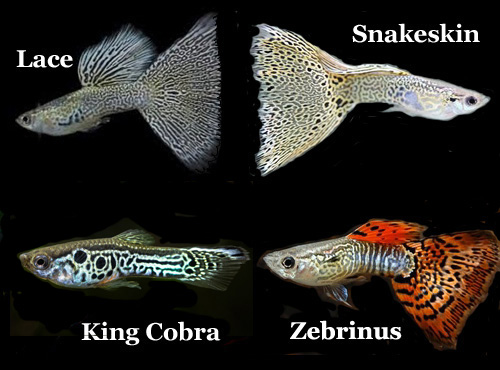
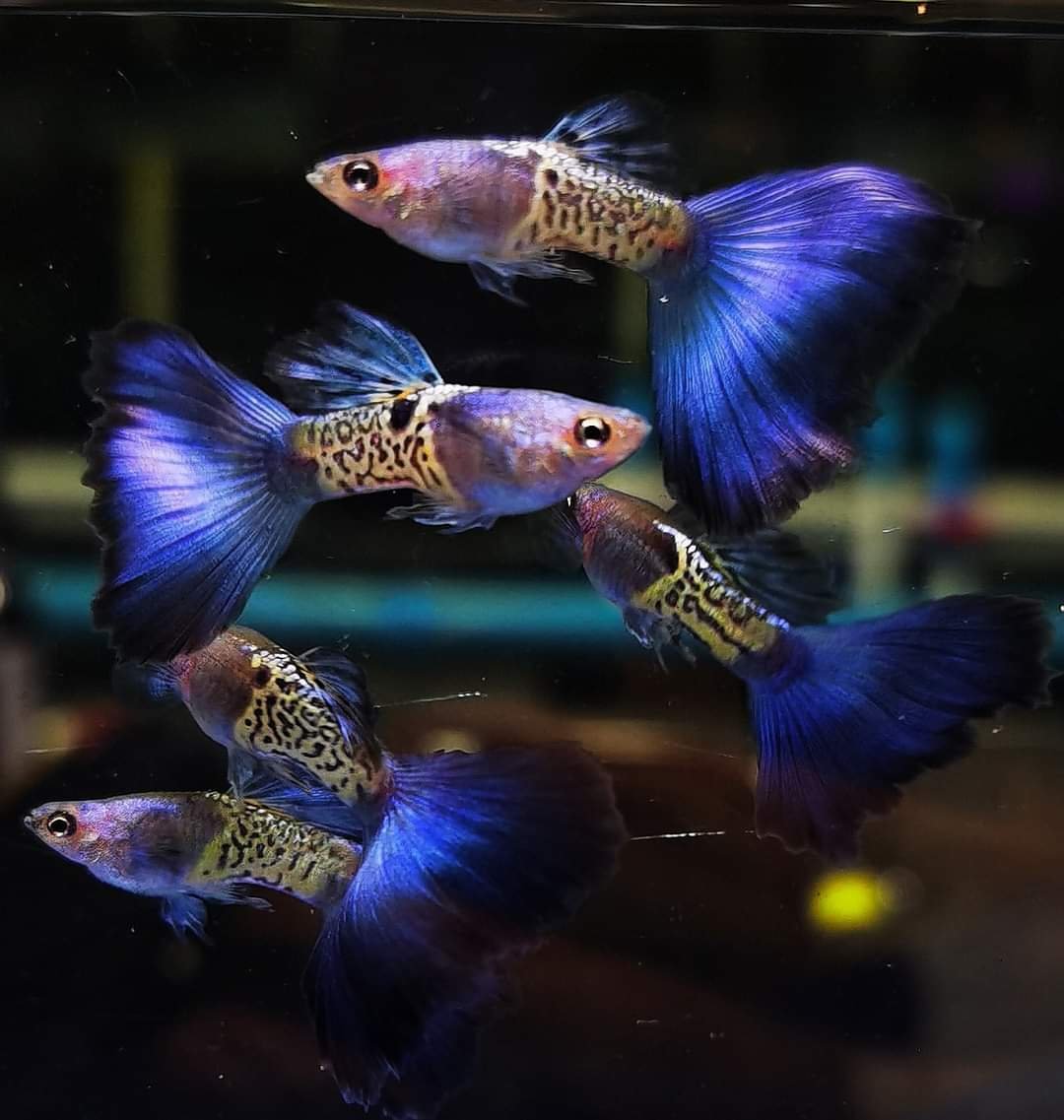
2. Snakeskin Guppy

4
Also called Cobra guppies, these have chain-like patterns across the body and tail.
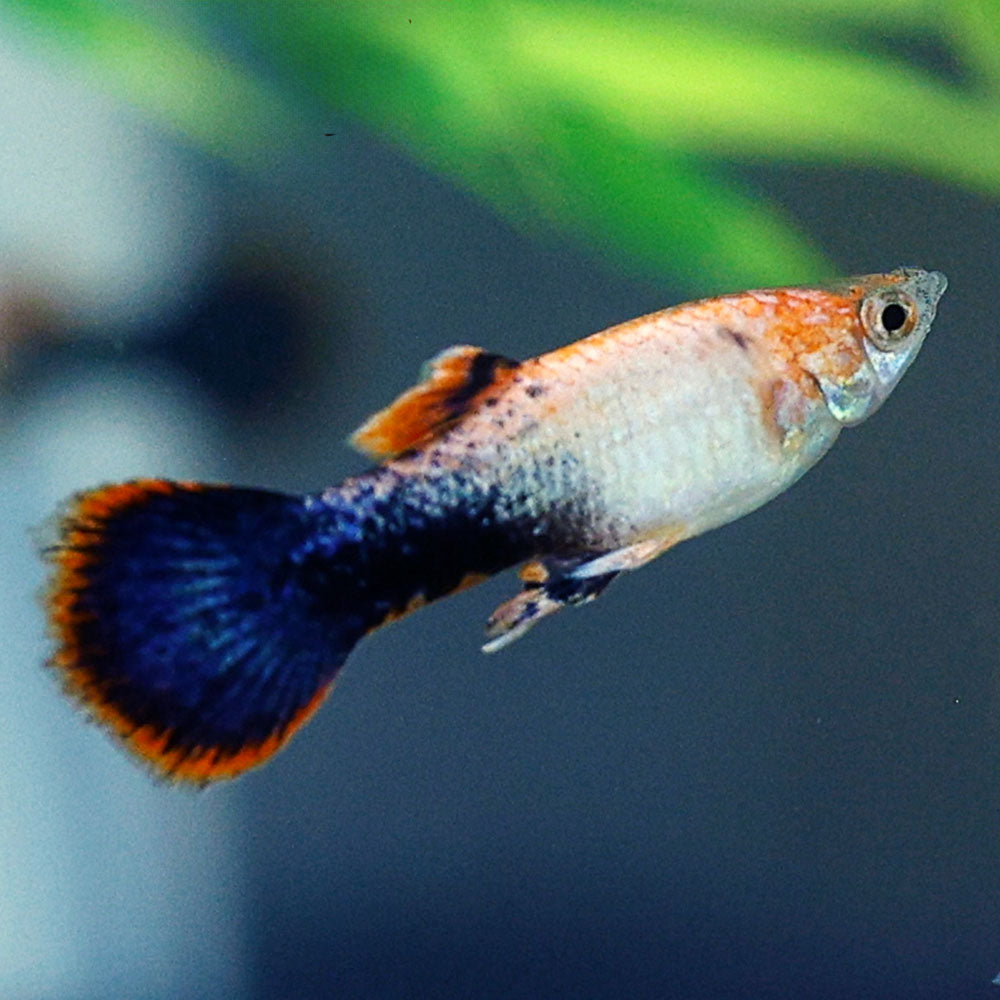
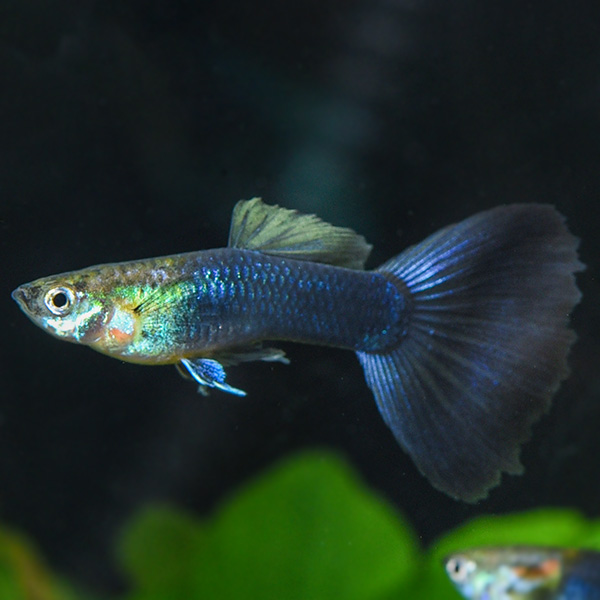
3. Tuxedo Guppy

4
Tuxedo guppies have a darker lower body and colorful upper body.
4. Lace Guppy

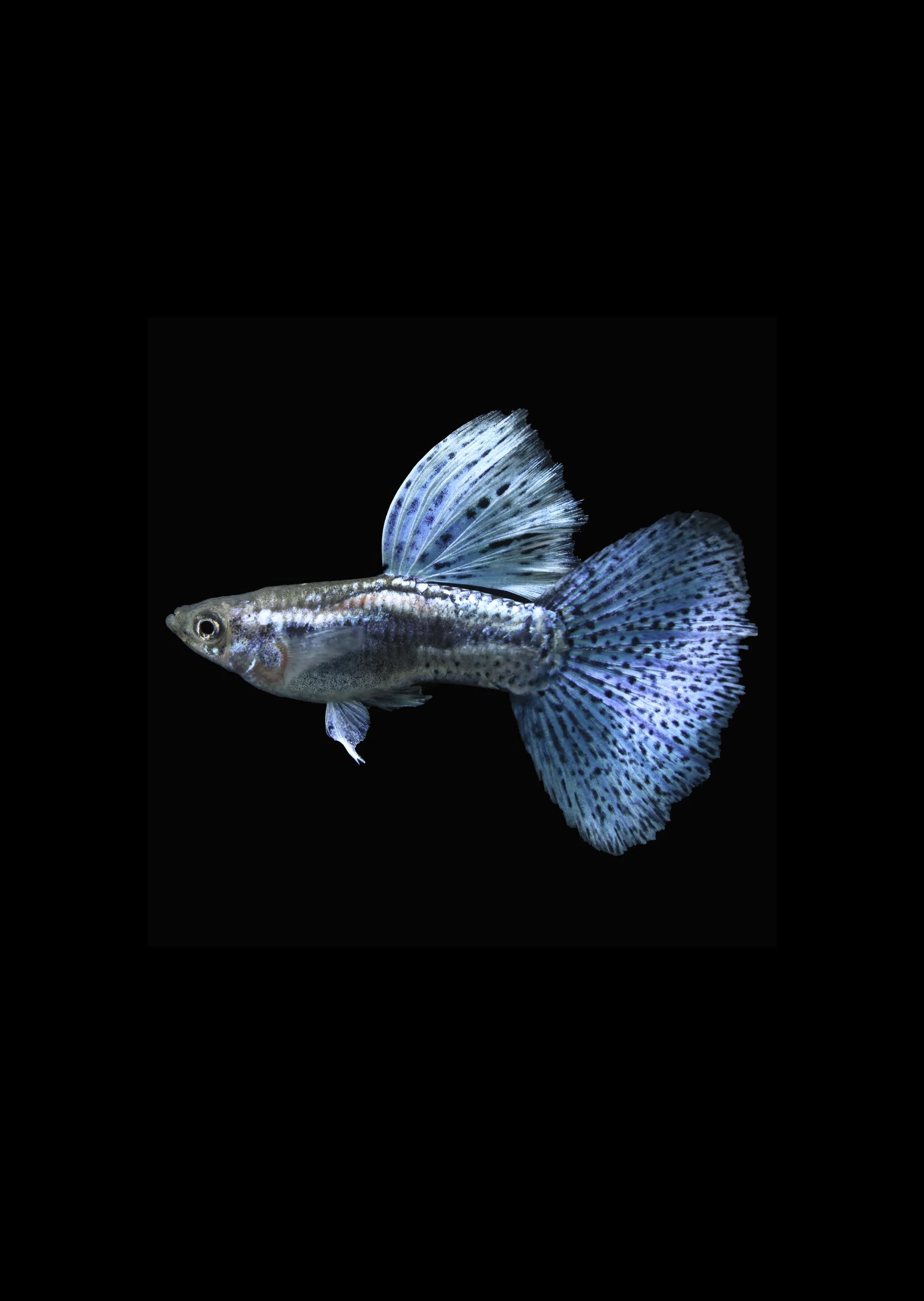
4
Lace guppies have delicate, net-like tail patterns.
5. Grass Guppy
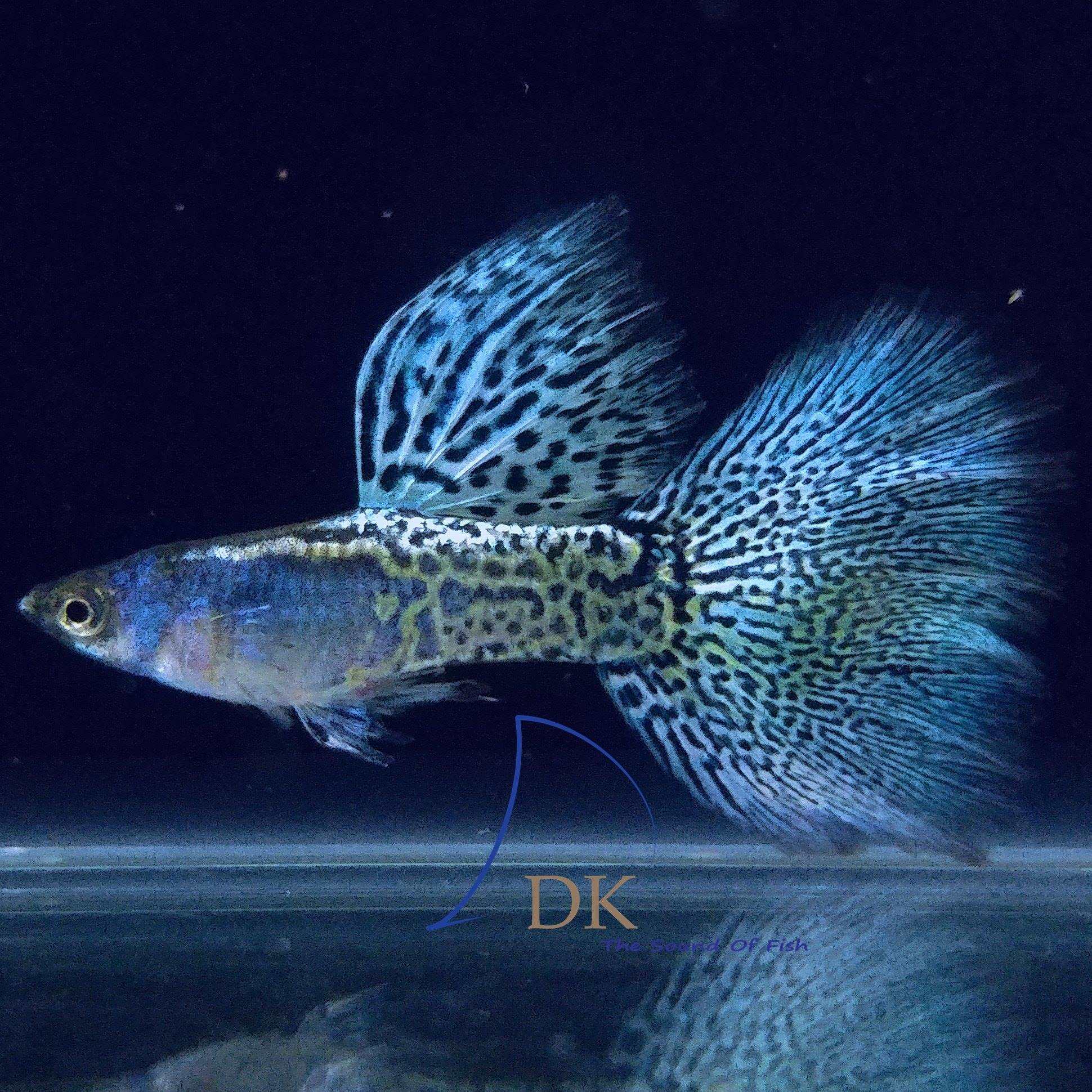
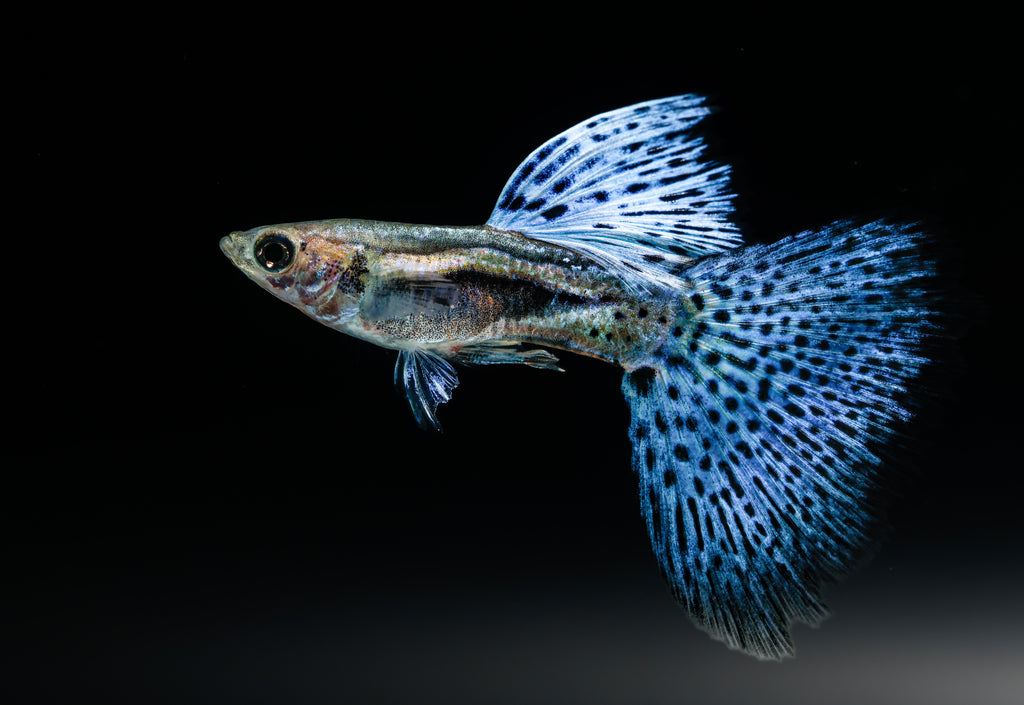
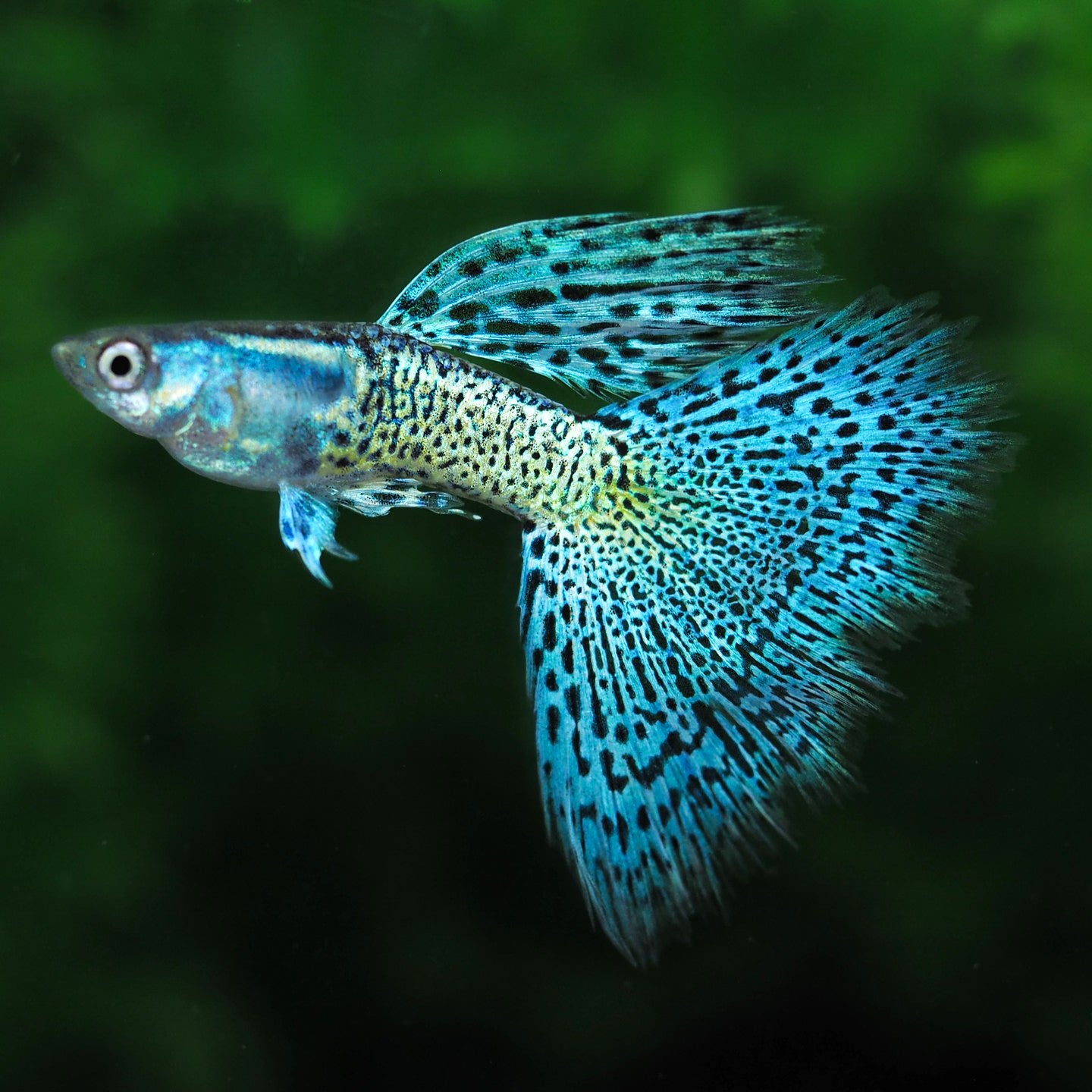
4
Grass guppies display fine dots or speckles across the tail.
Rare and Specialty Guppy Fish Types
Some guppy fish types are rarer and more expensive.
1. Dumbo Ear Guppy
Large pectoral fins that look like elephant ears.
2. Dragon Guppy
Heavy metallic scaling resembling dragon armor.
3. Platinum Guppy
Shiny metallic white or silver body.
4. Endler Guppy
Often linked to Poecilia wingei, Endlers are smaller and more active with neon coloration.
Male vs Female Guppy Types
Male guppies:
- Brighter colors
- Larger tails
- Smaller body
Female guppies:
- Bigger body
- Less colorful
- Rounded tails
How to Choose the Right Guppy Fish Type
When selecting guppies, consider:
- Tank size
- Water flow
- Tank mates
- Breeding goals
- Desired color combination
Mixing compatible types can create beautiful community aquariums.
Breeding Different Guppy Fish Types
Guppies breed easily. To maintain pure strains:
- Keep one male with 2–3 females
- Separate fry early
- Avoid mixing different strains
Selective breeding enhances tail size, color intensity, and pattern clarity.
Complete Summary of Guppy Fish Types
Guppy fish types can be categorized into:
- Tail Shape Types
- Color Types
- Pattern Types
- Eye Variations
- Body Structure Types
- Rare Specialty Strains
The combinations are nearly endless, which is why guppies remain one of the most exciting fish in the aquarium hobby.
Frequently Asked Questions (FAQs)
1. How many guppy fish types are there?
There are hundreds of guppy varieties based on tail, color, and pattern combinations.
2. What is the rarest guppy type?
Dragon, Platinum, and certain Albino strains are considered rare.
3. Which guppy is best for beginners?
Delta Tail, Fan Tail, and basic Mosaic guppies are ideal.
4. How long do guppies live?
Typically 1.5 to 3 years with proper care.
5. Can different guppy types live together?
Yes, but breeding may create mixed strains.
6. Are male or female guppies more colorful?
Males are significantly more colorful and decorative.
Final Thoughts
The world of guppy fish types is vibrant, diverse, and endlessly fascinating. From elegant veil tails to metallic dragon scales, guppies offer something for every aquarium enthusiast.
Whether you’re building a colorful community tank or planning a selective breeding project, understanding guppy classifications helps you choose the perfect variety.
If you’re passionate about guppies, exploring different strains and creating your own combinations can become a rewarding and creative hobby.