
 By weeebooo70@gmail.com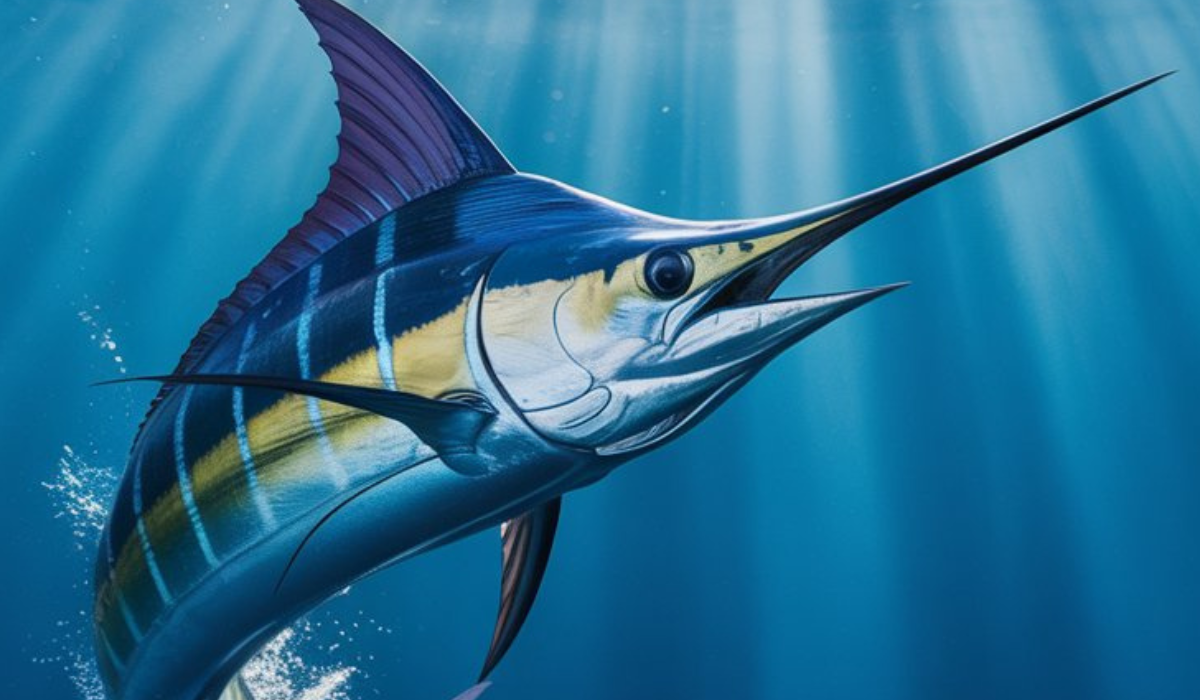
Marlin fish are among the most iconic and powerful fish in the ocean. Known for their long spear-like bills, muscular bodies, and unmatched swimming speed, marlin fish symbolize strength, endurance, and freedom in marine life. They are highly respected in sport fishing, admired by marine biologists, and essential to ocean ecosystems.
This detailed guide explores everything about marlin fish, including their types, physical features, habitat, diet, behavior, and ecological importance.
What Is a Marlin Fish
Marlin fish are large saltwater fish belonging to the family Istiophoridae. They are pelagic fish, meaning they live in open ocean waters rather than near the shore or seabed. Marlin are closely related to sailfish and swordfish and share similar body structures designed for speed and power.
They are considered apex predators in many marine environments.
Physical Characteristics of Marlin Fish
Marlin fish have long, streamlined bodies built for speed. Their most distinctive feature is the elongated, pointed bill that resembles a spear. This bill is used to slash through schools of fish, stunning prey before feeding.
Their bodies are covered with smooth scales, and their coloration usually includes dark blue on the upper body with silvery or white sides and underside.
Types of Marlin Fish
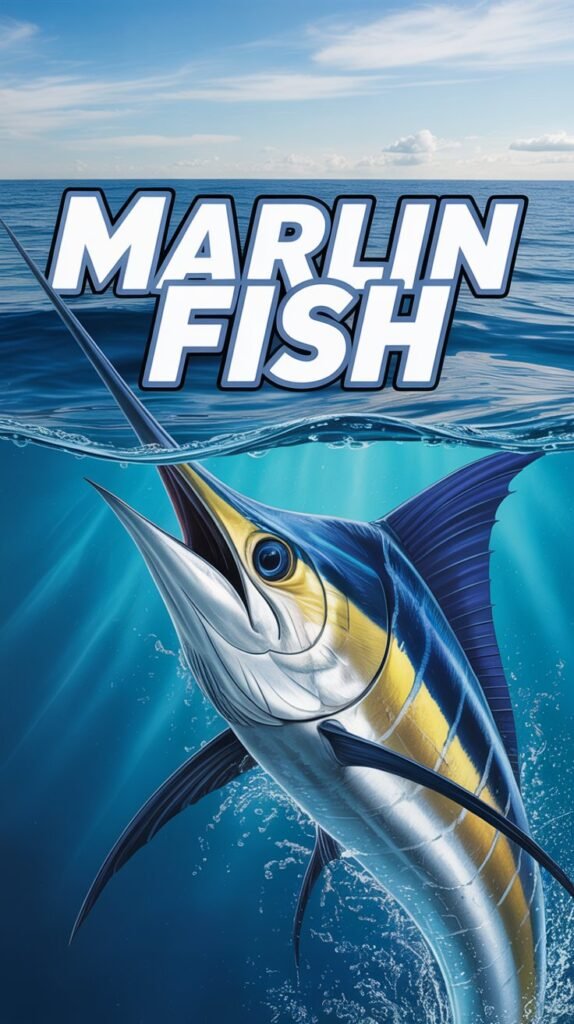
There are several species of marlin fish, each varying slightly in size, coloration, and geographic range.
Blue Marlin
Blue marlin are the largest and most famous marlin species. They are known for their immense size, strength, and deep blue coloration.
Black Marlin
Black marlin are extremely powerful and have rigid pectoral fins. They are considered one of the strongest fish in the ocean.
White Marlin
White marlin are smaller and more slender than blue and black marlin. They are fast swimmers and highly agile.
Striped Marlin
Striped marlin are recognized by their vertical blue stripes along the body and are commonly found in the Pacific Ocean.
Natural Habitat of Marlin Fish
Marlin fish inhabit tropical and subtropical oceans around the world. They prefer warm, open waters and are commonly found near the surface but can dive deeper when hunting.
They often migrate long distances following food sources and seasonal water temperature changes.
Swimming Speed and Strength
Marlin fish are among the fastest fish in the ocean. Their powerful muscles and streamlined bodies allow them to reach remarkable speeds in short bursts.
This speed helps them catch prey and evade threats, making them highly efficient predators.
Diet of Marlin Fish
Marlin fish are carnivorous and feed primarily on smaller fish, squid, and other marine organisms. They rely on speed and precision to hunt.
Their spear-like bill plays a key role in disabling prey during feeding.
Hunting Behavior
Marlin fish are active hunters that often attack schools of fish. They use rapid movements and their bill to strike prey before consuming it.
Their hunting behavior demonstrates advanced coordination and intelligence.
Role of Marlin Fish in the Marine Ecosystem
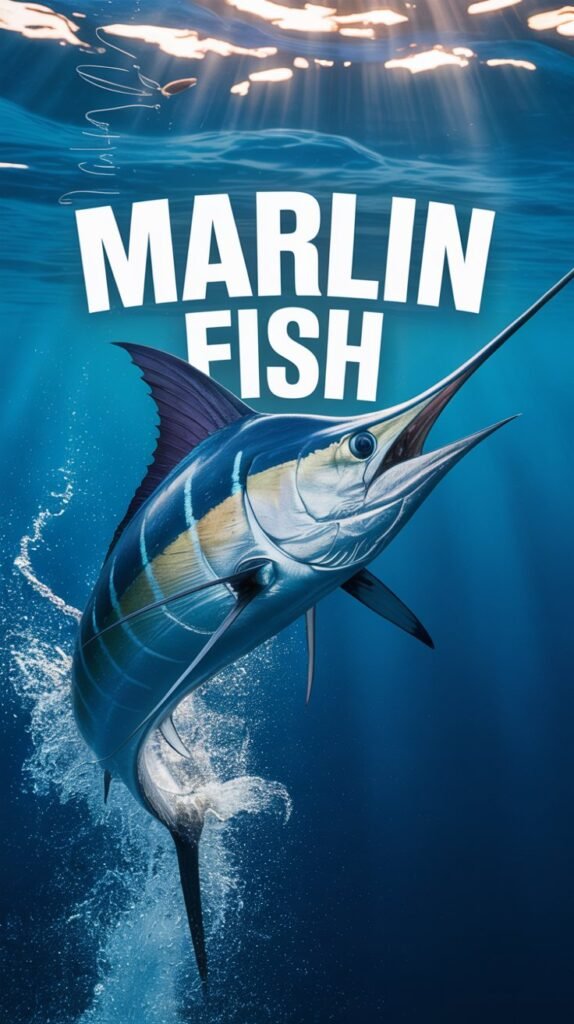
Marlin fish help regulate populations of smaller fish and squid. As apex predators, they maintain balance within marine food chains.
Healthy marlin populations indicate a stable and productive ocean environment.
Marlin Fish and Sport Fishing
Marlin fish are highly prized in sport fishing due to their strength, speed, and endurance. Catching a marlin is considered a significant achievement among anglers.
Many fisheries now promote catch-and-release practices to protect marlin populations.
Table: Marlin Fish Species Overview
| Marlin Species | Size | Distinct Feature | Habitat |
|---|---|---|---|
| Blue Marlin | Very large | Deep blue body | Tropical oceans |
| Black Marlin | Very large | Powerful build | Indo-Pacific |
| White Marlin | Medium | Slender body | Atlantic Ocean |
| Striped Marlin | Large | Vertical stripes | Pacific Ocean |
Lifespan of Marlin Fish
Marlin fish can live for many years in the wild. Their lifespan varies by species and environmental conditions.
Slow growth and late maturity make them vulnerable to overfishing.
Reproduction and Growth
Marlin fish reproduce by releasing eggs into open water. Larvae develop rapidly in warm surface waters.
Survival rates are low, which makes conservation efforts important.
Threats to Marlin Fish
Overfishing, habitat changes, and bycatch pose major threats to marlin populations. Commercial fishing pressure affects some species more than others.
Sustainable fishing practices are essential for long-term survival.
Conservation and Sustainability
Efforts to conserve marlin fish include fishing regulations, size limits, and catch-and-release programs. These measures help maintain healthy populations.
Public awareness supports responsible ocean use.
Can Marlin Fish Be Kept in Aquariums
Marlin fish cannot be kept in aquariums due to their massive size, speed, and need for open ocean environments. They require vast spaces to swim and hunt.
They are best admired in their natural habitat.
Cultural and Symbolic Importance
Marlin fish symbolize strength, determination, and freedom in many cultures. They are often featured in art, literature, and maritime traditions.
Their iconic appearance makes them a symbol of the open sea.
Marlin Fish Compared to Similar Species
Marlin fish are often compared to sailfish and swordfish. While similar, marlin are generally heavier and more powerful.
Each species plays a unique role in marine ecosystems.
Final Thoughts on Marlin Fish
Marlin fish are extraordinary ocean predators known for their speed, strength, and beauty. They play a vital role in maintaining marine balance and inspire respect among scientists and anglers alike.
Protecting marlin fish ensures healthier oceans for future generations.
Frequently Asked Questions
What kind of fish is a marlin?
Marlin are large saltwater pelagic fish.
How fast can marlin fish swim?
They are among the fastest fish in the ocean.
Do marlin fish use their bill to hunt?
Yes, they use it to strike and stun prey.
Where do marlin fish live?
They live in tropical and subtropical oceans.
Are marlin fish dangerous to humans?
They are not aggressive toward humans.
Can marlin fish be kept in aquariums?
No, they require open ocean space.
Why are marlin fish important?
They help maintain balance in marine ecosystems.