
 By weeebooo70@gmail.com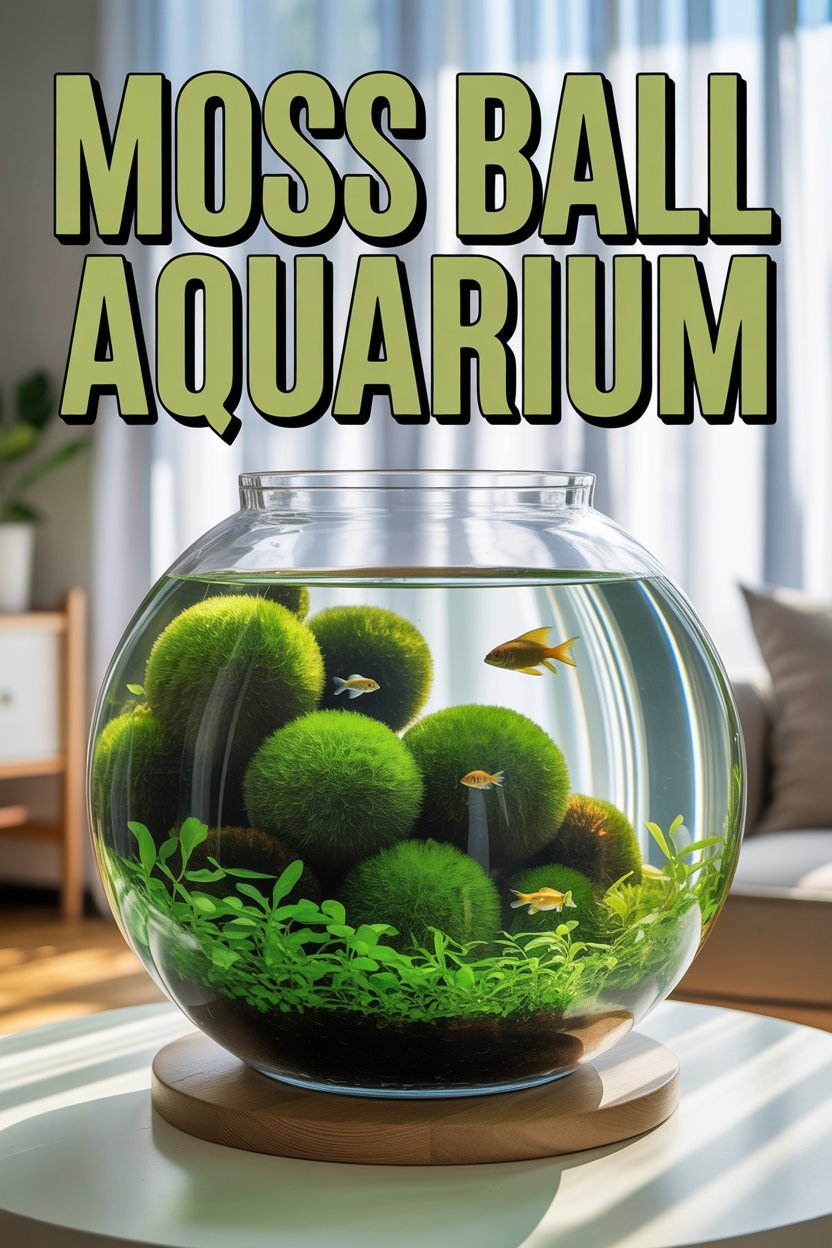
A moss ball aquarium is a unique and beginner-friendly type of freshwater setup that focuses on using marimo moss balls as the main decorative and functional element. Moss balls are not actually moss but a form of green algae that naturally grows into soft, round shapes. Their gentle movement, easy care, and natural appearance make them a popular choice for minimalistic aquariums and small indoor spaces.
Unlike complex planted aquariums, a moss ball aquarium emphasizes simplicity, balance, and low maintenance. Whether you want a tiny desktop tank or a peaceful centerpiece for your home, moss balls can transform an ordinary aquarium into a calming underwater environment.
What Is a Moss Ball
Marimo moss balls are spherical colonies of algae that grow slowly in freshwater lakes. They are known for their velvety texture and vibrant green color. Because they absorb nutrients from the water, moss balls help maintain water quality and reduce excess waste in aquariums.
These aquatic plants are highly adaptable and thrive in cool to moderate temperatures. Their slow growth means they require very little trimming or special care, making them ideal for beginners.
Why Choose a Moss Ball Aquarium
One of the main reasons hobbyists choose a moss ball aquarium is its simplicity. Moss balls do not need intense lighting, complex fertilization, or carbon dioxide systems. They add a natural aesthetic while helping stabilize the tank environment.
Another benefit is versatility. Moss balls work well in nano aquariums, shrimp tanks, betta fish setups, and minimalist designs. Their soft texture also provides shelter for small fish and invertebrates.
Tank Size Ideas for Moss Ball Aquariums
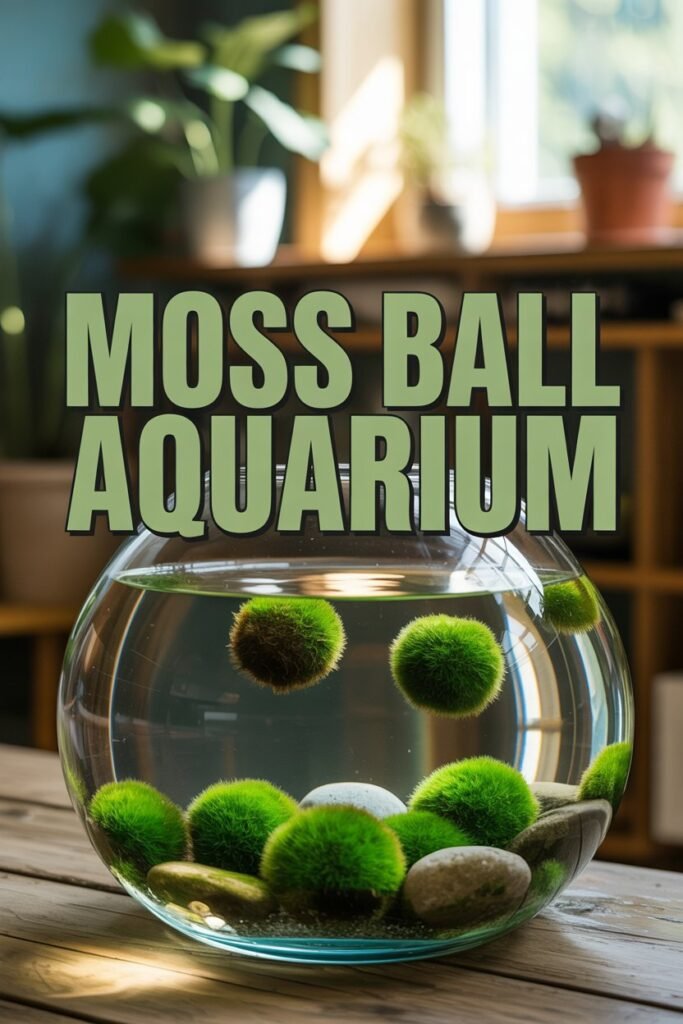
Moss ball aquariums can be created in tanks of almost any size, but smaller setups are especially popular due to their clean and modern appearance.
Nano aquariums often feature a few moss balls placed on sand or fine gravel. Medium tanks allow for creative arrangements combined with driftwood or stones. Larger aquariums can use moss balls as foreground accents alongside live plants and fish.
Substrate and Decoration Ideas
Choosing the right substrate helps highlight the vibrant green color of moss balls. Dark sand or natural gravel creates a strong contrast and enhances the overall aesthetic. Smooth stones, small pieces of driftwood, and minimal decorations complement the simple design style.
Avoid sharp decorations that may damage the delicate surface of moss balls. Keeping the layout open allows water to flow freely around them.
Lighting Requirements
Moss balls prefer low to moderate lighting conditions. Strong lighting can cause discoloration or encourage unwanted algae growth. A soft LED light that mimics natural daylight works well for most setups.
Placing the aquarium away from direct sunlight helps maintain stable temperatures and prevents overheating.
Fish and Tank Mate Ideas
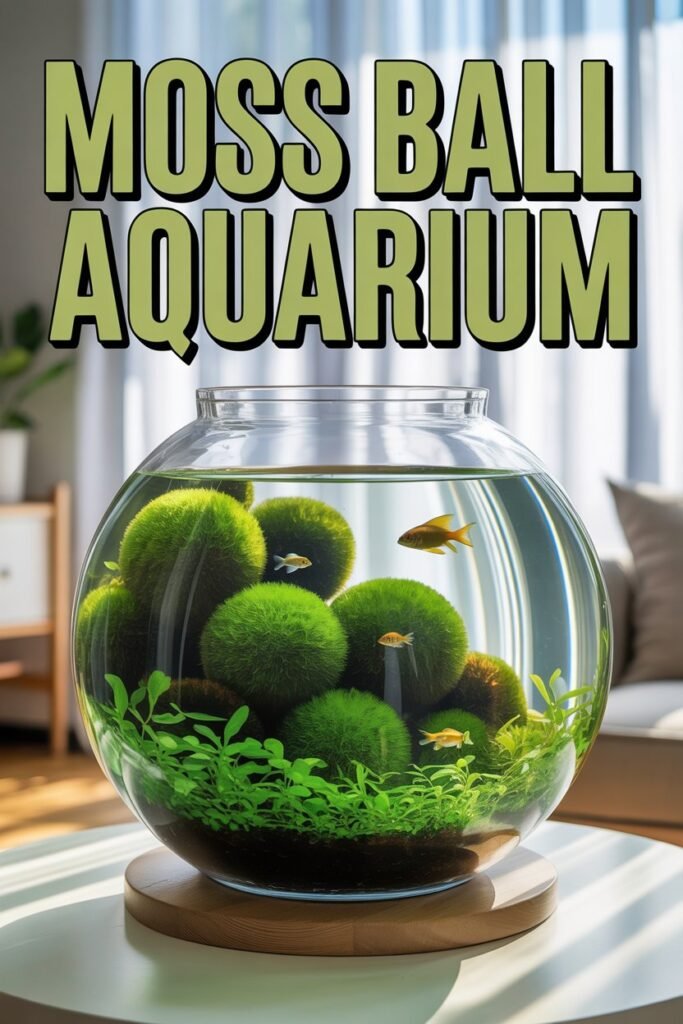
Moss ball aquariums are compatible with many peaceful freshwater species. Small fish that enjoy calm environments are the best choice.
Betta fish, shrimp, small tetras, and snails are popular companions. Shrimp, in particular, love grazing on the surface of moss balls, helping keep them clean and healthy.
Water Conditions for Moss Ball Aquariums
Maintaining stable water parameters is important even in simple setups. Moss balls thrive in temperatures between 20 and 26 degrees Celsius and prefer neutral to slightly alkaline water.
Regular water changes keep the aquarium fresh and prevent waste buildup. Since moss balls grow slowly, they do not require heavy fertilization.
Creative Moss Ball Aquarium Ideas
There are many ways to design a moss ball aquarium depending on personal style. Minimalist layouts use a few large moss balls placed carefully to create balance. Nature-inspired designs combine moss balls with driftwood roots for a forest-like effect.
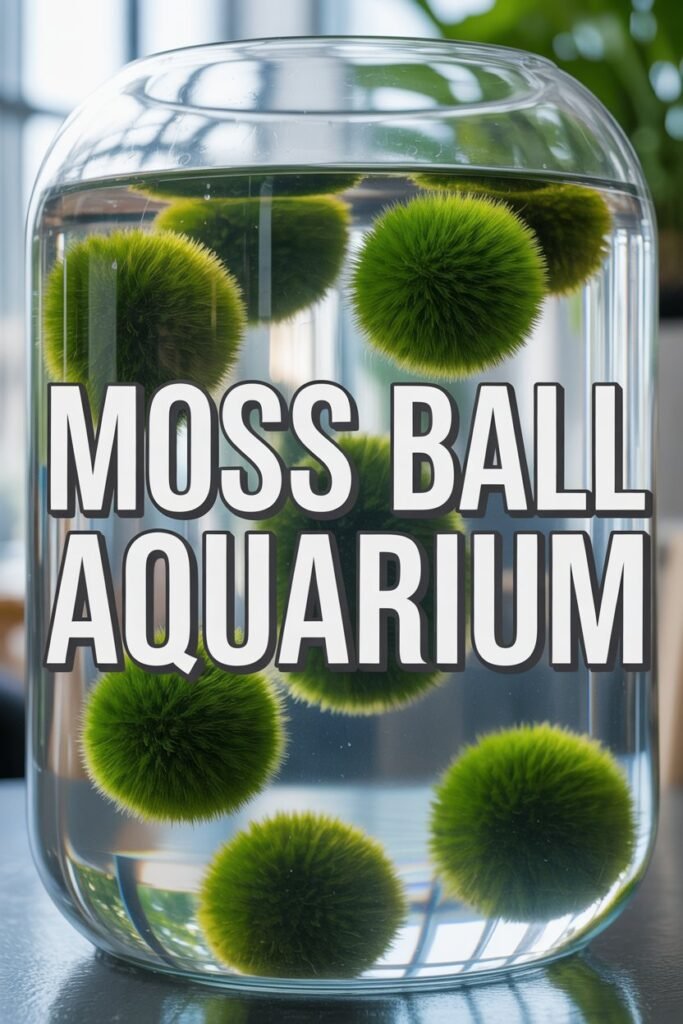
Floating moss balls attached to invisible threads can create a unique visual illusion. Some aquarists even use clear glass containers for modern, decorative displays.
Maintenance Tips
Taking care of a moss ball aquarium is simple. Occasionally roll the moss balls gently between your hands during water changes to maintain their round shape. This also helps prevent flat spots from forming.
Rinse them in aquarium water rather than tap water to preserve beneficial bacteria. If a moss ball starts turning brown, it may need less light or cooler temperatures.
Benefits of Moss Balls in Aquariums
Moss balls contribute to a healthier aquarium by absorbing nutrients and improving water clarity. They also create a natural hiding space for small fish and shrimp. Their slow growth and hardy nature make them a reliable addition to almost any freshwater setup.
From an aesthetic perspective, moss balls bring a soft, organic feel that complements both modern and natural aquarium designs.
Common Mistakes to Avoid
One common mistake is placing moss balls under intense lighting, which can damage their structure. Another issue is overcrowding the tank with too many decorations, reducing water flow around the moss balls.
Neglecting regular rotation can cause uneven growth. Simple weekly observation and gentle care prevent most problems.
Moss Ball Aquarium for Home Décor
Moss ball aquariums are perfect for people who want a calming decorative element without complicated maintenance. Their clean and minimalist look works well on desks, shelves, and small tables.
Many homeowners choose moss ball tanks as part of a biophilic design approach, bringing natural elements into indoor spaces. The gentle movement of water and soft green color creates a relaxing atmosphere.
Frequently Asked Questions
Are moss balls good for beginners?
Yes, moss balls are one of the easiest aquatic plants to care for and are ideal for beginners.
Do moss balls need fertilizer?
Usually not. They absorb nutrients directly from the water, making them low maintenance.
Can moss balls live with betta fish?
Yes, betta fish often enjoy resting near moss balls, making them a great addition to betta tanks.
How often should I clean moss balls?
Gently rinse and rotate them during regular water changes, usually every one to two weeks.
Why is my moss ball turning brown?
Excessive light, poor water quality, or high temperatures can cause discoloration.
Can moss balls reduce algae?
They can help absorb excess nutrients, which may limit some algae growth, but they do not eliminate algae completely.