
 By weeebooo70@gmail.com
Clean and safe drinking water is essential for health, but not all water sources are free from contaminants. From chlorine and heavy metals to pesticides and microorganisms, tap water often contains impurities that affect its taste, odor, and safety. This is why many households and industries turn to a reverse osmosis system—one of the most effective water purification technologies available today.
In this comprehensive guide, we’ll explain what a reverse osmosis system is, how it works, its benefits, different types, installation, maintenance, and everything else you need to know before choosing one for your home or business.
What is a Reverse Osmosis System?
A reverse osmosis system (RO system) is a water filtration technology that removes impurities by forcing water through a semi-permeable membrane. This process effectively eliminates contaminants like dissolved salts, heavy metals, fluoride, arsenic, nitrates, chlorine, and microorganisms.
The result is pure, great-tasting water that is safe for drinking, cooking, and other uses. Reverse osmosis systems are commonly used in homes, offices, aquariums, food industries, and even in large-scale desalination plants to convert seawater into drinkable water.
How Does a Reverse Osmosis System Work?
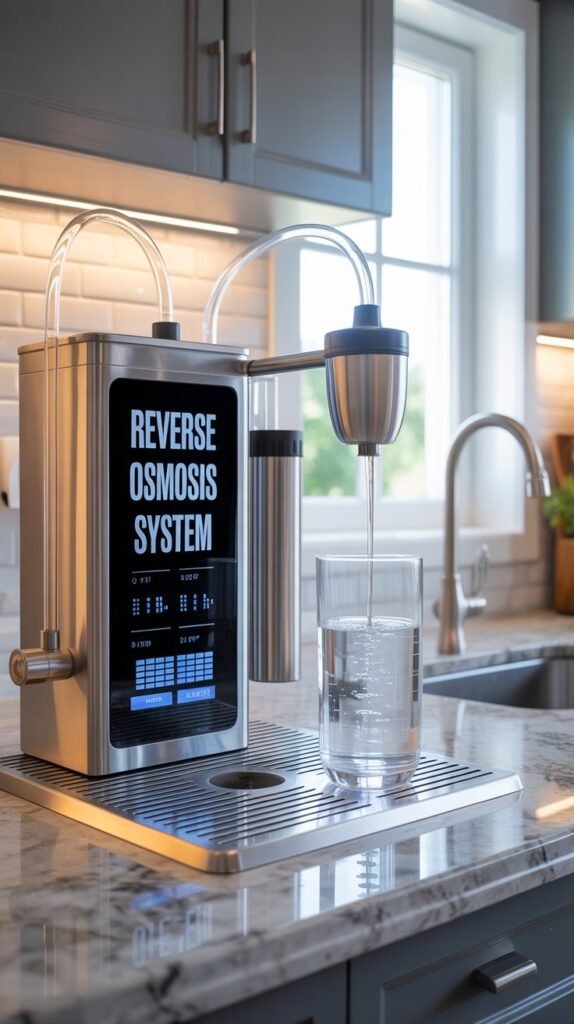
The working principle of reverse osmosis is based on reversing the natural process of osmosis.
- Osmosis: In nature, water moves from an area of low solute concentration to high concentration through a semi-permeable membrane.
- Reverse Osmosis: By applying external pressure, water is forced from a high concentration area to a low concentration area, leaving contaminants behind.
Stages of Filtration in a Typical RO System
Most household RO systems use 4–6 stages of filtration:
- Sediment Filter – Removes dirt, sand, rust, and larger particles.
- Carbon Filter – Eliminates chlorine, pesticides, herbicides, and organic chemicals.
- Reverse Osmosis Membrane – The heart of the system, removing up to 99% of dissolved solids, heavy metals, and contaminants.
- Post-Carbon Filter – Polishes the water, improving taste and odor.
- (Optional) Remineralization Filter – Adds back healthy minerals like calcium and magnesium.
- (Optional) UV Sterilizer – Kills bacteria and viruses for added safety.
Benefits of Using a Reverse Osmosis System
Investing in an RO system offers numerous advantages:
1. Removes Harmful Contaminants
RO systems eliminate impurities like arsenic, lead, nitrates, fluoride, chlorine, and microorganisms that may cause health issues.
2. Improves Taste and Odor
By removing chlorine and organic compounds, RO water tastes fresh, clean, and free of unpleasant odors.
3. Safe for Cooking and Beverages
Pure water enhances the flavor of food, coffee, tea, and other beverages.
4. Cost-Effective
While bottled water is expensive in the long run, RO systems provide affordable clean water at home.
5. Eco-Friendly
Using RO water reduces reliance on single-use plastic bottles, helping the environment.
6. Healthier for Aquariums and Plants
Many aquarists use RO water for freshwater and reef tanks, as it ensures stable water chemistry without harmful minerals.
7. Convenience
Once installed, you have a constant supply of purified water on demand.
Types of Reverse Osmosis Systems
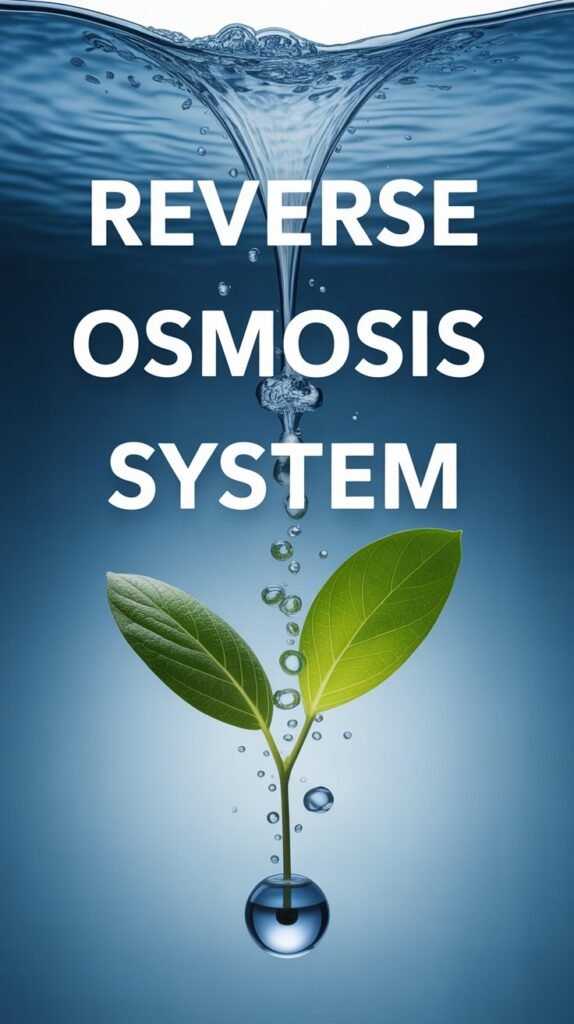
There are several types of RO systems designed for different applications:
1. Under-Sink RO Systems
- Installed under the kitchen sink.
- Provide purified water directly to a dedicated faucet.
- Compact and convenient for household use.
2. Countertop RO Systems
- Portable and require no permanent installation.
- Ideal for renters and small kitchens.
3. Tankless RO Systems
- Use advanced technology to provide water on demand without a storage tank.
- Save space and reduce the risk of bacteria growth.
4. Whole-House RO Systems
- Treat water for the entire home.
- Larger and more expensive but ensure all faucets supply purified water.
5. Commercial and Industrial RO Systems
- Used in factories, restaurants, hospitals, and aquariums.
- Designed to handle large volumes of water purification.
6. Portable RO Systems
- Compact units used for aquariums, travel, or temporary setups.
Choosing the Right Reverse Osmosis System
When selecting an RO system, consider these factors:
1. Water Quality
Get your water tested for contaminants to choose the right system with proper filtration stages.
2. Daily Water Usage
A family of four typically needs 50–75 gallons of purified water per day. Choose a system with adequate capacity.
3. System Size and Space
Ensure the system fits under your sink or in the designated installation area.
4. Filter Replacement Cost
Check availability and replacement frequency of filters.
5. Flow Rate
Tankless RO systems provide faster flow rates compared to traditional storage tank systems.
6. Remineralization Needs
If you prefer water with added minerals, choose a system with a remineralization stage.
7. Budget
Basic under-sink units cost around $150–$300, while advanced whole-house systems can cost thousands.
How to Install a Reverse Osmosis System

While professional installation is recommended, many under-sink RO systems are DIY-friendly.
General Installation Steps:
- Choose Location – Under the sink or desired space.
- Mount Pre-Filters and Membrane – Secure filters in the system housing.
- Connect Tubing – Attach inlet water supply, RO membrane, and faucet connections.
- Install Storage Tank – Position the tank and connect tubing.
- Attach Faucet – Drill a hole (if necessary) for the dedicated RO faucet.
- Flush System – Run water through the system to flush out carbon fines and impurities.
⚠️ Pro Tip: Always follow the manufacturer’s instructions for best results.
Maintenance of a Reverse Osmosis System
Regular maintenance ensures efficiency and longevity of your RO system.
- Sediment and Carbon Filters: Replace every 6–12 months.
- RO Membrane: Replace every 2–3 years (depending on water quality).
- Post-Carbon Filter: Replace annually.
- UV Lamp (if installed): Replace every 12 months.
- Storage Tank Sanitization: Clean every 12 months.
Neglecting maintenance may lead to clogged filters, reduced flow rate, or bacterial growth.
Common Problems and Troubleshooting
1. Low Water Flow
- Cause: Clogged filters or membrane.
- Solution: Replace filters and check water pressure.
2. Bad Taste or Odor
- Cause: Old post-carbon filter.
- Solution: Replace polishing filter.
3. Constantly Draining Water
- Cause: Faulty shut-off valve or membrane.
- Solution: Inspect components and replace if necessary.
4. Leaking Connections
- Cause: Loose tubing or fittings.
- Solution: Re-tighten and use Teflon tape if needed.
Advantages and Disadvantages of Reverse Osmosis Systems
✅ Advantages
- Removes up to 99% of contaminants.
- Improves taste and odor.
- Provides safe water for families and pets.
- Environmentally friendly alternative to bottled water.
❌ Disadvantages
- Wastes some water during purification (1–3 gallons wasted per gallon produced).
- Removes beneficial minerals along with harmful contaminants.
- Requires regular maintenance and filter changes.
- Initial installation cost can be high.
Applications of Reverse Osmosis Systems
RO systems are not limited to household drinking water. They are widely used in:
- Aquariums – Provides pure water for sensitive fish and corals.
- Food & Beverage Industry – Used in coffee shops, breweries, and restaurants.
- Hospitals & Laboratories – For sterile and chemical-free water.
- Desalination Plants – Converting seawater into freshwater.
- Agriculture & Hydroponics – Ensures clean water for plant growth.
Conclusion
A reverse osmosis system is one of the most reliable and effective ways to ensure safe, clean, and great-tasting water. By removing harmful contaminants and improving water quality, RO systems benefit not only health but also appliances, aquariums, and even cooking.
While they require regular maintenance and an upfront investment, the long-term savings, safety, and convenience make them an excellent choice for homes and businesses alike.
If you value pure water for your family, pets, or even your aquarium, investing in a reverse osmosis system is a smart decision.
FAQs About Reverse Osmosis Systems
Q1: Does a reverse osmosis system remove all contaminants?
RO systems remove up to 99% of contaminants, including heavy metals, chemicals, and microorganisms, but not all 100%.
Q2: Is reverse osmosis water safe to drink every day?
Yes, it is safe. Some systems even add back minerals for better taste and health benefits.
Q3: How much does a reverse osmosis system cost?
Basic under-sink units cost $150–$300, while whole-house systems can exceed $2000.
Q4: How often should I replace the filters?
Sediment and carbon filters: every 6–12 months. RO membrane: every 2–3 years.
Q5: Does an RO system waste water?
Yes, traditional RO systems waste 1–3 gallons of water per gallon of purified water. Newer models are more efficient.
Q6: Can I install an RO system myself?
Yes, most under-sink models come with DIY instructions, though professional installation is available.
Q7: Is reverse osmosis better than bottled water?
Yes, it’s cheaper, more sustainable, and provides equally clean or even better water quality.
Q8: Does reverse osmosis remove fluoride?
Yes, RO membranes effectively remove fluoride from water.