
 By weeebooo70@gmail.com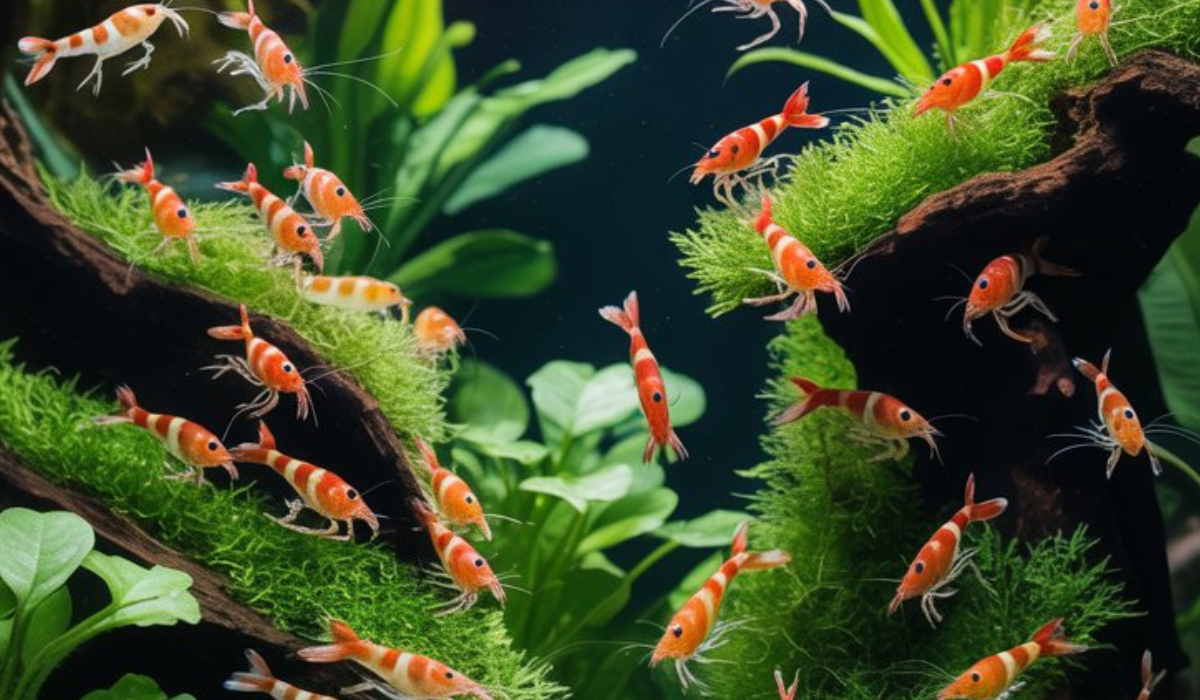
A shrimp aquarium is a specialized freshwater setup designed to house ornamental shrimp in a stable and natural environment. Aquarium shrimp are popular for their vibrant colors, peaceful nature, and ability to improve tank cleanliness. When kept in a properly designed shrimp aquarium, these small creatures display fascinating behaviors and thrive for long periods.
This guide explains shrimp aquarium ideas, setup requirements, design options, and maintenance practices in a clear and beginner-friendly way.
What Is a Shrimp Aquarium
A shrimp aquarium is a tank specifically arranged to meet the biological and environmental needs of freshwater shrimp species. These aquariums focus on stable water parameters, gentle filtration, and safe hiding spaces.
Unlike fish tanks, shrimp aquariums prioritize plant cover, biofilm development, and calm water flow to support shrimp health and breeding.
Why Shrimp Aquariums Are Popular
Shrimp aquariums are gaining popularity because they are peaceful, visually appealing, and suitable for small spaces. Shrimp add movement and color without overcrowding the aquarium.
They are also fascinating to watch, especially during feeding and molting.
Common Shrimp Species for Aquariums
Different shrimp species are suitable for aquarium life. Some are ideal for beginners, while others require advanced care.
Choosing the right species helps ensure success and long-term stability.
Ideal Tank Size for a Shrimp Aquarium
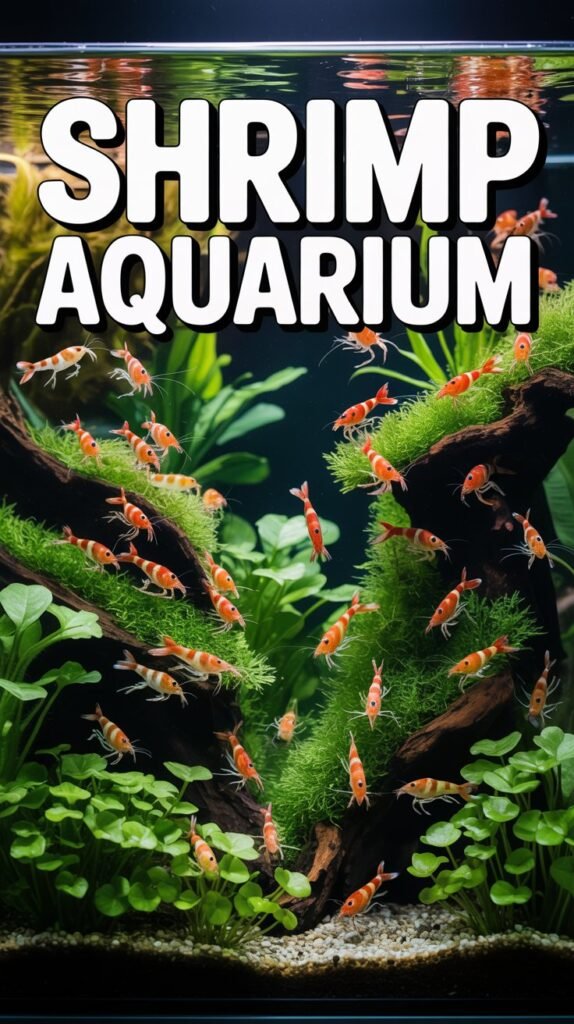
Shrimp can live comfortably in small tanks, but stability improves with larger water volume. A slightly larger aquarium provides better water quality and reduces parameter fluctuations.
Tank shape should allow easy access to the bottom, where shrimp spend most of their time.
Shrimp Aquarium Filtration
Shrimp require clean water but dislike strong currents. Gentle filtration is essential.
Sponge filters are widely used in shrimp aquariums because they are safe for baby shrimp and provide excellent biological filtration.
Water Parameters for Shrimp Aquariums
Stable water parameters are critical for shrimp health. Sudden changes can cause stress or death.
Maintaining consistent temperature, hardness, and pH supports molting and breeding.
Substrate Choices for Shrimp Aquariums
The substrate influences water chemistry and plant growth. Inert substrates are easy to manage, while specialized substrates help maintain ideal conditions for certain shrimp species.
A fine-grain substrate is preferred to prevent food loss and encourage natural behavior.
Plants and Moss for Shrimp Aquariums
Plants and mosses are essential in shrimp aquariums. They provide hiding places, grazing surfaces, and protection for baby shrimp.
Moss varieties are especially beneficial as they trap food particles and encourage biofilm growth.
Hardscape and Decoration for Shrimp Tanks
Hardscape elements such as driftwood and smooth stones create structure and shelter. Decorations should be shrimp-safe and free of sharp edges.
Natural materials help establish beneficial microorganisms that shrimp feed on.
Lighting in a Shrimp Aquarium
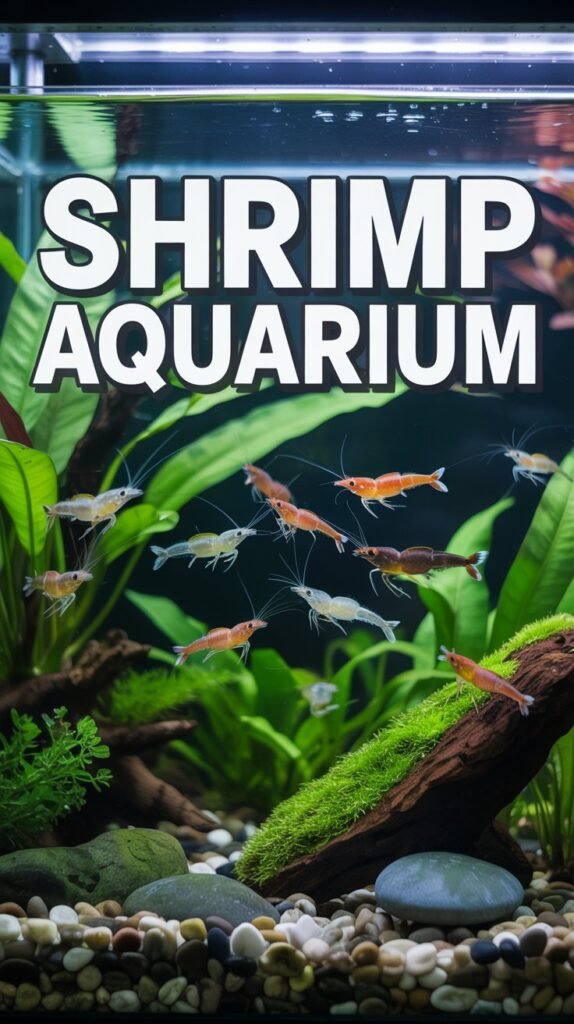
Lighting should support plant growth without overheating the tank. Moderate lighting is ideal.
A consistent lighting schedule promotes algae and biofilm growth, which shrimp rely on for food.
Feeding Shrimp in an Aquarium
Shrimp are omnivores and feed on algae, biofilm, and supplemental foods. Overfeeding should be avoided as it can harm water quality.
Feeding small amounts ensures a clean and balanced environment.
Shrimp Aquarium Maintenance
Regular maintenance includes partial water changes, filter cleaning, and water testing. Gentle maintenance is important to avoid disturbing shrimp.
Consistency and patience are key to long-term success.
Shrimp Aquarium Tank Mates
Shrimp are best kept in species-only tanks or with peaceful fish. Aggressive or large fish can prey on shrimp.
Choosing compatible tank mates reduces stress and improves survival rates.
Breeding in a Shrimp Aquarium
Shrimp breeding occurs naturally in stable environments. Baby shrimp require fine hiding spaces and clean water.
A well-established shrimp aquarium often supports self-sustaining populations.
Common Shrimp Aquarium Mistakes
Rapid water changes, overfeeding, and poor filtration are common mistakes. Introducing shrimp into uncycled tanks often leads to losses.
Understanding shrimp behavior helps prevent issues.
Shrimp Aquarium Setup Comparison Table
| Setup Type | Difficulty Level | Best For | Maintenance |
|---|---|---|---|
| Beginner Shrimp Tank | Easy | New hobbyists | Low |
| Planted Shrimp Aquarium | Medium | Visual appeal | Medium |
| Breeding Shrimp Tank | Medium to Advanced | Shrimp reproduction | Medium |
| Display Shrimp Aquarium | Advanced | Show tanks | High |
Benefits of Keeping a Shrimp Aquarium

Shrimp aquariums offer beauty, calmness, and educational value. They are ideal for small homes and offices.
Shrimp contribute to tank cleanliness and create a dynamic ecosystem.
Long-Term Care and Observation
Observing shrimp behavior helps identify health issues early. Healthy shrimp are active and show regular molting.
With proper care, shrimp aquariums remain stable and visually appealing for years.
Frequently Asked Questions About Shrimp Aquariums
Are shrimp aquariums suitable for beginners?
Yes, many shrimp species are beginner-friendly when proper care is provided.
Can shrimp live in small aquariums?
Yes, but stable water conditions are easier to maintain in slightly larger tanks.
Do shrimp need filters?
Yes, gentle filtration is essential for clean and oxygenated water.
Can shrimp live with fish?
Some peaceful fish are compatible, but species selection is important.
How often should a shrimp aquarium be cleaned?
Partial water changes should be done regularly based on tank size.
What do aquarium shrimp eat?
They feed on algae, biofilm, and specialized shrimp food.
Do shrimp reproduce in aquariums?
Yes, shrimp breed readily in stable and well-maintained tanks.