
 By weeebooo70@gmail.com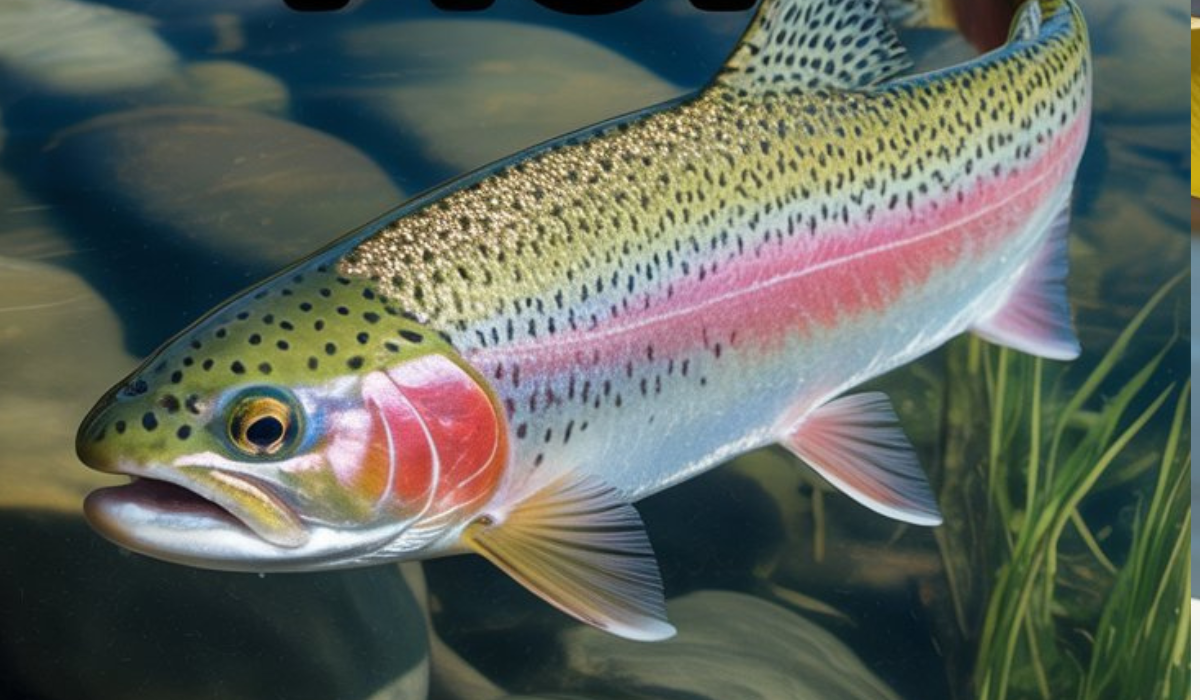
Trout fish are among the most popular and widely recognized freshwater fish in the world. Known for their streamlined bodies, beautiful coloration, and importance in both sport fishing and ecosystems, trout fish hold a special place in nature and human culture. They are found in clean, cold waters and are often considered indicators of healthy aquatic environments.
This article explores trout fish in detail, including their types, natural habitat, behavior, diet, life cycle, and their role in fisheries and aquaculture.
What Is a Trout Fish
A trout fish is a freshwater fish belonging to the salmonid family, which also includes salmon and char. Trout are known for their ability to thrive in cold, oxygen-rich waters such as rivers, streams, lakes, and mountain reservoirs.
They are valued for their fighting ability, taste, and ecological significance.
Physical Characteristics of Trout Fish
Trout fish have elongated bodies designed for fast swimming. Their skin is covered with small scales and often features colorful spots or patterns that vary by species and environment.
Most trout have a forked tail, strong fins, and a streamlined shape that helps them navigate fast-moving water.
Common Types of Trout Fish
There are several well-known trout species found around the world, each adapted to specific environments.
Rainbow Trout
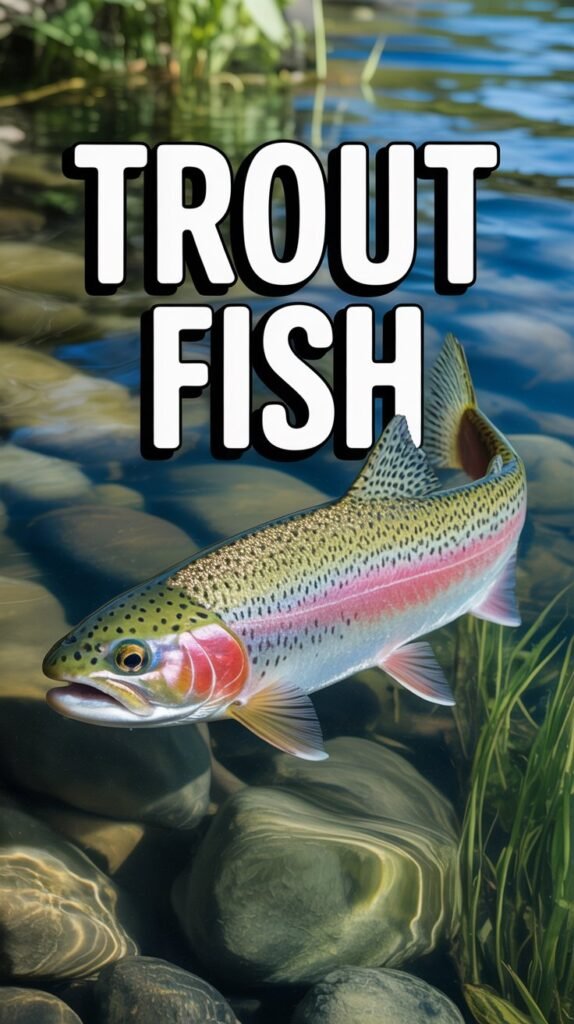
Rainbow trout are one of the most widespread trout species. They are easily recognized by a pink or red stripe along their sides and black spotting across their body.
They are commonly stocked in rivers and lakes for fishing.
Brown Trout
Brown trout are known for their golden-brown color with dark and red spots. They are more cautious and harder to catch compared to other trout.
This species is highly adaptable and can live in a variety of freshwater habitats.
Brook Trout
Despite their name, brook trout are technically a type of char. They are known for their vibrant colors and preference for cold, clear streams.
Brook trout are sensitive to pollution and require pristine water conditions.
Cutthroat Trout
Cutthroat trout are named for the distinctive red or orange markings beneath their jaws. They are native to North America and often inhabit mountain streams and lakes.
Habitat of Trout Fish
Trout fish prefer cold, clean, and well-oxygenated water. They are commonly found in rivers with gravel bottoms, clear lakes, and alpine streams.
Water temperature plays a crucial role in trout survival. Most trout thrive in temperatures ranging from cool to moderately cold conditions.
Trout Fish Behavior
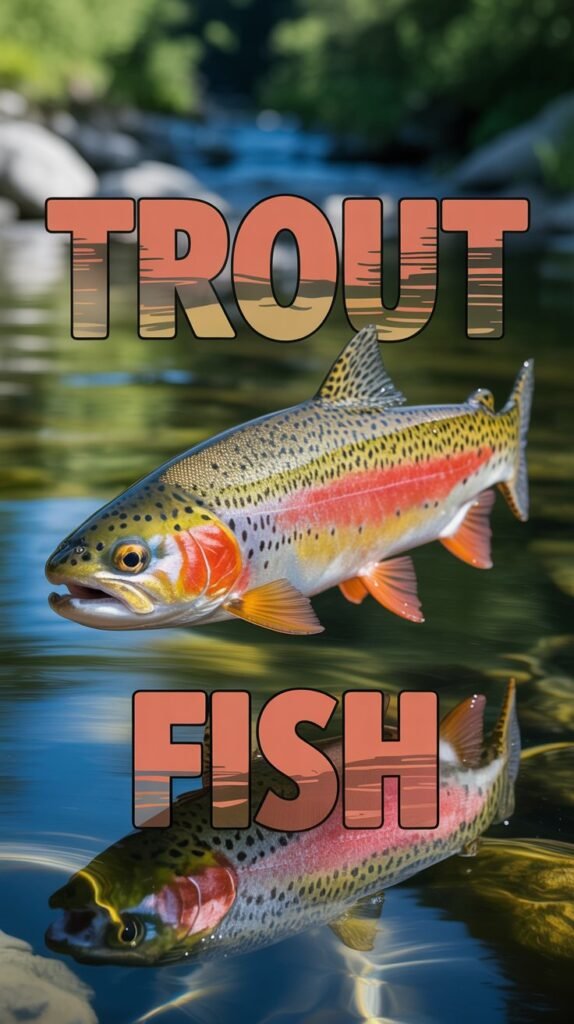
Trout are alert and intelligent fish. They often hide behind rocks or in deeper pools to conserve energy while waiting for food to drift by.
They are territorial, especially during spawning seasons, and larger trout often dominate prime feeding areas.
Diet of Trout Fish
Trout fish are carnivorous. Their diet includes insects, larvae, crustaceans, small fish, and aquatic invertebrates.
In lakes, trout may feed on zooplankton and small baitfish, while stream trout rely heavily on insects falling into the water.
Life Cycle of Trout Fish
Trout reproduce by laying eggs in gravel nests called redds. Females deposit eggs while males fertilize them externally.
Eggs hatch into fry, which grow into juveniles and eventually mature adults. Growth rates depend on food availability and water conditions.
Trout Fish and Water Quality
Trout fish are sensitive to pollution and environmental changes. Because of this, they are often used as indicators of water quality.
Healthy trout populations usually signal clean and well-managed freshwater systems.
Trout Fish in Sport Fishing
Trout fishing is one of the most popular recreational fishing activities worldwide. Anglers value trout for their strength, speed, and challenging behavior.
Fly fishing is especially associated with trout due to their feeding habits and surface activity.
Trout Fish in Aquaculture
Trout fish are widely farmed for food. Rainbow trout are the most commonly raised species due to their fast growth and adaptability.
Farmed trout provide a reliable source of protein and support global food supplies.
Nutritional Value of Trout Fish
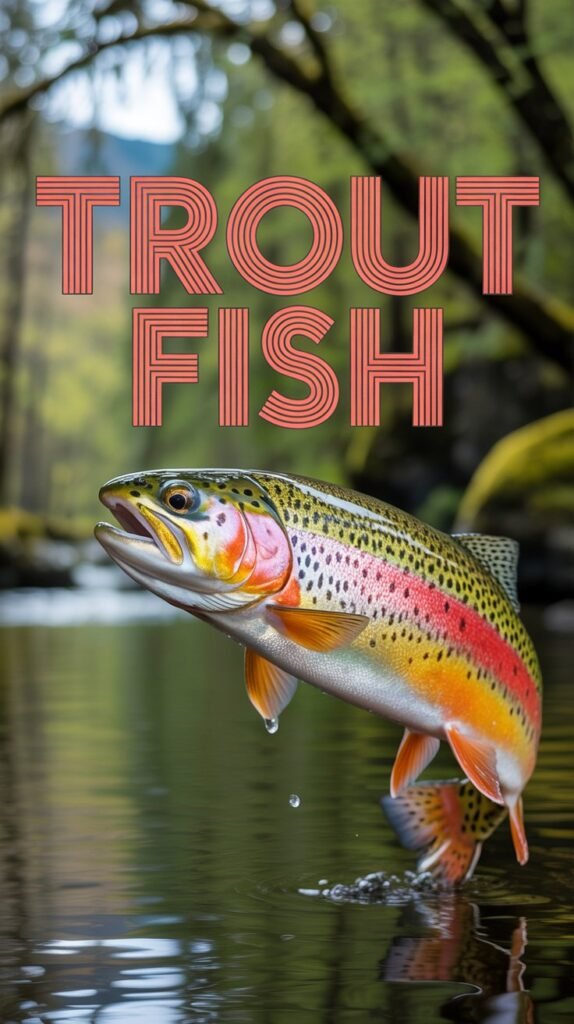
Trout fish are rich in protein, omega fatty acids, vitamins, and minerals. Their meat is considered healthy and flavorful.
They are often recommended as part of a balanced diet.
Differences Between Trout and Salmon
Although trout and salmon belong to the same family, they differ in behavior and life cycle. Many salmon migrate to the ocean, while most trout remain in freshwater.
Some trout species can adapt to saltwater environments.
Table: Common Trout Fish Species Overview
| Trout Species | Habitat | Notable Feature |
|---|---|---|
| Rainbow Trout | Rivers and lakes | Pink side stripe |
| Brown Trout | Streams and lakes | Golden brown body |
| Brook Trout | Cold mountain streams | Bright coloration |
| Cutthroat Trout | Rivers and lakes | Red throat markings |
Trout Fish and Ecosystem Balance
Trout play an important role in controlling insect populations and serving as prey for larger animals.
They contribute to nutrient cycling within freshwater ecosystems.
Conservation of Trout Fish
Habitat destruction, pollution, and climate change threaten trout populations. Conservation efforts focus on protecting clean water sources and restoring natural habitats.
Responsible fishing practices also help preserve trout numbers.
Trout Fish for Beginners
For beginners interested in learning about freshwater fish, trout provide an excellent example of environmental sensitivity and adaptation.
Understanding trout behavior helps build knowledge about aquatic ecosystems.
Cultural Importance of Trout Fish
Trout have cultural significance in many regions, symbolizing purity, strength, and natural beauty. They appear in art, literature, and regional traditions.
Final Thoughts on Trout Fish
Trout fish are remarkable freshwater species valued for their beauty, ecological importance, and role in fishing and food production. Their presence reflects healthy water systems and balanced ecosystems.
Learning about trout fish encourages appreciation for freshwater conservation and responsible environmental practices.
Frequently Asked Questions
What is a trout fish?
A trout fish is a freshwater fish belonging to the salmon family.
Where do trout fish live?
They live in cold, clean rivers, streams, and lakes.
What do trout fish eat?
Trout eat insects, larvae, small fish, and aquatic organisms.
Are trout fish good to eat?
Yes, they are nutritious and widely consumed.
Can trout fish live in warm water?
Most trout require cool water and struggle in warm conditions.
Are trout and salmon the same?
They are related but have different life cycles and behaviors.
Why are trout important to ecosystems?
They help control insect populations and indicate water quality.