
 By weeebooo70@gmail.com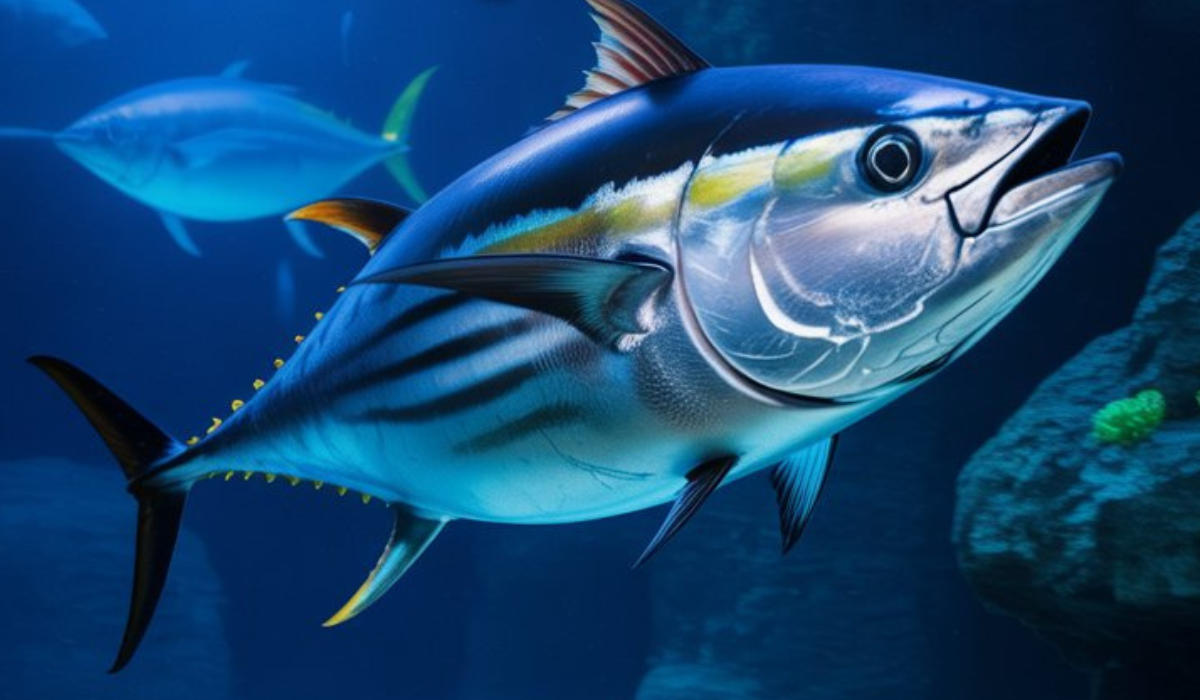
Tuna fish are among the most powerful, fast-swimming, and commercially important fish in the world. Known for their speed, strength, and rich nutritional value, tuna fish play a vital role in global seafood industries and marine ecosystems. From open oceans to dining tables, tuna fish are valued for their taste, health benefits, and economic significance.
This in-depth guide covers everything you need to know about tuna fish, including their types, habitat, diet, nutritional value, fishing methods, and environmental importance.
What Is a Tuna Fish
Tuna fish are saltwater species belonging to the family Scombridae. They are pelagic fish, meaning they live in open oceans rather than near the seabed or coastal areas. Tuna are built for speed and endurance, allowing them to travel long distances across oceans.
They are known for their streamlined bodies, powerful muscles, and ability to regulate body temperature better than many other fish.
Physical Characteristics of Tuna Fish
Tuna fish have torpedo-shaped bodies designed for fast swimming. Their strong tails, narrow caudal peduncles, and finlets reduce drag in the water.
Their coloration usually includes a dark blue or metallic top and a lighter silver underside, providing camouflage in open water.
Types of Tuna Fish
There are several species of tuna fish, each varying in size, habitat, and commercial value.
Bluefin Tuna
Bluefin tuna are the largest and most valuable tuna species. They are known for their rich, fatty meat and impressive size.
Yellowfin Tuna
Yellowfin tuna are widely used in seafood markets and are recognized by their yellow dorsal and anal fins.
Albacore Tuna
Albacore tuna have lighter-colored flesh and are commonly used in canned tuna products.
Skipjack Tuna
Skipjack tuna are smaller and are the most commonly caught tuna species worldwide.
Bigeye Tuna
Bigeye tuna are deep-water fish with large eyes adapted for low-light conditions.
Natural Habitat of Tuna Fish
Tuna fish inhabit tropical and temperate oceans around the world. They prefer open waters and often migrate thousands of miles in search of food and suitable temperatures.
Their migratory behavior plays a key role in marine ecosystems.
Swimming Ability and Speed
Tuna fish are among the fastest fish in the ocean. Their powerful muscles and efficient oxygen use allow them to maintain high speeds for long periods.
This ability makes them effective predators and challenging targets for fishermen.
Diet of Tuna Fish
Tuna fish are carnivorous and feed on smaller fish, squid, and crustaceans. They are active hunters that rely on speed and coordination to capture prey.
Their diet contributes to their high protein and omega content.
Role of Tuna Fish in the Marine Ecosystem
Tuna fish are apex or near-apex predators in many ocean ecosystems. They help regulate populations of smaller fish and maintain ecological balance.
Healthy tuna populations are essential for ocean stability.
Commercial Importance of Tuna Fish
Tuna fish are one of the most important commercial fish species globally. They support large fishing industries and provide livelihoods for millions of people.
They are sold fresh, frozen, canned, and processed in various forms.
Tuna Fish in Human Diet
Tuna fish are widely consumed due to their flavor and versatility. They are used in salads, steaks, sushi, and canned products.
Different species offer different textures and fat content.
Nutritional Value of Tuna Fish
Tuna fish are rich in protein, omega fatty acids, vitamins, and minerals. They are often included in healthy diets for muscle growth and heart health.
Moderate consumption is recommended due to natural mercury levels.
Table: Common Tuna Fish Comparison
| Tuna Species | Size | Common Use | Fat Content |
|---|---|---|---|
| Bluefin Tuna | Very large | Sushi, steaks | Very high |
| Yellowfin Tuna | Large | Fresh, frozen | Medium |
| Albacore Tuna | Medium | Canned | Medium |
| Skipjack Tuna | Small | Canned | Low |
| Bigeye Tuna | Large | Sushi | High |
Fishing Methods Used for Tuna Fish
Tuna are caught using various methods, including purse seining, longlining, and pole-and-line fishing. Each method has different environmental impacts.
Sustainable fishing practices are increasingly encouraged worldwide.
Environmental Concerns and Sustainability
Some tuna species face population pressure due to overfishing. Responsible management and conservation efforts are critical to maintaining tuna stocks.
Consumer awareness plays a role in supporting sustainability.
Tuna Fish Farming
Tuna farming, often called tuna ranching, involves raising wild-caught juveniles in controlled environments. This practice helps meet demand but requires careful regulation.
Research continues to improve sustainability in tuna farming.
Health Considerations When Eating Tuna Fish
While tuna fish are nutritious, they can contain mercury. Pregnant women and children should consume tuna in moderation.
Balanced intake ensures health benefits without risk.
Are Tuna Fish Kept in Aquariums
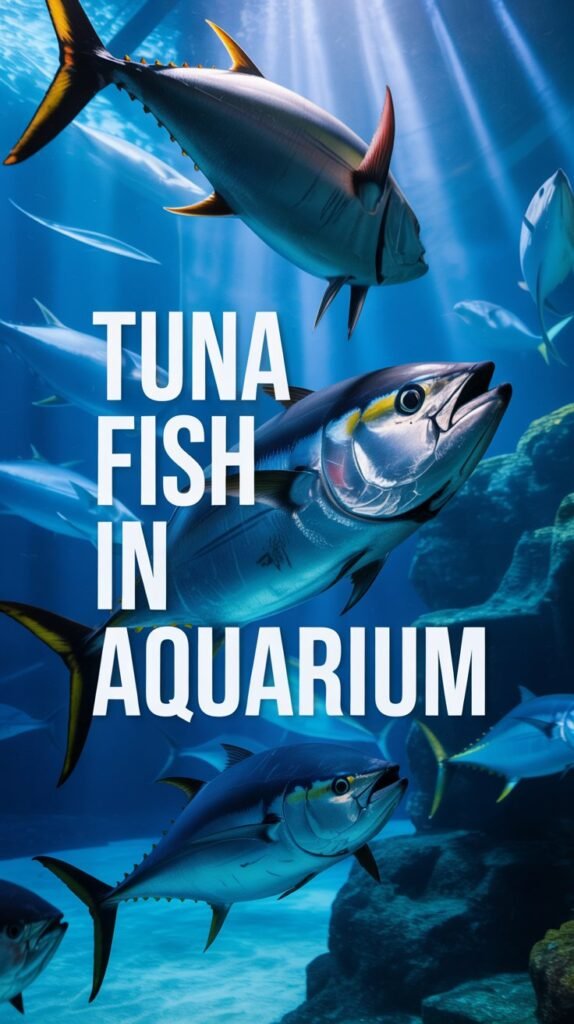
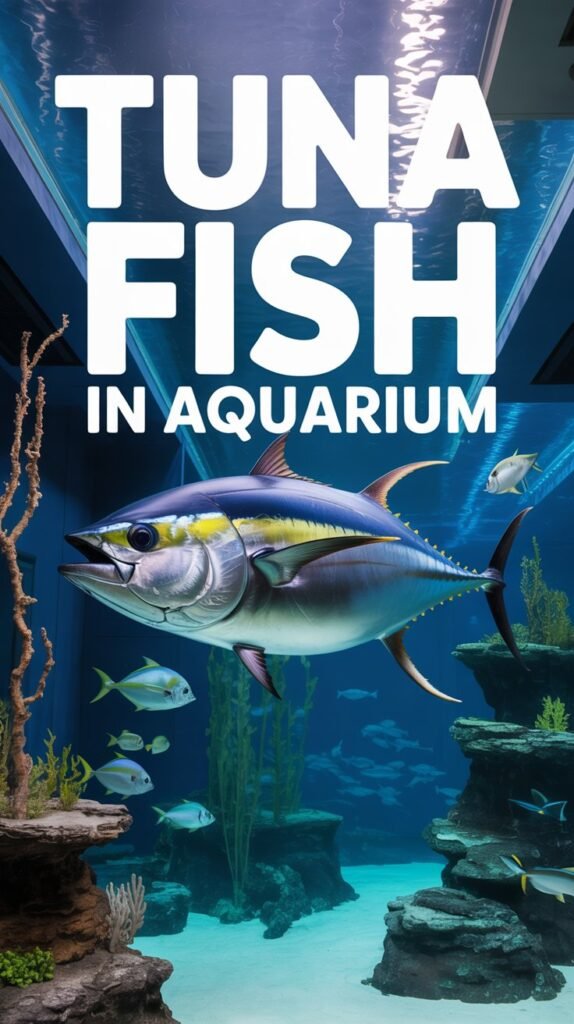
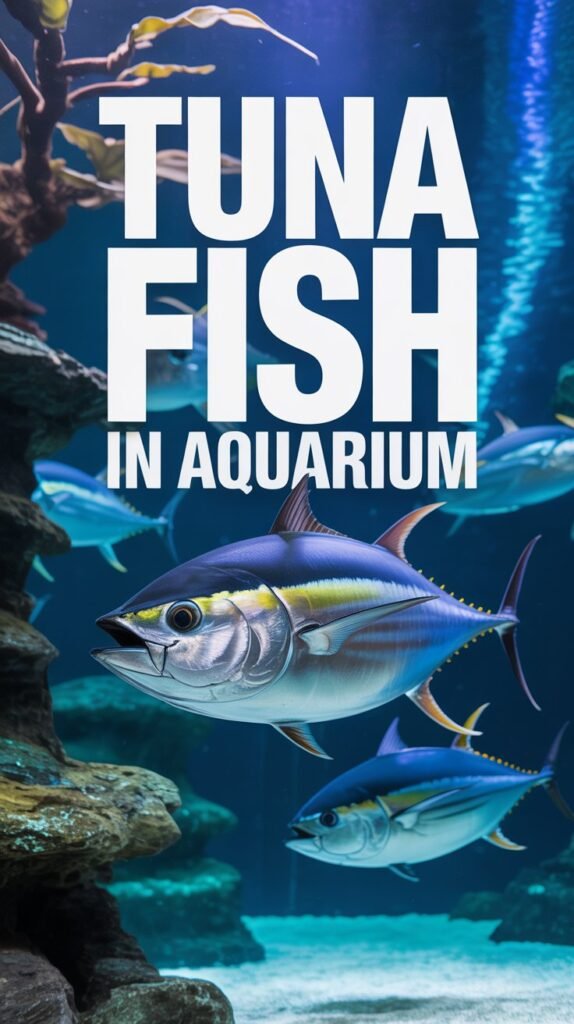
Tuna fish are not suitable for home aquariums due to their size, speed, and need for open ocean space. They require massive environments to survive.
They are best admired in the wild.
Cultural and Economic Significance
Tuna fish hold cultural importance in many coastal regions. They are central to traditional cuisines and fishing communities.
Their economic value makes them one of the most traded fish species.
Final Thoughts on Tuna Fish
Tuna fish are powerful, intelligent, and vital to both marine ecosystems and human food systems. Their speed, strength, and nutritional value make them truly remarkable ocean inhabitants.
Understanding tuna fish helps promote responsible consumption and conservation for future generations.
Frequently Asked Questions
What type of fish is tuna?
Tuna are saltwater pelagic fish.
Are tuna fish healthy to eat?
Yes, they are rich in protein and omega fats.
Which tuna species is most expensive?
Bluefin tuna is the most valuable.
Can tuna fish live in aquariums?
No, they require open ocean space.
Why are tuna fish so fast?
Their body shape and muscle structure support speed.
Is canned tuna healthy?
Yes, when consumed in moderation.
Do tuna fish migrate?
Yes, they travel long distances across oceans.