
 By admin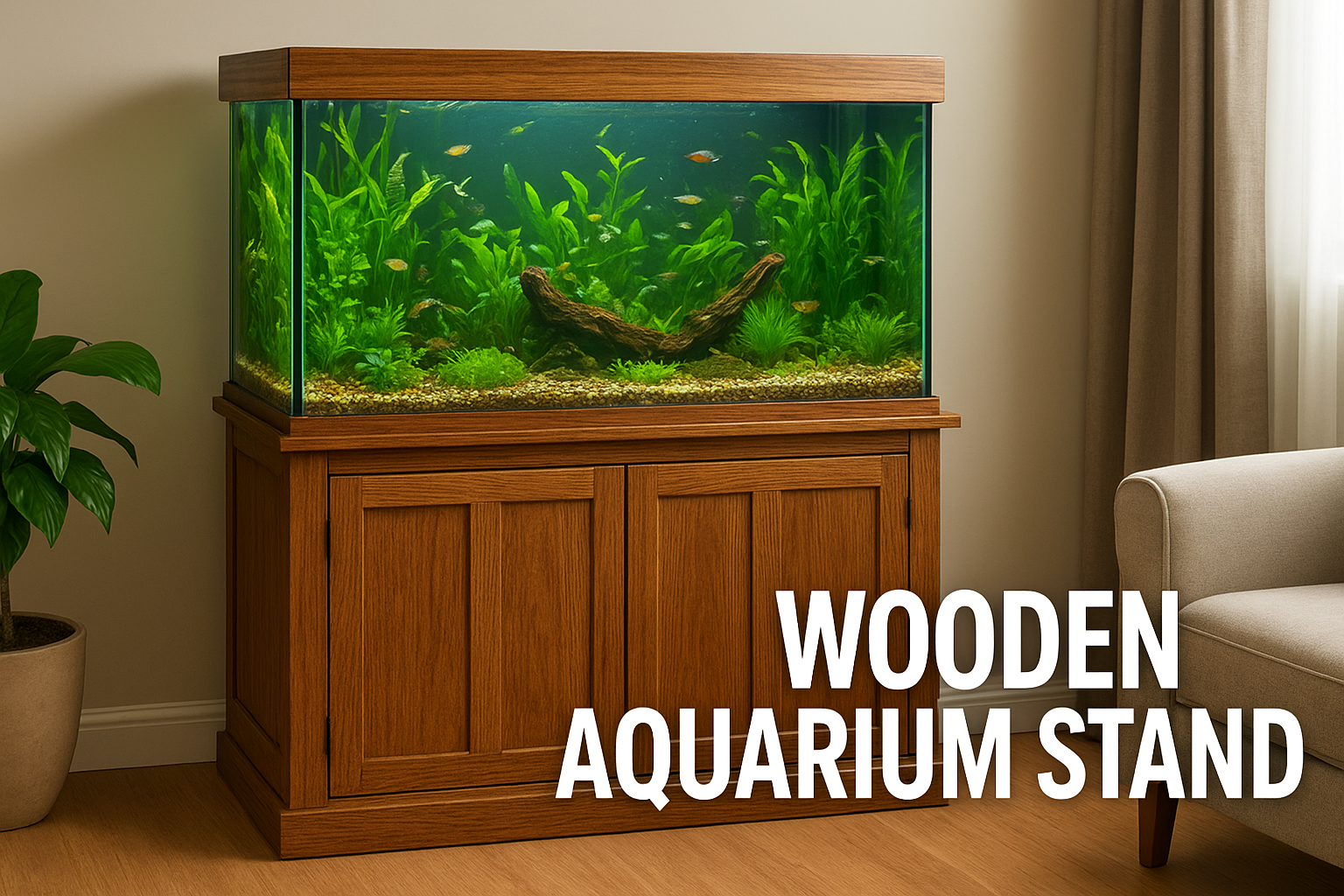
When setting up an aquarium, most hobbyists focus on the tank, the fish, and the aquascaping. But one crucial element that often gets overlooked is the aquarium stand. A strong, stylish stand is essential because it not only supports the enormous weight of the tank but also enhances the aesthetics of your living or working space.
Among the different types available, the wooden aquarium stand is one of the most popular choices. Known for its natural look, strength, and versatility, a wooden stand offers both function and style. In this detailed guide, we’ll explore everything you need to know about wooden aquarium stands, including their benefits, types, materials, design options, costs, and maintenance.
What Is a Wooden Aquarium Stand?
A wooden aquarium stand is a purpose-built piece of furniture designed to hold an aquarium. Unlike generic furniture such as coffee tables or cabinets, wooden stands are engineered to withstand the tremendous weight of aquariums filled with water, substrate, rocks, and equipment.
For perspective:
- A 20-gallon tank can weigh over 225 pounds when full.
- A 75-gallon tank may weigh more than 800 pounds.
- A 150-gallon tank can easily exceed 1,500 pounds.
This means that a sturdy and well-constructed stand is not just a convenience—it’s a necessity. Wooden stands, with proper reinforcement, are fully capable of supporting such weights.
Benefits of a Wooden Aquarium Stand
Choosing a wooden stand has multiple advantages:
1. Natural Aesthetic Appeal
Wooden stands blend beautifully with most home interiors. Whether rustic, classic, or modern, wood can be finished to match your style.
2. Strength and Stability
Hardwood stands can hold large aquariums securely, providing a safe foundation for your fish and aquascape.
3. Storage Options
Many wooden stands are designed with cabinets, shelves, or doors, allowing you to store supplies like food, nets, filters, and cleaning tools out of sight.
4. Customization
Wood is versatile and easy to work with. You can choose finishes, stains, or paints to suit your décor.
5. Furniture-Like Design
Unlike metal stands, which look industrial, wooden stands often resemble high-quality furniture that complements the room.
Drawbacks of Wooden Aquarium Stands
While wooden stands are great, they do come with some limitations:
- Water Damage: Prolonged exposure to water or humidity can warp or swell wood.
- Heavier Than Metal: Solid wood stands are heavier, making them harder to move.
- Cost Variations: High-quality hardwood stands can be expensive.
- Maintenance Required: May need occasional resealing or refinishing to maintain durability.
Types of Wooden Aquarium Stands
There are different styles of wooden stands, depending on design and purpose:
1. Standard Wooden Aquarium Stand
- Simple design, often with a solid top and basic support.
- Suitable for small to medium tanks (10–75 gallons).
2. Cabinet-Style Wooden Stand
- Includes doors and storage compartments.
- Perfect for hiding filtration systems and supplies.
- Popular for both freshwater and saltwater tanks.
3. Custom Wooden Aquarium Stand
- Built to order based on your tank dimensions and style preferences.
- Can include drawers, shelves, and unique finishes.
4. DIY Wooden Aquarium Stand
- Built by hobbyists with woodworking skills.
- Affordable but requires proper design to ensure strength.
5. Rustic or Furniture-Style Stand
- Made to look like furniture such as dressers, cabinets, or bookshelves.
- Blends seamlessly with living room or office décor.
Materials Used in Wooden Aquarium Stands
Not all wooden stands are created equal. The material makes a huge difference in durability:
Hardwood
- Examples: Oak, maple, cherry.
- Very strong and durable.
- More expensive but long-lasting.
Softwood
- Examples: Pine, cedar.
- Affordable and easier to work with.
- Requires reinforcement for larger tanks.
Plywood
- Often used in combination with hardwood.
- More resistant to warping than solid wood.
- Affordable and widely used in commercial stands.
Particle Board / MDF
- The cheapest option.
- Not recommended for large tanks as it can swell or crumble with water exposure.
Wooden Aquarium Stand vs. Metal Aquarium Stand
| Feature | Wooden Aquarium Stand | Metal Aquarium Stand |
|---|---|---|
| Appearance | Furniture-like, stylish | Industrial, modern |
| Strength | Strong (depends on wood type) | Very strong, supports heavier tanks |
| Water Resistance | Can warp if not sealed | Rust risk if not powder-coated |
| Weight | Heavier, harder to move | Lighter in small sizes |
| Customization | Easy to stain, paint, or refinish | Powder-coating customization only |
| Storage | Often comes with cabinets | Usually open-frame |
Sizes of Wooden Aquarium Stands
Wooden stands are available in standard aquarium sizes and can also be custom-built:
- Small (10–29 gallons): Compact stands with simple designs.
- Medium (30–75 gallons): Cabinet-style stands with storage.
- Large (90–180 gallons): Reinforced hardwood structures with extra bracing.
- Extra-Large (200+ gallons): Custom-built stands with heavy-duty hardwood frames.
Cost of Wooden Aquarium Stands
The cost of a wooden aquarium stand depends on size, material, and craftsmanship:
- Small wooden stands (10–29 gallons): $100 – $250
- Medium stands (30–75 gallons): $250 – $500
- Large stands (90–180 gallons): $600 – $1,200
- Custom hardwood stands (200+ gallons): $1,500 – $5,000+
DIY wooden stands can be built for much less, especially if using affordable materials like plywood.
How to Choose the Best Wooden Aquarium Stand
When buying a stand, keep these factors in mind:
- Tank Size and Weight – Ensure the stand is rated for your aquarium size.
- Wood Type – Hardwoods are the most durable, while particle board should be avoided for large tanks.
- Storage Options – Decide if you want cabinet doors, shelves, or open designs.
- Waterproofing – Look for water-resistant coatings or seal the stand yourself.
- Style and Finish – Choose a finish that complements your room’s décor.
- Budget – Factor in material costs, especially if opting for custom or hardwood.
Setting Up a Wooden Aquarium Stand
Proper setup ensures both safety and longevity:
- Choose a Flat Surface – The floor must be level and capable of holding the weight.
- Inspect the Stand – Ensure all joints and reinforcements are secure.
- Add Padding – Place foam or rubber between the stand and aquarium for even weight distribution.
- Check Stability – Ensure the stand does not wobble before filling the tank.
- Place the Aquarium – Position the tank carefully, centered on the stand.
- Install Equipment – Add filtration, heaters, and lighting before filling.
- Fill Slowly – Fill the tank gradually to check for any signs of strain.
Maintenance of Wooden Aquarium Stands
To keep your stand in top condition:
- Wipe Spills Immediately: Prevents swelling and staining.
- Apply Sealant or Varnish: Protects wood from humidity and water damage.
- Inspect Regularly: Look for cracks, warping, or loose joints.
- Avoid Overloading: Never place an aquarium larger than what the stand is rated for.
- Use a Drip Mat: Place mats under the aquarium to catch spills and condensation.
Advantages of Wooden Stands for Home Décor
Wooden stands double as furniture pieces and seamlessly integrate into living spaces. You can choose designs that match your cabinets, bookshelves, or flooring, making the aquarium a natural part of your room rather than just an accessory.
Should You Get a Wooden Aquarium Stand?
If you want a stylish, durable, and functional stand that also enhances your home décor, a wooden aquarium stand is an excellent choice. With proper care and sealing, it can last for many years and provide a stable foundation for your aquarium.
FAQs About Wooden Aquarium Stands
1. Are wooden aquarium stands strong enough for large tanks?
Yes, if made from hardwood or reinforced plywood, wooden stands can hold large tanks up to 200 gallons or more.
2. Do wooden aquarium stands warp over time?
They can if exposed to constant moisture. Proper sealing and quick cleanup of spills prevent warping.
3. Can I use regular furniture as an aquarium stand?
No, regular furniture like dressers or tables is not designed to hold the weight of a full aquarium and may collapse.
4. How do I waterproof a wooden aquarium stand?
Apply a polyurethane sealant, marine-grade varnish, or epoxy coating to protect against water damage.
5. Is a wooden stand better than a metal stand?
Wooden stands are more stylish and blend with furniture, while metal stands are stronger and better for very large tanks.
6. Can I build my own wooden aquarium stand?
Yes, many aquarists build DIY wooden stands using plywood or hardwood. Just make sure it’s reinforced properly.
7. How long do wooden stands last?
A well-maintained wooden stand can last 10–20 years or longer.
8. Do wooden stands come with storage space?
Yes, most cabinet-style wooden stands include storage compartments for aquarium supplies.