
 By admin
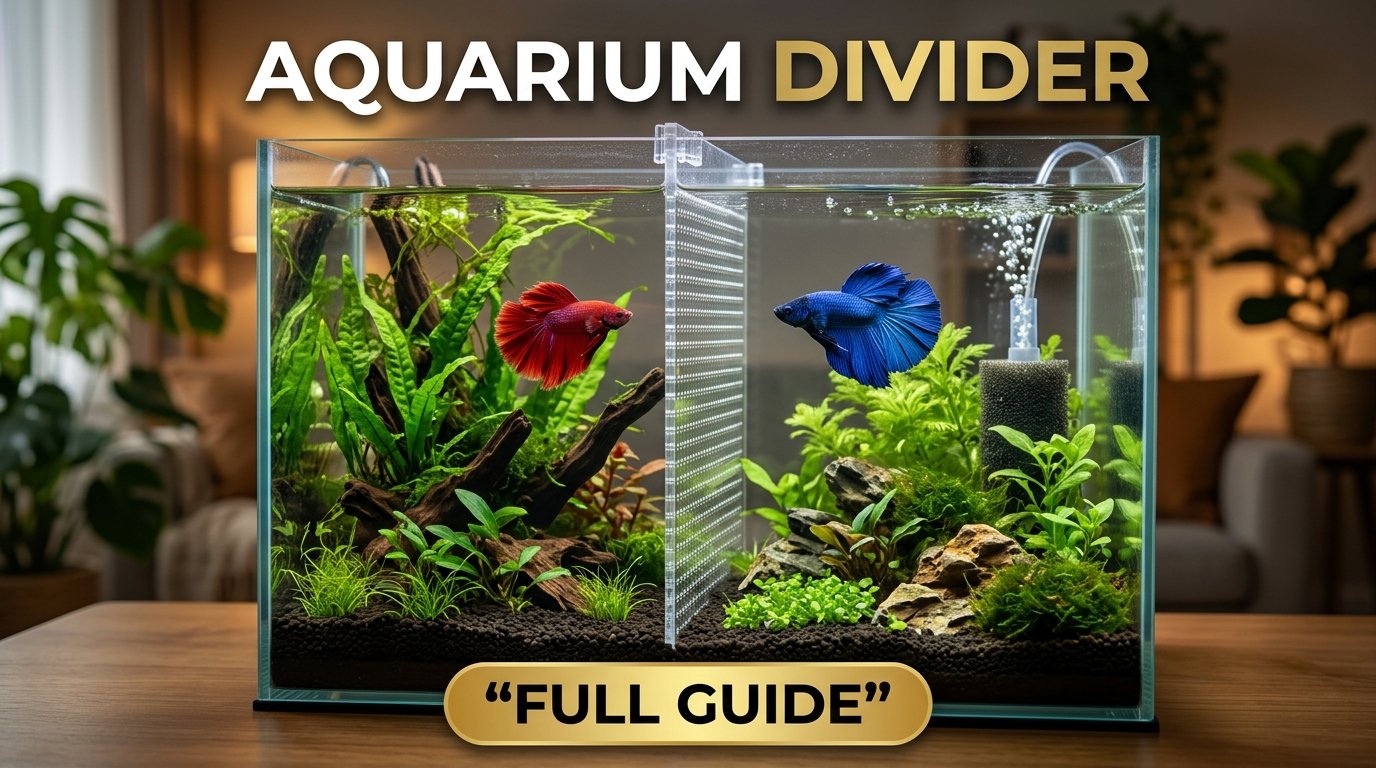
An aquarium divider is a beautiful and creative way to separate two areas while adding the relaxing beauty of an underwater world to your home. Instead of using a traditional wall, wooden partition, or ordinary room divider, you can install a glass aquarium that allows light to pass through while displaying colorful fish, aquatic plants, and natural decorations. An aquarium divider can turn an ordinary living space into a stylish and visually impressive interior.
Aquarium dividers are popular in modern homes, luxury apartments, offices, restaurants, and commercial interiors. They can separate a living room from a dining area, divide an open-plan bedroom, create privacy between different sections of a home, or provide an attractive feature in a reception area.
The best part is that an aquarium divider combines decoration and functionality. It creates a visual boundary without completely blocking the view or making a room feel smaller. Depending on your space, you can choose a freestanding aquarium partition, a built-in glass fish tank, a double-sided aquarium, or a custom-designed aquarium wall.
In this guide, you will discover beautiful aquarium divider ideas, different styles, suitable fish and plants, installation considerations, and practical maintenance tips.
What Is an Aquarium Divider?
An aquarium divider is a fish tank or specially designed aquarium structure used as a partition between two spaces. Unlike a traditional solid divider, it allows people to see through the aquarium while enjoying the movement of fish and aquatic plants.
An aquarium divider can be installed in several ways:
- Between a living room and dining room
- Between a bedroom and dressing area
- In an office reception area
- Between a kitchen and lounge
- Inside a hotel or restaurant
- As a decorative partition in a large hallway
Some aquarium dividers are designed as transparent displays that can be viewed from both sides. Others include decorative frames, storage cabinets, or built-in architectural structures.
1. Living Room Aquarium Divider
A living room aquarium divider is one of the most attractive ways to separate an open-plan living space.
Instead of installing a solid wall between the living room and dining area, you can place a large aquarium in the middle of the space. This creates a visual separation while allowing natural light and views to pass through.
A rectangular aquarium with clear glass, natural stones, aquatic plants, and colorful fish can become the main focal point of the room.
For a modern appearance, choose a simple black, white, or wooden support cabinet that matches your furniture.
2. Modern Aquarium Room Divider
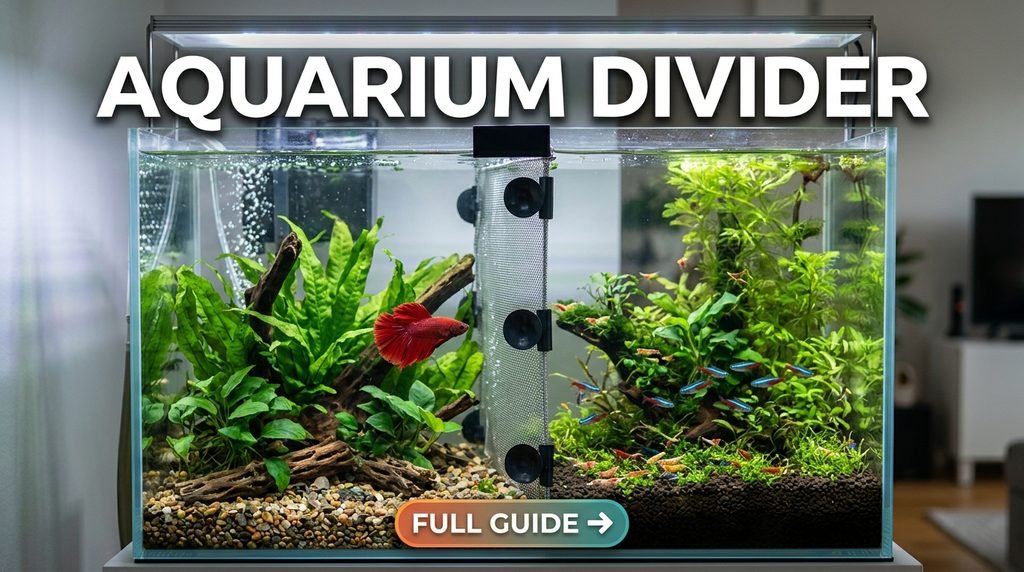
A modern aquarium room divider focuses on clean lines, simple shapes, and minimal decoration.
You can choose a frameless-looking glass aquarium with a custom stand and subtle LED lighting. Keep the underwater design simple with a few carefully selected plants, stones, and driftwood pieces.
This style works particularly well in contemporary homes with open floor plans, neutral colors, and minimalist furniture.
The aquarium should be positioned where it separates the spaces naturally without blocking walking paths or making the room difficult to use.
3. Double-Sided Aquarium Divider
A double-sided aquarium divider allows people to enjoy the same aquarium from two different rooms.
For example, an aquarium installed between a living room and dining room can be viewed from both sides. This creates a beautiful connection between the two areas.
A double-sided design should have accessible viewing surfaces, appropriate lighting, and a filtration system that is easy to maintain.
Avoid placing the aquarium too close to furniture or walls if doing so would make cleaning and equipment servicing difficult.
4. Floor-to-Ceiling Aquarium Divider
A floor-to-ceiling aquarium divider creates a dramatic architectural feature in a large home.
This design uses a tall aquarium structure to separate two areas while creating the appearance of a transparent underwater wall.
It can work beautifully in spacious living rooms, luxury houses, hotel lobbies, and commercial interiors.
However, large aquariums contain substantial amounts of water and create significant structural loads. The floor, support frame, aquarium glass, and installation must be professionally engineered.
Also consider access to the aquarium’s top, filtration equipment, lighting, and plumbing before construction.
5. Aquarium Divider Between Living and Dining Rooms
Combining a living room and dining room is common in modern home layouts. An aquarium divider can help distinguish these two areas without completely separating them.
Place a rectangular aquarium between the spaces, using a custom cabinet that matches the dining table or living room furniture.
You can use a natural aquascape with green plants, rocks, and driftwood to create a peaceful atmosphere.
Choose a tank height that allows people to enjoy the display from both seated and standing positions.
6. Bedroom Aquarium Divider
A bedroom aquarium divider can separate the sleeping area from a dressing space, sitting area, or small home office.
A compact double-sided aquarium can create an attractive visual boundary while maintaining an open feel.
Choose a quiet filtration system because excessive pump noise can disturb sleep. Avoid overly bright lighting at night and use a timer to maintain a consistent lighting schedule.
The aquarium should also be placed on a stable, properly engineered stand with enough access for maintenance.
7. Luxury Aquarium Partition Wall
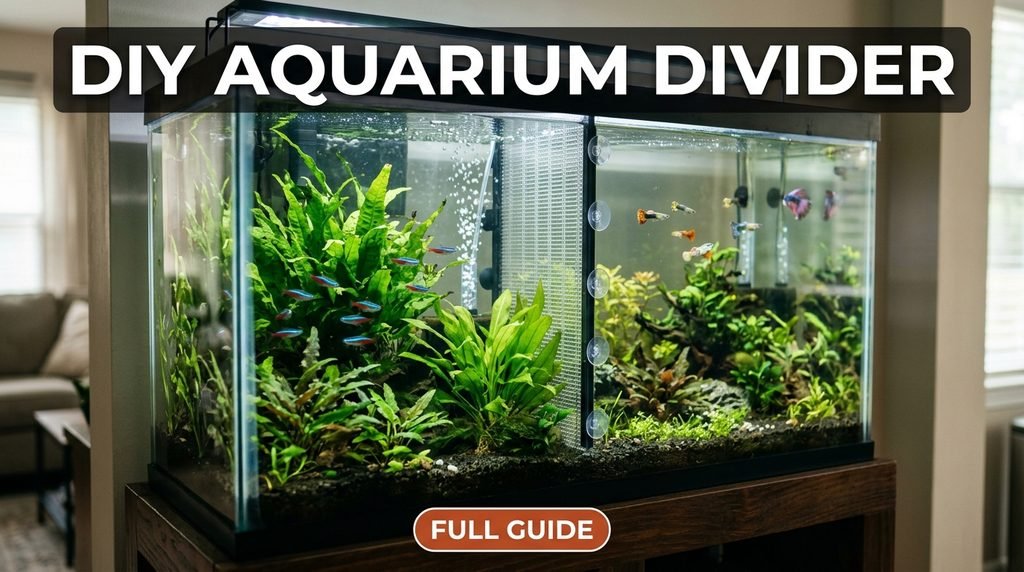
A luxury aquarium partition wall combines a large aquarium with premium interior finishes.
You can surround the aquarium with marble-style panels, natural stone, wooden cabinetry, or modern decorative surfaces.
Hidden filtration equipment and carefully integrated lighting can create a clean appearance.
This style is particularly suitable for large houses, luxury apartments, hotels, and upscale reception areas.
Keep the aquarium itself visually balanced. A well-planned underwater landscape often looks more elegant than an aquarium filled with excessive decorations.
8. Small Aquarium Divider for Apartments
You do not need a large home to enjoy an aquarium divider. A smaller aquarium can separate two sections of an apartment without occupying too much space.
A compact rectangular tank can be installed on a purpose-built cabinet between a lounge and dining area.
Choose a tank size that provides suitable living conditions for the fish you intend to keep. Avoid using very small decorative tanks for fish simply because they fit into a limited space.
A planted, fish-free aquarium is another option for a compact decorative divider.
9. Aquarium Divider with a Wooden Frame
A wooden frame can make an aquarium divider feel warm and natural.
You can use a custom wooden enclosure around a purpose-built aquarium, matching the finish with your flooring, dining furniture, or interior doors.
The frame can also include storage compartments for aquarium supplies, food, and maintenance equipment.
Use moisture-resistant materials and protect the wood from water spills and humidity. The actual aquarium support must be engineered to carry the full weight of the tank.
10. Aquarium Divider with a Metal Frame
A metal-framed aquarium divider is a stylish option for industrial and contemporary interiors.
Black metal frames can create a strong contrast with transparent aquarium glass and colorful aquatic plants.
You can combine metal with wood, concrete, or stone finishes to create a coordinated design.
Make sure the frame is designed for aquarium use, corrosion-resistant, level, and capable of supporting the complete aquarium load.
11. Aquarium Divider with Built-In Storage
An aquarium divider with built-in storage provides both decoration and practical functionality.
The aquarium can be positioned on top of a custom cabinet or integrated into a purpose-built partition structure.
The cabinet can hold:
- Aquarium food
- Water testing kits
- Cleaning equipment
- Filter accessories
- Replacement supplies
- Maintenance tools
Make sure the storage area has adequate ventilation and moisture protection. Electrical equipment and filters should remain accessible for servicing.
12. Minimalist Aquarium Divider
A minimalist aquarium divider uses a simple tank, limited decorations, and a clean support structure.
Choose clear glass, a neutral-colored cabinet, and a carefully arranged underwater landscape.
A small number of aquatic plants can create a natural appearance without making the aquarium look crowded.
This design works well in homes where the goal is to maintain an open and uncluttered interior.
13. Aquarium Divider with Aquascaping
Aquascaping is the art of arranging aquatic plants, rocks, and driftwood to create an attractive underwater landscape.
An aquarium divider is an excellent opportunity to display a beautiful aquascape because it can be viewed from multiple areas of the home.
Popular aquascaping styles include:
- Nature aquarium
- Iwagumi aquascape
- Dutch-style planted aquarium
- Jungle-style aquascape
- Minimalist aquascape
When designing a double-sided aquarium, consider how the arrangement will look from both viewing directions.
You can use a central rock or driftwood arrangement as the main focal point while placing plants around it.
14. Aquarium Divider with LED Lighting
LED lighting can make an aquarium divider stand out, especially during the evening.
Aquarium lights can highlight plants, fish, rocks, and other underwater features.
Choose lighting according to the needs of your aquatic plants rather than appearance alone. Excessive lighting can encourage algae growth.
You can also add subtle architectural lighting around the aquarium cabinet or partition frame.
Use separate controls for aquarium lighting and room lighting. A timer can help maintain a consistent daily schedule.
15. Aquarium Divider for Office Spaces
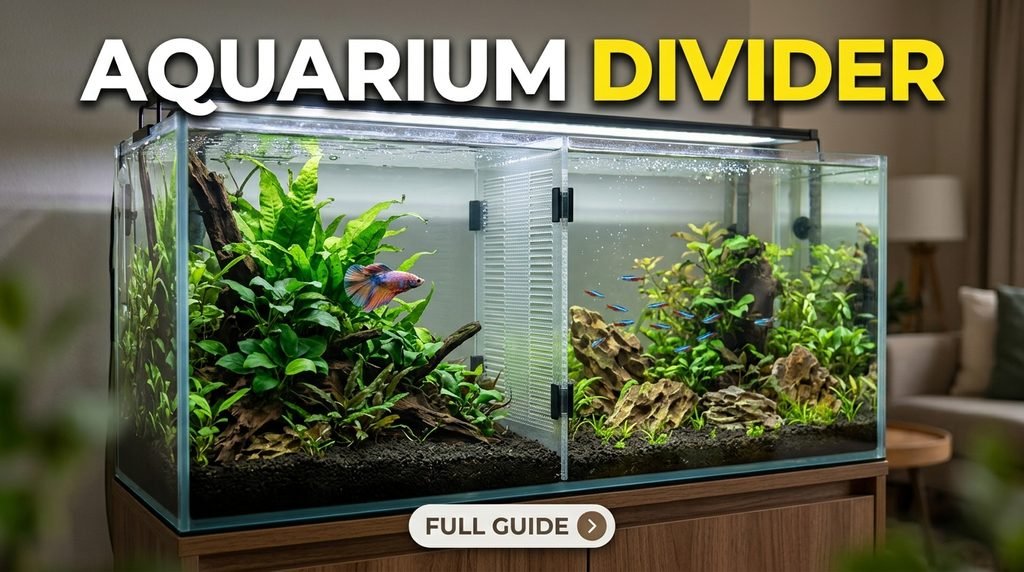
An aquarium divider can create a welcoming atmosphere in an office without using a completely solid partition.
It can separate a reception area from a waiting room or divide different sections of an open-plan workspace.
A simple planted aquarium with peaceful fish can become an attractive visual feature for employees and visitors.
For commercial settings, choose a reliable filtration system and create a regular maintenance schedule. The aquarium should not interfere with walkways, accessibility, or emergency exits.
16. Aquarium Divider for Restaurants and Hotels
Restaurants and hotels often use decorative features to create memorable interior spaces. An aquarium divider can help separate dining areas, waiting spaces, or lounge sections.
A large double-sided aquarium can become a central design feature while maintaining an open atmosphere.
Choose a professional aquarium installation with dependable filtration, accessible maintenance areas, and suitable lighting.
The design should also consider noise levels, guest safety, and the possibility of accidental contact with the glass or equipment.
17. Aquarium Divider with Natural Stones and Driftwood
Natural stones and driftwood can give an aquarium divider a realistic underwater appearance.
Use aquarium-safe materials to create underwater hills, caves, and natural-looking arrangements.
Driftwood can provide texture and surfaces for plants such as Java moss and Anubias. Rocks can create depth and help establish a focal point.
Make sure all decorations are properly prepared and stable. Avoid materials that may release harmful substances or significantly change water chemistry.
18. Aquarium Divider with Floating Plants
Floating plants can create a natural and peaceful appearance.
Some popular choices include Amazon frogbit, Salvinia, and red root floaters.
They can provide shade, absorb nutrients, and create shelter for certain fish.
However, avoid allowing floating plants to cover the entire surface. Maintain sufficient light penetration and water-surface movement for healthy gas exchange.
Check local regulations before using aquatic plants that may be invasive.
19. Aquarium Divider with a Black Background
A black background creates a dramatic appearance and can make colorful fish and green plants stand out.
Combine it with dark stones, driftwood, and subtle LED lighting for a sophisticated design.
A black background can also help hide filters, cables, and other equipment, depending on the aquarium arrangement.
This style works particularly well with black metal frames and modern interior furniture.
20. Aquarium Divider with a Waterfall Effect
A waterfall-style aquarium divider introduces movement and the sound of flowing water.
You can use a suitable filter outlet or a professionally designed water circulation feature to create a gentle cascading effect.
Choose a flow rate that is appropriate for the fish. Not every species enjoys strong water movement.
Prevent splashing, control humidity around the installation, and ensure that pumps and electrical components are safely installed.
Best Fish for an Aquarium Divider
The best fish depend on aquarium size, water conditions, compatibility, and maintenance requirements.
| Fish | Appearance | Important Consideration |
|---|---|---|
| Guppies | Colorful patterns and flowing tails | Prefer stable water conditions |
| Neon tetras | Bright blue and red colors | Keep in suitable groups |
| Platies | Attractive color varieties | Need appropriate swimming space |
| Harlequin rasboras | Distinctive patterned bodies | Prefer groups |
| Corydoras catfish | Peaceful bottom-dwelling fish | Require suitable groups and substrate |
| Angelfish | Elegant body shape | Need a spacious, suitably tall aquarium |
| Betta fish | Long, colorful fins | Compatibility must be assessed carefully |
Avoid mixing fish without checking their adult size, temperament, water temperature, and social requirements.
A divider aquarium should not be stocked simply to make both sides look colorful. Fish welfare and suitable living conditions must come first.
Best Plants for an Aquarium Divider
Aquatic plants can make a fish tank partition look more natural and attractive.
| Plant | Main Feature | Best Placement |
|---|---|---|
| Anubias | Broad, durable leaves | Attached to rocks or driftwood |
| Java fern | Textured green foliage | Midground or background |
| Java moss | Fine, dense growth | Driftwood and stones |
| Vallisneria | Long, flowing leaves | Background |
| Amazon sword | Large decorative leaves | Background of larger tanks |
| Cryptocoryne | Different leaf shapes | Foreground or midground |
| Water wisteria | Attractive leafy growth | Midground or background |
Choose plants according to the aquarium’s lighting, substrate, and water conditions. Avoid using ordinary terrestrial plants that cannot survive fully submerged.
How to Set Up an Aquarium Divider
Building an aquarium divider requires planning because it needs to function as both a decorative feature and a healthy aquatic environment.
Step 1: Choose the Right Location
Decide which areas you want to separate. Measure the available width, height, and depth, and consider how people will move around the aquarium.
Avoid locations exposed to excessive direct sunlight or frequent accidental contact.
Step 2: Select the Aquarium Size
Choose an aquarium that provides enough volume for your intended fish and plants.
A larger water volume is generally more stable than a very small one, although every aquarium needs suitable filtration and maintenance.
Step 3: Design the Support Structure
The support structure must safely carry the complete weight of the aquarium, including water, glass, substrate, rocks, and equipment.
Have large or custom installations reviewed by a qualified structural professional.
Step 4: Plan Both Viewing Sides
For a double-sided aquarium, arrange plants and decorations so the display looks attractive from both rooms.
Keep equipment positioned so it does not unnecessarily obstruct the main viewing areas.
Step 5: Install Filtration and Lighting
Choose a suitable filter and aquarium lighting system. Make sure equipment is accessible and safely protected against water exposure.
Step 6: Add Substrate and Decorations
Use aquarium-safe gravel, sand, rocks, and driftwood. Arrange everything securely and leave enough swimming space for fish.
Step 7: Plant the Aquarium
Add suitable aquatic plants according to their lighting and water requirements.
Avoid overcrowding and make sure the plants do not block water circulation.
Step 8: Cycle the Aquarium
Establish biological filtration before adding fish. Beneficial bacteria convert toxic ammonia into nitrite and then nitrate.
Use a suitable fishless cycling process and test the water to confirm that ammonia and nitrite are being processed properly.
Step 9: Introduce Fish Gradually
Once the aquarium is cycled and stable, introduce compatible fish carefully.
Acclimate them to the new water conditions and avoid adding too many fish at once.
Important Things to Consider Before Installing an Aquarium Divider
Structural Safety
Water weighs approximately one kilogram per liter. A 300-liter aquarium contains around 300 kilograms of water alone, before adding the tank, substrate, rocks, and equipment.
A large aquarium divider should have a professionally designed support structure and an appropriate floor-loading assessment.
Maintenance Access
Both sides of an aquarium divider may be visible, but that does not mean every side needs to provide access.
Plan convenient access to the top, filter, plumbing, and lighting. Make sure the aquarium can be cleaned and serviced without moving heavy furniture.
Moisture Protection
Water spills, condensation, and humidity can damage nearby flooring, wooden furniture, and walls.
Use suitable waterproofing and moisture-resistant materials around the aquarium.
Electrical Safety
Aquarium filters, heaters, pumps, and lights require safe electrical connections.
Use suitable electrical protection and keep connections away from possible leaks and splashes. Have installations checked by a qualified electrician.
Fish Welfare
Select fish according to aquarium size, temperature, water quality, and compatibility.
A beautiful room divider should also provide a healthy environment for its aquatic inhabitants.
Aquarium Divider Maintenance Tips
Regular maintenance keeps your aquarium divider attractive and healthy.
- Test water quality regularly.
- Monitor temperature.
- Remove uneaten food and dead leaves.
- Perform appropriate partial water changes.
- Clean both viewing surfaces.
- Maintain filters according to their instructions.
- Trim aquatic plants when necessary.
- Inspect pumps and plumbing for leaks.
- Keep the surrounding floor dry.
- Check electrical equipment regularly.
For a large aquarium divider, professional maintenance may be helpful, particularly when the filtration system and plumbing are complex.
Frequently Asked Questions About Aquarium Dividers
1. What is an aquarium divider?
An aquarium divider is a fish tank designed to separate two areas of a room while providing a transparent underwater display. It can be installed between living rooms, dining areas, bedrooms, or office spaces.
2. Can an aquarium be used as a room divider?
Yes. A properly designed aquarium can function as a decorative room partition. It separates areas visually without completely blocking light or views.
3. What is the best aquarium divider design?
A double-sided rectangular aquarium is a popular choice because it can be viewed from two rooms. Under-counter, built-in, and freestanding aquarium partitions are also attractive options.
4. How much does an aquarium divider cost?
The cost depends on tank dimensions, glass specifications, support structure, filtration, lighting, cabinetry, and installation. Custom-built architectural aquariums generally require a larger budget than standard freestanding tanks.
5. Is a double-sided aquarium difficult to maintain?
It requires regular aquarium maintenance, just like any other fish tank. However, its design should provide convenient access to the top, filter, and equipment so that cleaning and servicing remain manageable.
6. Can I install an aquarium divider in a small apartment?
Yes. A compact aquarium can divide a living room and dining area or create a visual boundary between different sections of an apartment. Choose a size that does not obstruct movement or compromise fish welfare.
7. Which fish are best for an aquarium room divider?
Guppies, neon tetras, platies, and harlequin rasboras can be attractive choices for suitable freshwater aquariums. Select compatible species based on tank size, water parameters, and social needs.
8. Does an aquarium divider need special filtration?
It needs filtration appropriate for its water volume and fish population. A larger custom aquarium may require a canister filter, sump system, or another suitable filtration arrangement.
9. Can I use an aquarium divider between a bedroom and living room?
Yes. It can create an attractive separation between the spaces. Choose quiet filtration equipment and control aquarium lighting so it does not disturb sleep.
10. Is an aquarium divider safe for children?
It can be safe when properly installed and maintained. Use suitable aquarium glass, a stable support structure, secure electrical connections, and a location that reduces the risk of accidental impact or climbing.
Conclusion
An aquarium divider is a creative way to combine interior design and the beauty of aquatic life. Whether you choose a double-sided fish tank, a luxury aquarium partition wall, a compact apartment divider, or a modern living room display, this feature can transform an ordinary space into something special.
The best aquarium divider should provide an attractive view from both sides while maintaining enough room for fish, plants, filtration, and regular maintenance.
Before installation, carefully consider structural support, aquarium size, moisture protection, electrical safety, and access for cleaning. With thoughtful planning and suitable aquatic care, an aquarium divider can become a stunning centerpiece that separates your living spaces without sacrificing an open and welcoming atmosphere.