
 By admin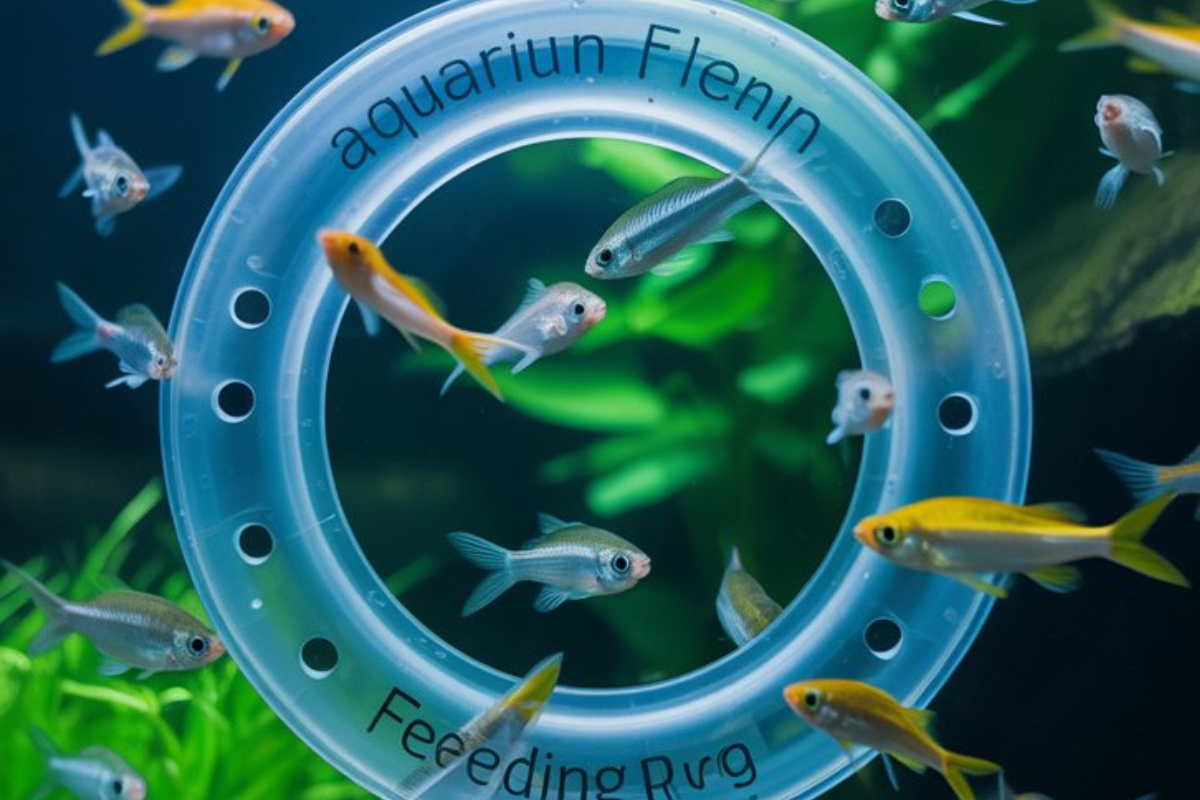
Feeding fish is one of the most enjoyable aspects of keeping an aquarium. However, anyone who has been in the hobby long enough knows that feeding time can quickly turn messy. Fish food often spreads across the water’s surface, gets stuck in filters, or sinks too quickly, leading to waste, cloudy water, and poor water quality. This is where an aquarium feeding ring becomes a game-changer.
An aquarium feeding ring is a simple yet highly effective accessory that helps aquarists control the feeding area, reduce waste, and ensure that fish get proper access to their food. In this comprehensive guide, we’ll explore everything you need to know about aquarium feeding rings, including their benefits, types, DIY ideas, installation tips, and maintenance.
What is an Aquarium Feeding Ring?
An aquarium feeding ring is a floating device that creates a confined space on the water’s surface where fish food is placed. It keeps the food from spreading across the entire tank, making it easier for fish to eat. Feeding rings are usually made from plastic, silicone, or foam, and they float using buoyant material.
By confining the food to one spot, feeding rings also prevent flakes or pellets from being sucked into the filter before fish can eat them.
Benefits of Using an Aquarium Feeding Ring
1. Prevents Food from Spreading
Without a feeding ring, flakes and pellets scatter across the tank, making it hard for fish to find food. A feeding ring keeps everything in one place.
2. Reduces Waste
By keeping food contained, uneaten flakes won’t drift into the filter or sink to the bottom. This reduces ammonia spikes, helps maintain water quality, and lowers maintenance.
3. Encourages Healthy Eating Habits
Fish quickly learn to associate the feeding ring with mealtime, swimming directly to it when food is added. This makes feeding time more organized and less stressful.
4. Prevents Aggressive Competition
In tanks with multiple fish species, stronger swimmers often dominate feeding. A feeding ring helps distribute food more fairly, giving shy or slow fish a chance to eat.
5. Helps with Surface Feeders
Species like guppies, mollies, and bettas prefer surface feeding. A ring keeps food floating longer, giving them more time to eat.
6. Prevents Filter Clogging
Food that drifts into filters can cause clogging and foul odors. Feeding rings minimize this by containing food in a controlled area.
7. Improves Aesthetics
A clean, well-managed feeding area makes the aquarium look neater and reduces floating debris.
Types of Aquarium Feeding Rings
Feeding rings come in various designs depending on material, function, and customization.
1. Basic Floating Feeding Rings
- Usually made from plastic or silicone.
- Simple design, easy to use.
- Affordable and widely available.
2. Adjustable Feeding Rings
- Feature suction cups or adjustable rods to fix the ring in a specific spot.
- Prevents the ring from drifting around the aquarium.
3. Dual Feeding Rings
- Two compartments: one for flakes and pellets, another for live or frozen food.
- Suitable for tanks with varied diets.
4. Corner Feeding Rings
- Designed to sit in the corner of the aquarium.
- Ideal for tanks with strong water flow that might push rings around.
5. DIY Feeding Rings
- Made from household items like airline tubing, silicone tubing, or plastic frames.
- Customizable and cost-effective.
How to Use an Aquarium Feeding Ring
- Choose the Location – Place the feeding ring in a low-current area to prevent food from being pushed out.
- Secure the Ring – Use suction cups or weights to hold it in place if needed.
- Add Food Inside the Ring – Drop flakes, pellets, or floating food into the ring.
- Let Fish Feed – Observe your fish as they gather around the ring.
- Remove Excess Food – After feeding, remove any uneaten food to maintain water quality.
DIY Aquarium Feeding Ring Ideas
Creating your own feeding ring is an easy and fun project. Here are some simple DIY ideas:
1. Airline Tubing Ring
- Cut a length of flexible airline tubing.
- Connect the ends with a connector.
- Attach a suction cup if needed.
2. Foam Ring
- Cut a circle from a pool noodle or foam tubing.
- Ensure it’s smooth and safe for aquarium use.
3. Plastic Bottle Ring
- Cut a circular piece from a plastic bottle.
- Smooth the edges and test buoyancy.
4. Floating Frame with Netting
- Use plastic or silicone tubing to create a floating frame.
- Add fine mesh for live or frozen food containment.
DIY feeding rings are budget-friendly and can be customized to your tank size and fish species.
Best Fish Species for Feeding Rings
Not all fish benefit equally from feeding rings. They are especially useful for:
- Surface Feeders: Guppies, mollies, bettas, gouramis.
- Mid-Water Feeders: Tetras, barbs, danios.
- Community Tanks: Mixed fish tanks where organized feeding helps prevent aggression.
- Shrimp & Bottom Dwellers: Feeding rings help food sink directly below, so bottom dwellers can easily access leftovers.
Pros and Cons of Aquarium Feeding Rings
Pros:
- Keeps food in one place.
- Reduces waste and keeps water clean.
- Encourages fish to feed in an organized way.
- Prevents filter clogging.
- Easy to install and affordable.
Cons:
- May not work well in tanks with very strong currents.
- Bottom feeders may get less food if not managed properly.
- Some fish take time to get used to it.
Aquarium Feeding Ring Placement Tips
- Near Low Flow Areas – Place in calm zones to prevent food from escaping.
- Away from Heaters & Filters – Avoid areas with strong suction or heat.
- At the Front of the Tank – Makes it easier to observe your fish while feeding.
- Multiple Rings – In larger tanks, use two or more rings to reduce competition.
Maintenance of Aquarium Feeding Rings
- Rinse After Each Use – Prevents buildup of food residue.
- Check for Mold or Algae – Clean with warm water and a soft brush if needed.
- Inspect Suction Cups – Replace worn-out parts to keep the ring stable.
- Avoid Harsh Chemicals – Use aquarium-safe cleaning methods only.
Aquarium Feeding Ring in Planted and Reef Tanks
In Planted Tanks:
- Feeding rings help prevent floating food from getting stuck on plant leaves.
- Ensures nutrients go to fish, not plants.
In Reef Aquariums:
- Great for surface feeders like clownfish.
- Prevents flakes from getting into powerheads and protein skimmers.
Aquarium Feeding Ring and Fish Training
Feeding rings can even be used as a training tool:
- Fish learn to gather at the same spot during feeding.
- Reduces stress and aggression during mealtime.
- Helps shy fish feel more comfortable eating in a predictable location.
Buying Guide for Aquarium Feeding Rings
When choosing a feeding ring, consider:
- Material: Food-safe, non-toxic materials only.
- Size: Large enough for your fish population.
- Design: Floating or fixed.
- Ease of Cleaning: Simple designs are easiest to maintain.
- Durability: Choose rings that resist warping and mold.
FAQs About Aquarium Feeding Rings
1. What is the purpose of an aquarium feeding ring?
It keeps food in one place, reduces waste, and makes feeding easier for fish.
2. Do all fish need a feeding ring?
No, but surface feeders and community tanks benefit the most.
3. Can I make my own feeding ring?
Yes! DIY options include airline tubing, foam, or plastic.
4. Will bottom feeders get enough food with a feeding ring?
Yes, food eventually sinks beneath the ring, but you can also target-feed sinking pellets for them.
5. Can I use a feeding ring in saltwater tanks?
Absolutely. Many reef keepers use them to control floating food.
6. Do feeding rings float?
Yes, most are buoyant and float at the water’s surface.
7. Will fish learn to eat from a feeding ring?
Yes, fish quickly adapt and associate the ring with feeding time.
8. Are feeding rings safe for shrimp tanks?
Yes, they help direct food to specific areas, making it easier for shrimp to access.
9. How do I clean an aquarium feeding ring?
Rinse with warm water after each feeding and occasionally scrub gently to remove buildup.
10. Where can I buy an aquarium feeding ring?
They are available at pet stores, aquarium shops, and online retailers.
Conclusion
An aquarium feeding ring may be small and inexpensive, but it offers huge benefits for both fish and aquarists. From reducing waste and improving water quality to making feeding time more organized, it’s an accessory that every fishkeeper should consider. Whether you buy a ready-made ring or create a DIY version, using one will simplify feeding, improve tank hygiene, and keep your fish healthier and happier.
By investing in an aquarium feeding ring, you’ll transform feeding from a messy task into a clean, efficient, and enjoyable part of your aquarium hobby.