
 By admin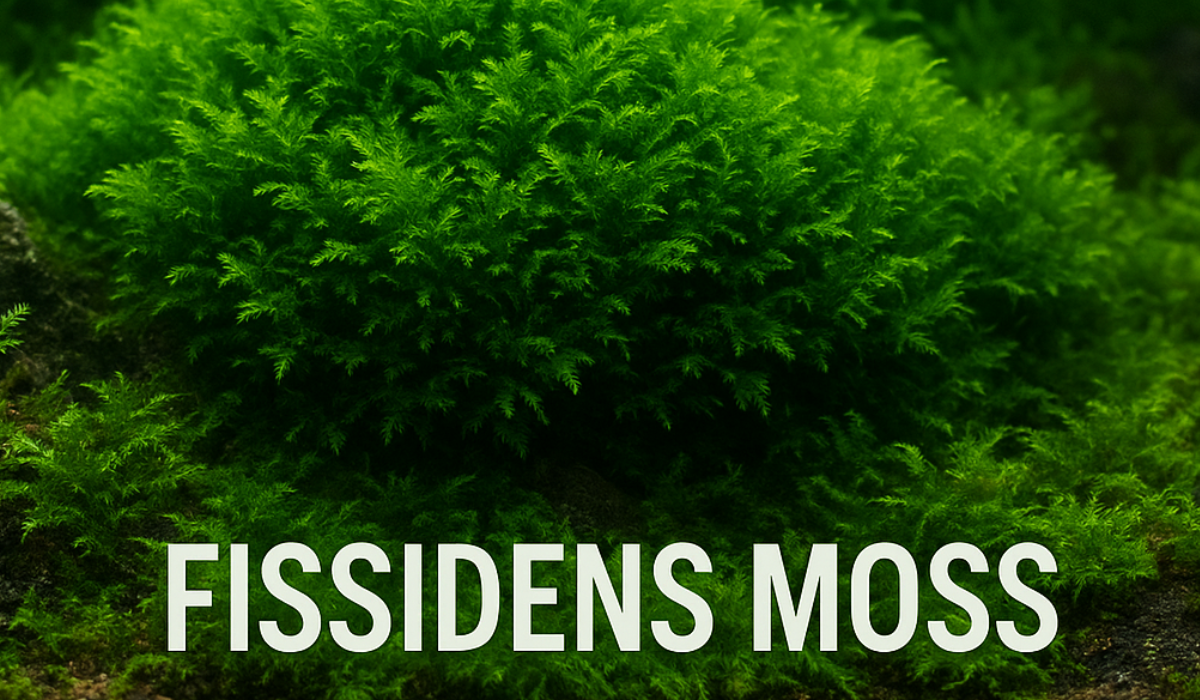
Creating a thriving aquarium is both an art and a science, and aquascaping plays a central role in achieving a balanced and visually appealing aquatic environment. Among the wide variety of plants used in aquascaping, Fissidens moss has earned a special place due to its delicate texture, slow growth, and ability to transform any tank into a natural underwater landscape. Whether you are an experienced aquarist or just beginning your aquascaping journey, incorporating Fissidens moss in aquariums can elevate the beauty of your setup and improve the overall health of your aquatic ecosystem.
This article explores everything you need to know about Fissidens moss aquariums: its characteristics, benefits, growing requirements, care tips, aquascaping ideas, propagation methods, and common challenges. By the end, you will have a complete understanding of how to use Fissidens moss to create a lush, thriving, and low-maintenance aquascape.
What is Fissidens Moss?
Fissidens moss is a genus of aquatic moss belonging to the family Fissidentaceae. Unlike other aquarium mosses such as Java moss or Christmas moss, Fissidens moss has a feather-like, fine, and delicate structure that gives it a soft, velvety appearance. It grows slowly and tends to attach itself to hard surfaces like rocks, driftwood, and aquarium decorations.
The most commonly used variety in aquariums is Fissidens fontanus, also known as Phoenix moss. Its compact growth and fan-shaped fronds create a dense carpet-like effect, making it ideal for aquascaping. Due to its aesthetic appeal and low maintenance, Fissidens moss is popular in nature-style aquariums and shrimp tanks.
Why Choose Fissidens Moss for Aquariums?
Fissidens moss is more than just a decorative plant. It offers a wide range of benefits that make it valuable in both beginner and advanced aquascapes.
1. Aesthetic Appeal
The lush green, velvety texture of Fissidens moss enhances the natural beauty of aquariums. Its feather-like fronds resemble miniature ferns, creating a forest-like effect underwater.
2. Low Maintenance
Unlike many fast-growing plants, Fissidens moss grows slowly, requiring less trimming and upkeep. This makes it suitable for aquarists who prefer low-maintenance aquariums.
3. Versatile Planting Options
It can be attached to rocks, driftwood, mesh, or left free-floating, allowing creative flexibility in aquascaping.
4. Provides Shelter for Fish and Shrimp
The dense, fine leaves create hiding spots and breeding grounds for small fish and shrimp. Baby shrimp especially thrive in tanks with Fissidens moss, as it provides food in the form of biofilm.
5. Improves Water Quality
Like other aquarium plants, Fissidens moss absorbs excess nutrients, helping reduce algae growth and maintaining balanced water parameters.
Types of Fissidens Moss for Aquariums
While Fissidens fontanus is the most popular variety, there are other species worth considering for aquascaping:
- Fissidens fontanus (Phoenix moss): Compact, fan-shaped growth, most common in aquariums.
- Fissidens nobilis: Larger fronds, suitable for bigger tanks.
- Fissidens geppii: Smaller leaves with a delicate appearance, excellent for nano aquariums.
- Fissidens sp. Thailand: Known for its bushy growth, great for creating dense aquascapes.
Each variety shares similar care requirements but differs slightly in size and growth rate.
Growing Conditions for Fissidens Moss
To successfully grow Fissidens moss in aquariums, providing the right environmental conditions is essential.
1. Water Parameters
- Temperature: 68–78°F (20–26°C)
- pH: 6.0–7.5
- Hardness: Soft to moderately hard water
- Lighting: Low to medium light is sufficient, but it can adapt to higher lighting with proper CO₂ and nutrient balance.
2. Substrate and Attachment
Fissidens moss does not require soil or substrate. Instead, it attaches naturally to surfaces like driftwood, stones, or stainless-steel mesh. Using aquarium-safe glue or cotton thread can help secure it initially until it anchors on its own.
3. CO₂ and Fertilization
Fissidens moss can grow without CO₂ injection, but growth is significantly faster and healthier in tanks with added CO₂ and liquid fertilizers. Supplementing with micronutrients like iron helps maintain its rich green color.
4. Filtration and Flow
Moderate water flow is beneficial, as it prevents debris buildup and promotes nutrient absorption. However, excessive flow may cause detachment of moss from surfaces.
How to Plant Fissidens Moss in an Aquarium
There are multiple methods to introduce Fissidens moss into your aquarium setup:
1. Tying Method
Place small clumps of moss on rocks or driftwood and secure them using cotton thread or fishing line. Over time, the moss will naturally attach itself.
2. Gluing Method
Aquarium-safe super glue can be used to attach moss to surfaces. This is a quicker method, but avoid using too much glue as it may harm the plant.
3. Mesh Method
Spread moss evenly on stainless steel or plastic mesh and secure it. Once the moss grows, it forms a carpet or wall effect, ideal for aquascaping backgrounds.
4. Free-Floating Method
Although less common, Fissidens moss can also be left free-floating. However, this method may lead to uneven growth and debris buildup.
Aquascaping with Fissidens Moss
Fissidens moss is one of the most versatile plants for aquascaping. Here are a few creative ideas:
- Moss Carpets: Spread over mesh or flat stones to create lush green carpets.
- Moss Walls: Attach moss to vertical mesh and place it against the aquarium wall.
- Driftwood Accents: Secure moss to driftwood branches for a natural, tree-like appearance.
- Rock Coverings: Wrap moss around stones for a mossy forest-floor look.
- Shrimp Tanks: Use as a dense moss bed where shrimp can graze and hide.
Maintenance and Care
Although Fissidens moss is low-maintenance, some care is needed to keep it healthy:
- Trimming: Prune occasionally to maintain shape and encourage new growth.
- Cleaning: Use gentle water flow or a turkey baster to remove debris trapped within the moss.
- Lighting Balance: Avoid prolonged high lighting without CO₂, as it may encourage algae growth.
- Water Changes: Regular water changes help maintain nutrient balance and reduce algae risk.
Propagation of Fissidens Moss
Propagation is simple and can be done by dividing healthy clumps of moss. Each small fragment is capable of growing into a new plant if attached to a surface under proper conditions. This makes it easy to spread moss throughout the tank or share with other aquarists.
Common Problems with Fissidens Moss
1. Algae Growth
Due to its slow growth, Fissidens moss is prone to algae infestation. To prevent this, maintain proper nutrient balance, avoid excessive lighting, and introduce algae-eating shrimp or fish.
2. Detachment
Moss may detach from surfaces if not secured properly or exposed to strong currents. Reattach using thread or glue when necessary.
3. Yellowing or Browning
This can be caused by nutrient deficiency, poor water quality, or lack of CO₂. Supplement with fertilizers and maintain stable parameters.
Benefits of Fissidens Moss in Aquariums
- Creates a natural, forest-like aquascape
- Provides shelter and grazing grounds for shrimp and fry
- Improves biological filtration by hosting beneficial bacteria
- Helps reduce stress for fish by offering hiding spots
- Functions as a nutrient sink, limiting algae growth
Conclusion
Fissidens moss is a versatile, low-maintenance, and aesthetically pleasing plant that can transform any aquarium into a lush, natural-looking aquatic landscape. Its delicate texture and slow growth make it ideal for aquascaping, shrimp tanks, and low-tech setups. By providing the right water parameters, securing it properly, and performing regular maintenance, aquarists can enjoy the beauty of this moss for years to come.
For aquascaping enthusiasts seeking a unique and rewarding plant, Fissidens moss aquariums are an excellent choice. Not only does it enhance the beauty of the tank, but it also supports the well-being of aquatic life.
FAQs About Fissidens Moss Aquarium
1. Is Fissidens moss suitable for beginners?
Yes, it is beginner-friendly as long as basic care and stable water conditions are maintained.
2. Does Fissidens moss need CO₂ injection?
It can grow without CO₂, but it thrives and grows faster with CO₂ supplementation.
3. Can Fissidens moss grow in low light?
Yes, it does well in low to medium light but may benefit from moderate lighting for healthier growth.
4. How do I prevent algae on Fissidens moss?
Avoid excessive lighting, maintain nutrient balance, and introduce algae-eating shrimp or fish.
5. How fast does Fissidens moss grow?
It is a slow-growing moss, taking weeks or even months to cover surfaces fully.
6. Can I use Fissidens moss in a shrimp tank?
Yes, it is highly recommended as it provides shelter and biofilm for shrimp.
7. Does Fissidens moss need substrate?
No, it attaches to hardscape materials like rocks, wood, or mesh.
8. How do I attach Fissidens moss to driftwood?
You can tie it with cotton thread, fishing line, or use aquarium-safe glue until it anchors naturally.
9. Can Fissidens moss survive in outdoor ponds?
It is better suited for aquariums, but in controlled climates, it may adapt to outdoor setups.
10. Is Fissidens moss expensive?
It tends to be pricier than common mosses due to its slow growth, but its unique beauty justifies the cost.