
 By admin
 Worms are one of the most effective and nutritious options for feeding fish, providing benefits for anglers, aquaponics, and aquarium enthusiasts alike. They offer high protein content, promote natural fish behavior, and are widely used to attract nearly all species of fish, making them essential in both recreational fishing and fish care routines.
Benefits of Worms for Fish
Worms are packed with nutrients, especially protein, which supports fish growth, energy, and overall health. Studies show that red earthworms and other varieties not only promote better growth but also enhance reproduction, feed digestibility, immune response, and survival rates for fish. Worms are also low in fat, which makes them a better dietary option compared to many other live feeds. Moreover, feeding worms stimulates the natural foraging behavior of fish, keeping them active and healthy.
Types of Worms Used for Fishing and Feeding
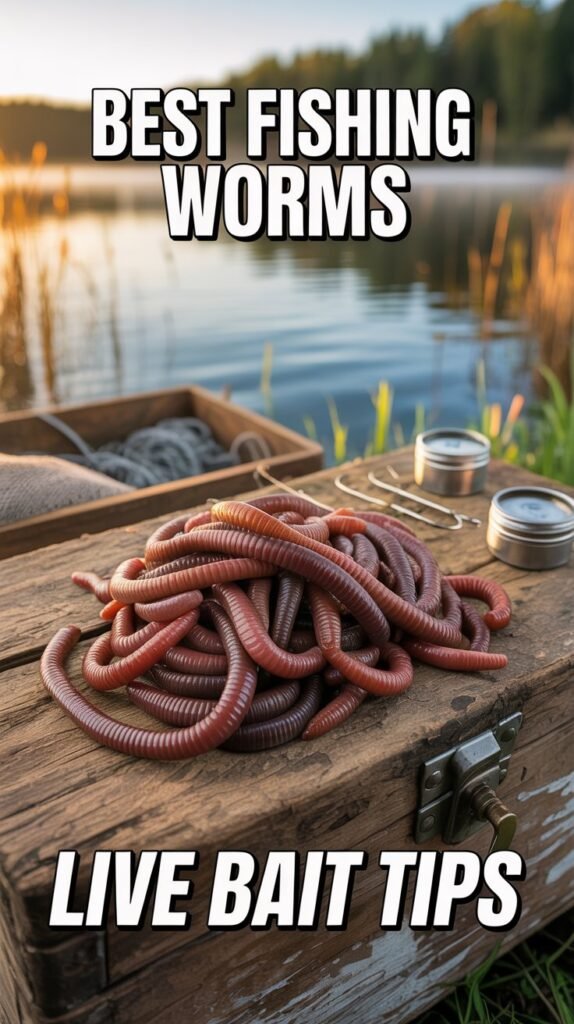
Different types of worms serve unique roles in fishing and as fish food:
- Nightcrawlers: Large, active, and ideal for catching bigger fish like bass and trout. Perfect for bottom fishing or deeper waters.
- Red Wigglers: Smaller and highly active. Best for catching panfish and trout, and great for finesse techniques.
- Earthworms: Versatile and effective for freshwater and saltwater fishing across various species.
- Mealworms: Perfect for shallow, warm waters and for attracting surface feeders like sunfish and trout.
- Bloodworms and Tubifex Worms: Rich in protein and minerals. These are often used for aquarium fish, promoting color and preparing them for breeding.
- White Worms: Contain over 70% protein, suitable for many aquarium species.
How Worms Benefit Aquaponics and Aquarium Systems
Adding worms to aquaponic systems or aquarium substrates can significantly enhance ecosystem health. Worms break down organic waste, such as uneaten food and fish waste, transforming it into nutrient-rich castings (vermicompost). This process not only keeps the water clean but also provides plants with essential nutrients, resulting in improved plant growth and healthier fish. Vermiculture keeps waste buildup in check, reduces reliance on external fertilizers, and supports a balanced ecosystem by fostering beneficial microorganisms.
Techniques for Using Worms in Fishing
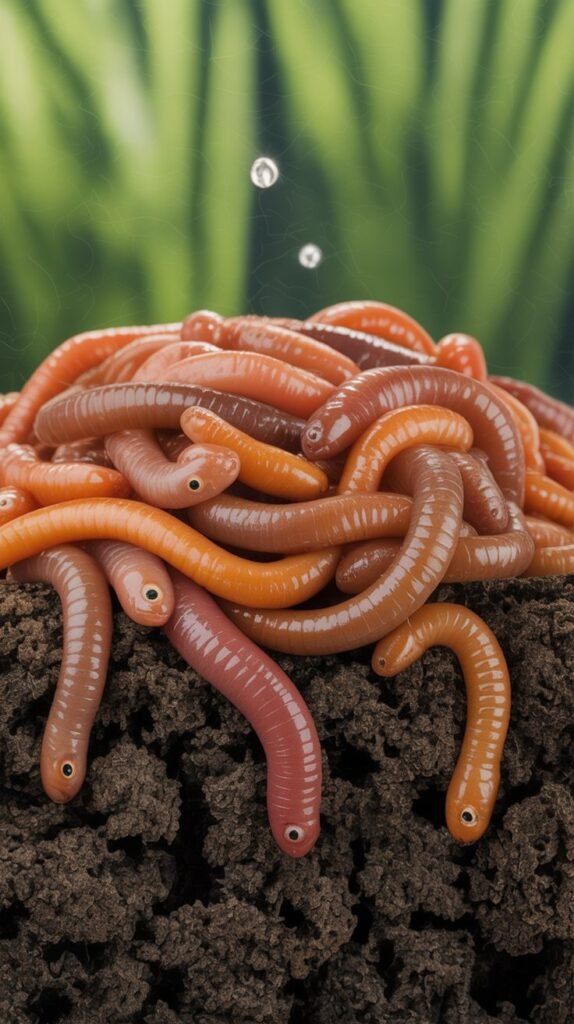
There are various fishing techniques that maximize the natural appeal of worms:
- Bottom fishing: Use large worms like nightcrawlers to attract larger fish as they stay active at the lakebed.
- Float fishing: Smaller worms, such as red wigglers or mealworms, are suspended mid-water to attract panfish and trout.
- Jigging: Small worms simulate injured prey, increasing catch rates in colder waters.
- Drifting: Letting worms move naturally with the water current is effective in streams and rivers for species like trout or walleye.
Each method can be tailored depending on the target species, water temperature, and fishing environment.
Nutritional and Health Perks for Pet Fish
Worms, especially freeze-dried and tubifex varieties, provide essential vitamins (such as B12), minerals (such as calcium and phosphorus), and protein. These nutrients are crucial for boosting fish immune systems, coloring, muscle development, and overall vitality. Freeze-dried worms are a safe alternative to live worms, reducing the risk of introducing parasites or diseases into aquariums.
Sustainable Worm Integration in Fish Care
Incorporating worms in fish tanks, ponds, or aquaponics not only benefits fish but also supports sustainable and organic aquatic environments. With reduced dependence on chemical fertilizers and increased natural waste management, the use of worms fits modern sustainable fish care practices.
Worms remain a cornerstone in both capture and captive fish care, supporting healthy, active fish while contributing to system and ecosystem balance. Regular use of worms, in the right context and variety, is a proven strategy for enhancing your results whether you are fishing or keeping ornamental fish.
If you have specific questions about storage, handling, or which worm is right for your fish or fishing target, more resources are available or ask for a detailed table for quick reference.