
 By admin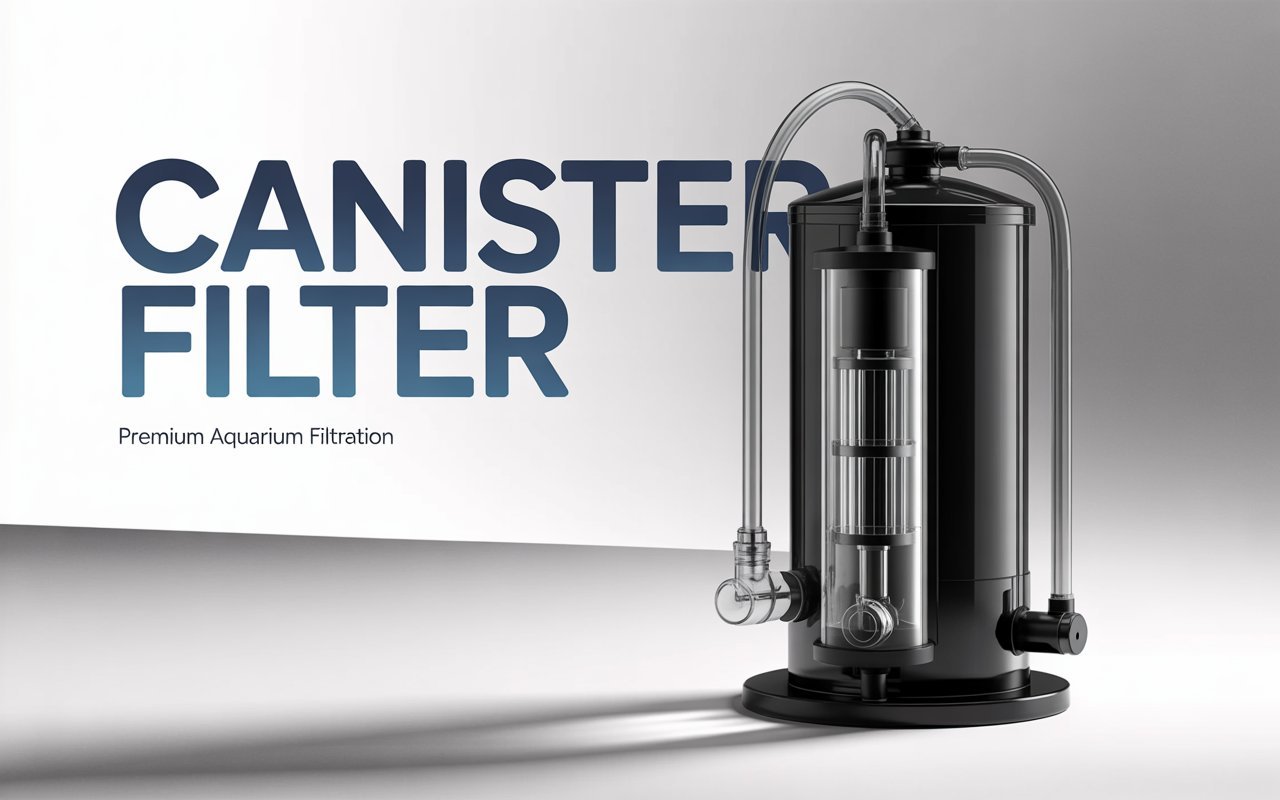
Keeping an aquarium healthy and crystal clear requires more than beautiful decor and regular feeding—it demands a strong, reliable filtration system. Among all filtration methods available today, the canister filter is widely regarded as one of the most powerful, efficient, and customizable options for both freshwater and saltwater aquariums. Whether you keep guppies, goldfish, cichlids, shrimp, or even marine fish, a canister filter can significantly improve water quality and stability.
This long-form guide explains everything you need to know about canister filters: how they work, why they are beneficial, how to install them, how to choose the right size, and how to maintain them for long-term performance.
What Is a Canister Filter?
A canister filter is an external aquarium filtration system housed in a sealed container, typically positioned underneath or beside the aquarium. Water is drawn into the canister through an intake tube, passes through multiple filtration stages, and then returns to the tank via an output nozzle or spray bar.
Canister filters are known for:
- High water flow rates
- Large media capacity
- Quiet operation
- Superior mechanical, biological, and chemical filtration
Because of their power and versatility, they are popular in medium to large aquariums and for fish that produce high waste loads.
How a Canister Filter Works
A canister filter operates by pumping water out of the aquarium, processing it through filter media, and returning clean water back into the tank. The filtration stages usually include:
1. Mechanical Filtration
This is the first stage where sponges, filter pads, or floss trap:
- Fish waste
- Uneaten food
- Plant debris
- Fine particles
Mechanical filtration keeps the water visually clean and prevents clogging of biological media.
2. Biological Filtration
This is the heart of any canister filter. In this stage, water passes through porous materials like:
- Ceramic rings
- Bio-balls
- Lava rock
- Sintered glass media
These materials provide surface area for beneficial nitrifying bacteria, which break down harmful ammonia and nitrite into less harmful nitrate.
3. Chemical Filtration
Optional but useful, chemical media include:
- Activated carbon
- Zeolite
- Purifying resins
- Phosphate removers
They help remove odors, discoloration, toxins, and dissolved impurities.
Why Choose a Canister Filter?
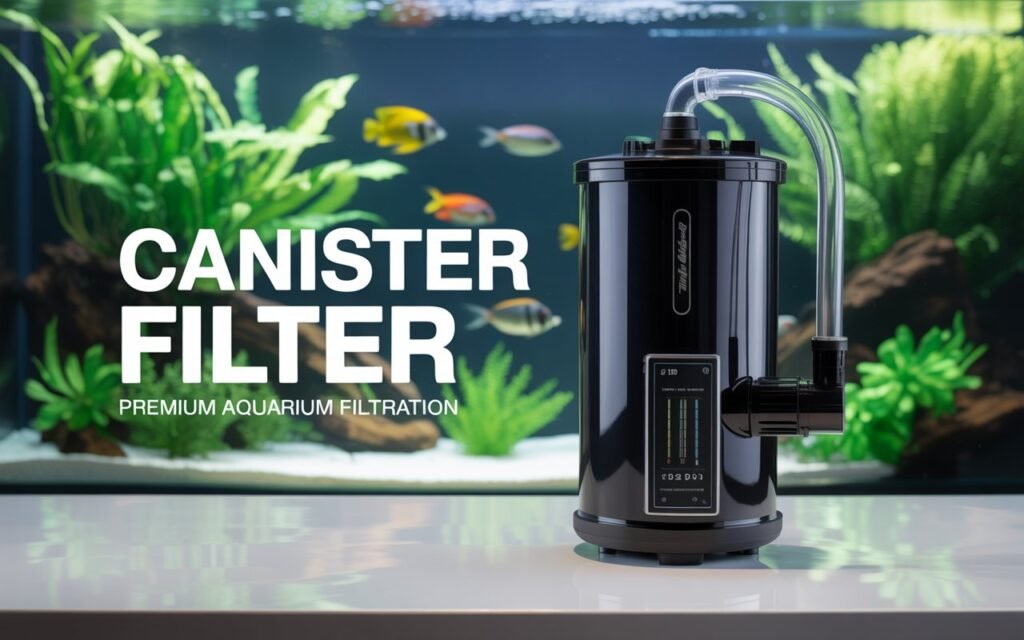
Canister filters offer several advantages over hang-on-back, sponge, and internal filters. Let’s explore their benefits.
1. Superior Filtration Power
Canister filters can hold a larger amount of filter media, providing stronger mechanical, biological, and chemical filtration. This makes them ideal for:
- Heavily stocked aquariums
- Large tanks (30–200+ gallons)
- Messy fish like goldfish and cichlids
- Aquariums with plants and sensitive fish
- Tanks that require crystal-clear water
2. Customizable to Your Needs
Every aquarist has different requirements. A canister filter allows you to choose and arrange your media based on:
- Water clarity goals
- Biological load
- Type of fish
- Planted vs. non-planted tank
You can add specialized media like peat, carbon, bio-rings, purifiers, or sponge filters.
3. Quiet and Efficient Operation
Because the filter sits outside the aquarium and is well-sealed, it operates with minimal noise. This makes canister filters ideal for:
- Bedrooms
- Offices
- Living rooms
- Aquariums placed in peaceful environments
4. Excellent Water Flow Control
Most canister filters come with adjustable output nozzles and spray bars that:
- Improve water surface agitation
- Increase oxygen exchange
- Reduce dead zones
- Provide gentle or strong flow depending on fish needs
For example:
- Betta fish prefer soft, gentle flow
- Goldfish and rainbowfish appreciate strong currents
5. Helps Maintain Crystal-Clear Water
Because canister filters have multi-stage filtration and strong water circulation, they remove:
- Fine particles
- Cloudiness
- Algae spores
- Waste buildup
This leads to sparkling, healthy water conditions.
6. Saves Space Inside the Aquarium
Since the filter is external, there are no bulky parts inside the tank. This leaves more room for:
- Fish movement
- Aquascaping
- Plants
- Decorations
It also improves the tank’s aesthetic appeal.
Canister Filter Components
To understand how these filters work, you should know their main parts.
1. Intake Tube
Draws water from the aquarium into the canister.
2. Output Nozzle or Spray Bar
Returns filtered water to the aquarium.
3. Filter Baskets
Hold the mechanical, biological, and chemical media.
4. Motor or Pump
Powers water flow through the canister.
5. Sealed Canister Body
Keeps the system pressurized and watertight.
6. Valves and Tubing
Connect the filter to the aquarium and allow easy maintenance.
Best Aquariums for Canister Filters
Canister filters are ideal for:
- Freshwater aquariums
- Saltwater aquariums
- Turtle tanks
- Planted tanks
- Predator tanks
- High-bio-load setups
- Tanks 30 gallons and above
Small nano tanks usually don’t need a canister filter unless heavily stocked.
How to Choose the Right Canister Filter
Selecting the correct filter depends on several factors.
1. Tank Size
Choose a filter rated 1.5 to 2 times your aquarium size.
For example:
- 50-gallon tank → choose 75–100 gallon canister filter
2. Flow Rate
Measured in gallons per hour (GPH).
A good guideline is:
- 5–10 times the tank volume per hour.
3. Media Capacity
More space for biological media = better stability.
4. Noise Level
Choose models known for silent performance if your tank is in a quiet room.
5. Ease of Maintenance
Look for:
- Quick-disconnect valves
- Easy-to-remove baskets
- Strong seals
6. Energy Efficiency
A good canister filter should consume low power while offering high performance.
How to Set Up a Canister Filter (Step-by-Step)
Setting up a canister filter is simple if you follow these steps.
1. Assemble the Canister
Install the baskets, seals, and O-rings as instructed.
2. Add Filter Media in the Correct Order
A common order is:
- Mechanical media (top)
- Biological media (middle)
- Chemical media (bottom or final stage)
3. Position the Canister Below the Aquarium
Gravity helps with water flow.
4. Install Intake and Output Tubes
Place the intake low in the tank and the output near the top for water movement
5. Prime the Filter
Some filters have self-priming buttons; others require manual filling.
6. Turn On the Filter
Check for leaks, smooth water flow, and quiet operation.
Maintenance of a Canister Filter
Regular maintenance ensures long-term performance.
1. Clean Mechanical Media Frequently
Rinse sponges every 2–4 weeks to remove trapped debris.
2. Protect Biological Media
NEVER wash bio media with tap water.
Use old tank water to preserve beneficial bacteria.
3. Replace Chemical Media When Needed
Carbon and resins lose effectiveness after 3–6 weeks.
4. Clean the Intake and Output Tubes
Hoses can accumulate slime and algae—clean every 1–2 months.
5. Maintain the Motorhead
Wipe down the impeller to prevent clogging or noise.
6. Inspect Seals
Lubricate or replace seals if leaking.
Advantages and Disadvantages of Canister Filters
Advantages:
- Extremely powerful filtration
- Customizable media options
- Quiet operation
- Strong water flow
- Keeps tank interior clean
- Supports large and messy fish
- Great for planted and marine setups
Disadvantages:
- More expensive than basic filters
- Requires more setup space
- Cleaning can be time-consuming
- Needs regular hose maintenance
Canister Filter vs Other Filters
Canister Filter vs Hang-on-Back Filter
- Canister offers better filtration power
- HOB is easier to maintain
- Canister has more media space
Canister Filter vs Sponge Filter
- Sponge is best for breeding tanks
- Canister is best for large display tanks
Canister Filter vs Internal Filter
- Canister provides better flow, more media, and cleaner aesthetics
Common Problems & Solutions
1. Low Flow Rate
- Clean hoses
- Rinse mechanical media
- Remove blockages
2. Air Bubbles or Noise
- Check for air leaks
- Prime the filter properly
3. Leaking Canister
- Replace O-rings
- Ensure the lid is sealed properly
4. Dirty Water
- Increase mechanical media
- Avoid overfeeding
- Increase flow or add polishing pads
Conclusion
A canister filter is one of the best investments you can make for your aquarium. Its superior filtration capability, customizable media options, and quiet operation make it ideal for both beginners and experienced aquarists. Whether you keep guppies, goldfish, cichlids, or saltwater fish, a canister filter ensures cleaner water, healthier fish, and a more stable aquatic environment.
By choosing the right canister filter and maintaining it properly, your aquarium will stay crystal clear and thriving for years.
FAQs About Canister Filters
1. Is a canister filter better than a hang-on-back filter?
Yes, canister filters offer more powerful filtration and media capacity.
2. Can a canister filter be used in a small aquarium?
It’s possible, but canisters are best for tanks above 20–30 gallons.
3. How often should I clean a canister filter?
Every 4–8 weeks, depending on stocking level.
4. Can I use a canister filter in a saltwater aquarium?
Yes, canister filters work well for both freshwater and marine setups.
5. What media should I put in a canister filter?
Mechanical sponges, biological media, and chemical media (optional).
6. Why is my canister filter making noise?
It may contain trapped air—check priming and seals.
7. Do I need chemical media in a canister filter?
Not always; biological and mechanical filtration are most essential.