
 By admin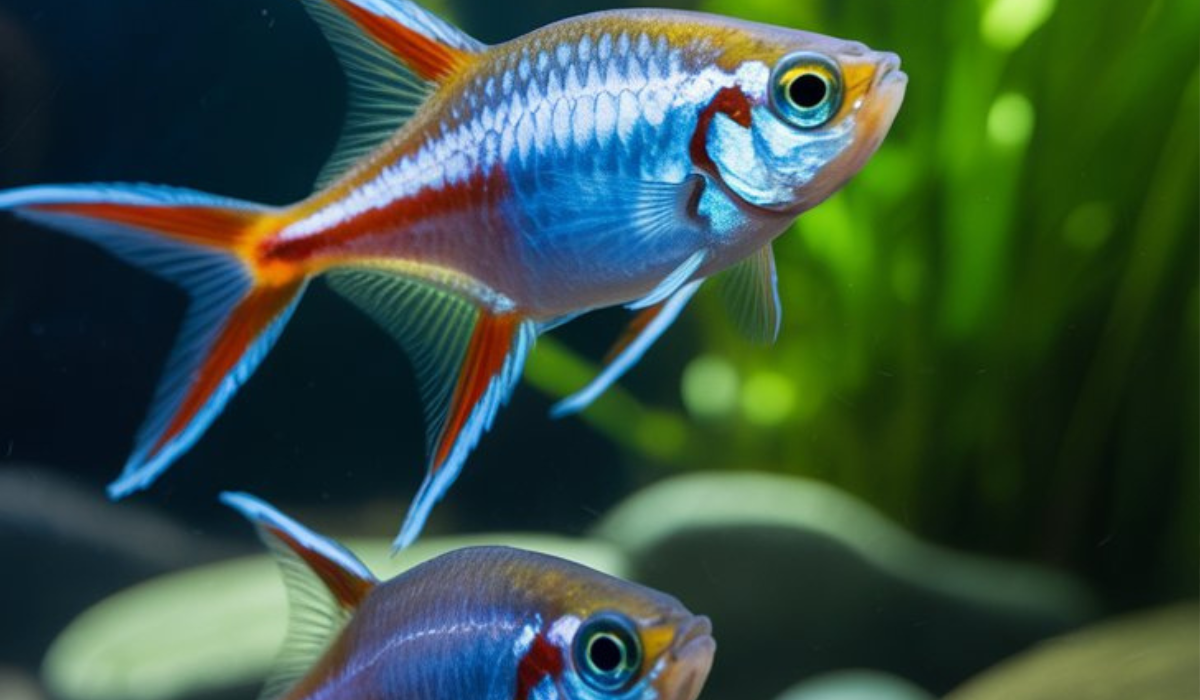
Tetra fish are among the most popular and colorful freshwater fish in the aquarium hobby. Their tiny size, peaceful nature, and schooling behavior make them an ideal choice for beginners and expert aquarists alike. With hundreds of species found across South America, Central America, and Africa, Tetras add beauty, motion, and life to home aquariums.
In this detailed guide, you will learn everything about Tetra fish — their types, lifespan, tank setup, compatible tank mates, breeding, and care tips.
⭐ What Are Tetra Fish?
Tetras are small freshwater fish belonging to the Characidae family. They are naturally found in:
- Amazon River Basin
- Orinoco Basin
- Congo River Basin
- Tropical slow-moving streams and floodplain lakes
They are recognized by:
✔ Bright colors
✔ Schooling behavior
✔ Slender body with forked tail
✔ Adipose fin (small fin between dorsal and tail)
✔ Easy to care for in aquariums
Tetras are active swimmers and should always be kept in groups of 6 or more to feel safe and show their best colors.
???? Biological Characteristics
| Feature | Details |
|---|---|
| Scientific Family | Characidae |
| Average Lifespan | 3–10 years depending on species |
| Size | 1–3 inches |
| Temperament | Peaceful and social |
| Tank Level | Middle swimmers |
| Diet | Omnivores |
| Reproduction | Egg scatterers |
???? Natural Habitat
In the wild, tetras live in warm, soft, slightly acidic waters filled with plants and shaded by overhanging trees.
Water conditions they prefer:
- Temperature: 22–28°C
- pH: 5.5–7.0
- Soft water with low minerals
- Dim lighting with natural shade
Aquarists try to recreate this environment in home aquariums for healthy and happy fish.
???? Types of Tetra Fish (Most Popular Varieties)
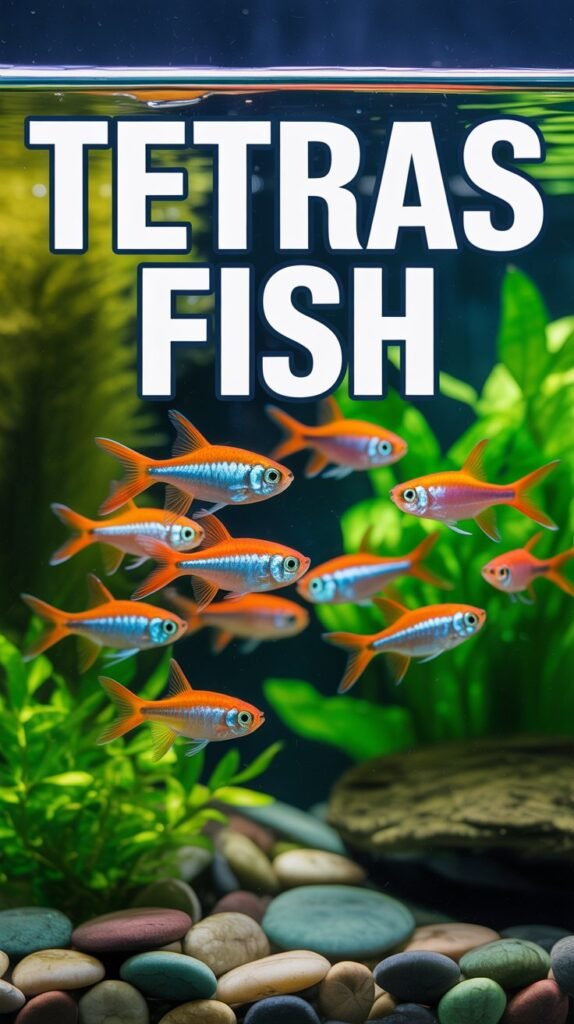
There are over 150+ species of tetra fish. Below are the most loved and widely available types in the aquarium trade:
1️⃣ Neon Tetra
- Iconic glowing blue and red stripe
- Peaceful and perfect for community tanks
- Best in large groups
2️⃣ Cardinal Tetra
- Similar to Neon but full-length red stripe
- More vivid and slightly larger
- Loves soft, acidic blackwater aquariums
3️⃣ Black Neon Tetra
- Black and white stripes instead of red
- Very hardy and beginner-friendly
4️⃣ Glowlight Tetra
- Orange glowing stripe along the body
- Shimmers beautifully under aquarium light
5️⃣ Ember Tetra
- Small, fiery orange-red body
- Ideal for nano planted aquariums
6️⃣ Rummy Nose Tetra
- Red head with black-and-white tail pattern
- Known for schooling tightly
- Excellent water-quality indicator
7️⃣ Congo Tetra
- Larger African species with iridescent rainbow colors
- Males have long flowing tails
- Needs wider aquariums
8️⃣ Black Phantom Tetra
- Silvery body with large black spot
- Slightly territorial among males
9️⃣ Serpae Tetra
- Bright red body with black spot
- Can be fin nippers if kept in small groups
???? Penguin Tetra
- Metallic silver body with black line down the tail
- Active mid-level swimmer
1️⃣1️⃣ Lemon Tetra
- Light yellow, transparent fins
- Best color shown in planted tanks
1️⃣2️⃣ Bloodfin Tetra
- Silver body with striking red fins
- Strong and active schooling fish
1️⃣3️⃣ Buenos Aires Tetra
- Larger species, very active
- Can eat soft plants — needs hardy aquascapes
1️⃣4️⃣ Glow / GloFish Tetra
- Genetically enhanced fluorescence
- Available in multiple neon colors
1️⃣5️⃣ Diamond Tetra
- Glittering scales like diamonds
- Peaceful and long-living
There are many more types such as Congo Red, Head-and-Tail Light, Flame Tetra, Ruby Tetra, Pristella Tetra — each bringing unique charm to aquariums.
???? Tetra Fish Care Guide
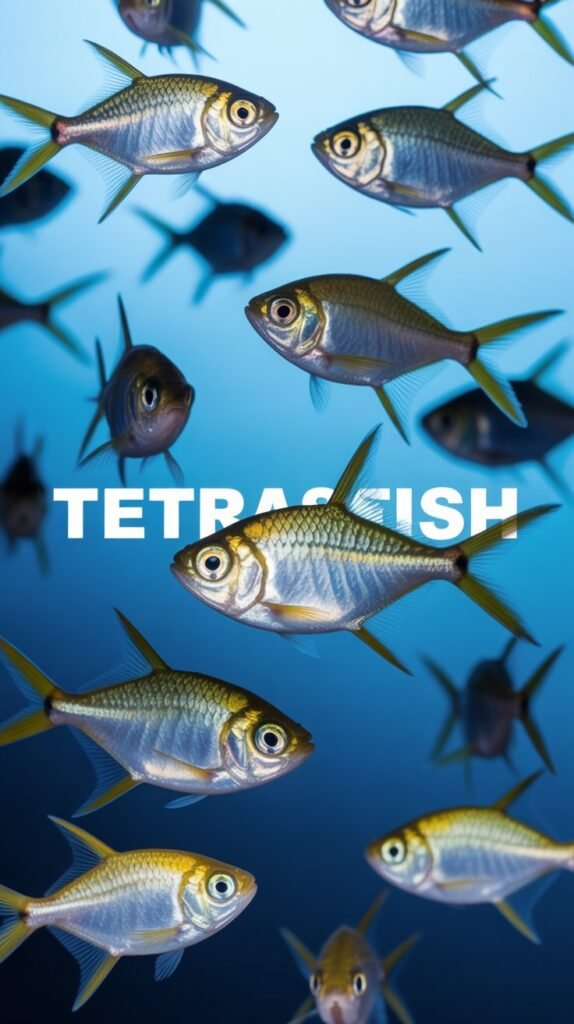
???? Tank Size
Tetras are small but require enough space to school properly.
| Group Size | Tank Size |
|---|---|
| 6–10 fish | 10–20 gallons |
| Large school | 30+ gallons |
More space means better behavior and stress-free living.
???? Water Conditions
| Parameter | Ideal Range |
|---|---|
| Temperature | 22–28°C |
| pH | 6.0–7.2 |
| Hardness | 2–10 dGH |
| Ammonia/Nitrite | 0 ppm |
Keep water clean and stable. Weekly 25–30% water change is recommended.
???? Aquarium Setup
✔ Lots of natural/live plants
✔ Dim lighting
✔ Driftwood and leaf litter for blackwater species
✔ Dark substrate enhances colors
✔ Slight water movement
Plants like Java Fern, Amazon Sword, Anubias, Vallisneria work beautifully.
???? Diet & Feeding
Tetras are omnivores and love:
- High-quality flakes
- Micro pellets
- Frozen foods (bloodworms, daphnia)
- Live food (baby brine shrimp)
Feed once or twice daily — small amounts they finish within 2 minutes.
Tip: Variety of food = Better color and energy.
???? Compatible Tank Mates
Tetras thrive with other peaceful fish like:
- Guppies
- Mollies
- Rasboras
- Corydoras catfish
- Dwarf gouramis
- Shrimp & snails
Avoid aggressive or large fish such as cichlids, bettas, or predators that might eat them.
???? Breeding Tetra Fish
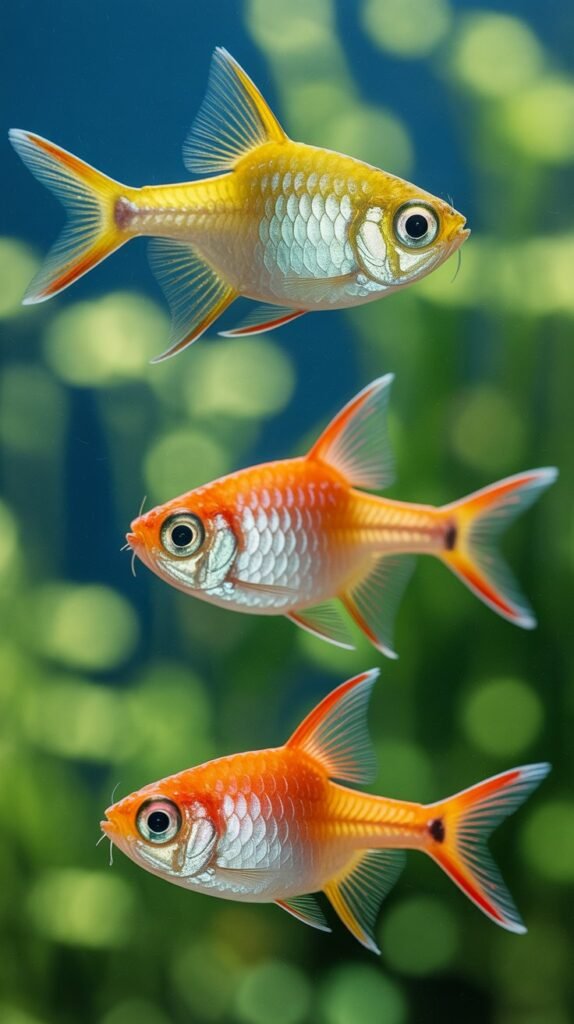
Tetras are egg scatterers.
Breeding Requirements:
- Separate breeding tank
- Soft, acidic water
- Fine plants or spawning mops
- Dim lighting
Breeding Process:
1️⃣ Condition parents with live foods
2️⃣ Introduce pair or small group in breeding tank
3️⃣ Eggs scatter and fall into plants
4️⃣ Remove adults immediately (they may eat eggs)
5️⃣ Eggs hatch in 24–48 hours
6️⃣ Fry feed on infusoria, then baby brine shrimp
Successful breeding requires clean water and stable temperature.
???? Common Tetra Diseases
Most issues arise due to poor water quality or stress.
| Disease | Symptoms | Cause |
|---|---|---|
| Ich | White spots, scratching | Temperature shock |
| Fin rot | Torn fins | Dirty water, aggression |
| Neon Tetra disease | Pale colors, lethargy | Parasitic infection |
| Fungus | Cotton-like growth | Injury/dirty conditions |
Prevention:
- Quarantine new fish
- Maintain water parameters
- Avoid overfeeding
???? Why Tetras Are So Popular?
✔ Affordable
✔ Beginner-friendly
✔ Bright colors
✔ Easy to keep in community tanks
✔ Active schooling behavior
✔ Wide variety of species
They bring incredible movement and life to planted aquariums.
???? Expert Tips for Keeping Tetras
- Keep bigger schools for natural behavior
- Use blackwater extracts for soft-water species
- Provide hiding spots to reduce stress
- Maintain consistent water — no sudden changes
- Feed a color-enhancing diet
Happy tetras = colorful tetras ????
❓ FAQs About Tetra Fish
1. How many tetras should be kept together?
At least 6, but the bigger the group, the happier and healthier they are.
2. How long do tetra fish live?
Most live 3–7 years, but some species can reach 10 years in perfect care.
3. Are tetra fish good for beginners?
Yes, they are hardy, peaceful, and require simple care — ideal for beginners.
4. Do tetras need a filter?
Yes, clean and oxygenated water is essential for their survival.
5. Can tetras live with guppies?
Absolutely! They make great community tank mates.
6. Why are my tetras losing color?
Causes may include stress, poor diet, disease, or wrong water parameters.
7. Can I keep only two or three tetras?
No, small groups cause stress — tetras must live in schools.
8. How often do I feed them?
Once or twice a day, only what they can finish in 2 minutes.
9. Which tetra is easiest for beginners?
Black Neon, Glowlight, and Ember Tetras are the most resilient.
10. Do tetras breed in community tanks?
Rarely — eggs get eaten fast. Use a separate breeding tank.
✔ Summary
Tetra fish are small but bring huge beauty to aquariums. Their dazzling colors, friendly behavior, and wide variety make them a top choice for hobbyists. With proper tank setup, diet, and good water conditions, tetras will thrive and live a long, happy life in your care.