
 By admin
A nano aquarium filter is a vital piece of equipment for maintaining clean, stable, and healthy water in small aquariums. Nano tanks may be small in size, but they require just as much care and proper filtration as larger aquariums. In fact, because nano aquariums hold less water, waste and toxins can build up faster—making the right filter even more important.
This in-depth guide explains everything you need to know about nano aquarium filters, including how they work, different types, benefits, limitations, maintenance tips, and how to choose the best filter for your nano tank.
What Is a Nano Aquarium Filter?
A nano aquarium filter is a filtration system specifically designed for small aquariums, typically ranging from 1 to 10 gallons. These filters are compact, gentle, and efficient, ensuring clean water without creating excessive flow that could stress small fish or shrimp.
Nano aquarium filters are commonly used in:
- Betta tanks
- Shrimp aquariums
- Nano planted tanks
- Desktop aquariums
- Fry and quarantine tanks
Why Filtration Is Crucial in Nano Aquariums
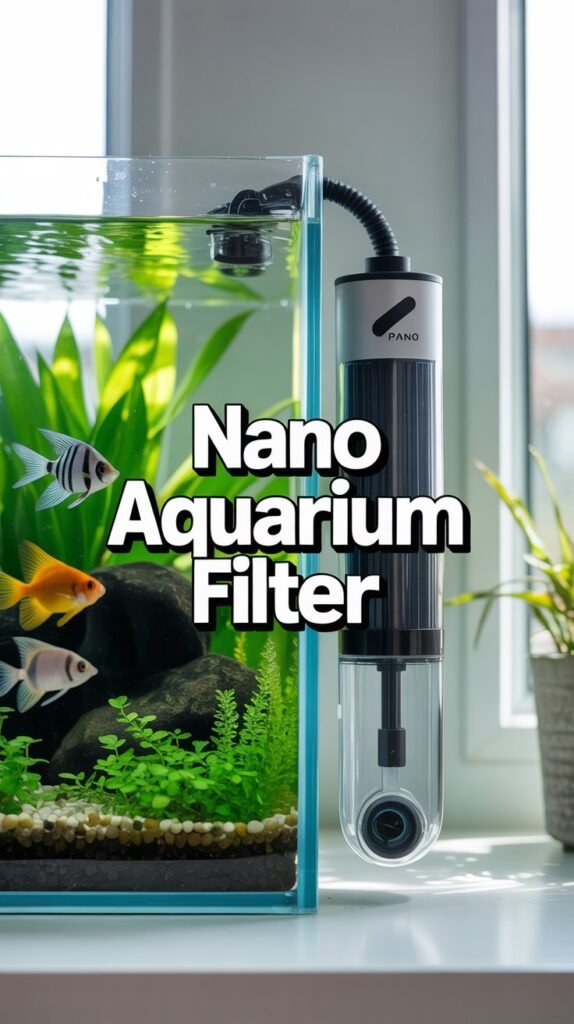
Nano aquariums are more sensitive to water quality changes due to their small volume. Even a small amount of waste can cause ammonia spikes.
A good nano aquarium filter:
- Removes debris and fish waste
- Supports beneficial bacteria growth
- Maintains oxygen circulation
- Prevents toxic ammonia buildup
Without proper filtration, nano tanks can quickly become unstable.
How a Nano Aquarium Filter Works
A nano aquarium filter operates using the same basic principles as larger filters but at a gentler scale:
- Water is drawn into the filter
- Mechanical media traps debris
- Biological media houses beneficial bacteria
- Clean water flows back into the tank
Some nano aquarium filters also include chemical filtration for additional water clarity.
Types of Nano Aquarium Filters
There are several types of nano aquarium filters, each suited for different nano tank setups.
Sponge Nano Aquarium Filter
Sponge filters are among the most popular nano aquarium filters.
Key Features:
- Gentle water flow
- Excellent biological filtration
- Safe for shrimp and fry
- Low cost
Best For:
- Shrimp tanks
- Betta aquariums
- Breeding tanks
Hang-On-Back Nano Aquarium Filter
These filters hang on the back of the aquarium and are scaled for nano tanks.
Key Features:
- Easy to install
- Good mechanical filtration
- Adjustable flow in many models
Best For:
- Small community tanks
- Nano tanks with limited internal space
Internal Nano Aquarium Filter
Internal filters are placed fully inside the aquarium.
Key Features:
- Compact design
- Quiet operation
- Simple setup
Best For:
- Beginner nano aquariums
- Small freshwater tanks
Canister-Style Nano Aquarium Filter
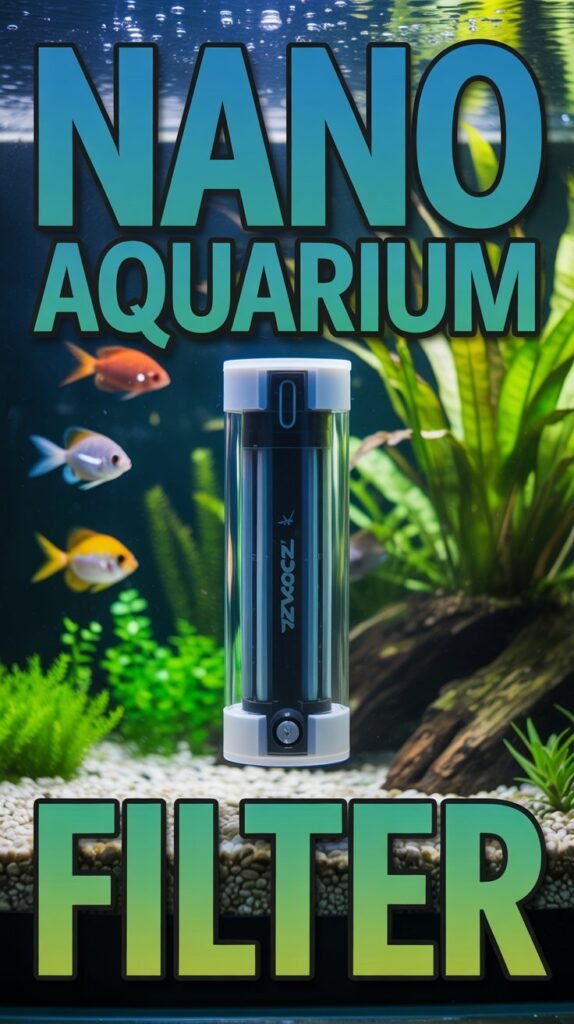
Mini canister filters are external filters designed for nano tanks.
Key Features:
- Strong filtration
- Large media capacity for size
- Clean tank appearance
Best For:
- Heavily planted nano tanks
- Advanced aquarists
Corner Nano Aquarium Filter
Corner filters sit discreetly in the corner of the tank.
Key Features:
- Space-saving design
- Gentle water movement
- Often air-powered
Best For:
- Small aquariums
- Minimalist setups
Benefits of Using a Nano Aquarium Filter
Maintains Water Quality
Keeps ammonia, nitrites, and debris under control.
Gentle Flow
Designed specifically to avoid stressing small or delicate fish.
Compact Size
Fits easily into small aquariums without crowding.
Easy Maintenance
Most nano aquarium filters are easy to clean and service.
Energy Efficient
Consumes very little electricity.
Limitations of Nano Aquarium Filters
Despite their advantages, nano aquarium filters have some limitations:
- Limited filtration capacity
- Not suitable for large tanks
- Can clog quickly if overstocked
- Requires frequent maintenance
Choosing the right filter helps minimize these issues.
Choosing the Best Nano Aquarium Filter
Tank Size
Always match the filter’s rating to your tank size.
Fish Type
- Betta fish: Low flow
- Shrimp: Sponge filters
- Small schooling fish: Moderate flow
Planted vs Non-Planted
Planted tanks benefit from gentle filtration to preserve CO₂ levels.
Noise Level
Choose a quiet filter for desktop or bedroom aquariums.
Best Nano Aquarium Filters for Different Setups
Betta Fish Tanks
Sponge or low-flow internal filters work best.
Shrimp Aquariums
Fine sponge filters prevent shrimp loss.
Nano Planted Tanks
Mini canister or adjustable hang-on-back filters are ideal.
Office and Desktop Aquariums
Quiet internal or sponge nano aquarium filters are preferred.
Installing a Nano Aquarium Filter
- Rinse filter media with aquarium water
- Place or attach the filter securely
- Ensure proper water flow direction
- Plug in the unit
- Monitor for stress-free operation
Always ensure water flow is gentle.
Maintenance and Cleaning Guide
Cleaning Frequency
- Light cleaning every 1–2 weeks
- Deeper cleaning if flow reduces
Safe Cleaning Tips
- Use old tank water
- Never use soap or chemicals
- Avoid replacing all media at once
Media Replacement
- Sponge: Replace only when worn
- Carbon: Replace monthly if used
Nano Aquarium Filter vs No Filter
While some nano tanks use natural filtration, filters provide:
- Better stability
- Reduced maintenance
- Healthier fish
For most aquarists, a nano aquarium filter is strongly recommended.
Common Problems and Solutions
Strong Water Flow
- Use flow control
- Add a sponge pre-filter
Clogging
- Clean mechanical media more often
Noise Issues
- Check water level
- Ensure proper installation
Tips to Improve Nano Aquarium Filter Performance
- Avoid overfeeding
- Perform regular water changes
- Use quality filter media
- Keep stocking levels low
These practices help maintain a stable nano aquarium.
Nano Aquarium Filter for Freshwater vs Saltwater
Freshwater Nano Aquariums
Most nano aquarium filters are designed for freshwater use.
Saltwater Nano Aquariums
Mini canister filters or sponge filters with frequent maintenance work best.
Safety Tips for Nano Aquarium Filters
- Always unplug before cleaning
- Ensure electrical cords form drip loops
- Monitor water temperature near the filter
Frequently Asked Questions (FAQs)
What size tank is considered a nano aquarium?
Nano aquariums typically range from 1 to 10 gallons.
Do nano aquariums really need a filter?
Yes, filtration is crucial due to limited water volume.
What is the best nano aquarium filter for shrimp?
Sponge filters are the safest and most effective option.
How often should I clean a nano aquarium filter?
Every 1–2 weeks, depending on bioload.
Can a nano aquarium filter be too strong?
Yes, excessive flow can stress fish, so adjustable flow is important.
Are nano aquarium filters noisy?
Most are quiet, especially sponge and internal filters.
Can I use a heater with a nano aquarium filter?
Yes, just ensure proper water circulation.
How long does a nano aquarium filter last?
With proper care, it can last several years.
Final Thoughts
A nano aquarium filter may be small, but it plays a huge role in maintaining clean, healthy, and stable water conditions. Choosing the right type, maintaining it properly, and matching it to your tank’s needs ensures your nano aquarium thrives.
Whether you keep shrimp, betta fish, or a beautifully planted nano tank, investing in the right nano aquarium filter will make aquarium keeping easier and more enjoyable.