
 By admin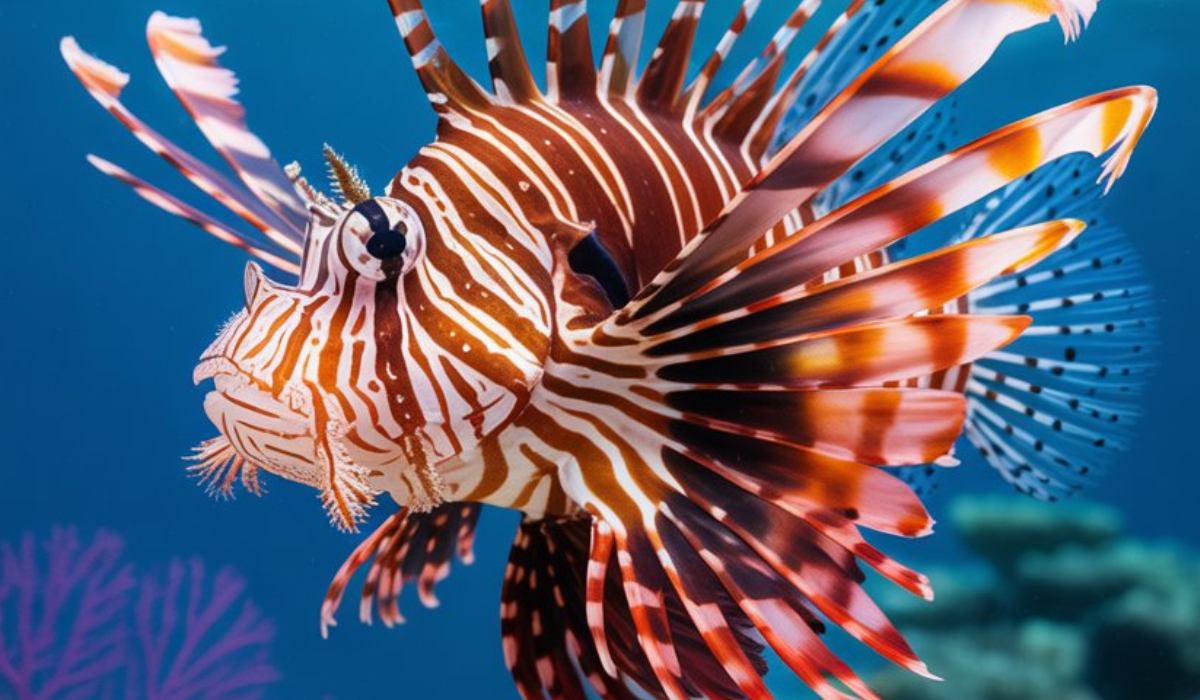
Lionfish are among the most visually striking fish found in the marine aquarium hobby. With their flowing fins, bold stripes, and graceful swimming style, lionfish instantly become the focal point of any saltwater tank. Despite their beauty, lionfish require specialized care and are best suited for aquarists who understand their unique needs, behavior, and potential risks.
This detailed guide explores everything you need to know about lionfish, including types, tank setup, feeding habits, behavior, compatibility, and long-term care.
What Is a Lionfish
Lionfish are marine fish belonging to the genus Pterois. They are native to the Indo-Pacific region but have become well-known worldwide due to their appearance and presence in aquariums. Lionfish are carnivorous predators that rely on stealth and ambush techniques to catch prey.
They are famous for their long venomous spines, which serve as a defense mechanism against predators.
Physical Appearance of Lionfish
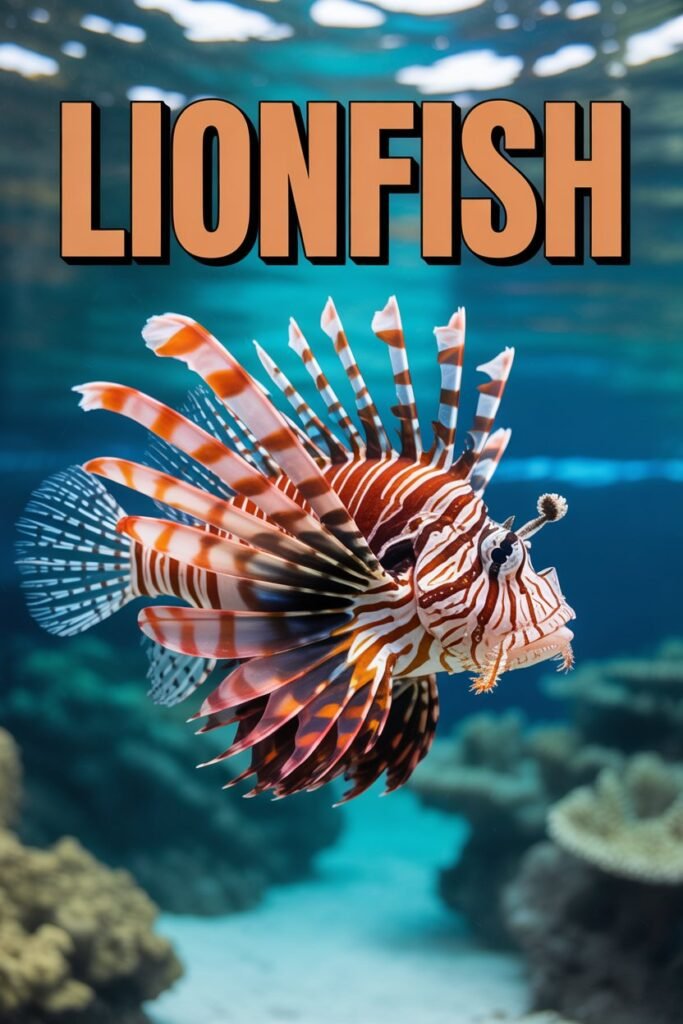
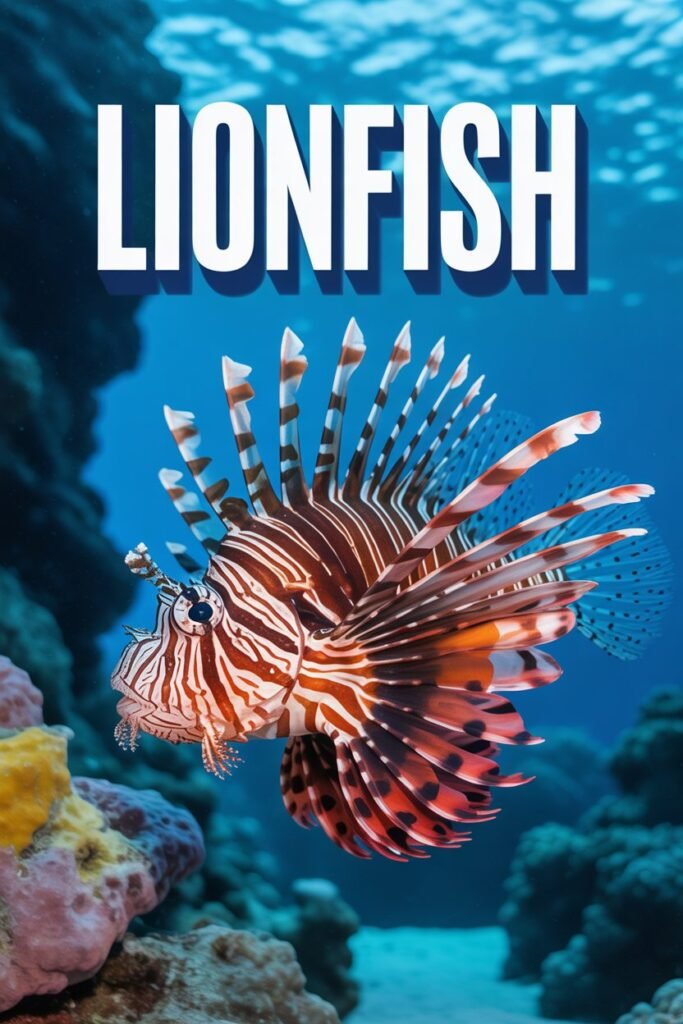
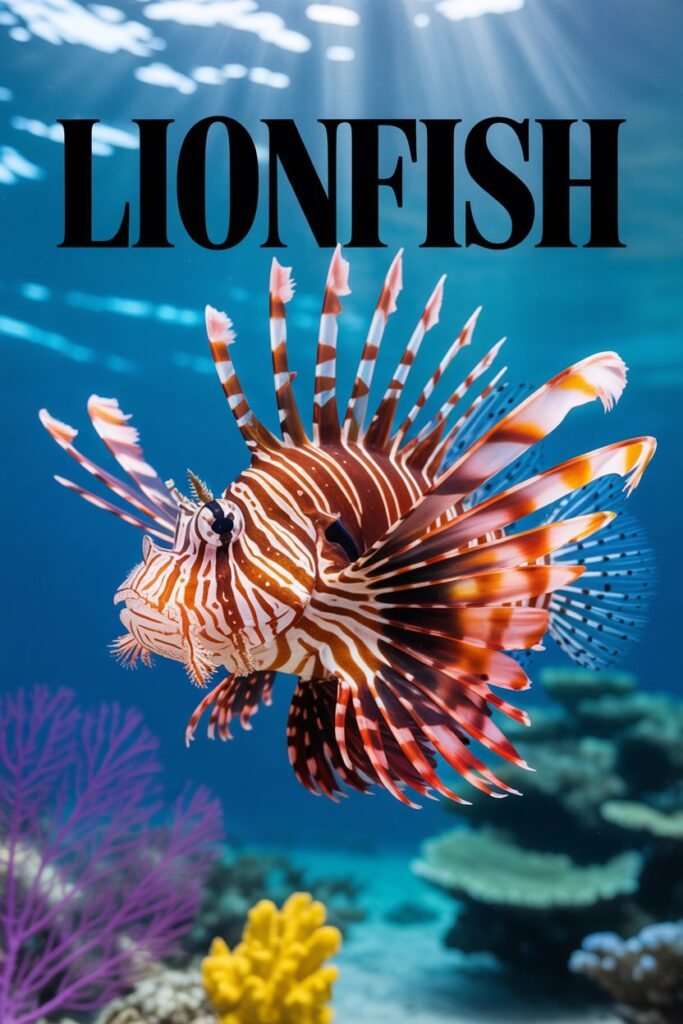
Lionfish have elongated bodies with dramatic fan-like pectoral fins and spiny dorsal fins. Their coloration typically features bold stripes in shades of red, brown, white, or black.
Their elegant movement gives them a floating, almost hypnotic presence in the aquarium.
Popular Types of Lionfish
There are several species of lionfish commonly kept in aquariums, each with slightly different characteristics.
Volitan Lionfish
The Volitan Lionfish is the most popular and recognizable species. It grows large and has long, flowing fins.
Dwarf Lionfish
Dwarf Lionfish species remain smaller in size and are better suited for moderately sized aquariums.
Fu Manchu Lionfish
This unique species is known for its facial appendages and more reclusive behavior.
Radiata Lionfish
Radiata Lionfish have shorter fins and a more compact appearance compared to Volitan types.
Natural Habitat of Lionfish
Lionfish inhabit coral reefs, lagoons, and rocky areas in warm ocean waters. They prefer areas with hiding spots where they can rest during the day and hunt at night.
This natural behavior influences their need for caves and shaded areas in aquariums.
Tank Size Requirements for Lionfish
Lionfish require spacious aquariums due to their size and fin span. A large tank allows them to swim comfortably and reduces stress.
Smaller species require less space, but all lionfish benefit from ample room.
Aquarium Setup for Lionfish
A lionfish tank should include strong filtration, stable water conditions, and plenty of hiding places. Live rock or artificial caves provide shelter and reduce stress.
Open swimming space is equally important to accommodate their graceful movement.
Water Conditions for Lionfish
Stable water quality is essential for lionfish health. Clean, well-oxygenated water supports their immune system and appetite.
Regular maintenance ensures long-term success.
Filtration and Water Flow
Lionfish prefer moderate water flow. Excessively strong currents can stress them and interfere with their swimming style.
Efficient filtration is crucial due to their carnivorous diet and waste production.
Diet and Feeding Habits
Lionfish are strict carnivores and require a protein-rich diet. They naturally feed on small fish and crustaceans.
In aquariums, they can be trained to accept prepared foods, but patience is required.
Feeding Frequency and Techniques
Lionfish should be fed carefully to avoid overfeeding. Target feeding helps ensure they receive adequate nutrition without polluting the tank.
Slow feeding methods align with their natural hunting behavior.
Behavior and Temperament
Lionfish are generally calm and slow-moving but are effective predators. They are not aggressive in the traditional sense but will consume any fish that fits in their mouth.
Their venomous spines are defensive, not offensive.
Compatibility with Other Fish
Lionfish are not suitable for community reef tanks. Tank mates must be large enough to avoid being eaten and peaceful enough to coexist.
Compatibility planning is critical to prevent losses.
Table: Lionfish Overview
| Feature | Description |
|---|---|
| Water Type | Saltwater |
| Diet | Carnivorous |
| Temperament | Predatory but calm |
| Tank Size | Medium to large |
| Skill Level | Intermediate to advanced |
Venomous Spines and Safety
Lionfish possess venomous dorsal, anal, and pelvic spines. While not aggressive, they can sting if threatened or mishandled.
Aquarists should exercise caution during tank maintenance.
Health and Disease Prevention
Lionfish are hardy when kept in stable conditions. Stress from poor water quality or improper diet can lead to illness.
Preventive care and observation are essential.
Common Mistakes When Keeping Lionfish
One common mistake is housing lionfish in tanks that are too small. Another is mixing them with incompatible or smaller fish.
Improper feeding techniques also lead to nutritional issues.
Lionfish Growth and Lifespan
Lionfish can live for many years with proper care. They grow steadily and require long-term commitment from their keeper.
Adequate space and consistent maintenance contribute to longevity.
Are Lionfish Suitable for Beginners
Lionfish are not recommended for complete beginners due to their dietary needs and venomous spines. However, dedicated aquarists with basic marine experience can succeed.
Research and preparation are key.
Long-Term Care Tips
Maintain stable water parameters, provide a varied carnivorous diet, and ensure a stress-free environment. Avoid sudden changes in tank conditions.
Observation helps catch problems early.
Final Thoughts on Lionfish
Lionfish are stunning, graceful, and fascinating marine fish that command attention in any aquarium. While they require careful planning and respect, they reward experienced aquarists with unmatched beauty and presence.
For those prepared to meet their needs, lionfish are a truly impressive addition to a saltwater aquarium.
Frequently Asked Questions
Are lionfish dangerous to humans?
They are venomous but not aggressive.
Can lionfish live with other fish?
Yes, if tank mates are large and compatible.
Do lionfish need live food?
They can be trained to eat prepared foods.
Are lionfish reef-safe?
They are not ideal for reef tanks.
How big do lionfish get?
Some species grow quite large.
Are lionfish hard to care for?
They require intermediate to advanced experience.
Do lionfish recognize feeding routines?
Yes, they quickly learn feeding patterns.