
 By admin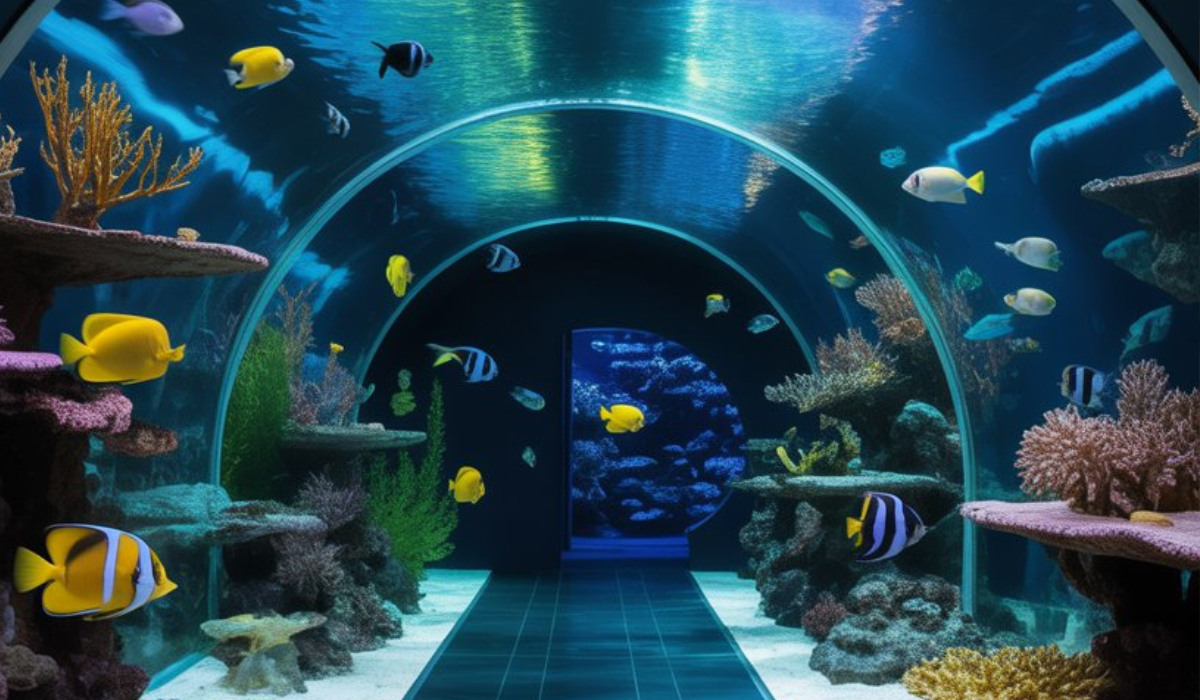
Aquarium architecture is the thoughtful integration of aquariums into built environments in a way that balances aesthetics, structural safety, and aquatic life needs. Unlike standard fish tanks placed on stands, architectural aquariums are designed as part of the space itself. They can be embedded into walls, floors, ceilings, furniture, and even large public structures. This concept transforms aquariums from decorative objects into living architectural elements that enhance both residential and commercial spaces.
Modern aquarium architecture combines interior design, engineering, biology, and lighting design. When executed correctly, it creates a calming visual experience while maintaining a healthy ecosystem for fish and plants. From luxury homes to hotels, offices, restaurants, and public buildings, aquarium architecture has become a symbol of sophistication and harmony with nature.
Evolution of Aquarium Architecture
Early aquariums were simple glass boxes used mainly for observation. As materials improved and design trends evolved, aquariums began appearing in public spaces such as museums and aquariums with large viewing panels. Over time, architects and designers realized the emotional and visual impact of water and marine life on human environments.
Today, aquarium architecture focuses on seamless integration. Frameless glass, hidden filtration systems, and custom-built tanks allow aquariums to function as walls, room dividers, and focal points. Advances in acrylic technology have made it possible to create massive curved and panoramic aquariums that were once impossible.
Types of Aquarium Architecture
Aquarium architecture can be categorized based on placement, scale, and function. Each type serves a different design purpose and requires specific planning considerations.
Built-In Wall Aquariums
Wall-integrated aquariums are among the most popular architectural styles. These tanks are recessed into walls and visible from one or both sides. They save floor space and create a clean, modern look. Double-sided wall aquariums are often used between living rooms and dining areas or between offices and meeting rooms.
Room Divider Aquariums
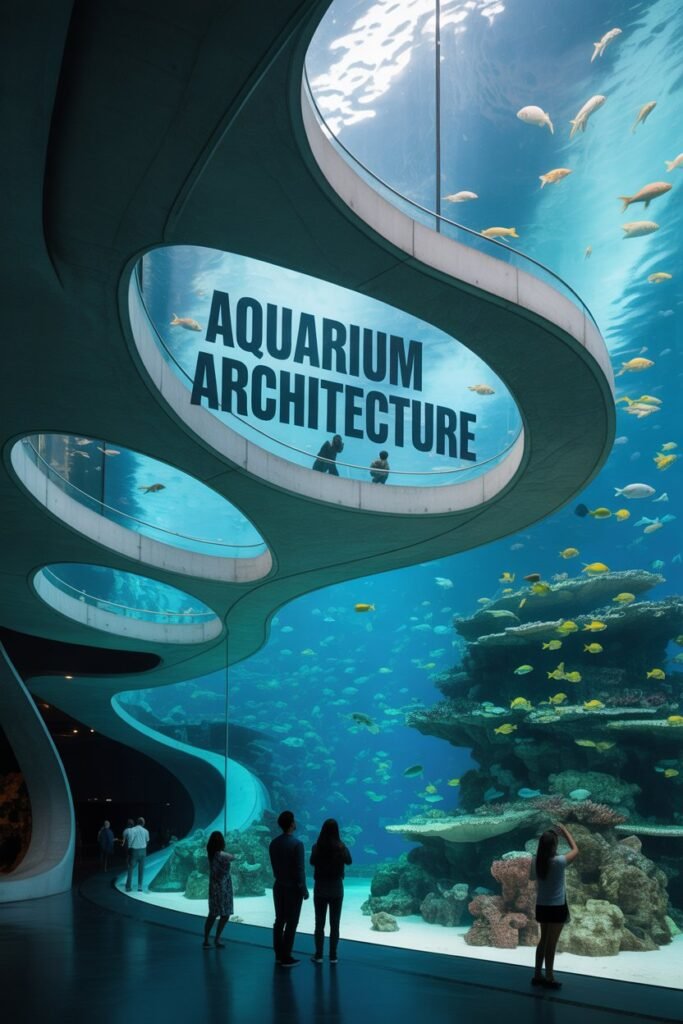
Room divider aquariums replace traditional partitions. They allow light to pass through while visually separating spaces. This type of aquarium architecture is commonly used in open-plan homes, luxury apartments, and hotels. It creates a sense of openness while maintaining functional zoning.
Floor and Ceiling Aquariums
Floor aquariums are rare but striking. Built with reinforced glass or acrylic, they allow people to walk over aquatic displays safely. Ceiling-mounted aquariums, often seen in high-end commercial spaces, create dramatic visual impact but require advanced structural support and maintenance access.
Aquarium Furniture Integration
Aquariums can be integrated into furniture such as cabinets, kitchen islands, bars, and reception desks. This approach blends functionality with visual appeal and is ideal for compact spaces where every element must serve a purpose.
Large-Scale Public Aquarium Architecture
Public aquariums involve massive tanks designed for high visitor traffic and large marine species. These structures require complex life-support systems, reinforced foundations, and careful visitor flow planning. The architectural design often focuses on immersive experiences, such as tunnel aquariums and panoramic viewing windows.
Key Design Principles in Aquarium Architecture
Successful aquarium architecture is not just about appearance. It must prioritize the health of aquatic life while ensuring long-term structural integrity.
Structural Safety
Water is extremely heavy, and even small architectural aquariums place significant load on floors and walls. Architects must calculate weight distribution and use reinforced materials where necessary. Acrylic is often preferred over glass for large installations due to its strength and flexibility.
Life Support and Filtration Planning
Hidden filtration, plumbing, and electrical systems are essential in architectural aquariums. These systems must be accessible for maintenance without disrupting the design. Poor planning can lead to difficult servicing and compromised water quality.
Lighting Integration
Lighting is both a design and biological requirement. Architectural aquariums often use concealed LED systems that highlight fish and plants while blending with ambient room lighting. Proper light placement enhances colors and reduces algae growth.
Viewing Angles and Human Interaction
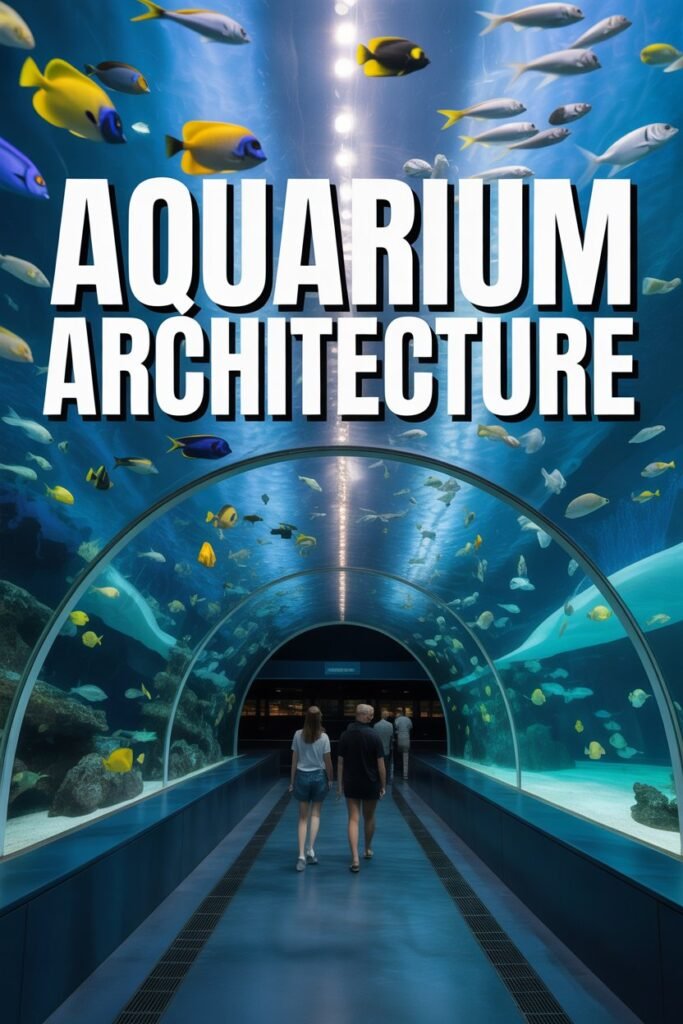
Aquarium architecture considers how people move through a space and view the aquarium from different angles. Sightlines, reflections, and background materials all affect the viewing experience. Matte finishes and controlled lighting help minimize glare.
Materials Used in Aquarium Architecture
Material selection directly affects durability, clarity, and safety.
| Material | Common Use | Key Advantages |
|---|---|---|
| Glass | Small to medium tanks | Clear, scratch-resistant, affordable |
| Acrylic | Large and curved aquariums | Lightweight, strong, flexible design |
| Stainless Steel | Frames and supports | Corrosion-resistant, durable |
| Marine-Grade Wood | Cabinetry and surrounds | Moisture-resistant, aesthetic |
| Silicone Sealants | Joints and edges | Waterproof, flexible, long-lasting |
Choosing the right materials ensures longevity and reduces maintenance issues.
Residential Aquarium Architecture
In homes, aquarium architecture is often used to create a focal point or a calming atmosphere. Living room wall aquariums, staircase aquariums, and bedroom feature tanks are popular choices. Homeowners increasingly prefer minimalist designs where the aquarium blends naturally with interior decor.
For residential projects, freshwater aquariums are more common due to easier maintenance, but saltwater reef tanks are also used in luxury homes where professional maintenance is available.
Commercial and Hospitality Applications
Hotels, offices, shopping centers, and restaurants use aquarium architecture to enhance brand identity and customer experience. Aquariums create a sense of tranquility, reduce stress, and encourage longer stays. In offices, they are often placed in lobbies or relaxation areas to promote a calm working environment.
Restaurants and lounges use aquariums as visual attractions, but designers must ensure proper placement to avoid heat, vibration, and excessive noise that could harm aquatic life.
Sustainability in Aquarium Architecture
Modern aquarium architecture increasingly emphasizes sustainability. Energy-efficient pumps, LED lighting, and water-saving filtration systems reduce environmental impact. Some advanced systems recycle water and use natural biological filtration methods to maintain balance.
Sustainable design also includes ethical fish sourcing and tank designs that meet species-specific needs, reducing stress and improving lifespan.
Maintenance Considerations
Architectural aquariums require planned maintenance access. Designers often include hidden service panels, rear access rooms, or modular components. Regular maintenance is essential to prevent algae buildup, equipment failure, and water quality issues.
A well-designed aquarium architecture project minimizes daily effort while allowing periodic deep maintenance without disrupting the space.
The Emotional and Psychological Impact
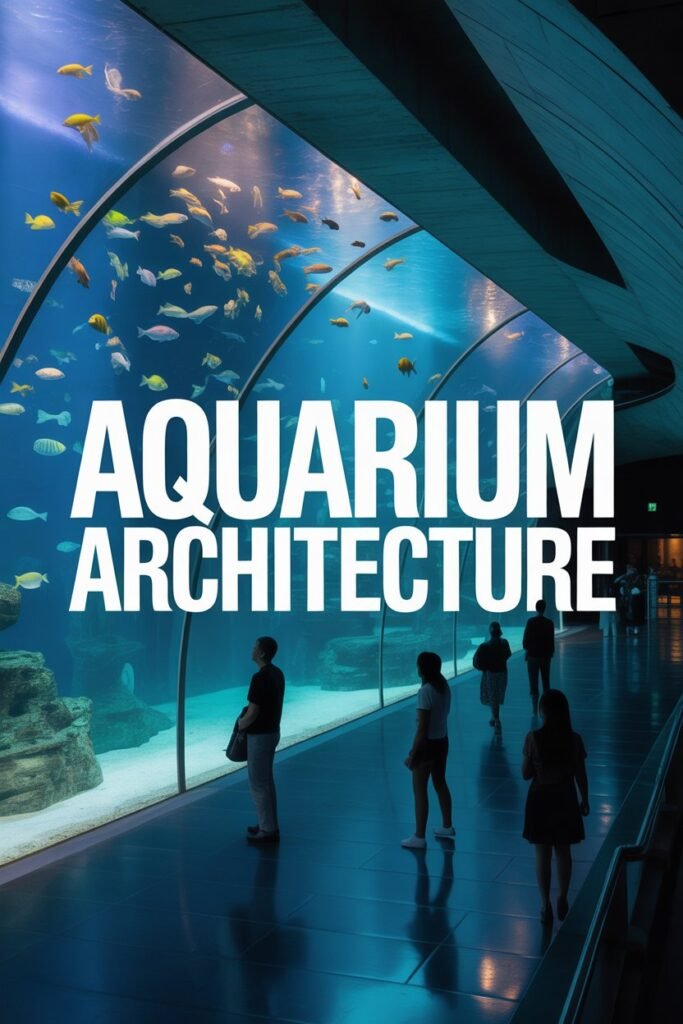
Aquariums have proven calming effects. Architectural aquariums amplify this benefit by becoming part of daily environments. The movement of fish, sound of water, and natural colors contribute to stress reduction and improved mood. This makes aquarium architecture especially valuable in healthcare facilities, offices, and homes.
Future Trends in Aquarium Architecture
The future of aquarium architecture includes smart monitoring systems, automated maintenance, and interactive displays. Designers are experimenting with curved walls, 360-degree tanks, and mixed-media installations combining aquariums with digital art.
As biophilic design becomes more popular, aquariums will continue to play a role in connecting people with nature inside built environments.
Frequently Asked Questions
What is aquarium architecture?
Aquarium architecture is the integration of aquariums into the structural and design elements of a building rather than treating them as standalone objects.
Is aquarium architecture suitable for homes?
Yes, many residential designs include wall aquariums, room dividers, and furniture-integrated tanks, provided structural and maintenance needs are properly planned.
Are architectural aquariums safe?
When designed by professionals using proper materials and structural calculations, architectural aquariums are safe and durable.
What type of aquarium is best for architectural designs?
Freshwater aquariums are easier to maintain, while saltwater and reef aquariums offer higher visual impact but require advanced care.
How much maintenance do architectural aquariums need?
Maintenance depends on size and type, but most require regular cleaning, water testing, and equipment checks to remain healthy and visually appealing.
Can aquarium architecture be eco-friendly?
Yes, using energy-efficient equipment, sustainable materials, and ethical fish sourcing makes aquarium architecture environmentally responsible.
Do architectural aquariums increase property value?
Well-designed aquarium architecture can enhance visual appeal and perceived luxury, which may positively influence property value.