
 By admin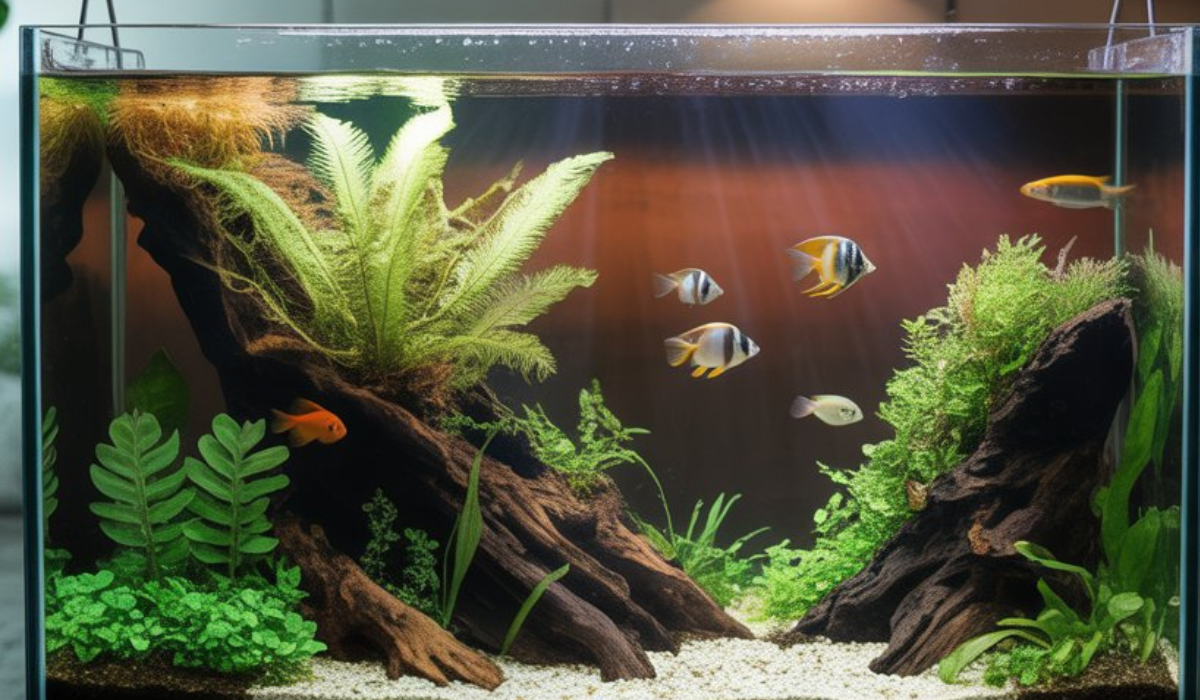
A blackwater aquarium is a unique type of freshwater setup designed to replicate the dark, tannin-rich waters found in natural habitats like the Amazon River basin and Southeast Asian forests. Unlike crystal-clear aquariums, blackwater tanks feature slightly tinted water, natural leaf litter, driftwood, and soft lighting that create a calm, earthy atmosphere. Many aquarists are drawn to blackwater aquariums because of their natural beauty, low-stress environment for fish, and ability to recreate authentic ecosystems at home.
This style of aquarium focuses on simplicity, realism, and biological balance rather than bright decorations or artificial colors. Whether you are a beginner looking for a low-maintenance idea or an advanced hobbyist interested in biotope aquascaping, a blackwater aquarium offers a rewarding and visually soothing experience.
What Is a Blackwater Aquarium
A blackwater aquarium is inspired by natural environments where decomposing leaves, wood, and organic matter release tannins into the water. These tannins create a tea-colored appearance and slightly acidic conditions that many tropical fish prefer. The goal is not to make dirty water but to create a natural, healthy ecosystem that closely mirrors real-world habitats.
In nature, blackwater environments are often shaded by dense tree canopies, which means lower light levels and fewer aquatic plants. Instead of vibrant green landscapes, blackwater aquariums focus on textures, wood structures, and subtle contrasts.
Why Choose a Blackwater Aquarium
One of the biggest advantages of a blackwater aquarium is the calm and natural atmosphere it creates. Many fish species feel more secure in darker environments, showing improved coloration and more natural behavior. The tannins released by botanicals can also provide mild antibacterial properties and help reduce stress in sensitive fish.
Another reason aquarists choose blackwater setups is their aesthetic appeal. The warm amber tones, natural driftwood shapes, and soft lighting create a peaceful visual that blends beautifully with modern home interiors.
Key Elements of Blackwater Aquarium Design

Designing a successful blackwater aquarium requires understanding its core components. Each element contributes to the overall look and ecological balance.
Driftwood and Natural Hardscape
Driftwood is one of the most important features in a blackwater aquarium. It provides structure, hiding spaces, and a natural source of tannins. Branching wood pieces create depth and mimic fallen trees found in rainforest rivers.
Leaf Litter and Botanicals
Dried leaves such as Indian almond leaves, oak leaves, and other safe botanicals are used to create an authentic blackwater environment. These leaves slowly release tannins and provide grazing surfaces for shrimp and microorganisms.
Substrate Choices
Dark sand or fine gravel works best for blackwater aquariums. A darker substrate enhances the natural look and helps fish feel more secure. Many aquarists prefer simple substrates without nutrient-rich layers since heavy plant growth is not the main focus.
Soft Lighting
Blackwater aquariums typically use dim or warm-toned lighting to replicate shaded forest waters. Strong lighting can reduce the natural effect and may cause excessive algae growth.
Fish Species Ideal for Blackwater Aquariums
Not all fish thrive in blackwater conditions, so selecting compatible species is important. Many small tropical fish come from tannin-rich habitats and display vibrant colors against the darker background.
Here is a simple guide to popular blackwater aquarium fish:
| Fish Species | Temperament | Ideal Group Size | Special Notes |
|---|---|---|---|
| Neon Tetra | Peaceful | 8 or more | Colors stand out in dark water |
| Cardinal Tetra | Peaceful | 8 or more | Prefers soft acidic conditions |
| Betta Fish | Semi-aggressive | Single | Thrives in calm environments |
| Dwarf Gourami | Peaceful | Pair or small group | Enjoys shaded tanks |
| Pencilfish | Peaceful | 6 or more | Natural Amazon species |
| Apistogramma Cichlids | Semi-peaceful | Pair | Ideal for biotope setups |
Choosing fish that naturally live in blackwater conditions ensures better health and behavior.
Plants in a Blackwater Aquarium
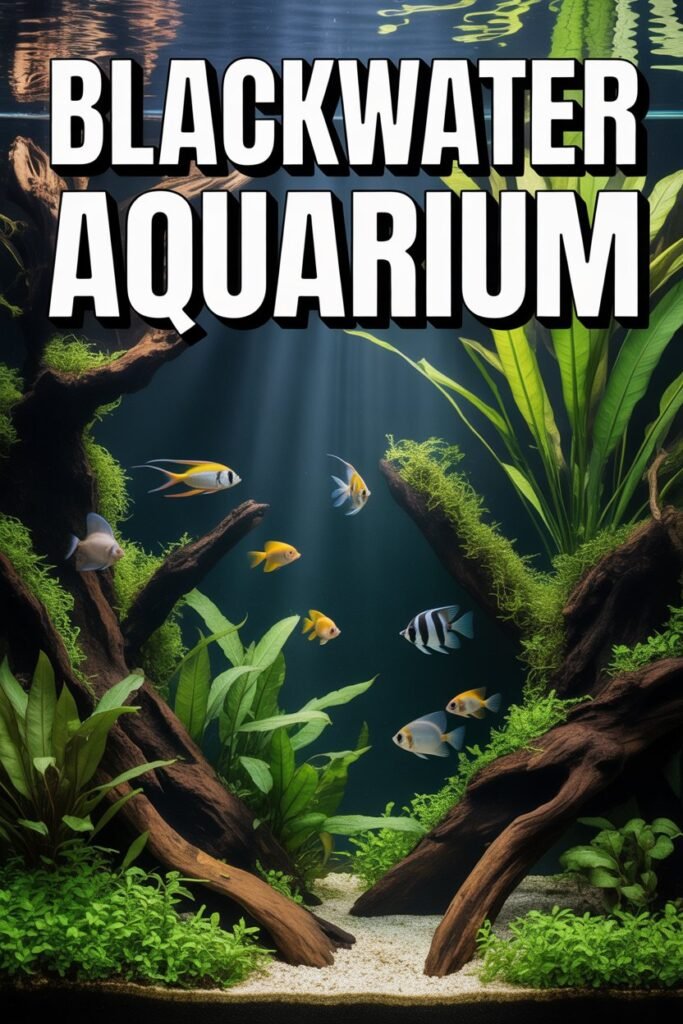
Unlike heavily planted aquascapes, blackwater aquariums often feature minimal plant life. Many natural blackwater habitats have few aquatic plants due to low light and nutrient levels. However, certain low-light plants can still be included.
Anubias, java fern, and floating plants work well because they tolerate dim lighting. Floating plants can also help diffuse light, enhancing the natural look.
Water Parameters for Blackwater Tanks
Maintaining the right water conditions is essential for a thriving blackwater aquarium. The goal is to create soft, slightly acidic water similar to rainforest streams.
Typical water parameters include a temperature between 24 and 28 degrees Celsius, a pH level between 5.5 and 7.0, and low to moderate hardness. Stability is more important than achieving exact numbers, so gradual adjustments are recommended.
Creating a Natural Blackwater Aesthetic
A successful blackwater aquarium focuses on subtle beauty rather than bright colors. Layering driftwood, scattering leaves naturally, and leaving open swimming space creates a realistic layout.
Avoid symmetrical designs. Nature-inspired arrangements with uneven placement look more authentic. Using a dark background enhances depth and makes fish colors more vibrant.
Benefits of Tannins in Blackwater Aquariums
Tannins are often misunderstood by beginners who associate tinted water with poor cleanliness. In reality, tannins provide several benefits. They can help reduce stress in fish, lower pH naturally, and create a more comfortable environment for species that prefer softer water.
The amber color also softens harsh lighting and creates a warm, natural glow that many aquarists find visually appealing.
Maintenance Tips for Blackwater Aquariums
Blackwater aquariums are often easier to maintain than heavily planted tanks because they require less trimming and fertilization. Regular water changes are still important to maintain stability.
Leaves and botanicals should be replaced periodically as they break down. Monitoring water parameters helps ensure that acidity levels remain stable. Gentle filtration is recommended to preserve the natural look while maintaining water quality.
Blackwater Aquarium Ideas for Different Tank Sizes
Blackwater setups can be adapted to tanks of all sizes. Small nano tanks can feature a single piece of driftwood and a few leaves, creating a simple yet striking display. Medium tanks allow for layered wood structures and small schooling fish. Large aquariums provide space for complex biotope designs with multiple fish species and intricate hardscape layouts.
Blackwater Aquarium vs Traditional Planted Aquarium
Many hobbyists wonder how blackwater aquariums differ from traditional planted tanks. The biggest difference lies in visual style and maintenance focus.
Traditional planted aquariums emphasize bright lighting, dense greenery, and nutrient-rich substrates. Blackwater aquariums focus on natural materials, softer lighting, and minimal plant growth. Both styles have their own appeal, and some aquarists combine elements of both for a unique look.
Beginner-Friendly Blackwater Aquarium Setup Steps
Starting a blackwater aquarium does not require complicated equipment. Begin with a properly sized tank and reliable filtration system. Add dark substrate, arrange driftwood, and introduce botanicals gradually.
Fill the tank with conditioned water and allow it to cycle before adding fish. Observe how the water color changes over time as tannins release. Patience is important, as the natural appearance develops gradually.
Common Mistakes to Avoid
One common mistake is adding too many botanicals at once, which can drastically lower pH levels. It is better to introduce leaves slowly and monitor water chemistry. Another mistake is using strong lighting, which disrupts the natural aesthetic.
Overcleaning is also unnecessary. A slight tint to the water is normal and beneficial, so avoid trying to keep the tank crystal clear at all times.
Blackwater Aquarium for Home Décor
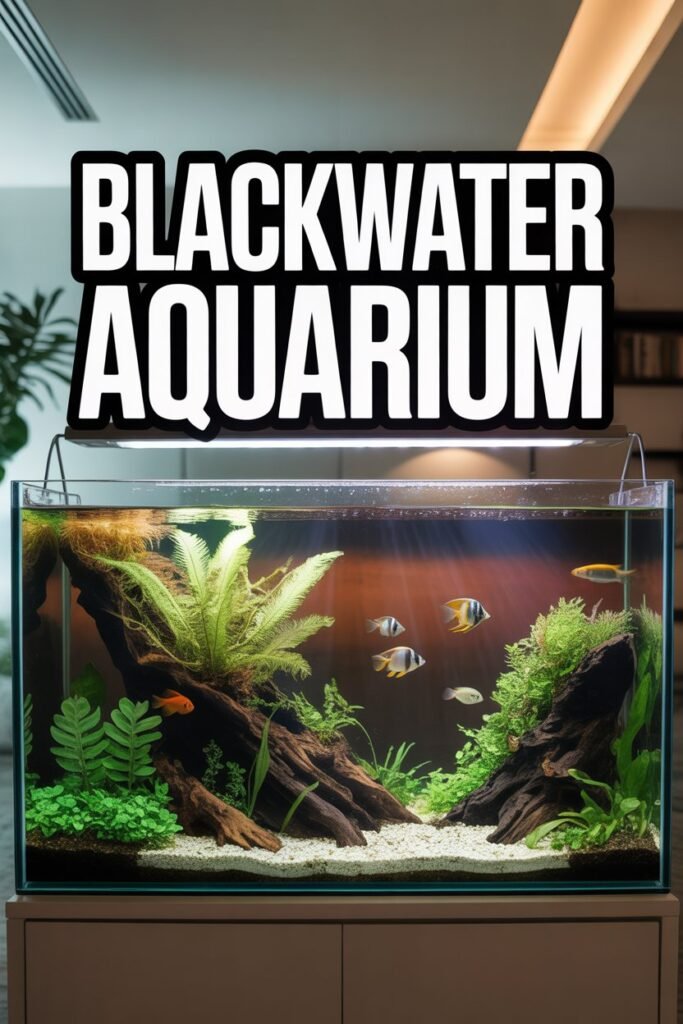
Blackwater aquariums fit beautifully into modern interior design trends. Their warm tones and natural textures complement wooden furniture, neutral color palettes, and minimalist décor styles. Many homeowners choose blackwater aquariums as a calming focal point in living rooms or offices.
Soft lighting and natural materials create a relaxing ambiance that blends seamlessly with contemporary spaces.
Future Trends in Blackwater Aquariums
As aquascaping evolves, more hobbyists are exploring biotope-style aquariums that replicate specific natural habitats. Blackwater aquariums are becoming increasingly popular due to their authenticity and relatively simple maintenance.
Innovations such as adjustable lighting systems, automated water monitoring, and sustainable botanical sourcing are shaping the future of blackwater aquarium design.
Frequently Asked Questions
Is blackwater aquarium water dirty or unsafe?
No, the tinted color comes from natural tannins and does not mean the water is dirty. Proper filtration and maintenance keep the aquarium healthy.
Do blackwater aquariums need special fish?
Fish that come from soft, acidic environments are ideal, but many peaceful tropical species adapt well to blackwater conditions.
Can beginners create a blackwater aquarium?
Yes, blackwater aquariums can be beginner-friendly if you start with hardy fish and add botanicals gradually.
How long do tannins last in the water?
Tannins slowly fade with water changes, so adding new leaves or driftwood helps maintain the desired color.
Are plants necessary in a blackwater aquarium?
Plants are optional. Many blackwater setups use minimal plant life and focus more on wood and leaves.
Does blackwater reduce algae growth?
Lower lighting and natural conditions often help reduce algae compared to high-light planted tanks.
What lighting works best for blackwater aquariums?
Soft, warm lighting or adjustable LED systems create a natural shaded effect that enhances the overall aesthetic.