
 By admin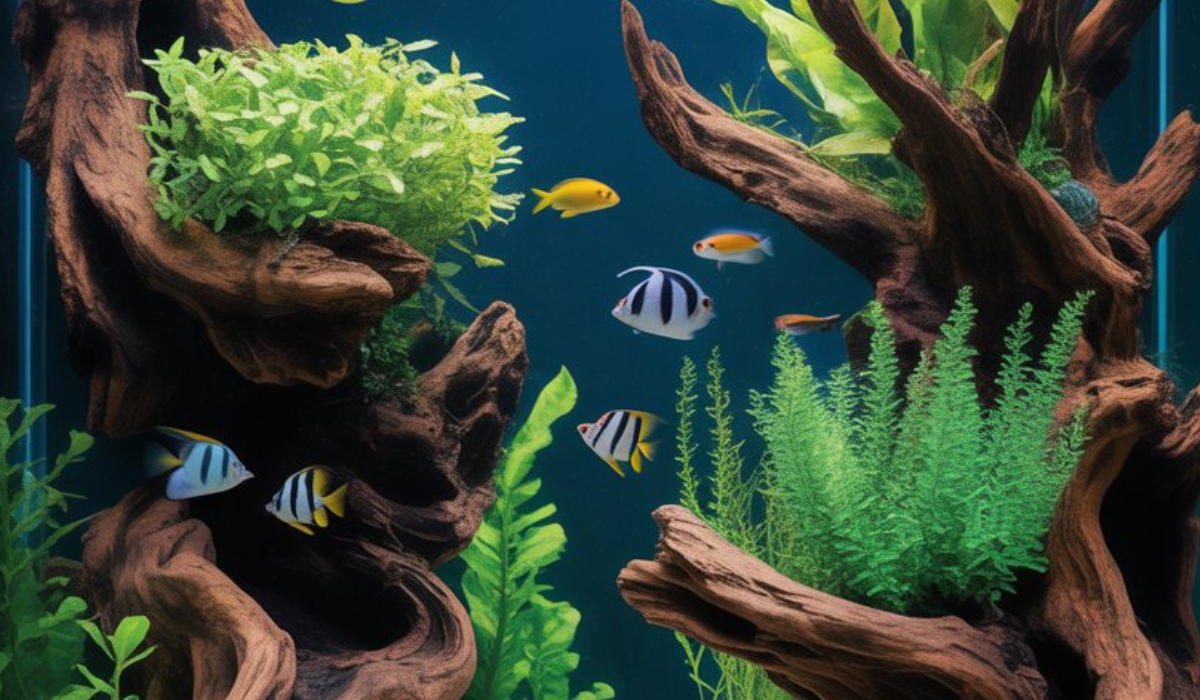
A wurzel aquarium is a nature-inspired aquarium design that focuses on driftwood roots as the main visual feature. The word “wurzel” means root, and this aquascaping style recreates the look of submerged tree roots found in tropical rivers and forest streams. Instead of heavy rock layouts or dense plant jungles, wurzel aquariums use twisting wood structures, soft lighting, and natural materials to create depth and realism.
This style has become popular among aquascapers because it blends artistic design with natural behavior. Fish feel secure around root structures, and the layout creates a calm, earthy atmosphere that fits beautifully into modern home décor.
What Makes a Wurzel Aquarium Unique
The main difference between a wurzel aquarium and other aquascapes is the dominance of driftwood. Roots are arranged to resemble fallen trees or mangrove systems. The design often includes open swimming areas combined with intricate wood patterns that create shadows and movement.
Unlike traditional planted aquariums where plants take center stage, wurzel layouts balance wood, subtle plants, and negative space. The result is a more natural and minimal aesthetic that feels authentic rather than decorative.
Choosing the Right Driftwood for a Wurzel Aquarium
Driftwood selection is the foundation of a successful root-style aquascape. Thin, branching pieces work best because they resemble natural roots. Spider wood, mangrove roots, and red moor wood are commonly used due to their complex shapes.
When arranging wood, it is helpful to think about flow and direction. Roots that angle upward create height, while horizontal pieces give the impression of submerged tree trunks. Combining different sizes adds realism and prevents the layout from looking artificial.
Substrate Ideas for Root Aquascapes
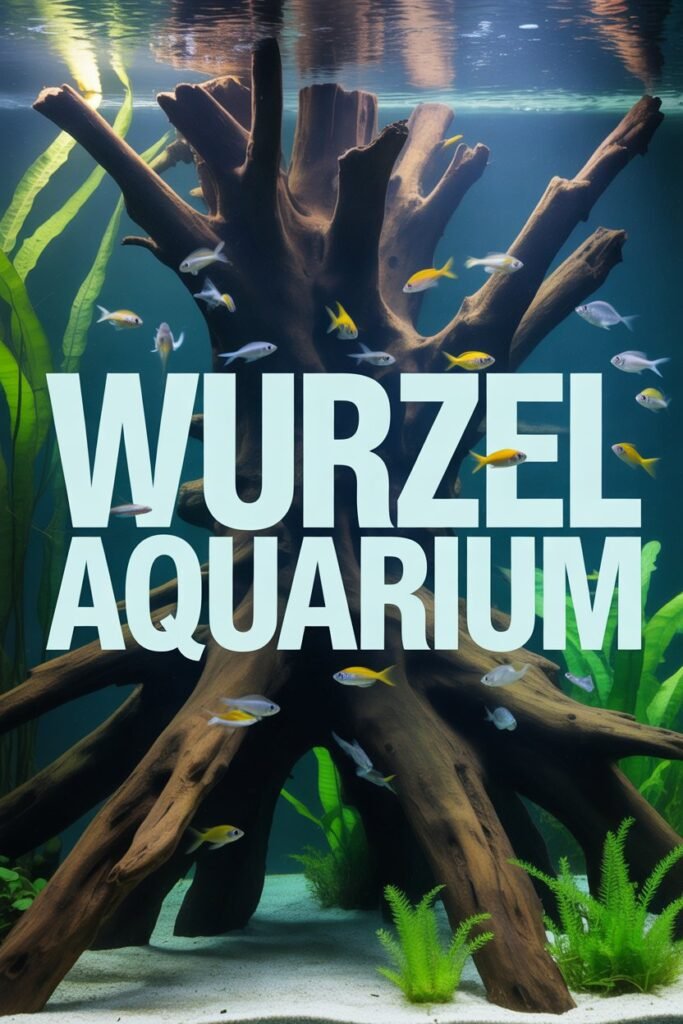
A natural-looking substrate enhances the wurzel theme. Fine sand or dark gravel works well because it resembles riverbeds. Some aquarists add scattered leaf litter or small botanicals to increase authenticity.
Keeping the substrate simple allows the wood structure to remain the main focal point. Avoid overly colorful materials that distract from the natural design.
Plant Choices for a Wurzel Aquarium
Plants in a wurzel aquarium are usually subtle and low-maintenance. Instead of dense carpets, aquascapers often attach plants directly to wood to emphasize the root effect.
Popular plant choices include anubias, java fern, bucephalandra, and various mosses. These plants grow slowly and complement the organic shapes of the driftwood. Floating plants can also be added to soften lighting and create a shaded environment similar to natural habitats.
Fish That Thrive in Wurzel Aquariums
Root-style aquariums are ideal for fish species that enjoy shelter and shaded areas. Small schooling fish look especially beautiful swimming between the branches.
Common choices include tetras, rasboras, pencilfish, betta fish, dwarf gouramis, and small cichlids such as apistogramma. Bottom dwellers like corydoras catfish also benefit from the natural hiding spots created by wood structures.
Blackwater Influence in Wurzel Designs
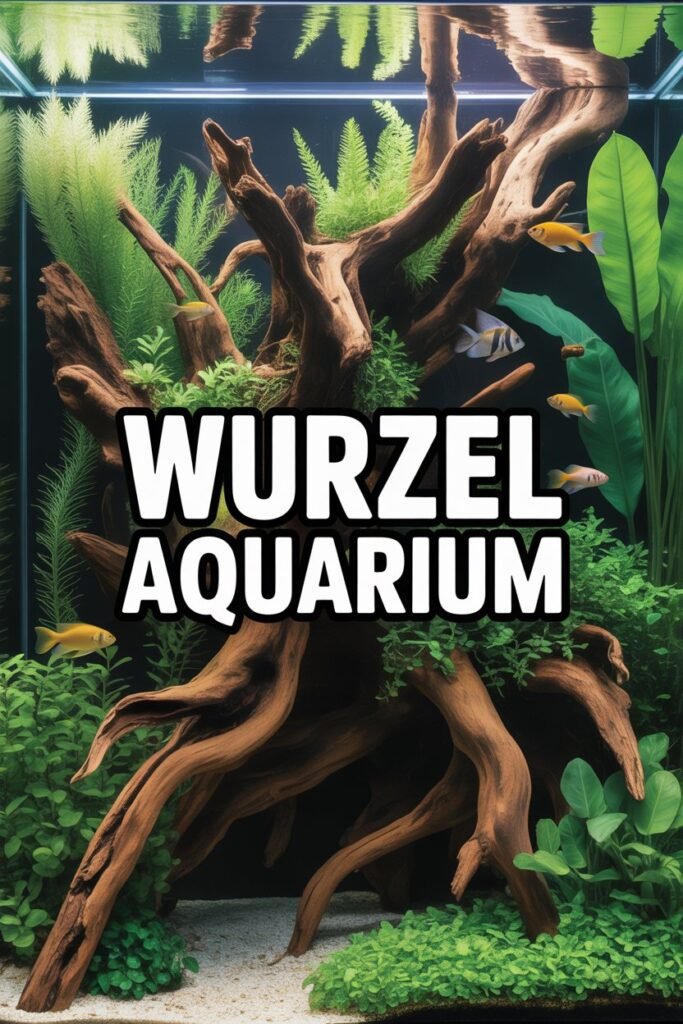
Many wurzel aquariums lean toward a blackwater aesthetic because driftwood naturally releases tannins into the water. This creates a soft amber tint that enhances the natural feel of the layout.
The combination of roots, leaf litter, and subdued lighting makes fish colors appear richer and more vibrant. While clear water setups are also possible, a slight tint often adds authenticity.
Layout Tips for a Natural Root Effect
Creating a convincing wurzel aquarium requires thoughtful composition. Start by placing the largest driftwood piece as the main anchor. Smaller roots can then be layered around it to create depth and movement.
Avoid perfect symmetry. Natural root systems are irregular, so uneven spacing looks more realistic. Leaving open areas allows fish to swim freely and prevents the tank from feeling overcrowded.
Lighting Ideas for Wurzel Aquascapes
Soft lighting works best in a root-themed aquarium. Bright lights can make the layout look artificial and may encourage algae growth. Warm or adjustable LED lighting enhances the wood texture and creates gentle shadows.
Positioning lights slightly toward the front of the tank can highlight the roots while keeping the background darker for added depth.
Maintenance and Long-Term Care
Wurzel aquariums are often easier to maintain than heavily planted tanks. Since plant growth is slower, trimming requirements are minimal. Regular water changes and gentle cleaning keep the environment healthy.
Driftwood may release tannins for several weeks or months, which is normal. Monitoring water parameters ensures stability, especially when adding new wood or botanicals.
Why Wurzel Aquariums Are Popular in Modern Aquascaping
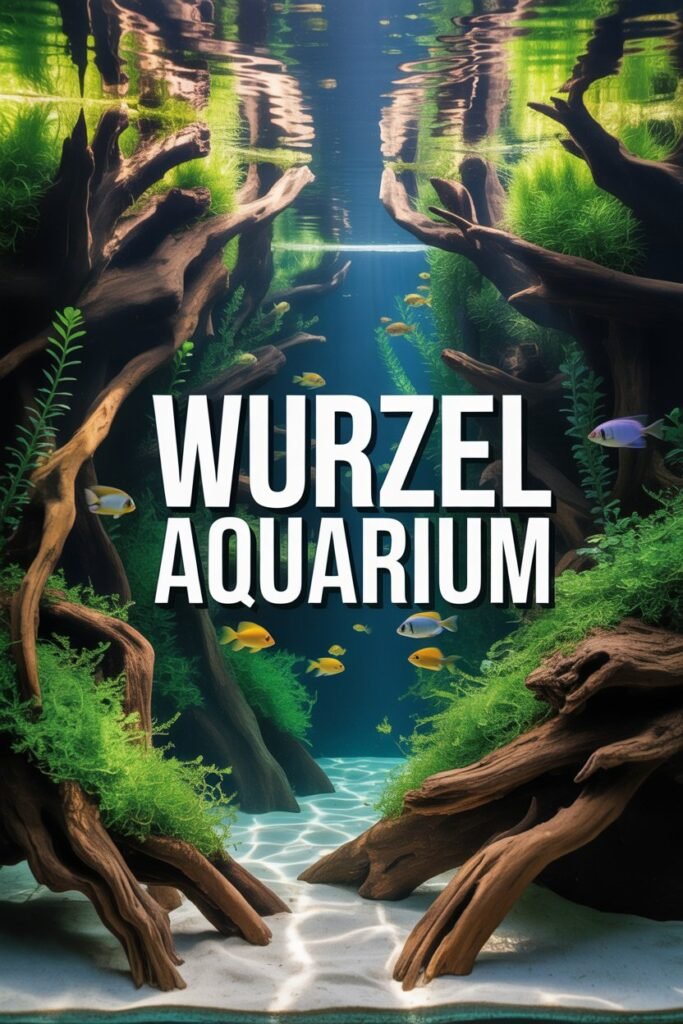
Many hobbyists choose wurzel aquariums because they combine artistic design with a natural atmosphere. The organic shapes of roots create a living sculpture inside the aquarium, making it both a decorative piece and a functional habitat.
This style also fits current interior design trends that emphasize natural materials and biophilic elements. A well-designed wurzel aquarium can transform a living room, office, or studio into a peaceful and visually engaging space.
Frequently Asked Questions
What does wurzel aquarium mean?
It refers to an aquarium design that focuses on root-like driftwood structures to create a natural underwater environment.
Is a wurzel aquarium suitable for beginners?
Yes, it can be beginner-friendly because it usually involves hardy plants and simple layouts.
Do wurzel aquariums need many plants?
No, plants are usually minimal and used mainly to complement the wood rather than dominate the design.
Can a wurzel aquarium be blackwater?
Yes, many root-style aquariums naturally develop a blackwater appearance due to tannins released from driftwood.
What fish look best in a wurzel aquascape?
Small schooling fish, bettas, dwarf gouramis, and peaceful cichlids are excellent choices.