
 By admin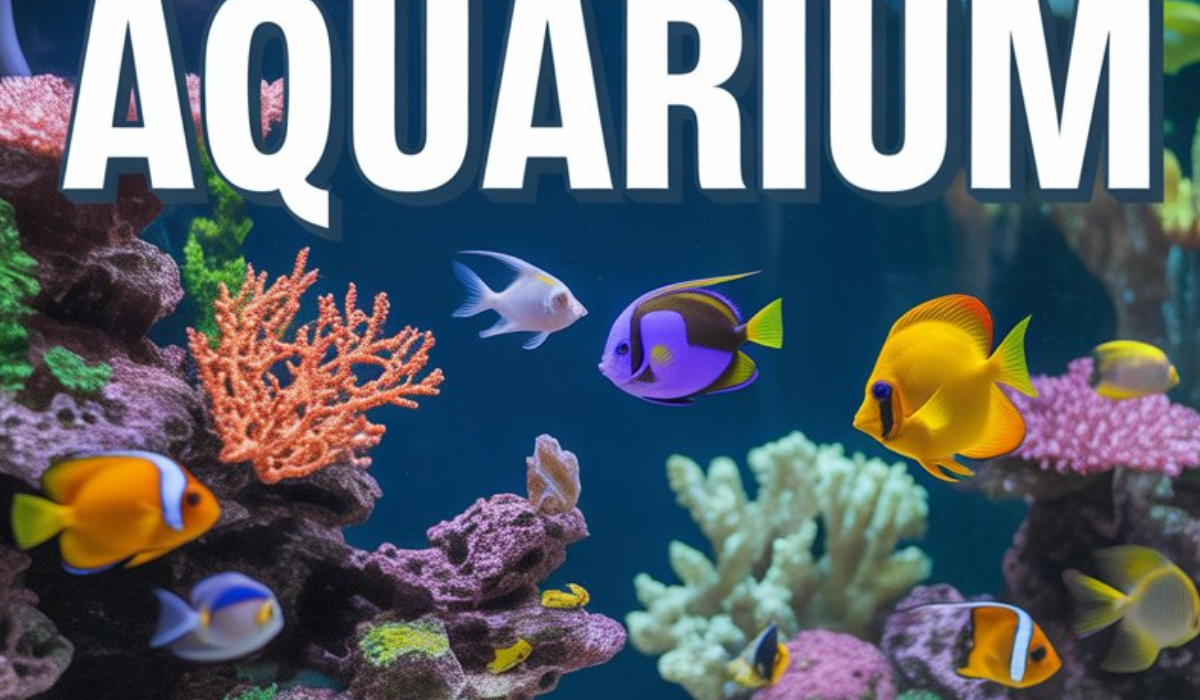
A salt water aquarium is one of the most visually stunning types of aquariums you can keep. Unlike freshwater tanks, marine aquariums recreate ocean environments filled with vibrant fish, live rock, and sometimes colorful corals. Many hobbyists are drawn to saltwater tanks because of iconic species like clownfish, tangs, and butterflyfish, along with the natural beauty of reef ecosystems. While marine aquariums require more planning and patience than freshwater setups, they can become breathtaking living displays when maintained properly.
Understanding the basics of water chemistry, filtration, and fish compatibility is essential before starting. With the right approach, even beginners can successfully maintain a healthy saltwater aquarium.
Types of Salt Water Aquariums
Fish-Only Salt Water Aquarium
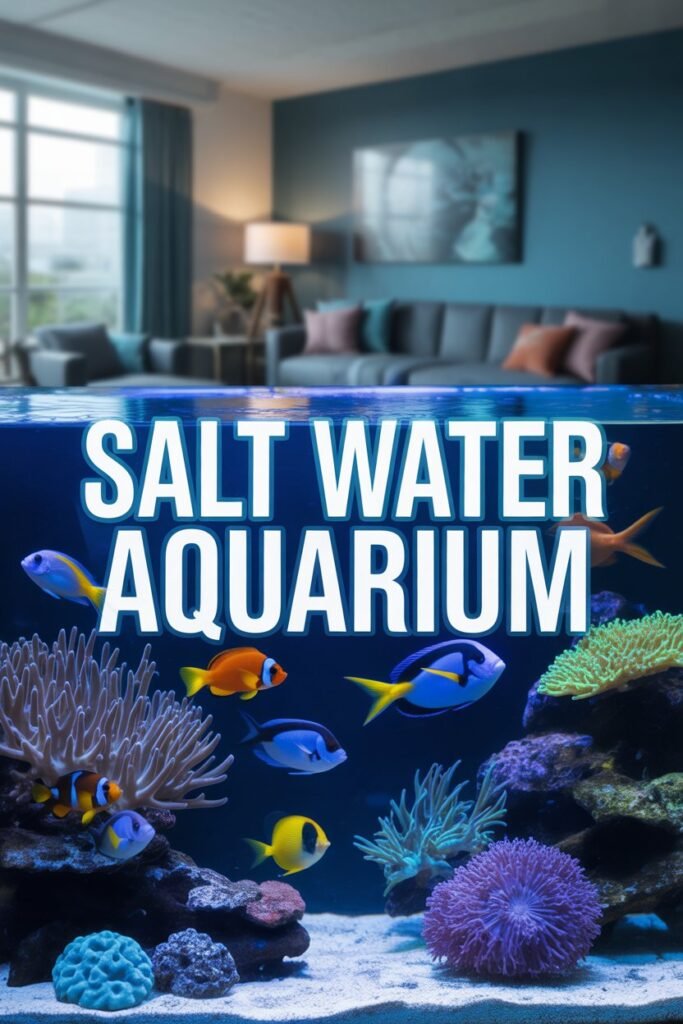
Fish-only tanks are the simplest marine setups. They focus on marine fish without live corals. Decorations usually include rocks or artificial reef structures. This type of aquarium is ideal for beginners because it requires less intense lighting and fewer water chemistry adjustments.
Fish Only With Live Rock (FOWLR)
FOWLR aquariums include natural live rock, which acts as both decoration and biological filtration. Live rock supports beneficial bacteria that help break down waste, making the tank more stable and natural-looking.
Reef Aquarium


4
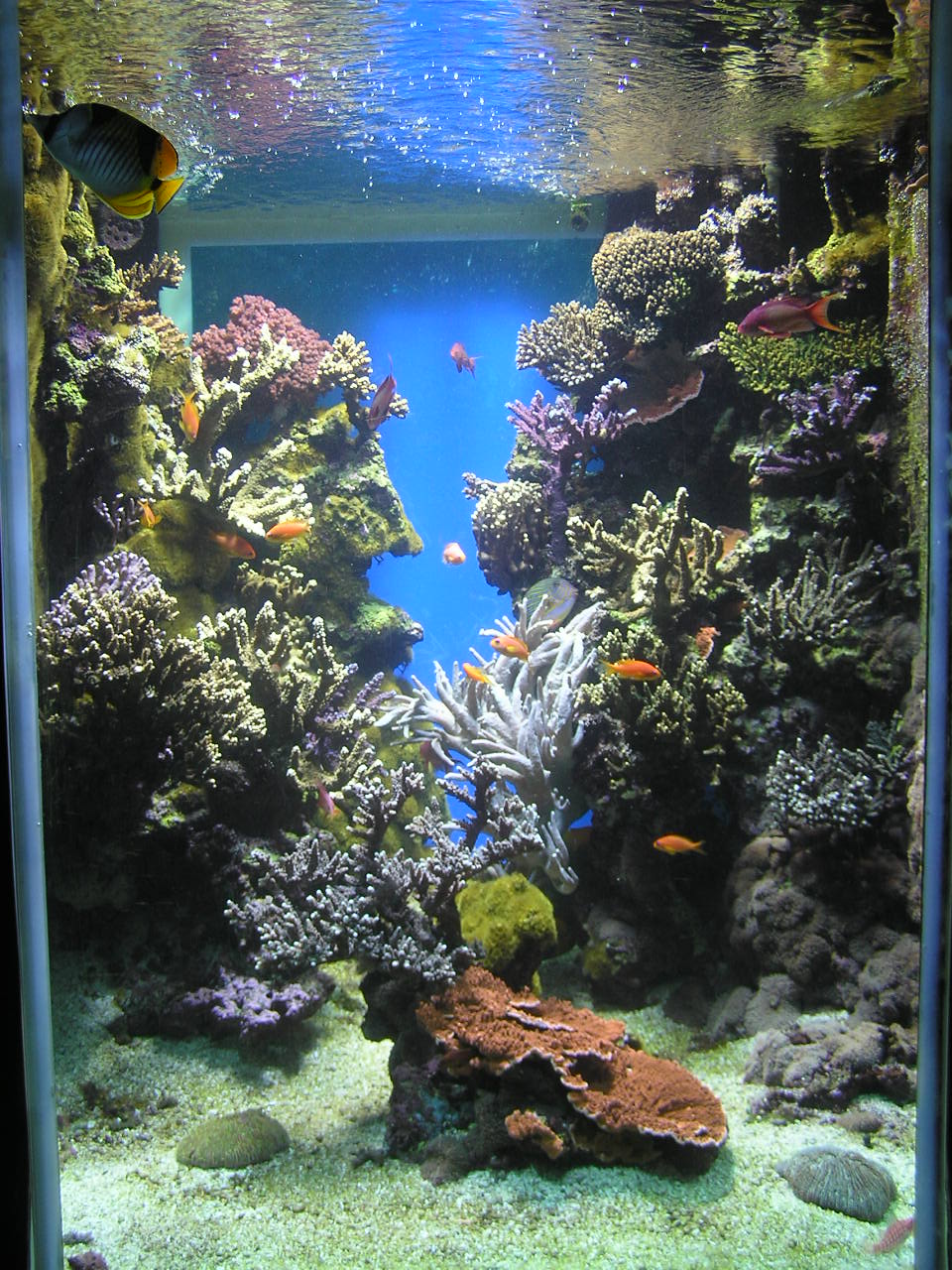
Reef tanks are the most advanced type of saltwater aquarium. They contain corals, invertebrates, and reef-safe fish. Strong lighting, stable water parameters, and consistent maintenance are necessary for success. Reef aquariums are known for their bright colors and dynamic underwater landscapes.
Essential Equipment for a Salt Water Aquarium
Creating a stable marine environment requires specialized equipment. Each component plays a role in maintaining water quality and supporting marine life.
| Equipment | Purpose | Why It Matters |
|---|---|---|
| Protein Skimmer | Removes organic waste | Keeps water clean and clear |
| Marine Filter | Supports biological filtration | Maintains nitrogen cycle |
| Heater | Stabilizes temperature | Essential for tropical marine fish |
| LED Reef Lighting | Supports coral growth | Enhances colors |
| Powerheads | Creates water flow | Mimics ocean currents |
Proper equipment placement ensures strong circulation and prevents waste from settling in dead zones.
Choosing the Right Saltwater Fish
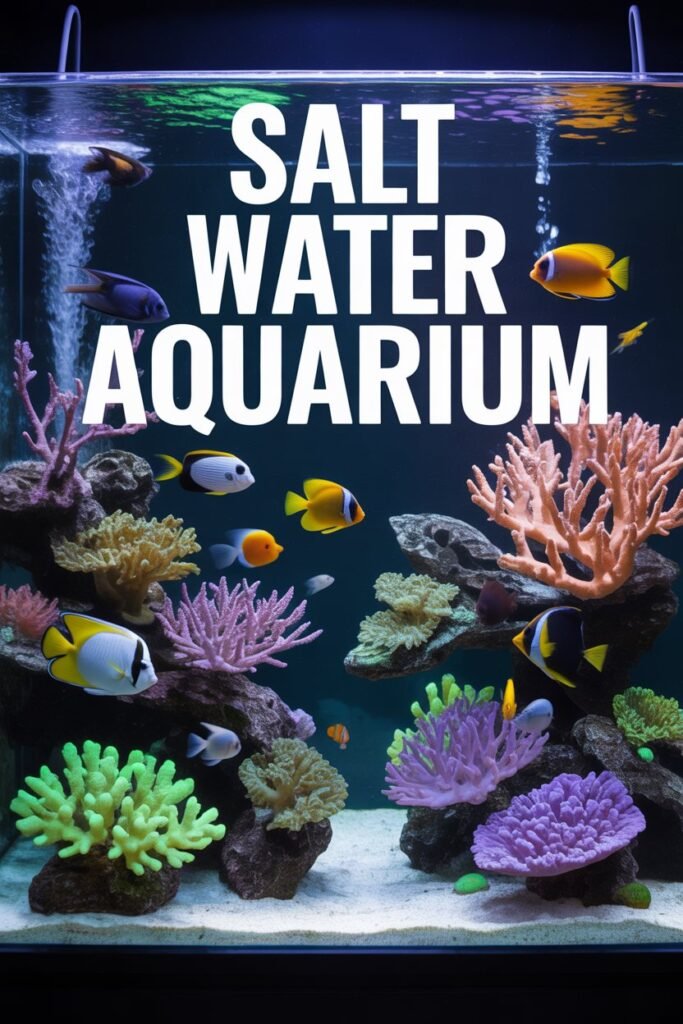
Fish selection is a major part of designing a successful saltwater aquarium. Beginners often start with hardy species such as clownfish, damselfish, or gobies. These fish adapt well to stable marine conditions and add vibrant movement to the tank.
More experienced hobbyists may keep angelfish, tangs, or wrasses, but these species require larger aquariums and careful compatibility planning. Mixing peaceful and aggressive fish without research can lead to stress and territorial issues.
Setting Up a Salt Water Aquarium Step by Step
The first step is choosing the tank size. Larger aquariums are usually more stable because water parameters change more slowly. After placing the tank on a sturdy stand, add marine substrate and arrange live rock to create a natural aquascape.
Mix saltwater using marine salt mix and purified water rather than tap water. Install filtration, heater, and circulation pumps, then allow the tank to cycle. The cycling process builds beneficial bacteria that convert harmful ammonia into safer compounds. Only add fish once the tank is fully cycled.
Salt Water Aquarium Aquascaping Ideas
4
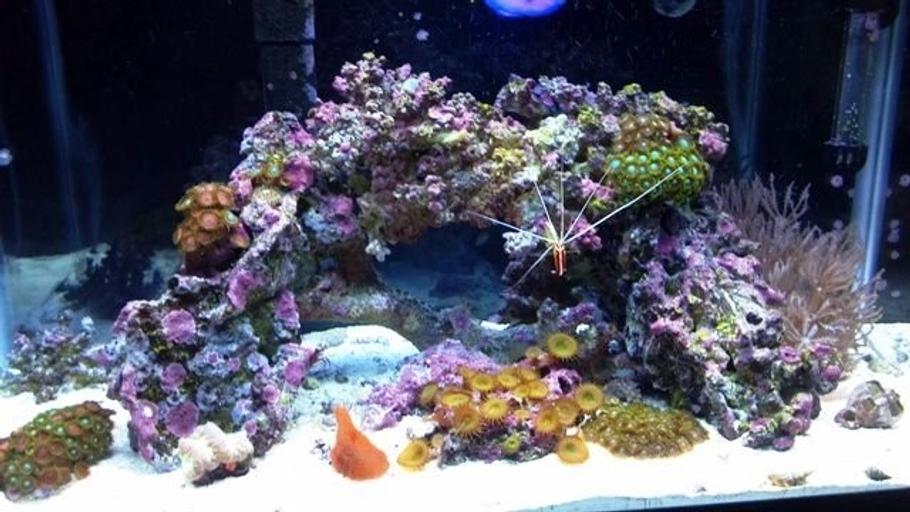
Aquascaping in marine tanks focuses on creating open swimming space and natural rock structures. Arches, caves, and layered rock formations give fish hiding spots while enhancing visual appeal. Many aquarists prefer minimalist aquascapes with fewer rocks to allow strong water flow.
Color balance is also important. Light sand substrates and coral structures reflect light beautifully, creating a bright ocean-like environment.
Maintenance Tips for Marine Aquariums
Regular maintenance keeps a saltwater aquarium healthy and visually appealing. Weekly water testing helps monitor salinity, pH, and nutrient levels. Partial water changes remove accumulated waste and maintain stable chemistry.
Cleaning protein skimmers, checking pumps, and adjusting lighting schedules are part of routine care. Unlike freshwater tanks, marine aquariums require closer attention to evaporation because salt does not evaporate with water, which can change salinity levels.
Benefits of Keeping a Salt Water Aquarium
Saltwater aquariums provide a relaxing and immersive experience. Watching colorful fish and corals move naturally creates a calming atmosphere. Many hobbyists enjoy the artistic aspect of designing reef structures and experimenting with lighting.
Marine aquariums also offer educational value, allowing owners to learn about ocean ecosystems and marine biology from home.
Common Mistakes Beginners Make
One of the biggest mistakes is rushing the cycling process. Adding fish too early can lead to ammonia spikes that harm marine life. Overfeeding is another common issue, causing poor water quality and algae growth.
Using tap water without proper purification can introduce unwanted chemicals into the tank. Patience and careful planning are the keys to long-term success in marine aquarium keeping.
Freshwater vs Salt Water Aquarium Comparison
Freshwater aquariums are usually easier and less expensive to maintain, making them ideal for beginners. Saltwater aquariums require more equipment and attention but reward hobbyists with vibrant colors and unique marine species.
Many aquarists start with freshwater setups before transitioning to marine tanks once they gain experience with water chemistry and filtration.
Frequently Asked Questions
Is a salt water aquarium hard to maintain?
It requires more attention than freshwater tanks, but with proper setup and routine maintenance, it becomes manageable even for beginners.
What is the best fish for a beginner saltwater tank?
Clownfish, gobies, and damselfish are popular beginner-friendly marine fish because they are hardy and adaptable.
How often should I change water in a saltwater aquarium?
Most marine tanks benefit from small weekly water changes to maintain stable water quality.
Do saltwater aquariums need special lighting?
Fish-only tanks need moderate lighting, while reef aquariums require stronger LED lighting to support coral growth.
Can I start with a small saltwater aquarium?
Yes, but larger tanks are usually more stable and forgiving for beginners learning marine aquarium care.
Why is live rock important in marine aquariums?
Live rock provides natural filtration and creates a realistic reef environment for fish and invertebrates.
If you want, I can also write a full 2500-word ultra-SEO salt water aquarium article exactly in your long-form blog style that you usually use for aquarium niche websites.