
 By admin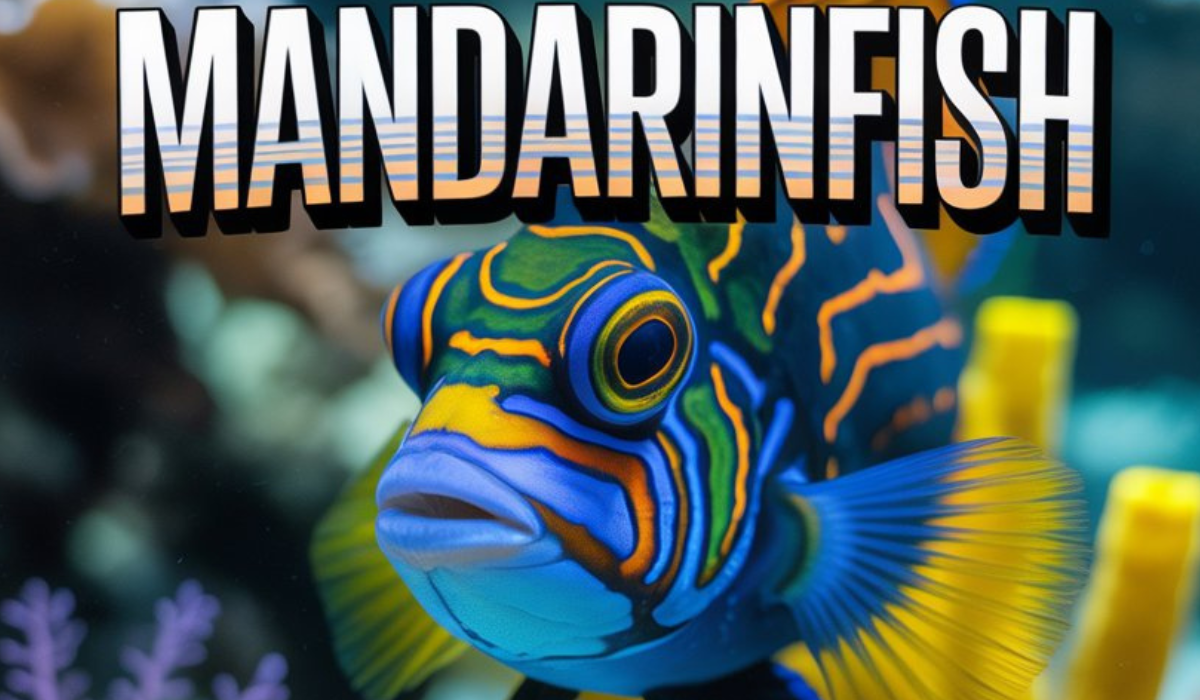
The Mandarinfish is one of the most dazzling and unique marine fish in the world. Famous for its psychedelic colors and peaceful nature, this small reef fish has captured the hearts of divers and aquarium enthusiasts alike. Scientifically known as Synchiropus splendidus, the mandarinfish belongs to the dragonet family and is prized for its extraordinary appearance.
???? Overview of the Mandarinfish
- Scientific Name: Synchiropus splendidus
- Common Names: Mandarinfish, Mandarin Dragonet
- Family: Callionymidae (Dragonets)
- Size: 2.5–3 inches (6–8 cm)
- Lifespan: Up to 10–15 years (in ideal aquarium conditions)
- Diet: Carnivorous (small crustaceans and copepods)
The name “mandarinfish” comes from the bright, swirling colors that resemble the robes worn by Chinese imperial officials called mandarins.
???? Stunning Appearance
The mandarinfish is often described as a “living piece of art.” Its body features:
- Electric blue base coloration
- Vibrant orange, green, and yellow patterns
- Wavy stripes and circular designs
- Large pelvic fins used to “walk” along the ocean floor
Unlike most fish, mandarinfish produce their own blue pigment through cellular structures rather than relying solely on reflective scales. This makes their coloration even more extraordinary.
???? Natural Habitat
Mandarinfish are native to the warm waters of the Indo-Pacific region, especially:
- The Pacific Ocean
- The Philippines
- The Indonesia
- The Australia
They prefer shallow coral reefs, lagoons, and sheltered bays with abundant live rock. Mandarinfish are bottom-dwellers and spend most of their time slowly gliding over coral rubble in search of food.
????️ Diet and Feeding Behavior
In the wild, mandarinfish feed mainly on:
- Copepods
- Amphipods
- Small worms
- Tiny crustaceans
They hunt continuously throughout the day, picking at live rock and sand. Because of their specialized diet, they can be difficult to care for in home aquariums unless the tank has a well-established population of live microfauna.
???? Behavior and Mating
Mandarinfish are peaceful and shy creatures. They are generally:
- Non-aggressive
- Territorial with their own species
- Best kept singly or as a bonded pair
One of the most fascinating behaviors of mandarinfish is their courtship ritual. At dusk, a male and female rise together in the water column, releasing eggs and sperm simultaneously. This synchronized spawning is considered one of the most beautiful underwater displays.
???? Mandarinfish in Aquariums
The mandarinfish is highly popular in the saltwater aquarium trade due to its vibrant colors. However, it is considered moderately to difficult to care for because:
- It requires a mature reef tank (usually 75+ gallons)
- It needs a continuous supply of live copepods
- It may refuse prepared foods
Experienced aquarists recommend keeping mandarinfish only after the aquarium ecosystem is fully established.
????️ Defense Mechanism
Unlike many small reef fish, mandarinfish have few natural predators. This is partly because:
- They produce a toxic, bitter-tasting mucus coating
- They lack typical fish scales
- Their bright coloration may serve as a warning signal
This protective slime makes them less appealing to predators.
???? Conservation Status
Currently, mandarinfish are not considered endangered. However, threats include:
- Coral reef destruction
- Climate change
- Overcollection for the aquarium trade
Protecting coral reef ecosystems is crucial for the long-term survival of this species.
✨ Fun Facts About Mandarinfish
- They are technically dragonets, not true gobies.
- They “walk” on fins rather than swim constantly.
- Their blue coloration is extremely rare in nature.
- They are most active during dusk hours.
???? Conclusion
The Mandarinfish is a true marvel of marine life. With its hypnotic colors, peaceful temperament, and fascinating behaviors, it remains one of the most sought-after reef fish in the world. Whether admired in the wild or carefully maintained in a home aquarium, the mandarinfish stands as a symbol of the beauty and fragility of coral reef ecosystems.