
 By admin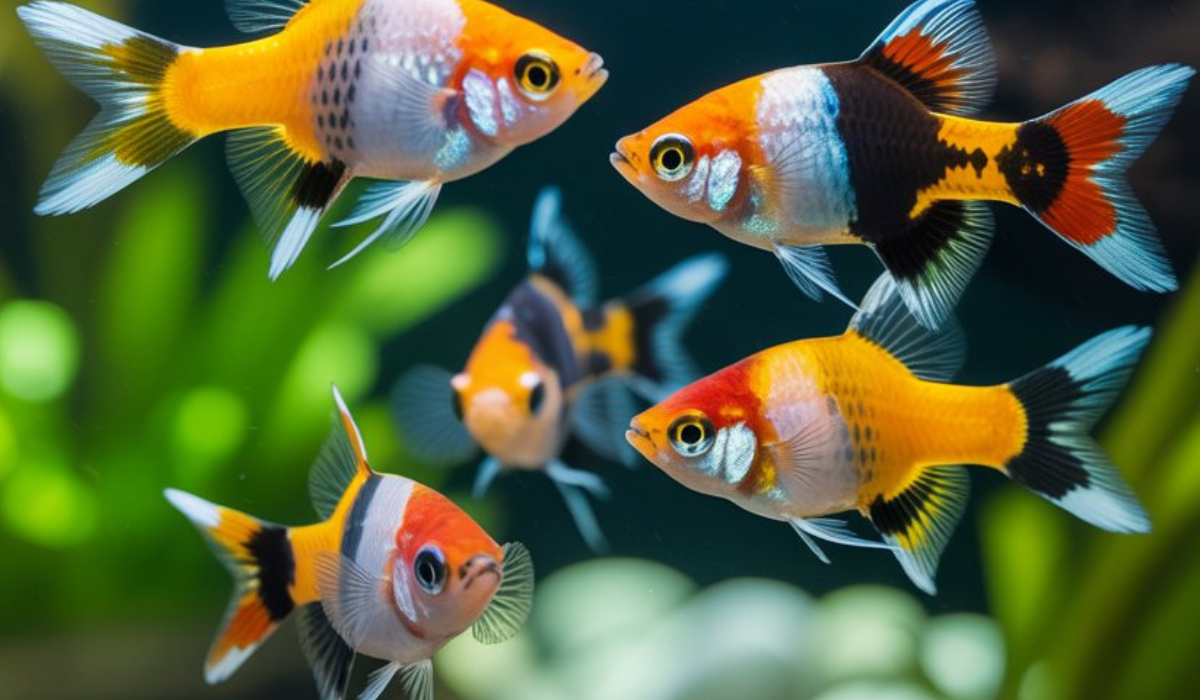
Platy fish are one of the most popular freshwater aquarium fish in the world. They are colorful, peaceful, easy to care for, and perfect for beginners. Whether you are setting up your first aquarium or adding variety to your community tank, platies are an excellent choice.
In this complete guide, you will learn everything about platy fish care, types, breeding, tank setup, feeding, lifespan, and common problems.
What Is a Platy Fish?
The platy fish belongs to the genus Xiphophorus and is a small livebearing freshwater fish.
The two main species kept in aquariums are:
- Southern Platyfish
- Variatus Platy
Platies are livebearers, meaning they give birth to free-swimming baby fish instead of laying eggs.
Origin and Natural Habitat
Platy fish originate from:
- Mexico
- Central America
- Guatemala
In the wild, they live in slow-moving rivers, canals, and warm freshwater streams with vegetation.
Platy Fish Size and Lifespan
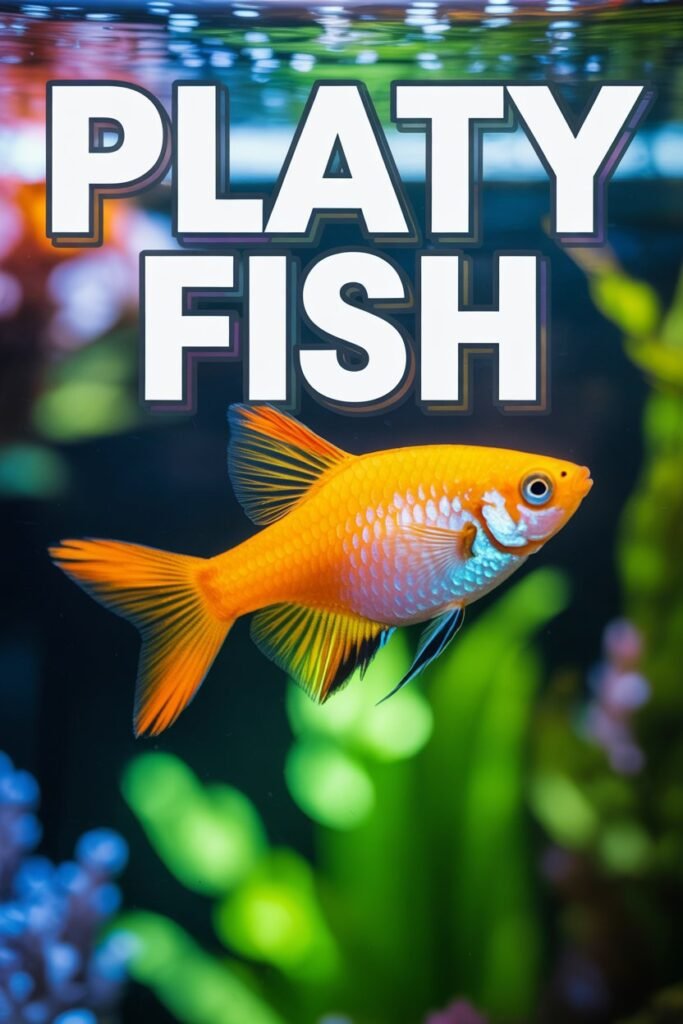
- Average Size: 2–3 inches
- Lifespan: 2–4 years
- Temperament: Peaceful
- Care Level: Easy
They are hardy fish that adapt well to different water conditions, making them ideal for beginners.
Platy Fish Types
Platies come in many colors and patterns due to selective breeding.
1. Mickey Mouse Platy
Recognized by a Mickey Mouse-shaped marking near the tail.
2. Sunburst Platy
Bright orange and yellow coloration.
3. Red Wag Platy
Red body with black fins.
4. Blue Platy
Soft blue or metallic coloration.
5. Tuxedo Platy
Two-tone body pattern, usually darker back half.
6. Green Lantern Platy
Bright neon green appearance.
Because of hybrid breeding, new varieties continue to appear in the aquarium trade.
Platy Fish Tank Setup
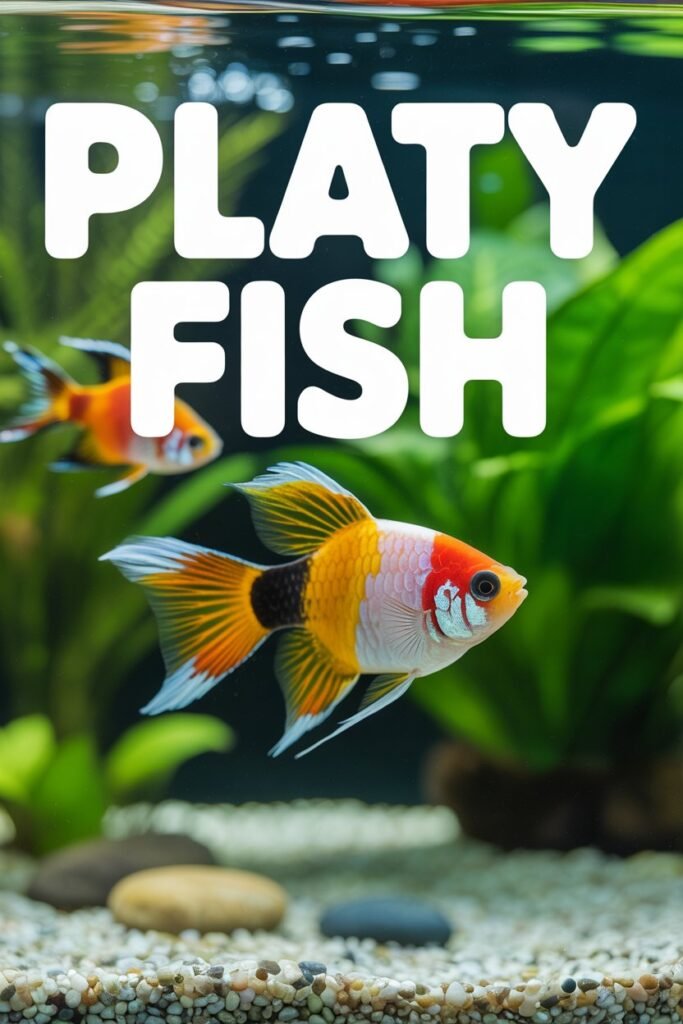
Platies are easy to care for but still need proper conditions.
Tank Size
- Minimum: 10 gallons
- Recommended: 20 gallons for groups
They are active swimmers and do best in small groups.
Water Parameters
- Temperature: 72–78°F (22–26°C)
- pH: 7.0–8.2
- Hardness: Moderate to hard water
Platies tolerate slight fluctuations, but stability is important.
Tank Decor
- Live or artificial plants
- Open swimming space
- Gentle filtration
- Gravel or sand substrate
Plants help protect baby platies if breeding occurs.
Platy Fish Tank Mates
Platies are peaceful community fish.
Good tank mates include:
- Guppies
- Mollies
- Tetras
- Corydoras
- Swordtails
Avoid:
- Aggressive cichlids
- Large predatory fish
- Fin-nippers
They thrive in community aquariums with other peaceful species.
Feeding Platy Fish
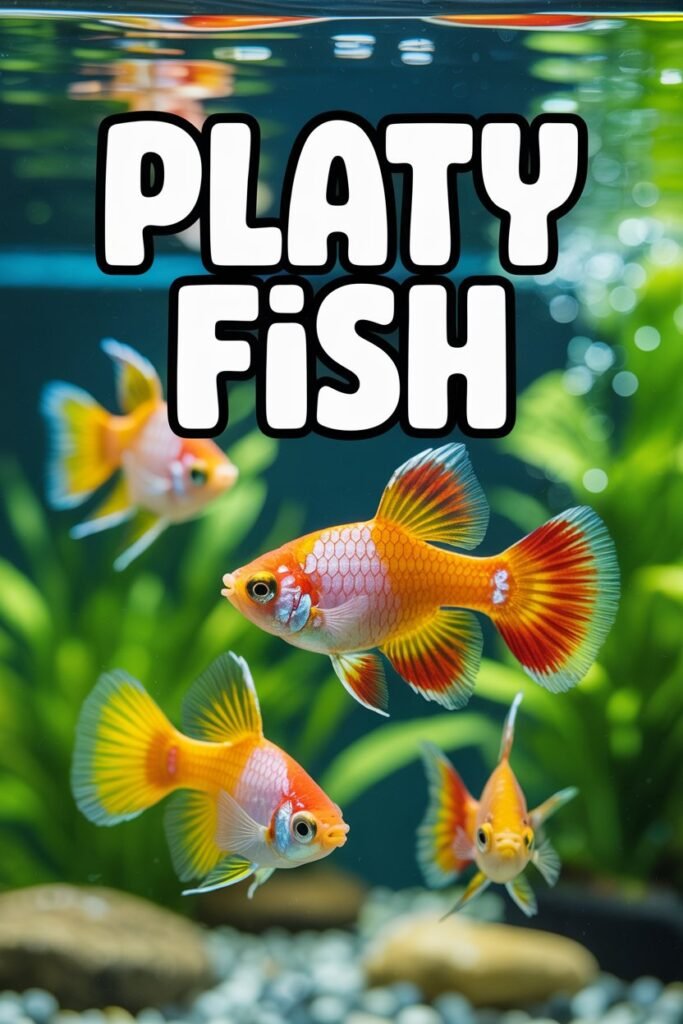
Platies are omnivores.
Feed them:
- High-quality flake food
- Micro pellets
- Frozen brine shrimp
- Bloodworms
- Vegetable-based food (spirulina flakes)
Feed small amounts 1–2 times daily.
Platy Fish Breeding Guide
Platies are livebearers and breed very easily.
How to Tell Male and Female Apart
- Males are smaller and slimmer
- Males have a pointed anal fin (gonopodium)
- Females are larger with a fan-shaped anal fin
Breeding Process
- Female can store sperm for months
- Pregnancy lasts around 28–30 days
- One female can give birth to 20–50 fry
Baby platies are free-swimming immediately.
Protecting Fry
Adult fish may eat babies.
To increase survival:
- Use breeding box
- Add dense plants
- Separate pregnant female
Feed fry crushed flakes or baby fish food.
Common Platy Fish Diseases
Platies are hardy but can still face health issues.
Common problems:
- Ich (white spots)
- Fin rot
- Fungal infections
- Swim bladder issues
Maintain clean water and avoid overfeeding to prevent disease.
Why Platy Fish Are Perfect for Beginners
✔ Very hardy
✔ Peaceful temperament
✔ Easy to feed
✔ Breed naturally
✔ Beautiful colors
✔ Affordable
They are often recommended as starter fish along with guppies and mollies.
Pros and Cons of Platy Fish
Pros
- Beginner-friendly
- Low maintenance
- Colorful varieties
- Great for community tanks
Cons
- Breed very quickly
- Short lifespan
- Can overpopulate tank
Platy Fish vs Guppy
Platies and guppies are both livebearers, but there are small differences:
- Platies are slightly larger
- Guppies have longer flowing tails
- Platies are often hardier in hard water
Both are excellent beginner fish.
Frequently Asked Questions (FAQs)
1. How many platy fish should be kept together?
Keep at least 3–5 platies. Maintain a ratio of 1 male to 2–3 females to reduce stress.
2. Do platy fish need a heater?
Yes, if room temperature drops below 72°F. They prefer stable warm water.
3. Are platies aggressive?
No, they are peaceful community fish.
4. How often do platies give birth?
Every 4–6 weeks if males are present.
5. Can platies live without a filter?
Not recommended. A filter keeps water clean and stable.
Final Thoughts
Platy fish are one of the best freshwater fish for beginners and experienced aquarists alike. Their bright colors, easy breeding, and peaceful behavior make them ideal for community aquariums.
If you are building a beginner-friendly aquarium or looking to add color and activity to your tank, platies are an excellent choice.