
 By admin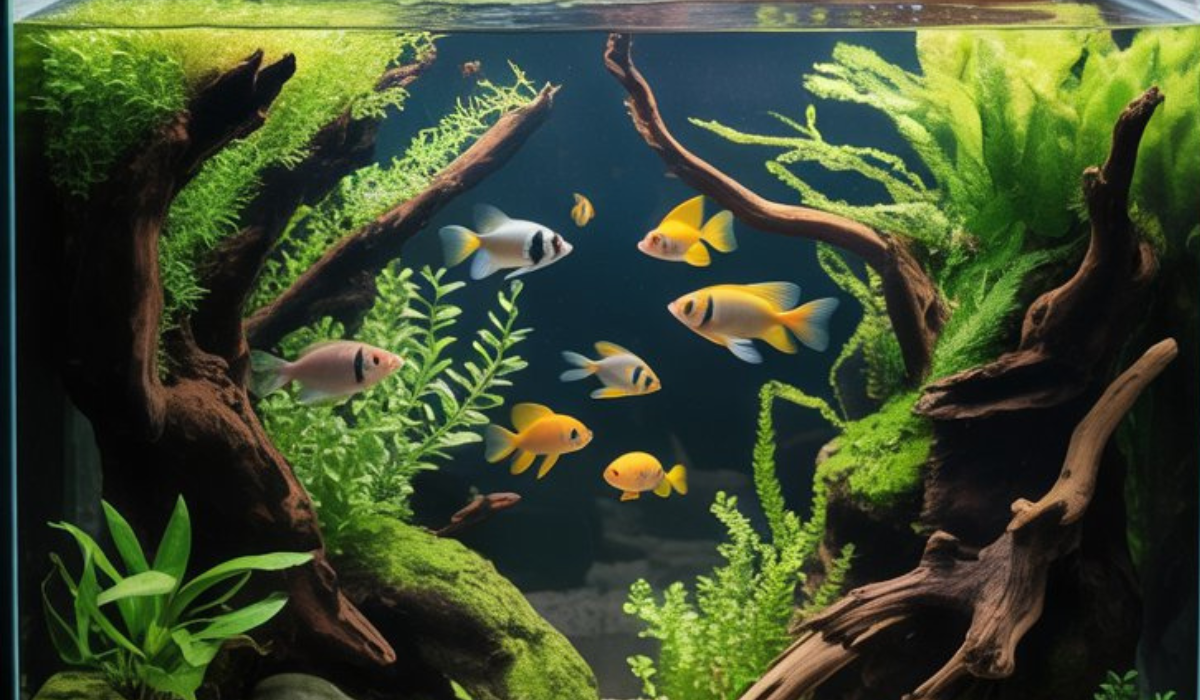
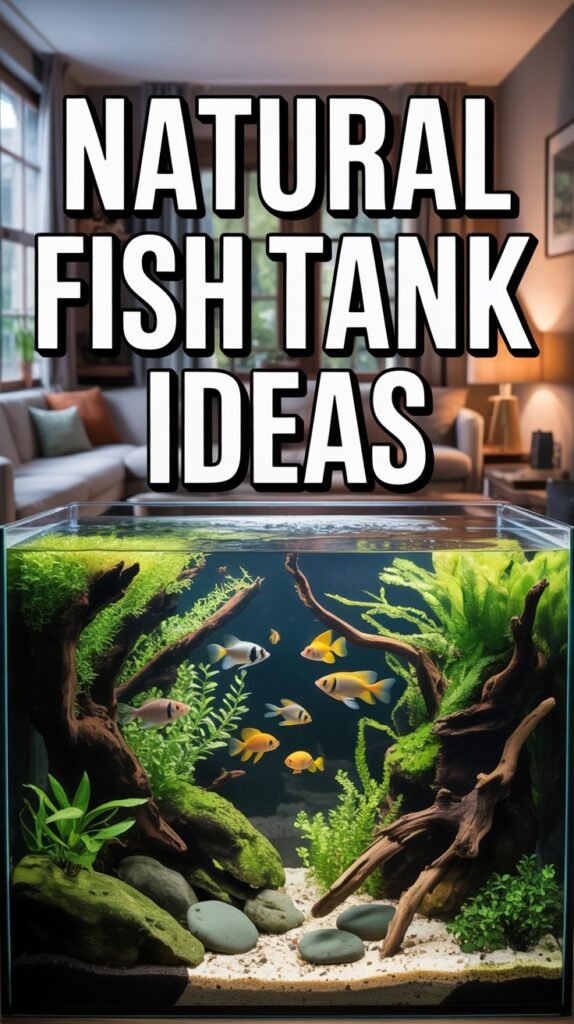
A natural fish tank is one of the most beautiful ways to bring nature inside your home. Instead of using artificial decorations, a natural aquarium focuses on real plants, stones, driftwood, and a layout that resembles natural underwater ecosystems. Many aquarium enthusiasts prefer natural fish tank ideas because they look more authentic, support fish health, and create a relaxing environment.
If you want to design an aquarium that looks like a small underwater forest or riverbed, natural fish tank ideas can help you achieve a stunning result. In this guide, you will learn different styles, design tips, plant choices, and maintenance methods to build a beautiful natural aquarium.
What Is a Natural Fish Tank
A natural fish tank is an aquarium designed to mimic natural habitats such as rivers, lakes, or tropical streams. Instead of plastic decorations, the tank uses natural elements like live plants, rocks, sand, and driftwood.
The goal is to create a balanced ecosystem where fish, plants, and beneficial bacteria work together. A natural aquarium not only looks beautiful but also improves water quality and provides a comfortable habitat for fish.
Natural aquariums are inspired by nature itself. Aquascaping artists often design tanks that resemble forests, mountains, or river landscapes under water.
Benefits of Natural Fish Tank Ideas
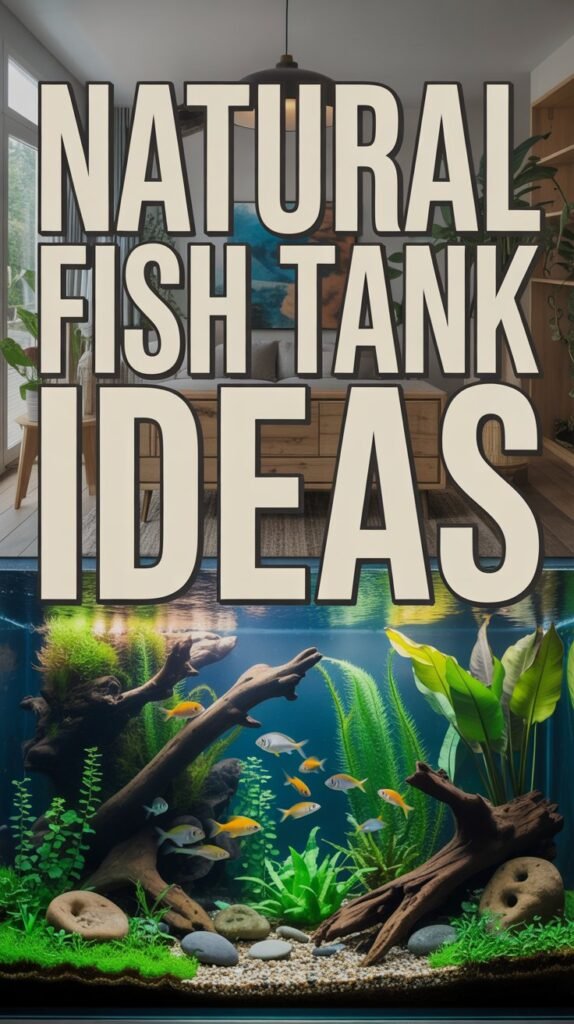
There are many reasons why aquarists prefer natural aquariums over artificial setups.
First, natural tanks provide a healthier environment for fish. Live plants absorb harmful chemicals like ammonia and nitrates, improving water quality.
Second, natural aquariums look more visually appealing. A well-designed tank can resemble a small underwater jungle or a peaceful riverbed.
Third, natural fish tanks reduce stress in fish. Fish behave more naturally when they have plants, rocks, and hiding spaces.
Another benefit is oxygen production. Live plants release oxygen into the water during photosynthesis, which helps fish breathe better.
Finally, natural aquariums can become self-sustaining ecosystems when properly balanced.
Popular Natural Fish Tank Ideas
Designing a natural aquarium allows you to be creative. Here are some popular natural fish tank ideas that aquarium hobbyists love.
Planted Forest Aquarium
A planted forest aquarium is one of the most popular natural fish tank styles. In this design, the tank looks like a dense underwater forest filled with plants.
Tall plants such as Vallisneria or Amazon swords are placed in the background. Medium plants like Java fern and Anubias are placed in the middle. Small carpet plants such as dwarf hairgrass cover the foreground.
This setup creates depth and makes the aquarium look like a miniature jungle.
Fish that look great in this environment include guppies, neon tetras, rasboras, and small peaceful species.
Riverbed Style Aquarium
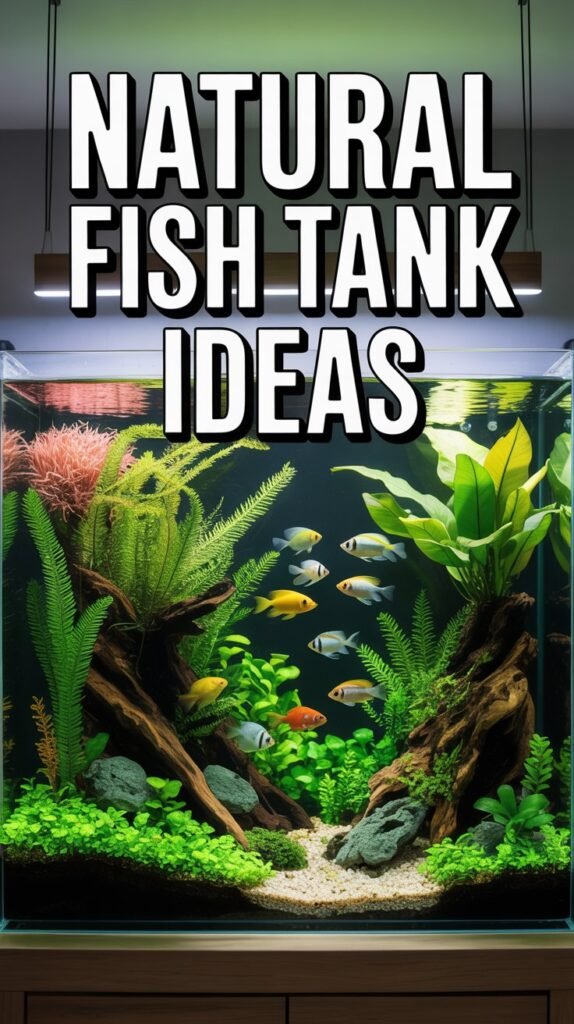
A riverbed aquarium replicates the look of a natural stream. Smooth rocks, sand substrate, and driftwood are used to create the layout.
Plants are usually fewer in this design, allowing the stones and wood to become the main focus.
This type of tank is perfect for fish that live in flowing water, such as danios, loaches, and certain types of barbs.
Adding a gentle water flow with a good filter can make the aquarium feel more like a real river environment.
Nature Aquarium Style
The nature aquarium concept was made popular by aquascaping pioneer Takashi Amano. This design focuses on harmony, balance, and natural beauty.
The layout often resembles landscapes such as mountains, valleys, or forests. Carefully placed stones and driftwood create the structure, while plants fill the spaces around them.
Carpet plants such as Monte Carlo or dwarf baby tears are often used to create a green carpet across the bottom of the tank.
This style requires patience and creativity, but the results can be breathtaking.
Driftwood Focus Aquarium
Driftwood can become the centerpiece of a natural aquarium. Large pieces of wood can resemble tree roots underwater.
Plants like Java moss, Anubias, and Bucephalandra can be attached to the wood to create a natural appearance.
Over time, the plants grow around the wood, creating a beautiful and organic look.
This type of tank works well for fish that enjoy hiding places, such as bettas, tetras, and small catfish.
Rocky Mountain Aquarium
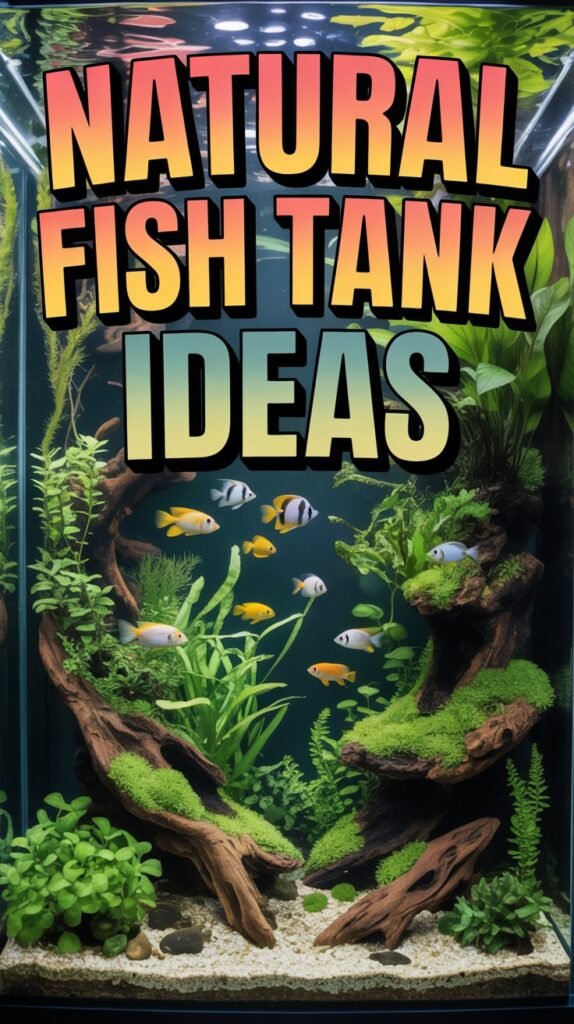
A rocky aquascape focuses on stones and rock formations. Different sizes of rocks are arranged to look like underwater mountains or cliffs.
Plants are usually minimal in this setup, but small plants like moss or dwarf grass can be added for contrast.
This style is often used for fish species that prefer rocky environments.
Proper rock placement is important to maintain balance and avoid collapsing structures.
Choosing the Right Plants for a Natural Aquarium
Live plants are the heart of a natural fish tank. Choosing the right plants will help create a healthy ecosystem.
Some beginner-friendly aquarium plants include Java fern, Anubias, Amazon sword, Vallisneria, and Java moss. These plants are easy to maintain and grow well in most aquariums.
Foreground plants such as dwarf hairgrass or Monte Carlo create a carpet effect at the bottom of the tank.
Midground plants add depth and texture, while background plants create height and coverage.
When choosing plants, consider the lighting and nutrient requirements. Some plants need stronger lighting and fertilizers, while others grow well with minimal care.
Best Fish for Natural Aquariums
Not all fish are suitable for natural planted tanks. Peaceful fish that enjoy plants and natural environments are usually the best choice.
Guppies are one of the most popular fish for natural aquariums. They are colorful, active, and easy to care for.
Tetras, rasboras, and danios also thrive in planted aquariums.
Bottom-dwelling fish such as corydoras catfish help keep the substrate clean.
Shrimp and snails can also be added to natural aquariums. They eat algae and leftover food, helping maintain a balanced ecosystem.
When selecting fish, avoid species that dig heavily in the substrate or eat plants.
Substrate Ideas for Natural Fish Tanks
Substrate plays a major role in creating a natural aquarium.
Aquarium soil is one of the best substrates for planted tanks because it contains nutrients that plants need to grow.
Sand can be used to create a riverbed appearance.
Gravel is another common option and works well in many aquarium setups.
Some aquascapers combine different substrates to create slopes and depth. For example, nutrient-rich soil can be placed underneath sand or gravel.
This technique allows plants to receive nutrients while maintaining a natural look.
Lighting for Natural Aquariums
Lighting is essential for plant growth in natural fish tanks.
LED aquarium lights are the most popular choice because they are energy efficient and provide the correct spectrum for plants.
Most planted tanks need about 6 to 8 hours of light per day.
Too much light can cause algae growth, while too little light can slow plant growth.
Using a timer can help maintain a consistent lighting schedule.
Natural Decorations for Aquascaping
Natural decorations are what make a natural aquarium stand out.
Driftwood adds character and provides hiding spaces for fish.
Rocks help create structure and natural landscapes.
Leaf litter such as almond leaves can be used to create a natural forest floor effect.
These decorations not only improve the appearance of the aquarium but also provide benefits for fish by releasing beneficial tannins and creating hiding spots.
Always clean and prepare natural materials before placing them in the aquarium.
Maintenance Tips for Natural Fish Tanks
Maintaining a natural aquarium is easier than many people think.
Regular water changes are essential to keep the tank healthy. Most aquariums benefit from a 20 to 30 percent water change every week.
Pruning plants helps maintain the shape of the aquascape and prevents overcrowding.
Cleaning the glass and removing excess algae keeps the aquarium looking clear and beautiful.
Feeding fish properly also helps maintain water quality. Overfeeding can cause waste buildup and algae growth.
A balanced natural aquarium will become easier to maintain over time as plants and beneficial bacteria stabilize the environment.
Tips for Designing a Stunning Natural Aquarium
Planning your aquarium layout before setting it up can make a big difference.
Start by imagining the type of natural landscape you want to create. It could be a jungle, mountain valley, or riverbed.
Use the rule of thirds when placing major decorations like rocks or driftwood. This technique creates a more visually balanced design.
Leave open swimming space for fish so the aquarium does not feel overcrowded.
Choose plants with different heights and textures to add depth and variety.
Patience is key when creating a natural aquarium. Plants need time to grow and fill in the layout.
Common Mistakes to Avoid
Many beginners make a few common mistakes when creating natural fish tanks.
Using too many decorations can make the aquarium look cluttered. Simplicity often looks more natural.
Another mistake is choosing plants that require more light or nutrients than the tank can provide.
Overstocking fish can also disrupt the balance of a natural aquarium.
Finally, rushing the aquascaping process can lead to unstable layouts or poor plant placement.
Taking your time and planning carefully will help you create a beautiful and balanced aquarium.
Why Natural Fish Tanks Are Becoming Popular
Natural fish tank ideas are becoming increasingly popular among aquarium hobbyists. People enjoy aquariums that resemble real underwater ecosystems rather than artificial decorations.
Natural aquariums also promote healthier fish and plants. They can reduce stress for fish and create a calming atmosphere in the home.
Many aquarists also find aquascaping to be a creative and relaxing hobby. Designing a natural aquarium allows you to express creativity while caring for living organisms.
With the right plants, decorations, and fish, anyone can create a beautiful natural fish tank.
Conclusion
Natural fish tank ideas offer a wonderful way to design an aquarium that looks realistic, peaceful, and environmentally balanced. By using live plants, natural stones, driftwood, and thoughtful aquascaping techniques, you can create a stunning underwater landscape.
Whether you choose a planted forest, rocky mountain style, or riverbed layout, a natural aquarium can become the centerpiece of any room. It provides a healthy habitat for fish and a relaxing view for anyone who watches it.
With patience, creativity, and proper care, your natural fish tank can grow into a thriving miniature ecosystem that brings the beauty of nature into your home.
Frequently Asked Questions
What is the best fish for a natural aquarium?
Peaceful fish such as guppies, tetras, rasboras, and corydoras catfish are excellent choices for natural aquariums because they thrive in planted environments.
Are natural fish tanks hard to maintain?
Natural fish tanks are not difficult to maintain if they are properly balanced. Regular water changes, plant trimming, and proper feeding are usually enough to keep them healthy.
Do natural aquariums need CO2 systems?
Not always. Many beginner-friendly plants grow well without CO2. However, advanced planted aquariums sometimes use CO2 systems to promote faster plant growth.
How long does it take for a natural aquarium to mature?
A natural aquarium usually takes a few weeks to a few months to become fully established. During this time, plants grow, beneficial bacteria develop, and the ecosystem becomes stable.
Can beginners create a natural fish tank?
Yes, beginners can successfully create natural aquariums by choosing easy plants, simple layouts, and hardy fish species. Starting with a small planted tank is often the best approach for beginners.