
 By admin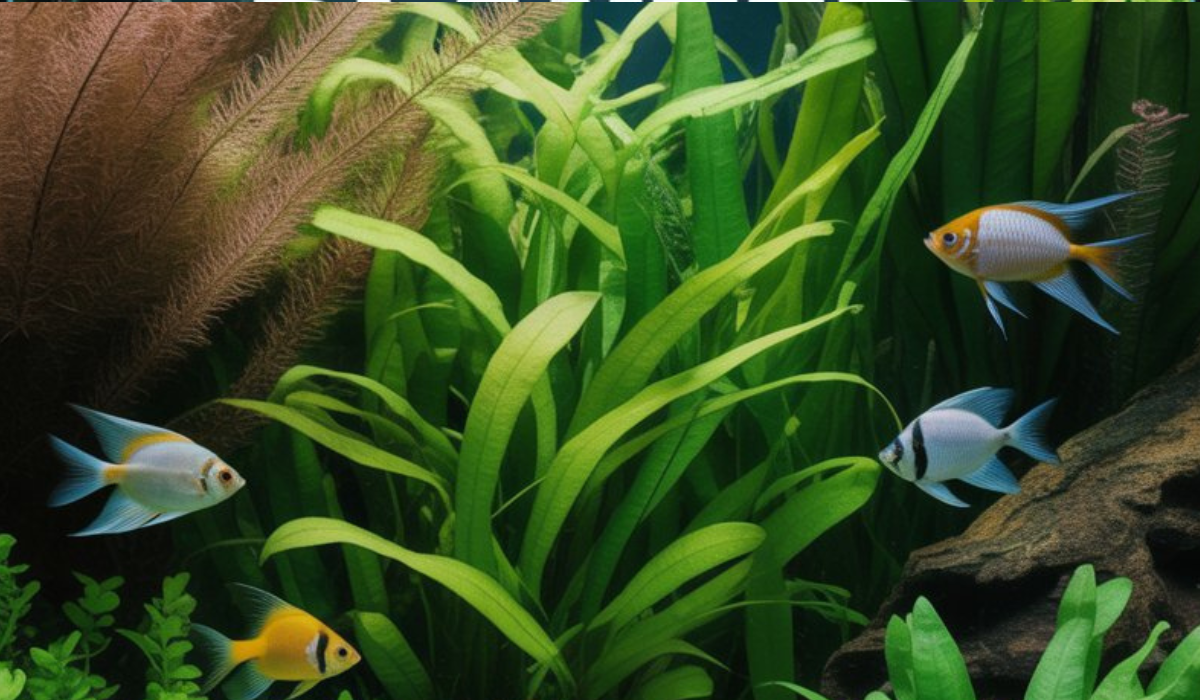
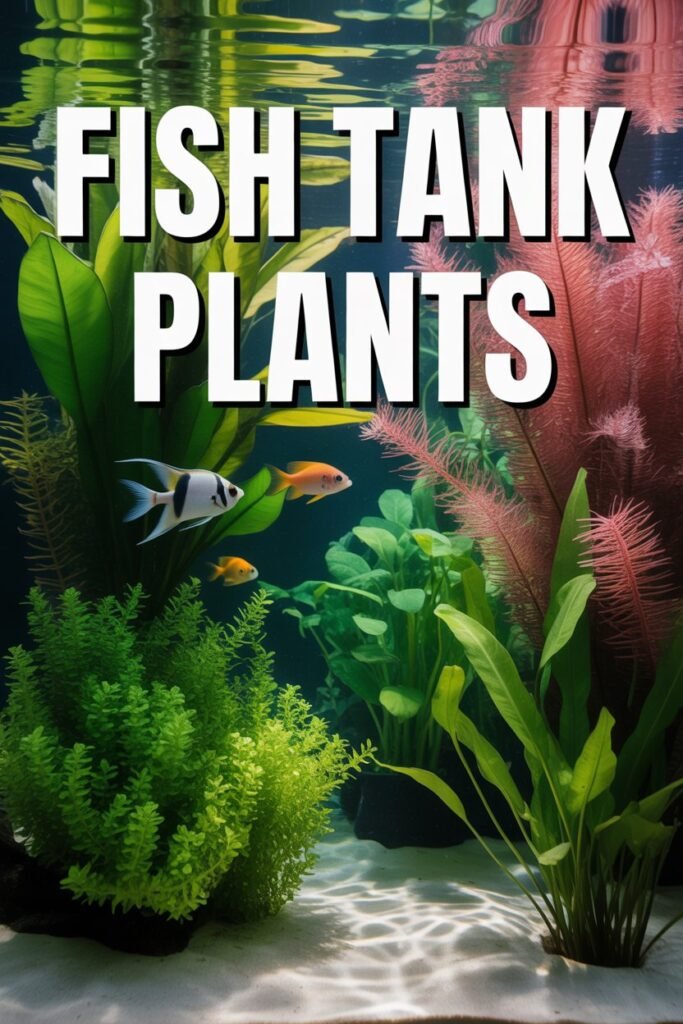
Fish tank plants are an essential part of many aquariums. They add natural beauty, improve water quality, and create a healthier environment for fish. Whether you are a beginner or an experienced aquarium hobbyist, adding plants to your aquarium can completely transform the appearance and balance of your tank.
Aquarium plants do more than decorate the tank. They play an important role in maintaining the ecosystem by absorbing waste, producing oxygen, and providing shelter for fish. A well-planted aquarium often looks more natural and peaceful compared to tanks filled only with artificial decorations.
In this guide, you will learn about different types of fish tank plants, their benefits, how to choose the right plants, and tips for maintaining a healthy planted aquarium.
Benefits of Fish Tank Plants
Adding plants to an aquarium offers many benefits for both fish and aquarium owners.
One major benefit is improved water quality. Aquarium plants absorb nitrates and other harmful substances from the water, helping keep the tank cleaner and safer for fish.
Plants also produce oxygen through photosynthesis. This helps fish breathe more easily and contributes to a balanced aquatic environment.
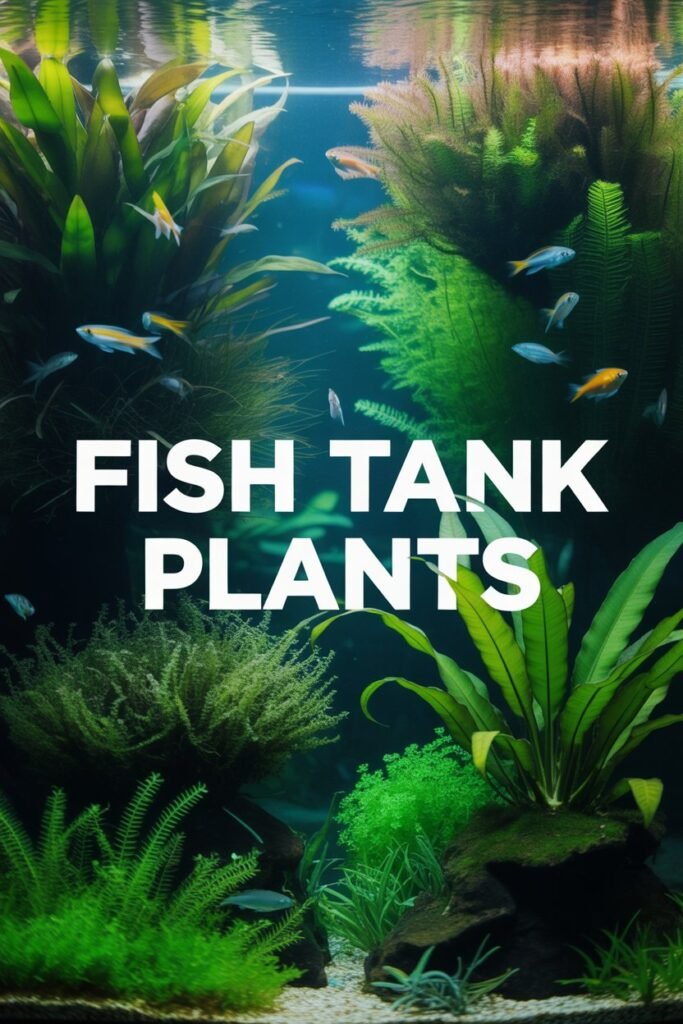
Another advantage is that plants provide hiding places and shelter for fish. Many fish species feel more secure when they have plants to swim through or hide behind.
Fish tank plants also help reduce algae growth. When plants absorb nutrients from the water, there are fewer nutrients available for algae to grow.
Finally, plants make aquariums look more natural and visually appealing.
Types of Fish Tank Plants
Aquarium plants can be divided into three main categories based on where they grow in the tank.
Foreground plants are small plants that grow at the front of the aquarium. They create a carpet-like effect on the substrate and add depth to the aquascape.
Midground plants are medium-sized plants placed in the middle area of the aquarium. These plants provide texture and help connect the foreground and background.
Background plants are tall plants placed at the back of the aquarium. They create height and help hide aquarium equipment such as filters and heaters.
Floating plants are another category. These plants float on the surface of the water and provide shade and protection for fish.
Popular Fish Tank Plants for Beginners
Some aquarium plants are easier to grow and are perfect for beginners.
Java fern is one of the most popular aquarium plants because it is hardy and requires very little care. It can grow attached to rocks or driftwood instead of being planted in the substrate.
Anubias is another beginner-friendly plant. It grows slowly and can survive in low-light conditions.
Amazon sword plants are widely used in aquariums because of their large green leaves and attractive appearance.
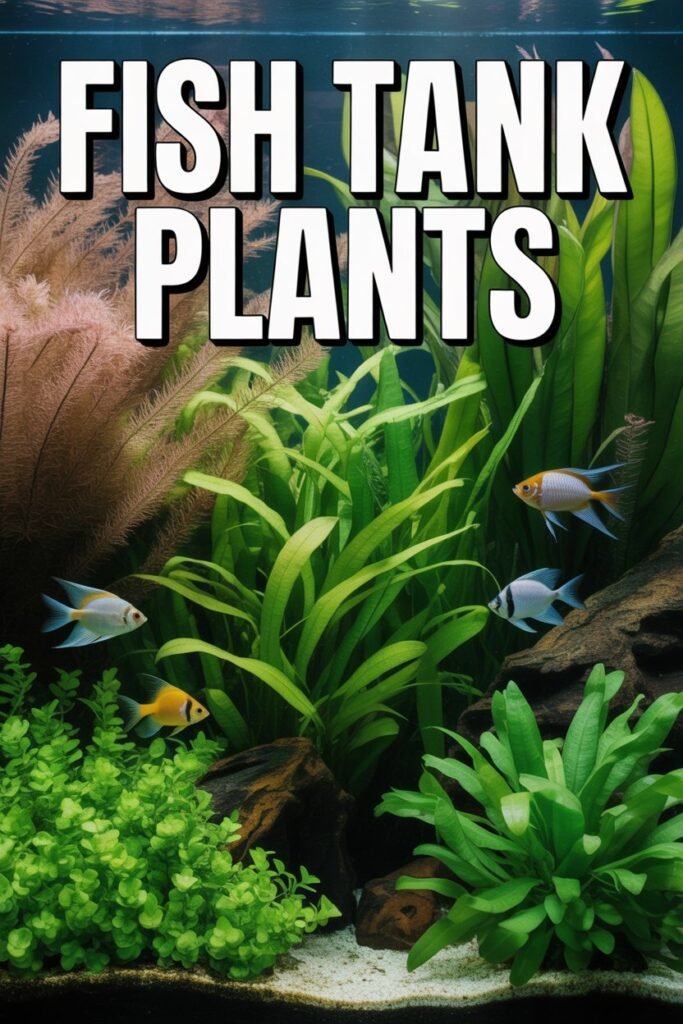
Java moss is a versatile plant that can grow on decorations, rocks, and driftwood. It is often used to create natural-looking aquascapes.
Vallisneria is a tall grass-like plant that spreads easily and forms a beautiful background in planted aquariums.
These plants are ideal for beginners because they can grow well in basic aquarium setups.
Foreground Plants for Aquariums
Foreground plants are used to create a lush green carpet at the bottom of the aquarium.
Dwarf hairgrass is a popular carpeting plant that creates a soft grassy appearance.
Monte Carlo is another well-known carpeting plant that spreads quickly and forms dense green coverage.
Dwarf baby tears are often used in aquascaping because they create a beautiful and delicate carpet effect.
Foreground plants usually require good lighting and sometimes additional nutrients to grow properly.
Floating Plants for Fish Tanks
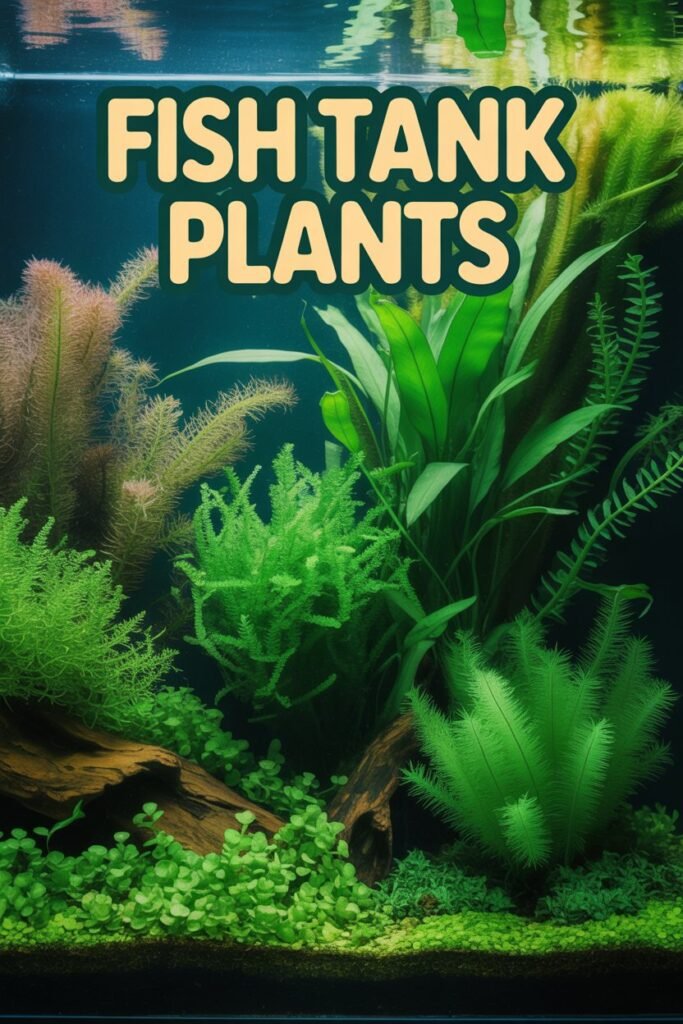
Floating plants are plants that remain on the surface of the water rather than growing in the substrate.
These plants provide shade and reduce strong lighting in the aquarium. Some fish species prefer shaded environments, so floating plants can make them feel more comfortable.
Common floating plants include duckweed, water lettuce, and frogbit.
Floating plants also help absorb excess nutrients from the water, which can help control algae growth.
However, they should be trimmed regularly to prevent them from covering the entire surface of the tank.
Choosing the Right Plants for Your Aquarium
Selecting the right plants depends on several factors such as lighting, tank size, and fish species.
Beginner aquariums usually benefit from hardy plants that can grow in low-light conditions.
Larger aquariums can support a wider variety of plants, including tall background plants and carpeting species.
It is also important to consider fish behavior. Some fish may eat or damage plants, so plant choices should match the fish species in the tank.
A balanced combination of foreground, midground, and background plants creates a more natural and visually appealing aquarium.
Substrate for Aquarium Plants
The substrate is the material placed at the bottom of the aquarium, and it plays an important role in plant growth.
Nutrient-rich aquarium soil is commonly used for planted tanks because it provides essential minerals for plant roots.
Gravel is another popular substrate option and can support many types of plants when combined with root fertilizers.
Sand substrates can also be used, although some plants may require additional nutrients to grow well in sand.
Choosing the right substrate helps plants develop strong roots and healthy growth.
Lighting for Fish Tank Plants
Lighting is one of the most important factors for plant growth in an aquarium.
Most aquarium plants need between six and eight hours of light each day to grow properly.
LED aquarium lights are commonly used because they provide strong illumination while using less energy.
Low-light plants such as Java fern and Anubias can grow well with basic lighting.
More demanding plants, especially carpeting plants, may require stronger lighting systems.
Proper lighting enhances plant growth and also improves the appearance of the aquarium.
Fertilizers and Nutrients
Fish tank plants require nutrients to grow and stay healthy.
These nutrients can come from fish waste, fish food, and fertilizers added to the aquarium.
Liquid fertilizers provide nutrients directly to the water for plants that absorb nutrients through their leaves.
Root fertilizers are placed in the substrate to feed plants that absorb nutrients through their roots.
A balanced supply of nutrients helps plants grow faster and maintain vibrant colors.
Maintaining Aquarium Plants
Proper maintenance is necessary to keep fish tank plants healthy and attractive.
Plants should be trimmed regularly to prevent overcrowding and maintain the desired shape of the aquascape.
Dead or damaged leaves should be removed to prevent water pollution.
Water changes help maintain nutrient balance and keep the aquarium clean.
Monitoring lighting and nutrient levels also helps prevent algae growth.
With regular care, aquarium plants will continue to grow and improve the beauty of the tank.
Common Mistakes When Growing Aquarium Plants
Many beginners make mistakes when starting with aquarium plants.
One common mistake is choosing plants that require high lighting without providing enough light.
Another mistake is using poor-quality substrate that lacks nutrients.
Overfeeding fish can also lead to excess nutrients in the water, which encourages algae growth.
Placing plants incorrectly can also affect their growth, especially when plants that should be attached to rocks are buried in the substrate.
Learning about plant requirements helps avoid these common problems.
Why Aquarium Plants Are Popular
Aquarium plants have become increasingly popular among fish keepers because they create beautiful natural aquariums.
Planted tanks often look like underwater gardens filled with color and life.
They also provide important environmental benefits such as improved water quality and healthier fish habitats.
Many aquarium enthusiasts enjoy aquascaping, which combines artistic design with aquarium care.
Fish tank plants allow hobbyists to create unique underwater landscapes that continue to grow and evolve over time.
Conclusion
Fish tank plants are an essential part of creating a natural and healthy aquarium. They improve water quality, provide shelter for fish, and enhance the overall beauty of the tank.
From beginner-friendly plants like Java fern and Anubias to carpeting plants and floating species, there are many options available for aquarists.
By choosing the right plants, providing proper lighting, and maintaining a balanced aquarium environment, you can create a thriving planted tank that looks stunning and supports healthy fish.
With patience and care, fish tank plants can turn a simple aquarium into a vibrant underwater ecosystem.
Frequently Asked Questions
Are live plants better than artificial plants for aquariums?
Yes, live plants improve water quality, produce oxygen, and create a more natural habitat for fish.
Do aquarium plants need special lighting?
Most aquarium plants need moderate lighting for about six to eight hours per day. Some plants require stronger lighting depending on their growth needs.
Can fish live without plants in a tank?
Fish can survive without plants, but plants provide many benefits such as hiding places, improved water quality, and natural decoration.
How fast do aquarium plants grow?
Growth rates vary depending on the plant species, lighting, and nutrient levels. Some plants grow slowly, while others spread quickly in the right conditions.
Do aquarium plants help reduce algae?
Yes, plants absorb nutrients that algae need to grow, which can help reduce algae problems when the aquarium is balanced properly.