
 By admin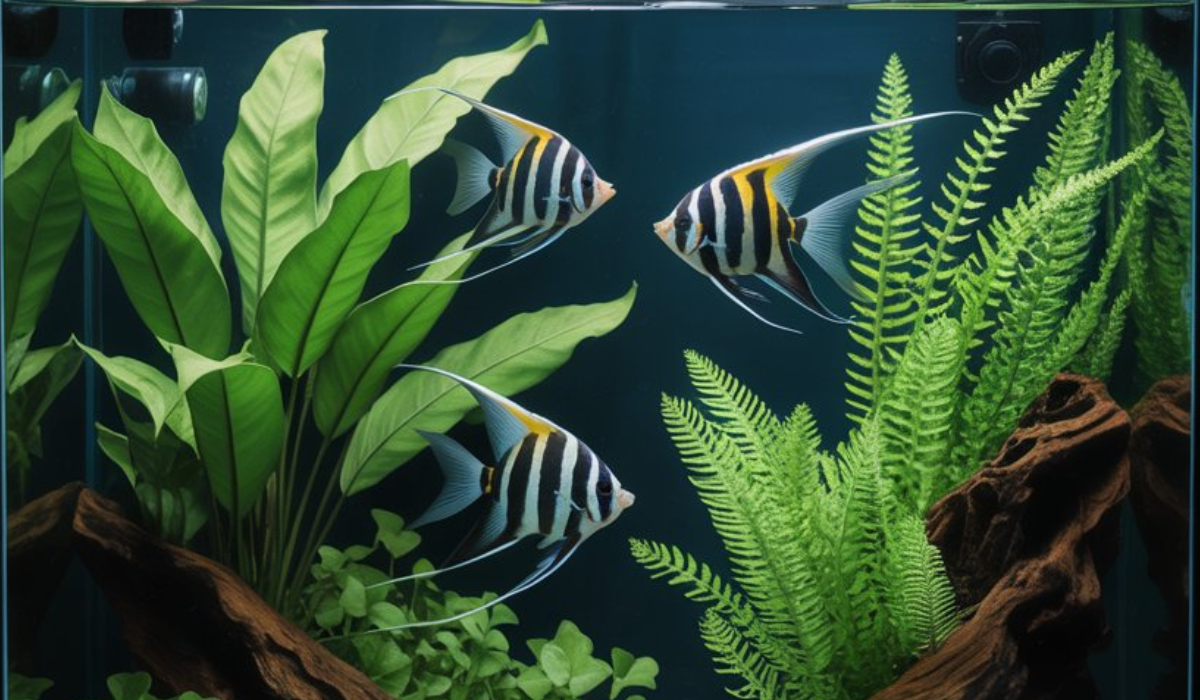
An angelfish tank is one of the most elegant and eye-catching aquarium setups you can create. Known for their tall fins and graceful swimming style, Angelfish are a favorite among aquarium hobbyists. A properly designed tank not only enhances their beauty but also ensures they live a healthy and stress-free life.
In this guide, you will learn everything about setting up, decorating, and maintaining the perfect angelfish aquarium.
Understanding Angelfish
Angelfish are freshwater fish that belong to the cichlid family. They are known for their triangular shape, long fins, and calm yet slightly territorial behavior.
They are not beginner-level fish, but with proper care, they can thrive and become the centerpiece of your aquarium.
Angelfish can grow quite large compared to other aquarium fish, which is why tank size and setup are very important.
Ideal Tank Size for Angelfish
One of the most important factors in an angelfish tank is size.
A minimum of 20 gallons is required for a single angelfish. However, a 30 to 40-gallon tank is recommended for a pair or small group.
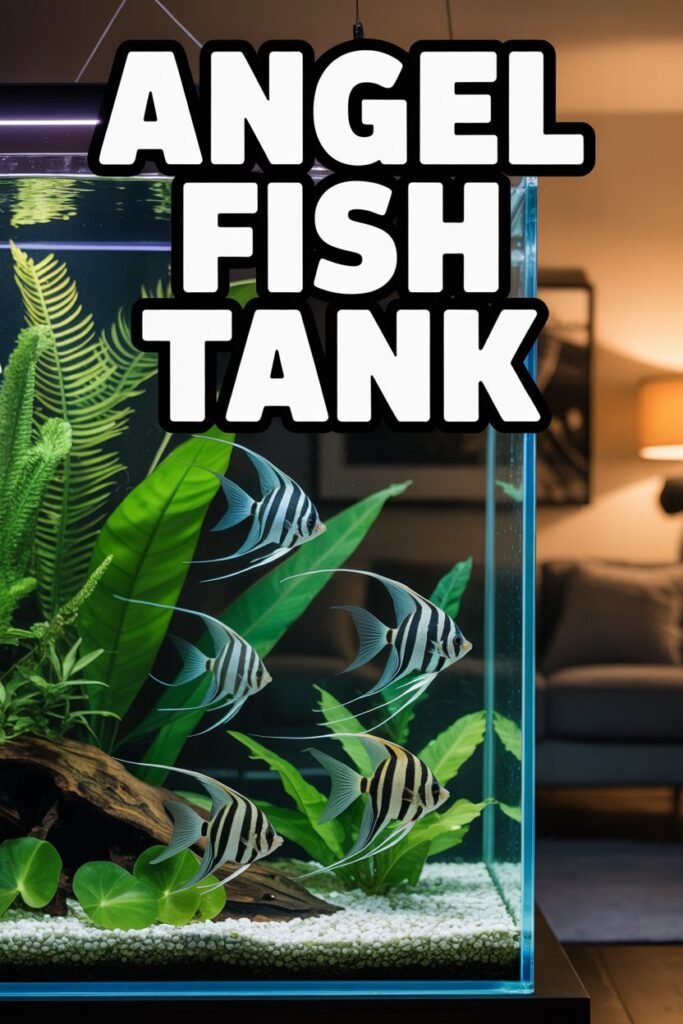
Because angelfish are tall fish, a tank with more height is better than a shallow one. Vertical swimming space allows them to move naturally and comfortably.
Avoid small tanks, as they can stress the fish and restrict growth.
Water Conditions
Maintaining proper water conditions is essential for angelfish health.
Ideal conditions include:
- Temperature: 24–28°C
- pH level: 6.5–7.5
- Soft to moderately hard water
- Clean and well-filtered environment
Regular water changes help maintain stable conditions and prevent disease.
Best Tank Setup for Angelfish
Creating the right environment is key to keeping angelfish happy.
Use a soft substrate like sand or fine gravel. Add driftwood and rocks to create structure and hiding spots.
Live plants are highly recommended because they mimic the natural habitat of angelfish. Tall plants such as Amazon sword or Vallisneria work well.
Make sure to leave open swimming space in the center of the tank.
Angelfish Tank Mates
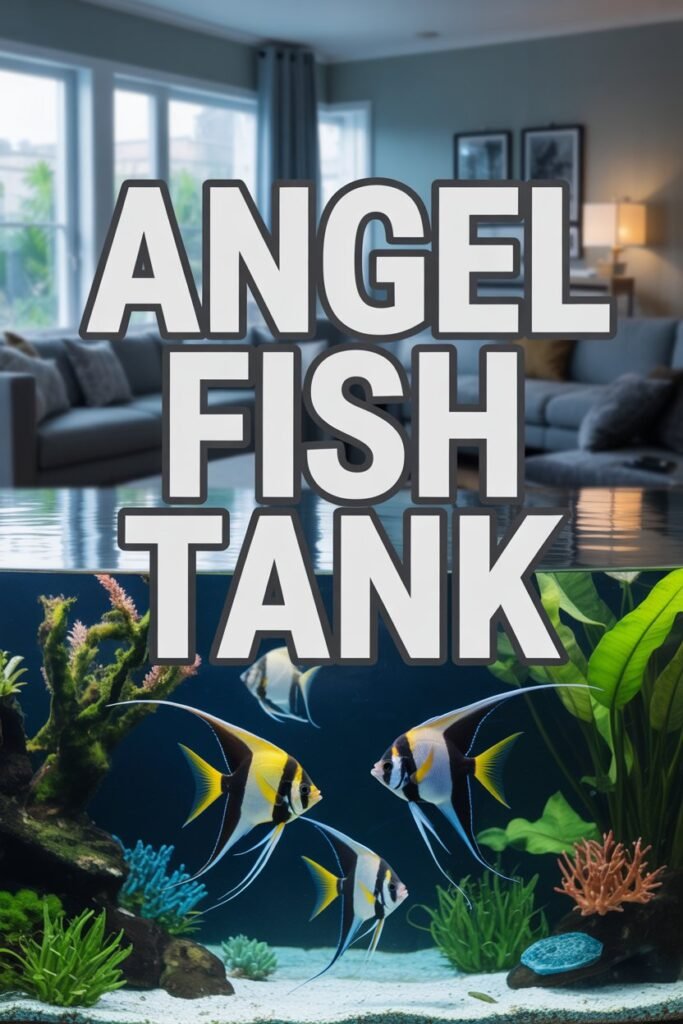
Choosing compatible tank mates is important because angelfish can be semi-aggressive.
Good tank mates include:
- Tetras (larger species)
- Corydoras catfish
- Gouramis
- Mollies
Avoid very small fish, as angelfish may see them as food. Also avoid aggressive fish that may nip their fins.
Feeding Angelfish
Angelfish are omnivores and require a balanced diet.
Feed them:
- High-quality flakes or pellets
- Frozen or live foods like bloodworms
- Vegetables such as spinach or peas
Feed small amounts two to three times a day and avoid overfeeding.
Angelfish Tank Decoration Ideas
A beautiful angelfish tank focuses on natural and elegant design.
A planted tank with tall green plants creates a jungle-like look.
A minimalist setup with driftwood and a few plants can highlight the fish’s beauty.
Soft lighting enhances their colors and creates a calm atmosphere.
Avoid overcrowding decorations, as angelfish need space to swim.
Common Mistakes to Avoid
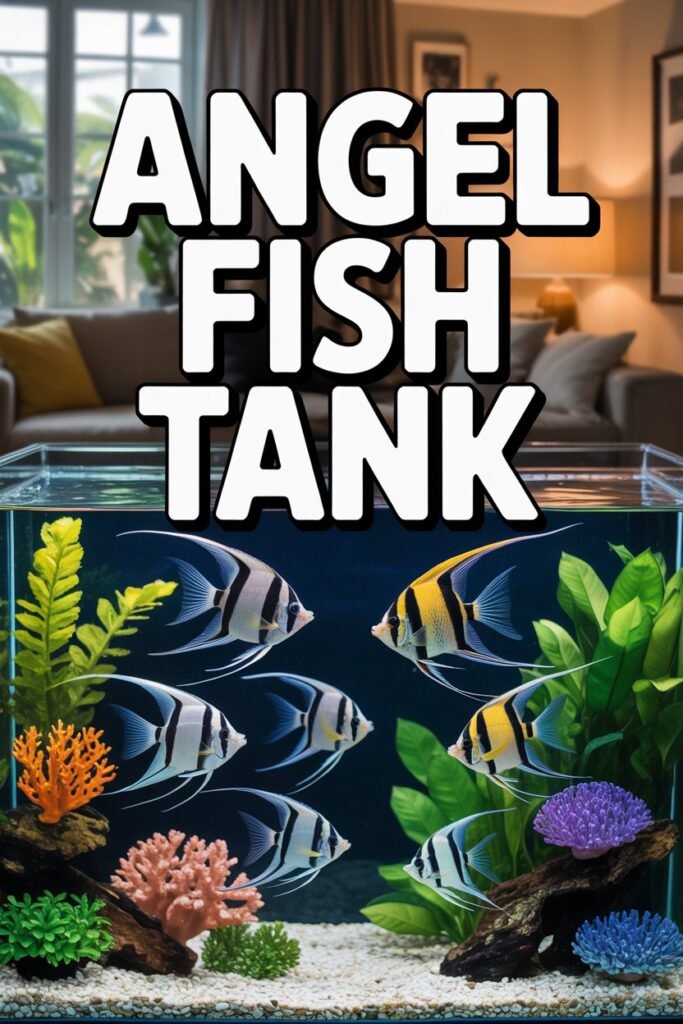
Many people make mistakes when setting up an angelfish tank.
Keeping them in small tanks is one of the biggest mistakes.
Mixing them with incompatible or aggressive fish can lead to stress and injury.
Poor water quality can cause diseases and health issues.
Overfeeding can also pollute the tank and harm fish.
Avoiding these mistakes will help maintain a healthy aquarium.
Maintenance Tips
Proper maintenance keeps your angelfish tank clean and beautiful.
- Perform weekly water changes
- Clean the filter regularly
- Remove algae from glass
- Monitor water parameters
Consistency is key to keeping angelfish healthy.
Why Angelfish Tanks Are Popular
Angelfish tanks are popular because of their beauty and elegance.
Their graceful movement and unique shape make them stand out in any aquarium.
They also adapt well to planted tanks and natural aquascapes.
With proper care, angelfish can live for many years and become a long-term part of your aquarium.
Conclusion
An angelfish tank is a perfect choice for aquarists who want a beautiful and elegant aquarium. With the right tank size, proper setup, and regular care, angelfish can thrive and become the highlight of your fish tank.
By focusing on space, water quality, and compatible tank mates, you can create a peaceful and visually stunning environment for your angelfish.
FAQs
How many angelfish can I keep in one tank?
It depends on tank size, but generally one angelfish per 20 gallons is recommended.
Can angelfish live with small fish?
Some small fish may be eaten, so it is safer to keep them with medium-sized species.
Do angelfish need plants?
Yes, plants help create a natural environment and provide hiding spaces.
How often should I feed angelfish?
Feed them 2–3 times a day in small amounts.
Are angelfish easy to care for?
They require moderate care, so they are better suited for aquarists with some experience.