
 By admin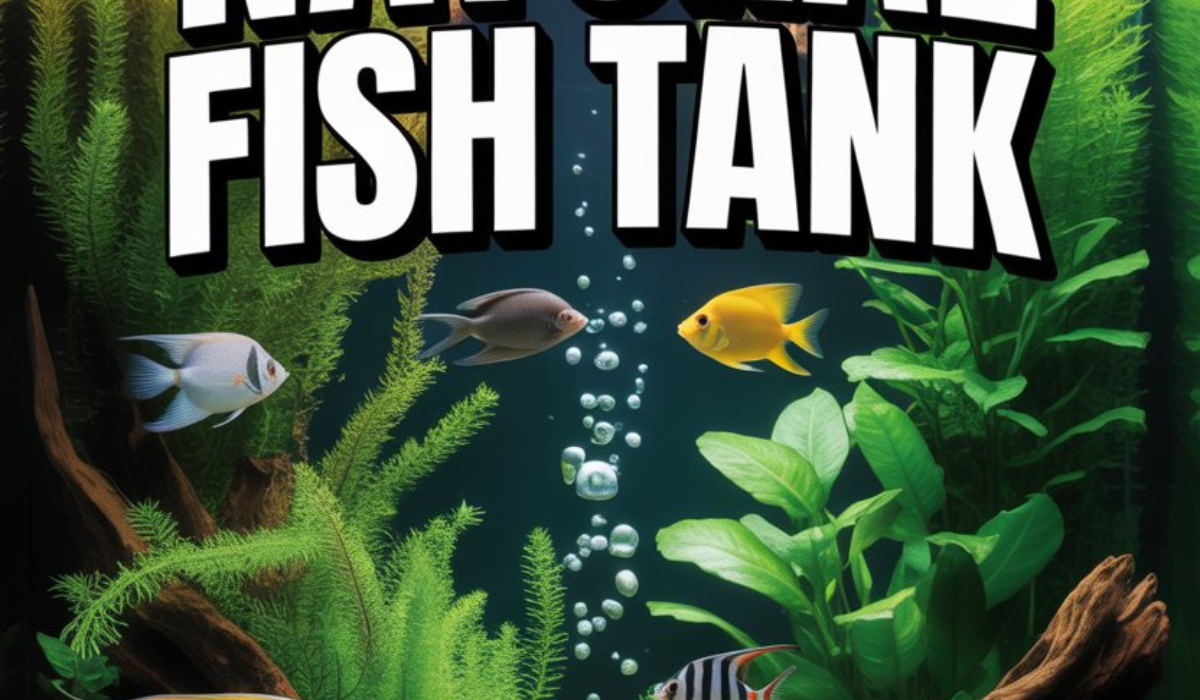
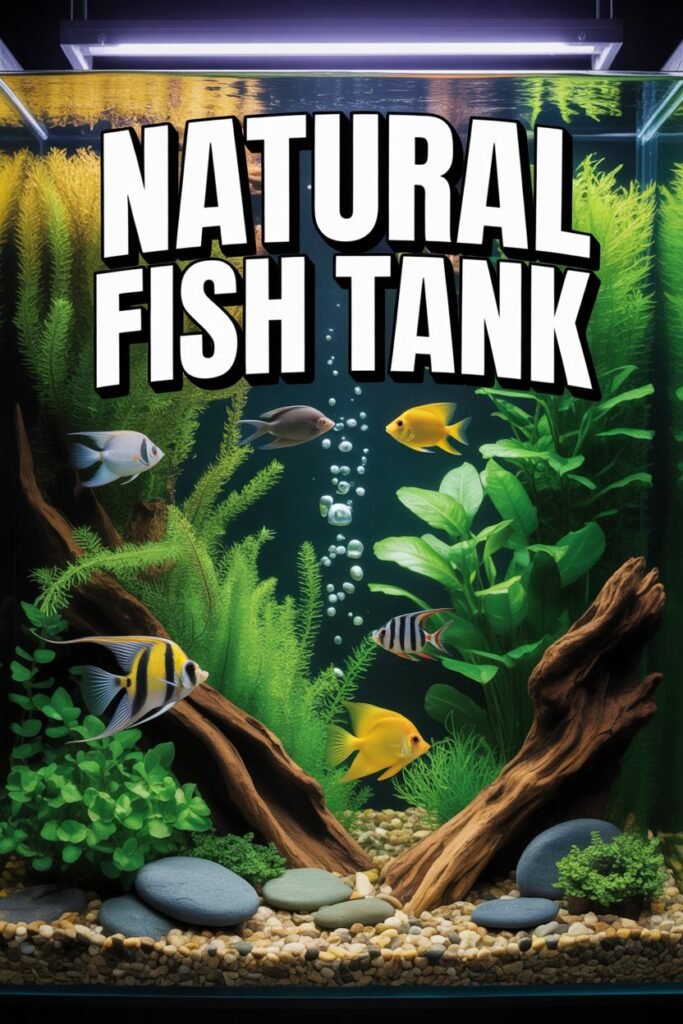
A natural fish tank is one of the most stunning and rewarding aquarium styles you can create. It mimics nature by combining live plants, natural materials, and carefully selected fish to form a balanced, peaceful underwater ecosystem. Instead of artificial decorations, this setup focuses on realism, harmony, and sustainability.
In this complete guide, you’ll learn everything about natural fish tanks—from design ideas to setup and maintenance.
What is a Natural Fish Tank?
A natural fish tank is an aquarium designed to replicate real aquatic environments such as rivers, lakes, or forest streams. It uses natural elements like driftwood, stones, sand, and live plants to create a realistic habitat.
This style is closely related to aquascaping and often focuses on balance, simplicity, and beauty.
Benefits of a Natural Fish Tank
Natural aquariums offer several advantages.
They create a calming and visually appealing environment. Live plants improve water quality by absorbing waste and producing oxygen.
Fish also feel more comfortable in a natural habitat, which reduces stress and enhances their natural behavior and colors.
Additionally, a well-balanced natural tank can become partially self-sustaining.
Key Elements of a Natural Fish Tank
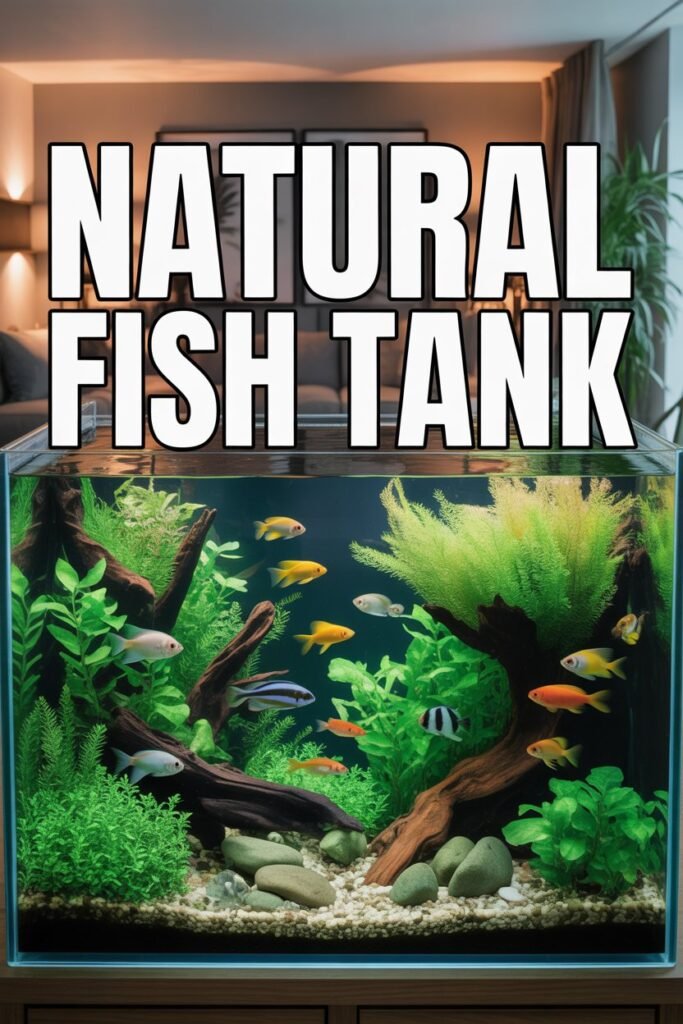
To create a successful natural aquarium, you need to focus on a few essential components.
Live Plants
Plants are the heart of a natural fish tank. They provide oxygen, reduce algae, and create hiding spaces for fish.
Popular choices include:
- Java Fern
- Anubias
- Amazon Sword
- Moss varieties
Natural Substrate
Use sand or fine gravel to mimic riverbeds. Nutrient-rich soil can also be used for plant growth.
Hardscape Materials
Rocks and driftwood form the structure of your tank. Arrange them to create a natural landscape.
Lighting
Proper lighting is necessary for plant growth. Soft, balanced lighting works best for a natural look.
Filtration
A good filter maintains clean water while supporting beneficial bacteria.
Best Fish for a Natural Fish Tank
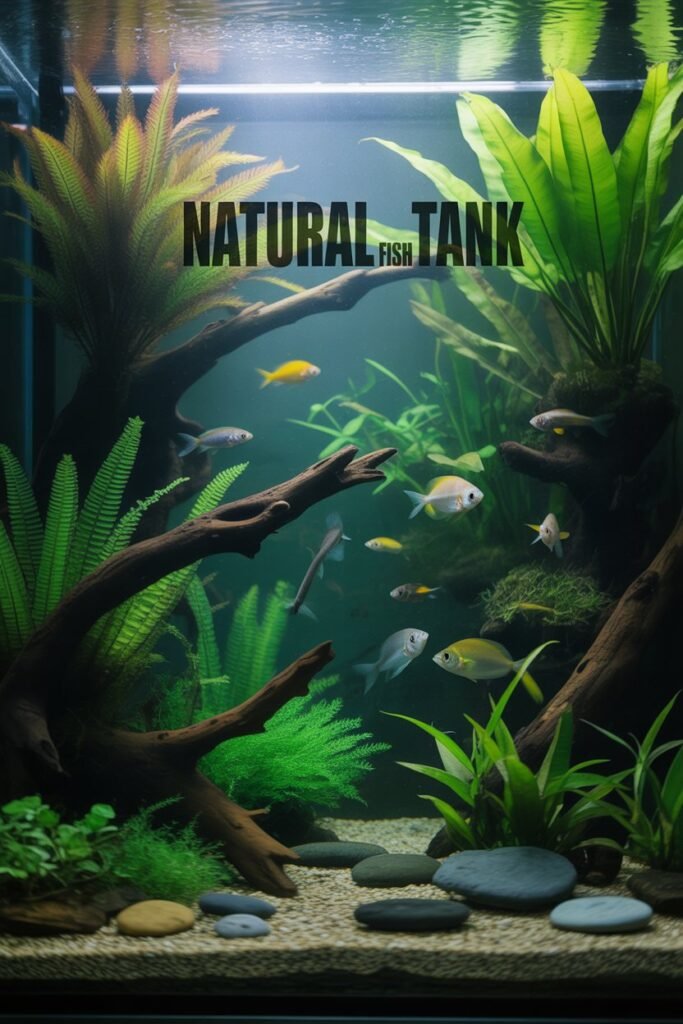
Choosing the right fish is important for maintaining a peaceful ecosystem.
Neon tetra
These small fish look amazing in planted tanks and swim in groups.
Guppy
Colorful and easy to care for, guppies adapt well to natural setups.
Corydoras catfish
They help clean the bottom and are very peaceful.
Betta fish
A single betta can thrive in a natural, planted environment.
Avoid fish that dig excessively or damage plants.
Natural Fish Tank Design Ideas
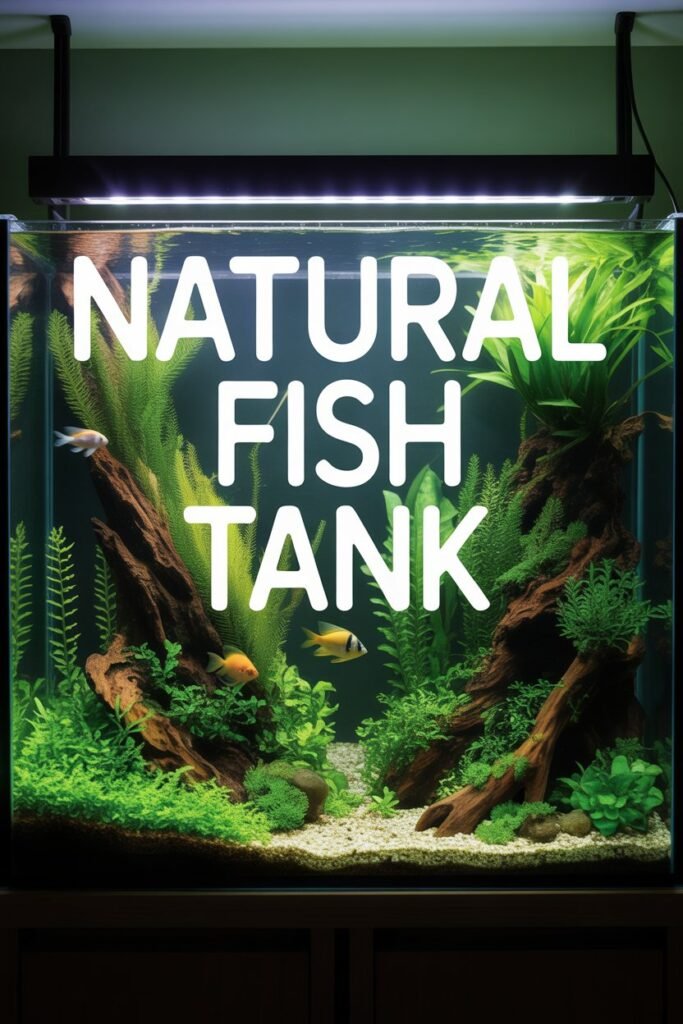
Here are some inspiring natural setup styles:
Nature Style Aquascape
Inspired by forests and mountains, this design uses plants, wood, and rocks to create landscapes.
Riverbed Setup
Use smooth stones, sand, and flowing arrangements to mimic a river.
Jungle Aquarium
Dense plant growth creates a lush, wild environment.
Minimalist Natural Tank
Simple layout with a few plants and stones for a clean, elegant look.
Step-by-Step Setup Guide
Creating a natural fish tank requires careful planning.
Start by choosing a suitable tank size. Larger tanks are easier to maintain.
Add a nutrient-rich substrate layer, then cover it with sand or gravel.
Arrange rocks and driftwood to form the base structure.
Plant your aquatic plants carefully, starting with background plants and finishing with foreground ones.
Fill the tank slowly with water to avoid disturbing the layout.
Install the filter and lighting system.
Allow the tank to cycle for a few days before adding fish.
Introduce fish gradually to maintain balance.
Maintenance Tips
A natural fish tank still requires regular care.
Perform weekly water changes of about 20–30%.
Trim plants regularly to maintain shape and prevent overcrowding.
Remove dead leaves and debris.
Monitor water parameters such as pH and temperature.
Use fertilizers if needed to support plant growth.
Common Mistakes to Avoid
Many beginners make mistakes when creating natural tanks.
Using too many decorations can ruin the natural look. Stick to simple and balanced designs.
Choosing incompatible fish can cause stress and damage plants.
Overlighting can lead to algae problems.
Skipping maintenance can harm both plants and fish.
Tips for a More Natural Look
To make your tank look truly natural:
- Use odd numbers of rocks and plants
- Avoid symmetry
- Create depth with different plant heights
- Use a dark background to highlight colors
These small details can make a big difference in appearance.
Why Natural Fish Tanks Are Popular
Natural fish tanks are popular because they combine beauty and function. They bring a piece of nature indoors and create a relaxing environment.
They also support healthier fish and provide a more sustainable aquarium system.
With the rise of aquascaping, more people are choosing natural designs over artificial setups.
Final Thoughts
A natural fish tank is a perfect blend of art and nature. It offers beauty, relaxation, and a healthier environment for your fish.
By using live plants, natural materials, and proper care, you can create a stunning underwater ecosystem that thrives for years.
Start simple, focus on balance, and let your aquarium grow naturally over time.
FAQs
What is the best plant for a natural fish tank?
Java Fern and Anubias are great beginner-friendly options.
Do natural fish tanks need CO2?
Not always. Many plants grow well without CO2 in low-tech setups.
How often should I clean a natural tank?
Perform partial water changes weekly and maintain regularly.
Can beginners create a natural fish tank?
Yes, with simple plants and proper care, beginners can easily start.
Are natural fish tanks expensive?
They can be affordable, especially if you start with a basic setup and upgrade over time.