
 By admin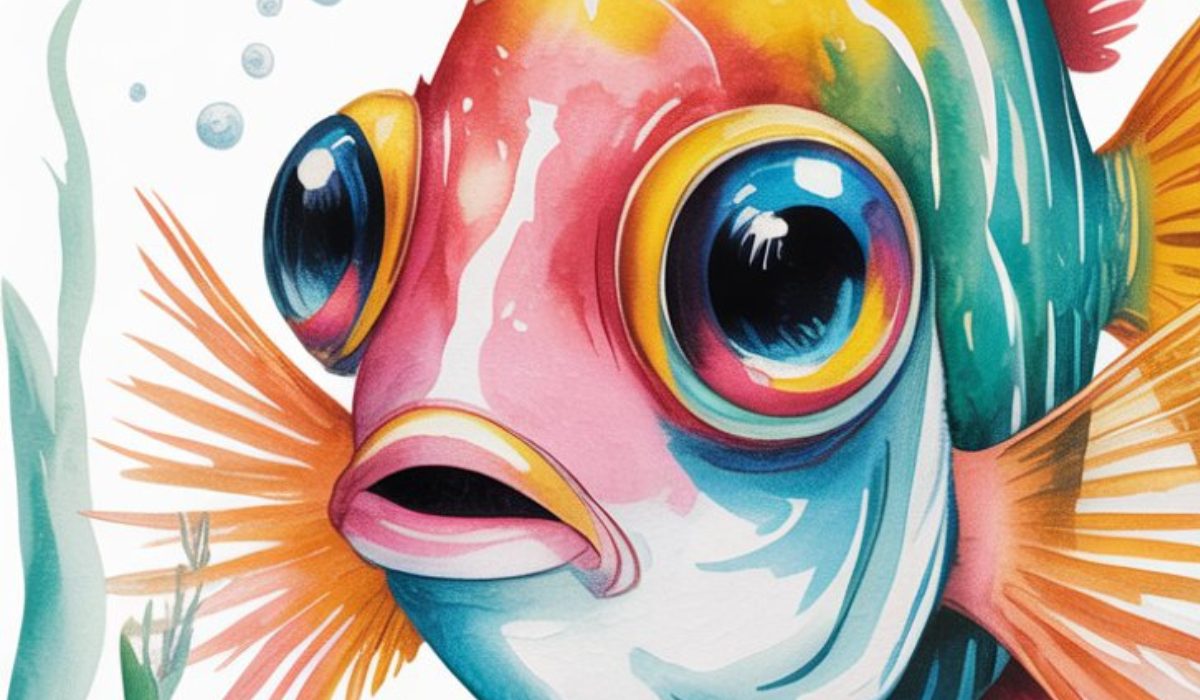
Fish watercolor art is a beautiful way to capture the elegance, color, and movement of aquatic life. Whether you are a beginner or an experienced artist, painting fish with watercolor allows you to explore vibrant colors, soft blends, and fluid textures that perfectly match underwater scenes.
This guide will help you learn fish watercolor ideas, techniques, and tips to create stunning artwork.
Why Choose Fish for Watercolor Painting?
Fish are perfect subjects for watercolor because of their natural colors and flowing shapes. Their fins, scales, and movement work beautifully with soft brush strokes and color blending.
Popular subjects include:
- Betta fish for flowing fins
- Goldfish for bright colors
- Koi fish for elegant patterns
These fish offer great variety for artistic expression.
Basic Materials You Need
To start fish watercolor painting, gather these essentials:
- Watercolor paints
- Watercolor paper (300 gsm recommended)
- Brushes (round brushes work best)
- Pencil for sketching
- Clean water and palette
Good quality paper is especially important for smooth blending.
Easy Fish Watercolor Ideas
Simple Goldfish Painting
A beginner-friendly idea.
- Start with a light pencil sketch
- Use orange and yellow tones
- Add soft flowing strokes for fins
👉 Best subject: Goldfish
Betta Fish Art
Perfect for detailed and expressive painting.
- Focus on long, flowing fins
- Use bold colors like blue, red, and purple
- Blend colors smoothly
👉 Best subject: Betta fish
Koi Fish Watercolor
Elegant and calming artwork.
- Use white base with red and black patterns
- Add water ripples for effect
- Keep strokes soft and fluid
👉 Best subject: Koi fish
Tropical Fish Painting
Bright and colorful designs.
- Mix vibrant colors
- Add patterns and stripes
- Use contrast for depth
Underwater Scene
Create a full composition.
- Add plants, bubbles, and background
- Use blue and green washes
- Paint multiple fish
Watercolor Techniques for Fish Painting
Wet-on-Wet Technique
Apply water first, then add color.
This creates soft, flowing effects—perfect for fins and water backgrounds.
Wet-on-Dry Technique
Paint on dry paper for sharp details.
Ideal for outlines, scales, and patterns.
Layering
Build colors gradually.
Start light and add darker tones for depth and dimension.
Color Blending
Blend multiple colors to create natural transitions.
This is especially useful for tropical fish and betta fins.
Tips for Better Fish Watercolor Art
Use light pencil sketches to guide your painting.
Keep your brush strokes soft and natural.
Avoid overworking the paper to maintain transparency.
Practice color mixing to achieve realistic tones.
Observe real fish for inspiration and detail.
Common Mistakes to Avoid
Using too much water can cause colors to spread uncontrollably.
Over-layering can make the painting look muddy.
Skipping the sketch can lead to poor proportions.
Using low-quality paper affects the final result.
Why Fish Watercolor Art is Popular
Fish watercolor art is popular because it combines creativity with relaxation. The fluid nature of watercolor matches the movement of fish, making the artwork feel alive and natural.
It’s also a great subject for beginners due to its flexibility and forgiving style.
Final Thoughts
Fish watercolor painting is a fun and creative way to explore art. From simple goldfish sketches to detailed koi paintings, there are endless possibilities to express your creativity.
Start with basic techniques, practice regularly, and experiment with colors. Over time, you’ll develop your own unique style and create beautiful aquatic artwork.
FAQs
Is fish watercolor good for beginners?
Yes, it’s a great subject to start with.
What paper is best for watercolor?
Thick watercolor paper (300 gsm) works best.
Which fish is easiest to paint?
Goldfish is the easiest for beginners.
How do I make colors blend smoothly?
Use the wet-on-wet technique.
Can I paint without sketching first?
Yes, but sketching helps with accuracy and proportions.