
 By admin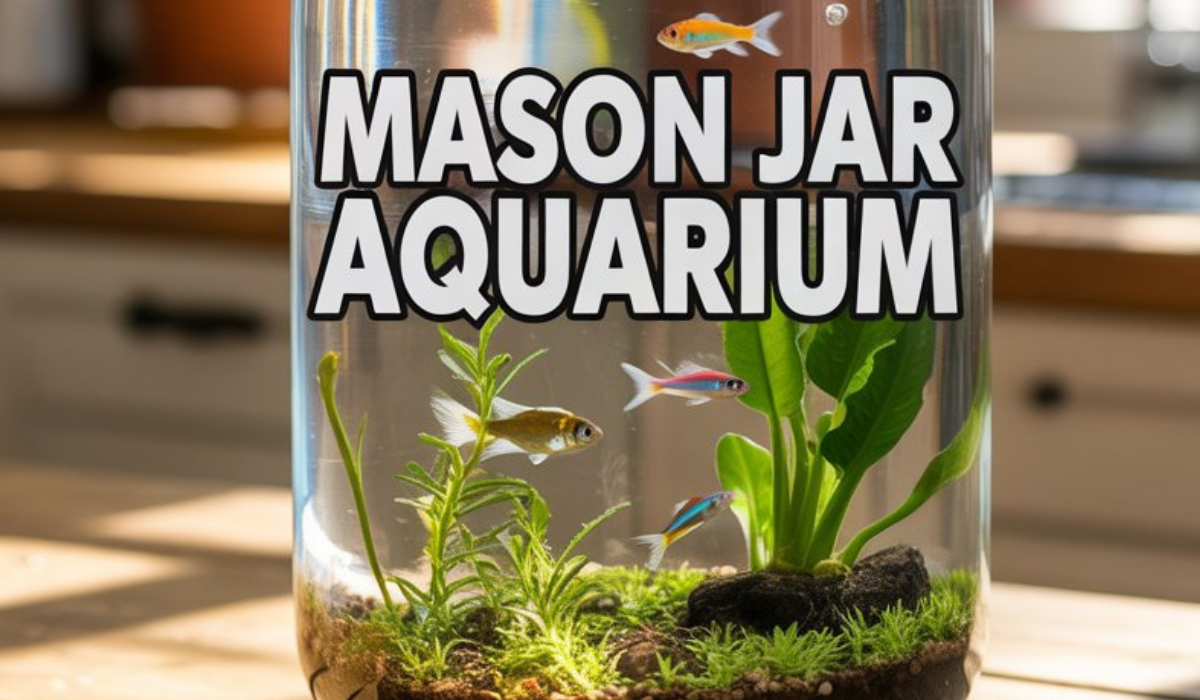
A mason jar aquarium is a trendy and minimalist way to create a tiny aquatic display. These small glass jars are often used for décor, nano aquascaping, or plant-based setups. While they can look beautiful, it’s important to understand their limitations—especially when it comes to keeping fish.
What is a Mason Jar Aquarium?
A mason jar aquarium is a very small setup using a glass jar instead of a traditional tank. It is typically used for decorative purposes, aquascaping, or housing very small aquatic life.
Because of the limited space, these setups require careful planning and responsible choices.
Can You Keep Fish in a Mason Jar?
Here’s the honest answer: most fish should NOT be kept in a mason jar.
Fish like Betta fish or Goldfish need more space, stable water conditions, and proper filtration.
A mason jar is too small to provide:
- Stable water parameters
- Enough oxygen
- Proper filtration
- Swimming space
👉 Keeping fish in jars often leads to stress, illness, and short lifespan.
Best Alternatives for Mason Jar Setups
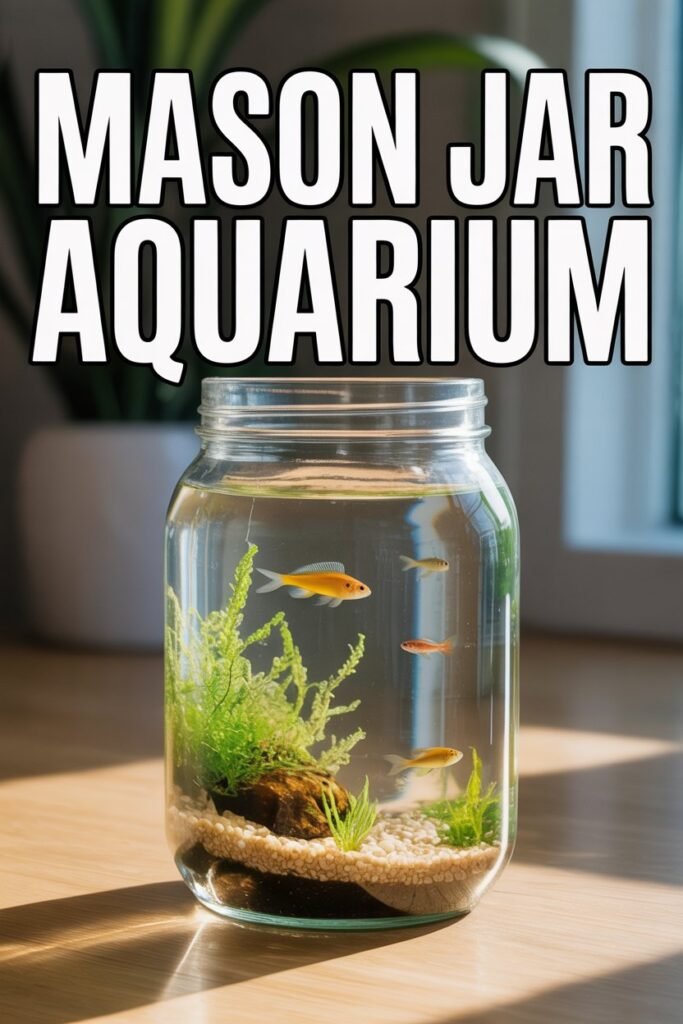
Instead of fish, consider safer and more suitable options.
Plant-Only Mason Jar Aquarium
- Aquatic plants only
- No animals
- Low maintenance
👉 Perfect for beginners
Shrimp Jar Setup
- Small shrimp species
- Minimal bioload
- Natural ecosystem
👉 Adds life without overcrowding
Snail Jar Aquarium
- Single small snail
- Easy to maintain
- Helps clean algae
Decorative Aquascape Jar
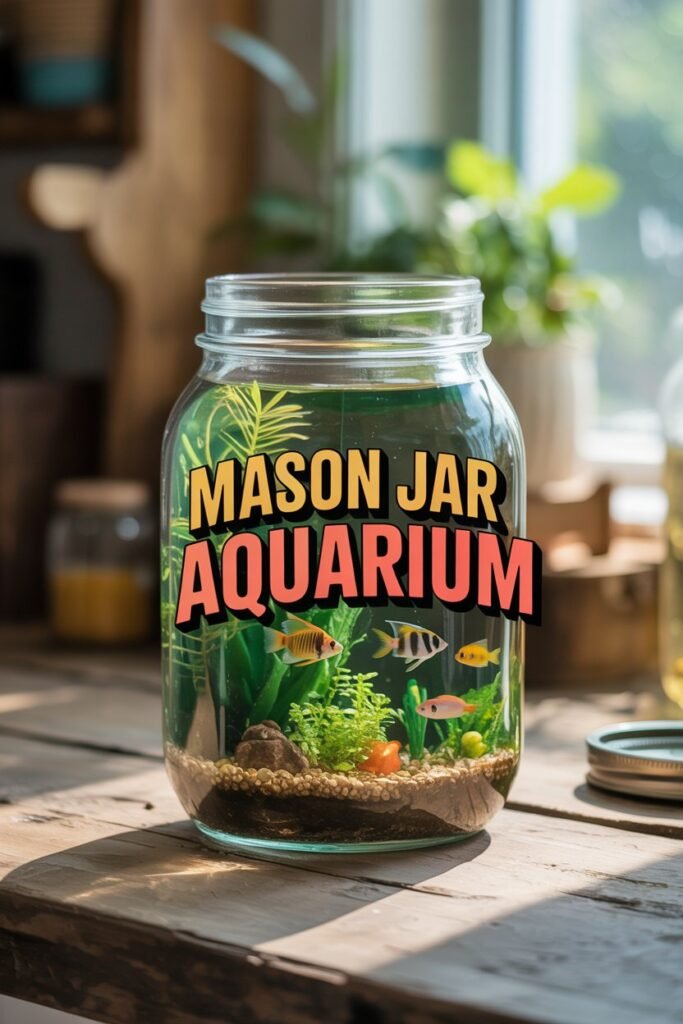
- Rocks, sand, driftwood
- Artistic layout
- No living animals required
👉 Ideal for home décor
Floating Plant Jar
- Use floating plants
- Soft lighting
- Calm and natural look
Materials Needed
To create a mason jar aquarium, you’ll need:
- Mason jar (wide opening preferred)
- Fine substrate (sand or soil)
- Small aquatic plants or moss
- Dechlorinated water
- Optional: small LED light
Avoid adding filters or heaters—they are usually not practical for jars.
How to Set Up a Mason Jar Aquarium
Start by cleaning the jar thoroughly (no soap).
Add a thin layer of substrate.
Place plants, moss, or decorative elements.
Fill slowly with treated water.
Place the jar in a well-lit area (not direct sunlight).
Let it settle before adding shrimp or snails, if desired.
Important Care Tips
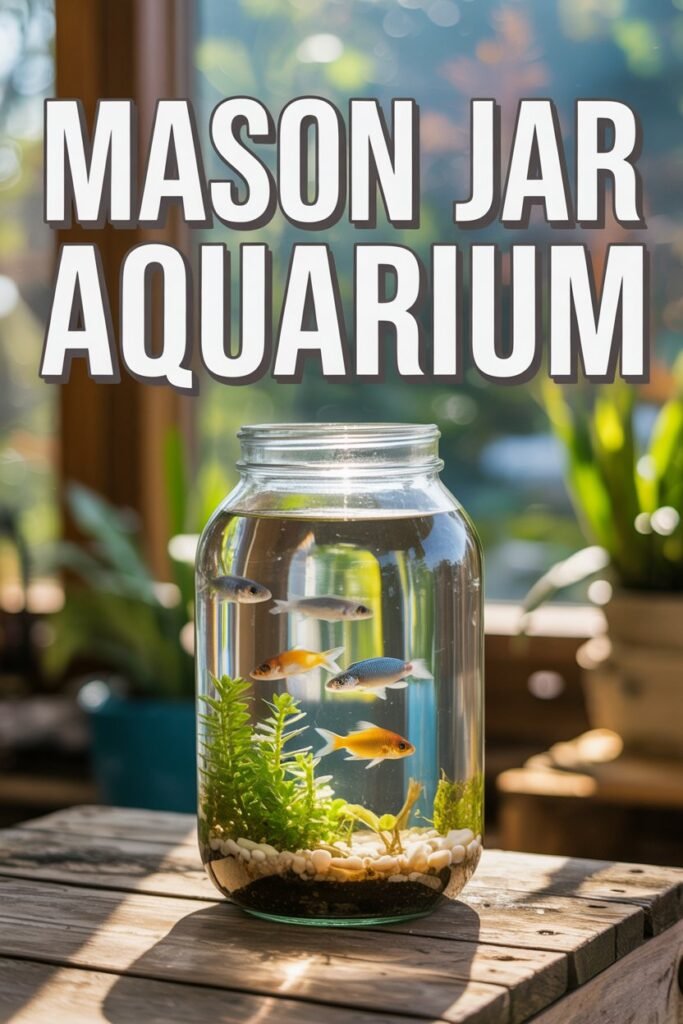
Perform small, frequent water changes (every few days).
Avoid overfeeding if you keep shrimp or snails.
Keep the jar away from direct sunlight to prevent algae.
Do not overcrowd the setup.
Monitor water clarity and smell.
Common Mistakes to Avoid
- Keeping fish in jars
- Overdecorating small space
- Skipping water changes
- Using untreated tap water
- Placing jar in direct sunlight
These mistakes can quickly destabilize the environment.
Why Mason Jar Aquariums Are Popular
Mason jar aquariums are popular because they are simple, affordable, and visually appealing. They fit perfectly on desks, shelves, and small spaces.
They are also a great introduction to aquascaping without needing a full aquarium setup.
Better Option: Nano Aquarium
If you want to keep fish, a small nano tank (5–10 gallons) is a much better option. It provides proper space, filtration, and stability.
Final Thoughts
A mason jar aquarium can be a beautiful and creative project, but it should be approached responsibly. It is best suited for plants, shrimp, or decorative purposes—not fish.
Focus on simplicity, balance, and proper care. With the right setup, your mason jar aquarium can become a charming and relaxing mini ecosystem.
FAQs
Can I keep fish in a mason jar?
No, it is not suitable for fish.
What is best for a mason jar aquarium?
Plants, shrimp, or snails.
Do mason jar aquariums need a filter?
No, but they require frequent water changes.
How often should I clean it?
Small water changes every few days.
Is it beginner-friendly?
Yes, especially for plant-only setups.