
 By admin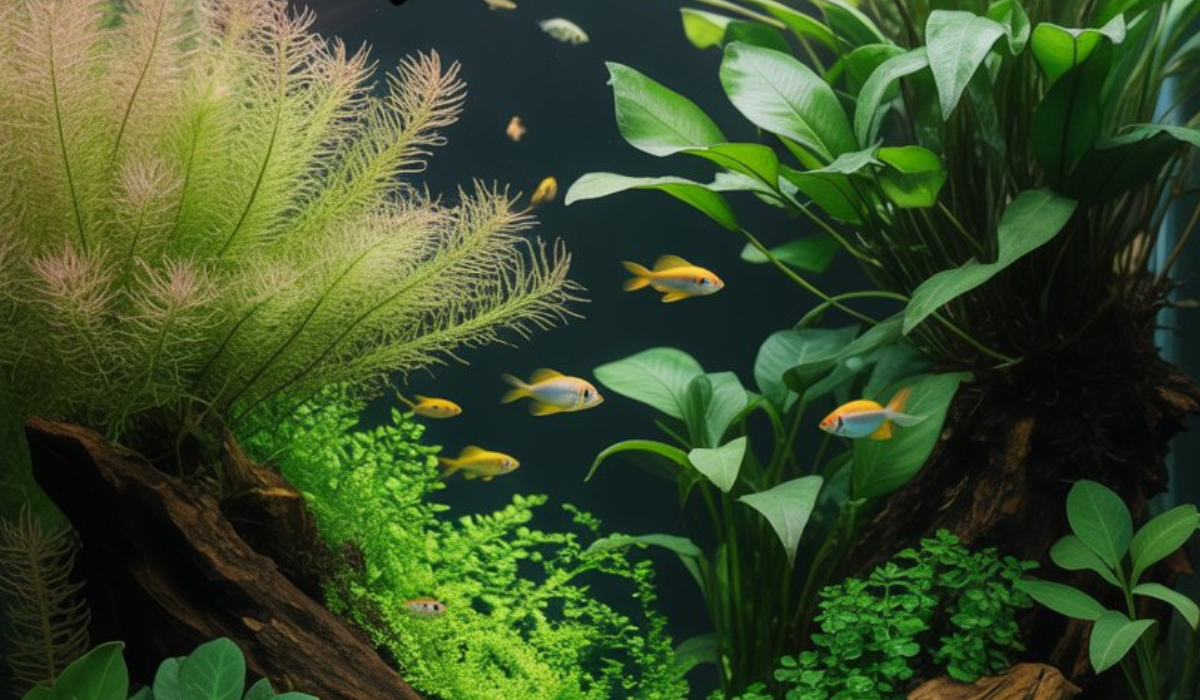
An aquatic plants aquarium is a beautiful and natural way to create a thriving underwater ecosystem. Instead of relying on artificial decorations, this type of aquarium uses live plants to enhance water quality, support fish health, and create a stunning visual display.
Whether you are a beginner or an experienced aquarist, a planted tank can transform your aquarium into a living underwater garden.
What is an Aquatic Plants Aquarium?
An aquatic plants aquarium is a fish tank that focuses on growing live plants alongside fish. These plants play an active role in maintaining the tank’s balance by absorbing nutrients and releasing oxygen.
This style is often inspired by natural aquascaping techniques introduced by Takashi Amano.
Why Choose a Planted Aquarium?
Live plants offer many benefits.
They improve water quality by absorbing nitrates. They provide oxygen for fish and beneficial bacteria. They also create natural hiding places, reducing stress for fish.
Additionally, planted aquariums look more realistic and calming compared to artificial setups.
Types of Aquatic Plants
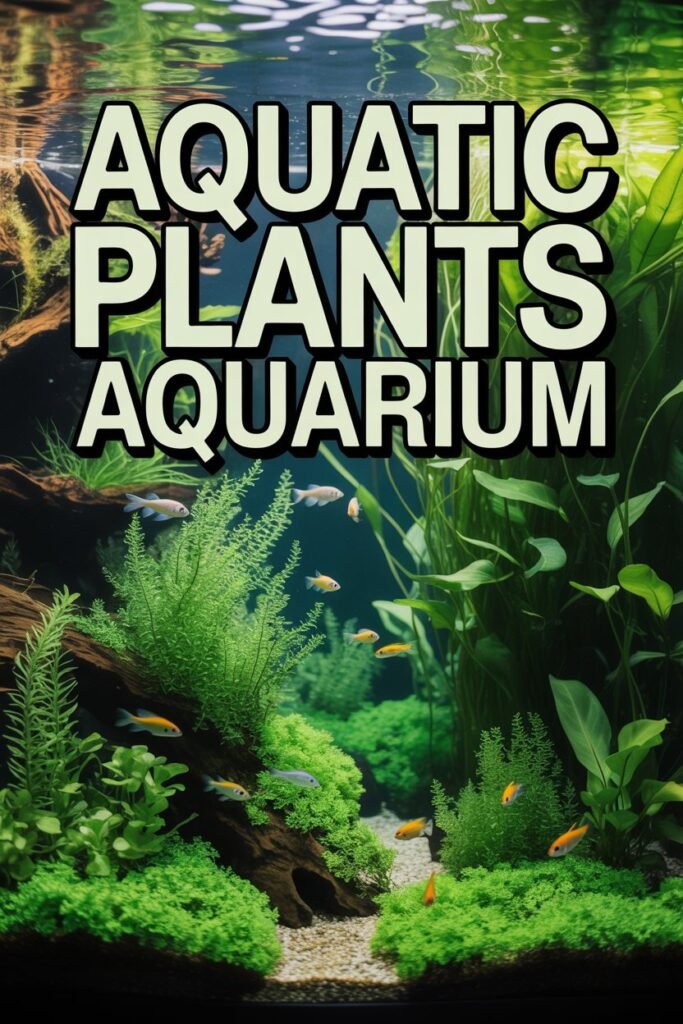
Foreground Plants
- Grow low and cover the bottom
- Create a carpet effect
- Ideal for aesthetic layouts
Midground Plants
- Medium height
- Add depth and structure
- Fill the center of the tank
Background Plants
- Tall plants
- Provide a backdrop
- Hide equipment
Floating Plants
- Float on the surface
- Reduce light intensity
- Absorb excess nutrients
Best Aquatic Plants for Beginners
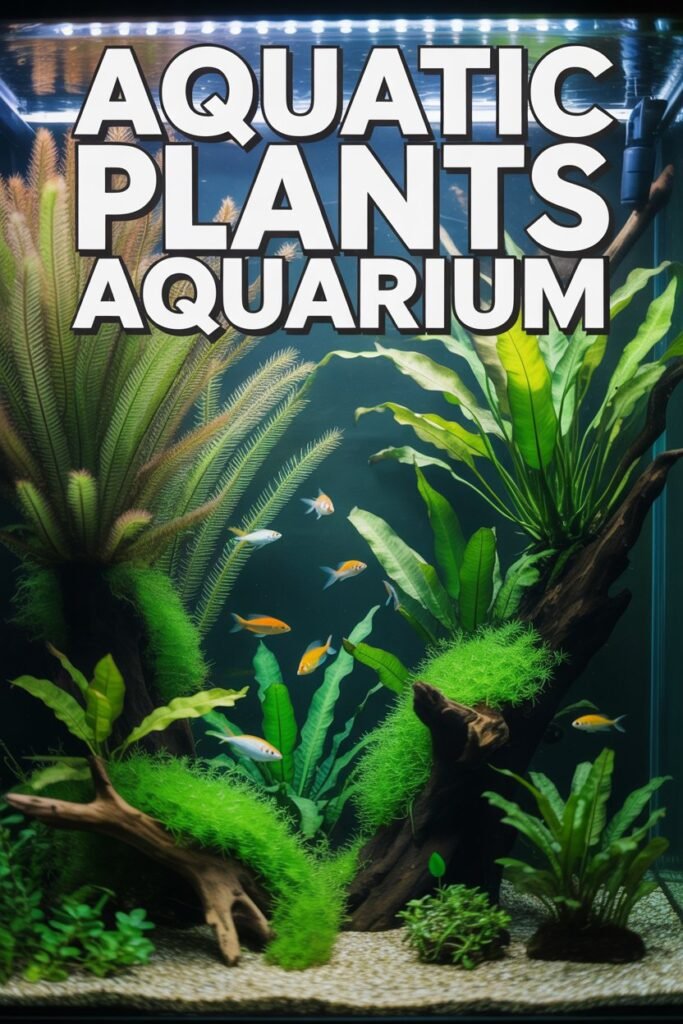
Start with easy and hardy plants.
- Java Moss
- Anubias
- Amazon Sword
- Vallisneria
- Cryptocoryne
These plants are low-maintenance and adapt well to different conditions.
Best Fish for Planted Aquariums
Choose peaceful fish that won’t damage plants.
- Neon tetra
- Guppy
- Corydoras catfish
These species thrive in planted environments.
Essential Equipment
A planted aquarium needs proper equipment.
Lighting is crucial for plant growth. Use full-spectrum LED lights.
A filter maintains water cleanliness.
Nutrient-rich substrate supports plant roots.
CO₂ systems are optional but improve plant growth in advanced setups.
How to Set Up an Aquatic Plants Aquarium
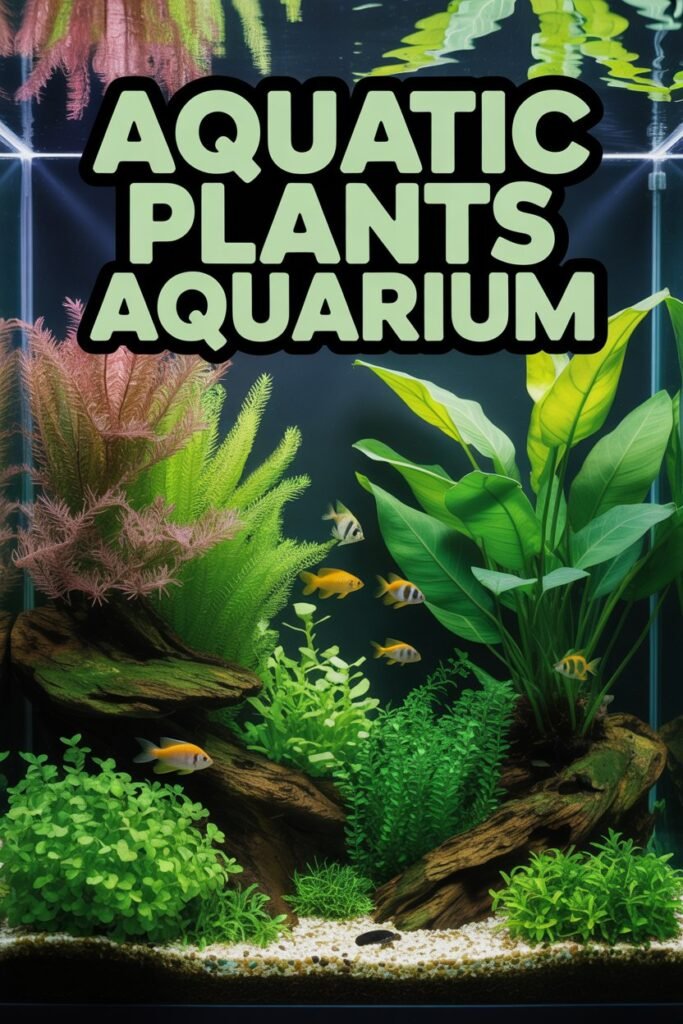
Start with a clean tank.
Add nutrient-rich substrate.
Arrange rocks and driftwood.
Plant aquatic plants in layers (foreground, midground, background).
Fill with dechlorinated water.
Install filter and lighting.
Allow the tank to cycle through the Nitrogen cycle.
Add fish gradually once the tank stabilizes.
Lighting & CO₂ Tips
Provide 6–8 hours of light daily.
Too much light can cause algae, while too little slows plant growth.
CO₂ injection helps plants grow faster and healthier but is optional for beginners.
Maintenance Tips
Trim plants regularly.
Remove dead leaves.
Perform weekly water changes.
Monitor nutrients and algae growth.
Keep lighting balanced.
Common Problems & Solutions
Algae Growth
- Reduce light duration
- Avoid overfeeding
- Increase plant density
Slow Plant Growth
- Improve lighting
- Add nutrients or CO₂
Yellow Leaves
- Nutrient deficiency
- Use liquid fertilizers
Why Aquatic Plant Aquariums Are Popular
Planted aquariums are popular because they create a natural and balanced ecosystem. They are visually relaxing and environmentally beneficial.
They also allow endless creativity in aquascaping.
Final Thoughts
An aquatic plants aquarium is one of the most rewarding types of fish tanks. With proper care, lighting, and plant selection, you can create a lush, healthy, and beautiful underwater environment.
Start with easy plants, maintain consistency, and gradually enhance your setup.
FAQs
Are planted aquariums hard to maintain?
No, beginners can start with easy plants.
Do plants need CO₂?
Not always, but it helps growth.
What fish are best?
Neon tetra and Guppy are great options.
How much light is needed?
6–8 hours daily.
Do plants clean the water?
Yes, they absorb harmful nutrients.