
 By admin
A live aquarium is one of the most rewarding and visually stunning types of aquarium setups. Unlike tanks filled primarily with artificial decorations, a live aquarium incorporates living aquatic plants, beneficial microorganisms, and carefully selected fish or invertebrates to create a natural and balanced underwater environment. These aquariums closely mimic real aquatic ecosystems and provide numerous benefits for both aquatic life and aquarium owners.
Whether you are a beginner starting your first planted tank or an experienced aquarist looking to create a lush underwater landscape, a live aquarium can transform your fish tank into a vibrant living ecosystem.
What Is a Live Aquarium?
A live aquarium is an aquarium that contains live aquatic plants and living organisms that work together to create a natural aquatic habitat. These aquariums often include:
- Live aquatic plants
- Fish
- Shrimp
- Snails
- Beneficial bacteria
- Natural hardscape materials
Unlike artificial setups, live aquariums rely on biological processes to help maintain water quality and ecosystem stability.
Benefits of a Live Aquarium
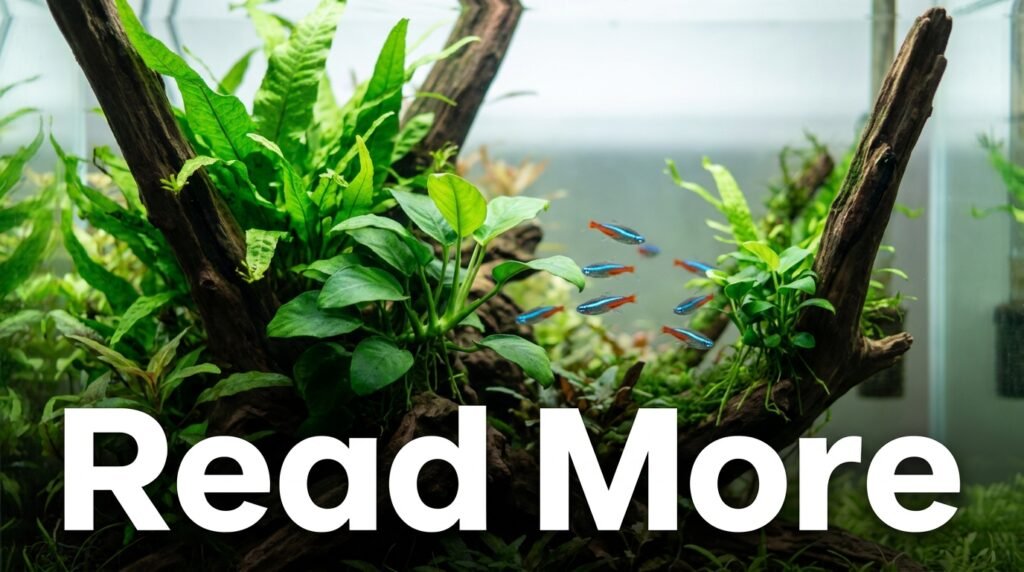
Live aquariums offer several advantages over traditional tanks with artificial decorations.
Improved Water Quality
Aquatic plants absorb waste nutrients such as nitrates, helping maintain cleaner water.
Natural Appearance
Live plants create a realistic underwater environment that resembles rivers, lakes, and ponds.
Oxygen Production
Plants release oxygen during photosynthesis, benefiting fish and other aquatic life.
Reduced Algae Growth
Healthy plant growth often competes with algae for nutrients.
Stress Reduction for Fish
Fish feel more secure when surrounded by natural plants and hiding places.
Enhanced Beauty
A thriving planted aquarium provides dynamic colors, textures, and movement.
Types of Live Aquariums
Freshwater Live Aquarium
The most common type of live aquarium.
Features include:
- Tropical fish
- Live aquatic plants
- Freshwater invertebrates
- Natural aquascaping
Planted Aquarium
A planted aquarium emphasizes plant growth as the primary design element.
Shrimp Aquarium
These tanks focus on freshwater shrimp and heavily planted environments.
Nature Aquarium
Inspired by natural landscapes such as forests, rivers, and mountains.
Reef Aquarium
Marine live aquariums may contain:
- Live corals
- Saltwater fish
- Live rock
- Invertebrates
Essential Components of a Live Aquarium
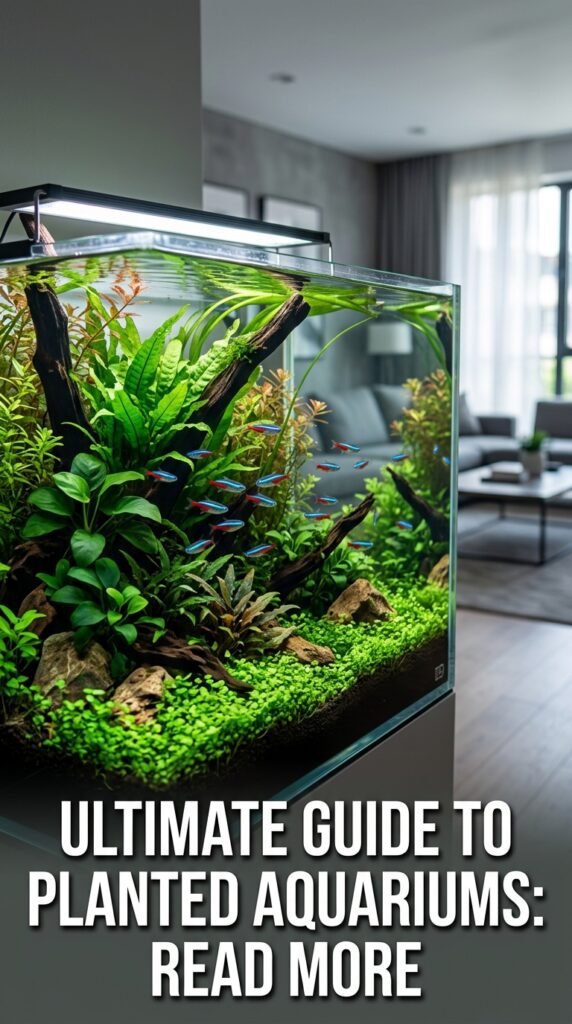
Aquarium Tank
Choose a tank size appropriate for your goals and available space.
Popular sizes include:
- 10 gallons
- 20 gallons
- 29 gallons
- 40 gallons
- Larger display aquariums
Substrate
The substrate supports plant roots and beneficial bacteria.
Common choices include:
- Aquasoil
- Gravel
- Sand
- Nutrient-rich planted substrates
Lighting
Plants require proper lighting for healthy growth.
LED aquarium lights are the most popular choice due to their efficiency and flexibility.
Filtration
A quality filter maintains water clarity and supports biological filtration.
Heater
Most tropical freshwater aquariums require stable temperatures.
Best Plants for a Live Aquarium
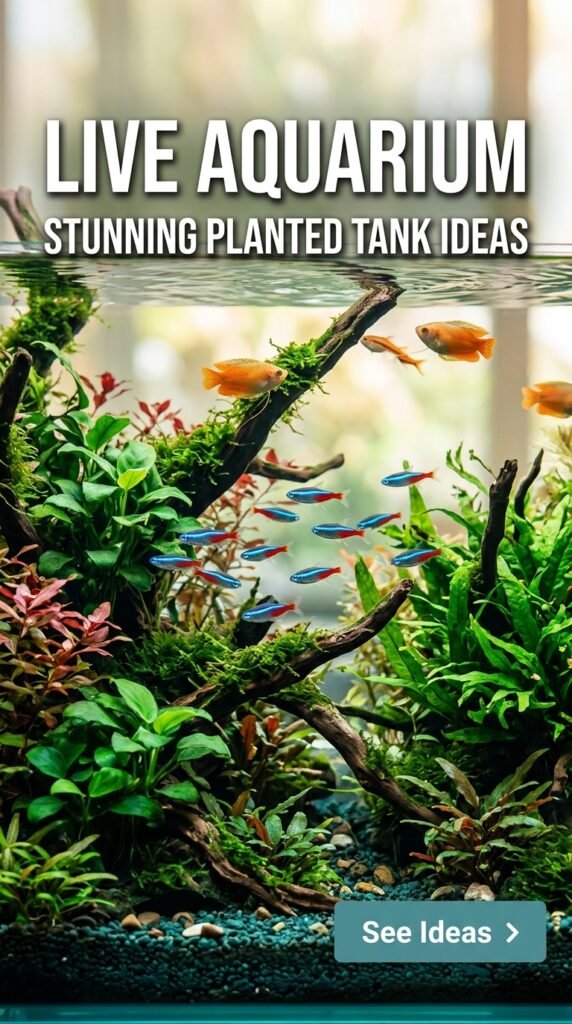
Java Fern
An excellent beginner plant.
Benefits include:
- Hardy growth
- Low maintenance
- Adaptability
Anubias
Slow-growing and easy to care for.
Amazon Sword
Provides a lush focal point in larger aquariums.
Vallisneria
Its long leaves create beautiful vertical movement.
Java Moss
Ideal for shrimp tanks and natural aquascapes.
Water Wisteria
A fast-growing plant that helps control excess nutrients.
Cryptocoryne
Available in many sizes and colors.
Floating Plants
Popular options include:
- Amazon Frogbit
- Salvinia
- Duckweed
- Red Root Floaters
Best Fish for a Live Aquarium
Many fish thrive in planted environments.
Guppies
Colorful and beginner-friendly.
Tetras
Schooling fish that add movement and activity.
Rasboras
Peaceful fish ideal for community tanks.
Angelfish
Elegant fish that complement planted aquariums.
Corydoras
Bottom-dwelling fish that help keep the substrate clean.
Gouramis
Attractive and adaptable species.
Betta Fish
Often thrive in heavily planted aquariums.
Shrimp and Snails in a Live Aquarium
Cherry Shrimp
Popular for their bright coloration and algae-eating abilities.
Amano Shrimp
Excellent algae consumers.
Nerite Snails
Help control algae without reproducing excessively.
Ramshorn Snails
Contribute to ecosystem cleanup and nutrient recycling.
Live Aquarium Aquascaping Styles
Nature Aquascape
Inspired by natural landscapes.
Uses:
- Driftwood
- Stones
- Live plants
Jungle Style
Dense plant growth creates a lush underwater forest.
Dutch Aquarium
Focuses on colorful plant arrangements and layering.
Iwagumi Style
Uses rocks as the primary design element with minimal plant species.
Blackwater Aquarium
Replicates tropical forest streams using driftwood and leaf litter.
How to Set Up a Live Aquarium
Step 1: Choose the Aquarium
Select an appropriately sized tank.
Step 2: Add Substrate
Use a nutrient-rich substrate suitable for aquatic plants.
Step 3: Arrange Hardscape
Position driftwood and rocks to establish the layout.
Step 4: Plant the Aquarium
Place plants according to their size and growth requirements.
Step 5: Fill with Water
Add water slowly to avoid disturbing the substrate.
Step 6: Install Equipment
Set up filtration, heating, and lighting systems.
Step 7: Cycle the Aquarium
Allow beneficial bacteria to establish before adding fish.
Step 8: Introduce Livestock
Add fish and invertebrates gradually.
Lighting Requirements for a Live Aquarium
Proper lighting is essential for plant growth.
Low-Light Aquariums
Suitable plants include:
- Java Fern
- Anubias
- Java Moss
Medium-Light Aquariums
Support a wider variety of plants.
High-Light Aquariums
Required for demanding species and carpet plants.
Most aquariums benefit from 6 to 10 hours of light daily.
Fertilization in a Live Aquarium
Plants require nutrients for healthy growth.
Liquid Fertilizers
Provide essential nutrients through the water column.
Root Tabs
Deliver nutrients directly to plant roots.
CO₂ Systems
Advanced planted aquariums may use carbon dioxide supplementation.
Live Aquarium Maintenance
Regular maintenance keeps the ecosystem healthy.
Weekly Water Changes
Replace a portion of the water regularly.
Plant Trimming
Prevent overgrowth and maintain the desired layout.
Glass Cleaning
Remove algae from viewing surfaces.
Equipment Inspection
Ensure filters and heaters function properly.
Water Testing
Monitor:
- pH
- Ammonia
- Nitrite
- Nitrate
Common Live Aquarium Problems
Algae Growth
Often caused by excessive light or nutrient imbalance.
Plant Deficiencies
Yellowing leaves may indicate nutrient shortages.
Poor Plant Growth
Can result from insufficient lighting or fertilization.
Overstocking
Too many fish increase waste production.
Inconsistent Maintenance
Neglecting routine care can destabilize the aquarium.
Decorating a Live Aquarium
Popular decorative elements include:
- Driftwood
- Natural stones
- Root structures
- Leaf litter
- Moss-covered branches
Natural decorations complement live plants and enhance realism.
Advantages of a Live Aquarium
- Natural beauty
- Improved water quality
- Healthier fish
- Reduced algae
- Educational value
- Dynamic and evolving appearance
These benefits make live aquariums increasingly popular among hobbyists.
Conclusion
A live aquarium is much more than a fish tank. It is a living ecosystem that combines aquatic plants, fish, beneficial bacteria, and natural design elements to create a thriving underwater world. Whether you prefer a lush jungle aquascape, a minimalist nature aquarium, or a vibrant community tank, live aquariums offer unmatched beauty and ecological benefits.
By selecting suitable plants, maintaining proper lighting and filtration, and providing consistent care, you can create a healthy and visually stunning live aquarium that becomes the centerpiece of your home or office for years to come.
Frequently Asked Questions
What is a live aquarium?
A live aquarium is a fish tank that contains living aquatic plants and organisms that create a natural ecosystem.
Are live plants better than artificial plants?
Yes. Live plants improve water quality, produce oxygen, and provide a more natural habitat for fish.
Do live aquariums require more maintenance?
Initially, they may require additional setup and plant care, but many live aquariums become easier to maintain over time.
What fish are best for a live aquarium?
Guppies, tetras, rasboras, angelfish, bettas, gouramis, and corydoras are popular choices.
Do live aquariums need fertilizer?
Many aquatic plants benefit from liquid fertilizers, root tabs, or CO₂ supplementation.
Can beginners keep a live aquarium?
Yes. Starting with hardy plants such as Java Fern, Anubias, and Java Moss makes a live aquarium suitable for beginners.